AMENIA — More than 70 people gathered in the Town Hall auditorium Wednesday, Sept. 23, for a public hearing on the environmental impacts of a proposed 27-lot subdivision at the Keane Stud horse farm on Depot Hill Road.
The hearing was part of the Planning Board’s environmental review of the proposed subdivision, which would divide 605 acres into 27 lots. Speakers raised concerns about the loss of farmland, scenic views and Amenia’s rural character, while one supporter said the project would increase the town’s tax base.
About a third of those attending spoke. The hearing has now closed, but the board will accept written comments through Monday, Oct. 5, Chairman Robert Boyles said.
The Keane Stud application was filed in 2023. During the environmental review, the developers have met with the town’s visual consultant, George Janes, to discuss the project’s potential effect on the landscape.
Aaron Werner, vice president for planning and development at AKRF, outlined the review process at the hearing on behalf of the developers. He said residents had several opportunities to comment on the proposal and that their feedback had been considered as the plans developed.
Each proposed lot would be at least 10 acres, with 90% of its land restricted to agricultural use and off-limits to development. The developers say they envision small-scale farming on them.
Residents had three minutes each to address the Planning Board. Several said dividing the property could make it harder to farm and diminish the area’s rural character.
“We need to get serious about protecting and preserving our large farms,” said resident George Bistransin, who predicted the lots would be bought by wealthy people.
Bistransin said dividing the property could prevent farmers from using large equipment to harvest hay there, making it harder for him to obtain hay for his small farm.
Wassaic resident Leo Blackman, who has lived in Amenia for 24 years, said the subdivision would change the town’s character, creating a suburban setting in an area designated for its scenic value.
Resident Nancy MacKenzie raised concerns about additional traffic.
“I care deeply. I’m not opposed to development, but I am to this one,” said Wassaic resident Ken Monteiro. He questioned whether buyers of the lots would establish small working farms and warned that the subdivision could erode the town’s character.
Local organic farmer Erich McEnroe described the difficulties young farmers face in getting started.
Speaking on behalf of the Amenia Conservation Advisory Committee, member Mark Doyle raised concerns about the view east from DeLavergne Hill.
He referred to residents’ requests, most recently in 2025, that the town protect the view and described past efforts to establish a conservation easement.
Wassaic General Store owner Sharon Kroeger also urged the town to protect the viewshed.
“The town should take the initiative in preservation,” Kroeger said.
Brigham Ferrand, vice president of the Hudson Valley Economic Development Corporation, spoke in support of the subdivision. Ferrand said the developers had listened to residents and scaled back their plans. He said the project would increase the town’s tax base.
“I don’t want to see the character disappear,” said resident Judy Moran, echoing the concerns of other speakers.
Town Supervisor Rosanna Hamm spoke about the residential development she has seen during her lifetime in Amenia.
She said agricultural tax breaks are not easy to obtain and pointed to the tax revenue contributed by Silo Ridge homeowners. Hamm also cited Keane Stud’s contributions to town programs, including decorations for the annual Harvest Festival.



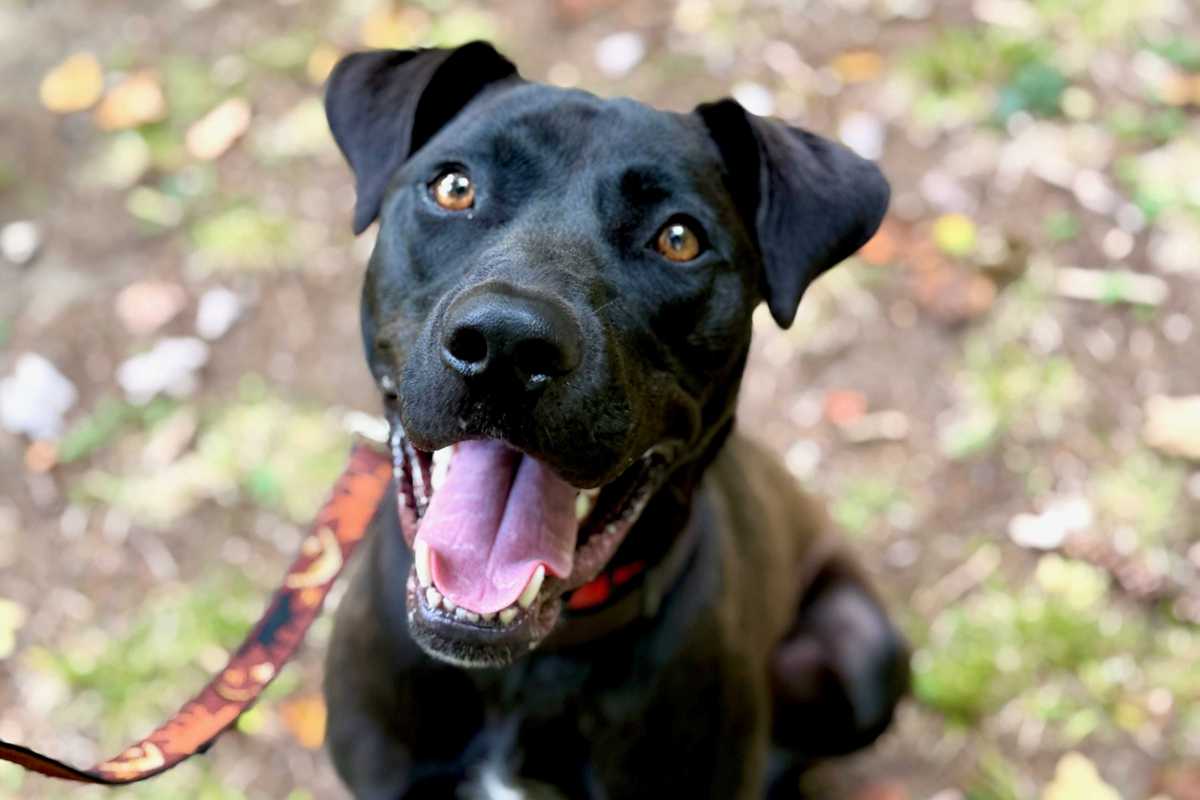
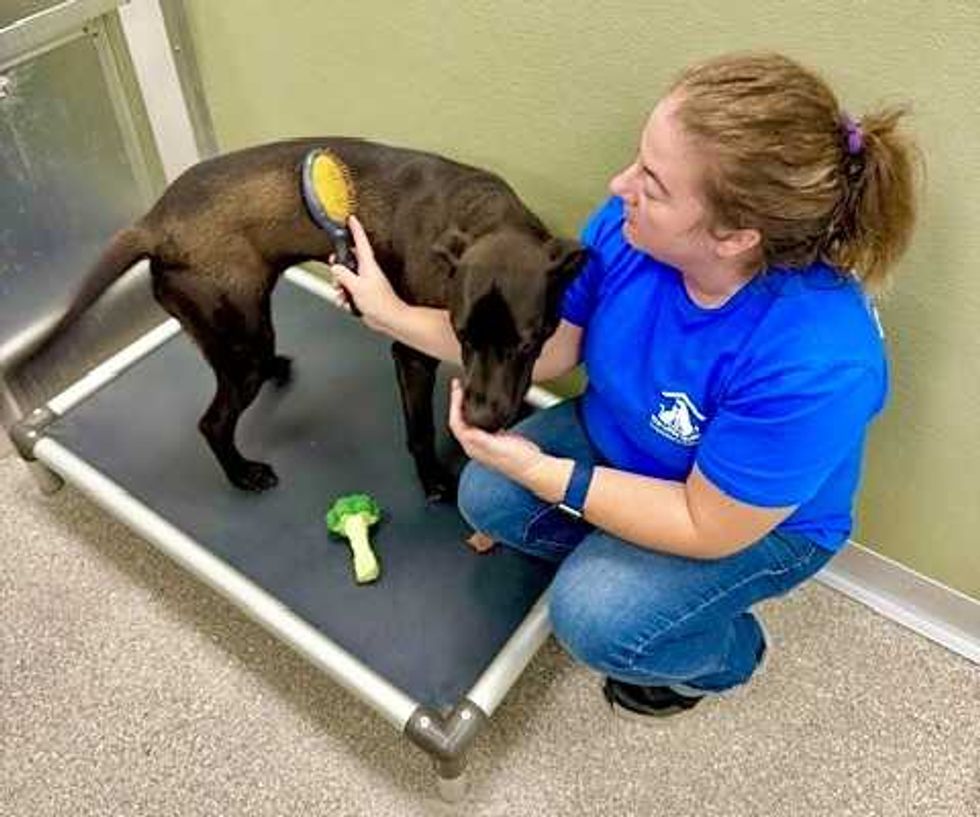 Tiffany Lemelin, shelter manager, brushing Marsala upon arrival.Provided
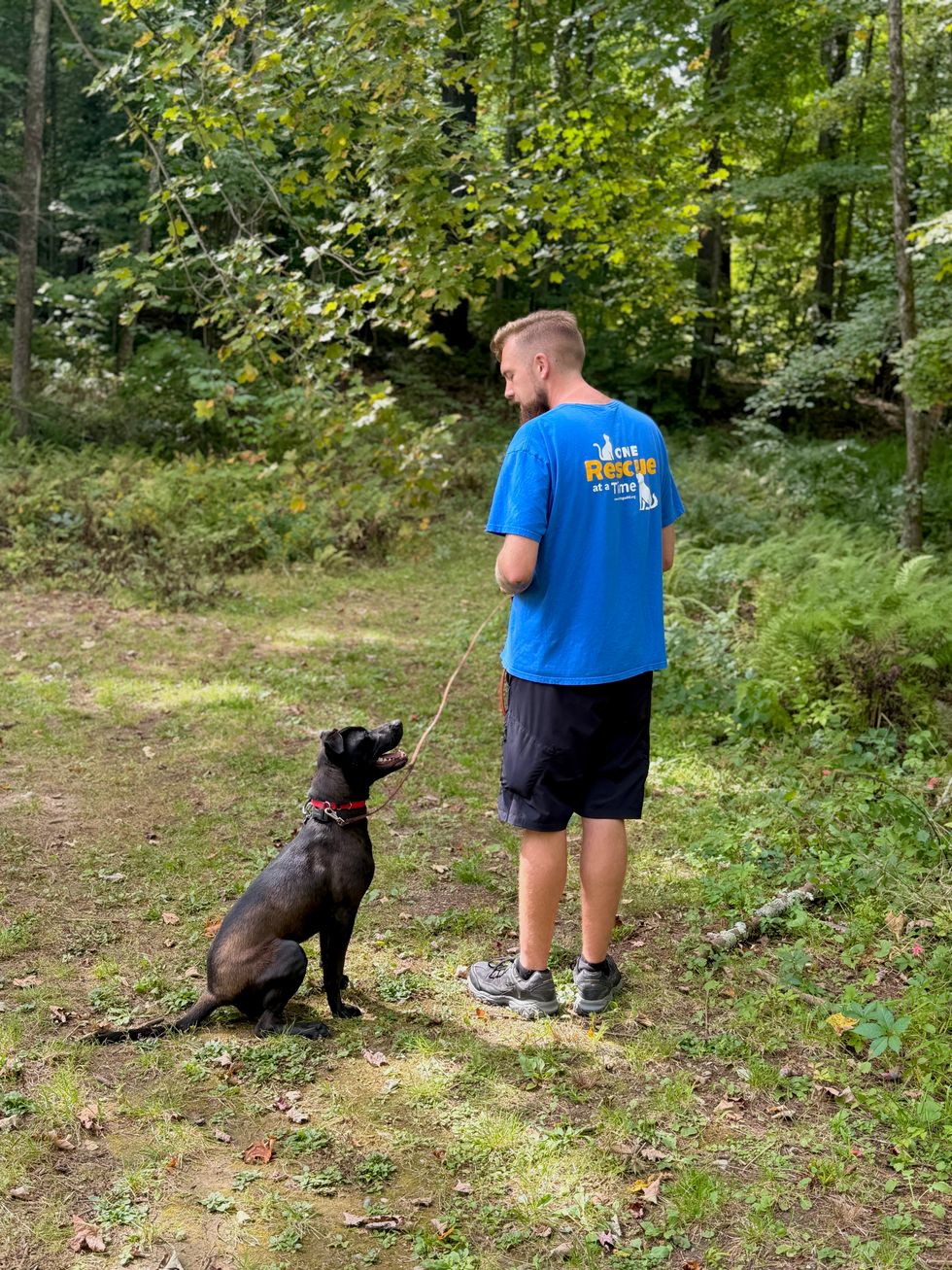 Michael DeBarba, certified dog trainer working with Marsala.Jennifer Almquist
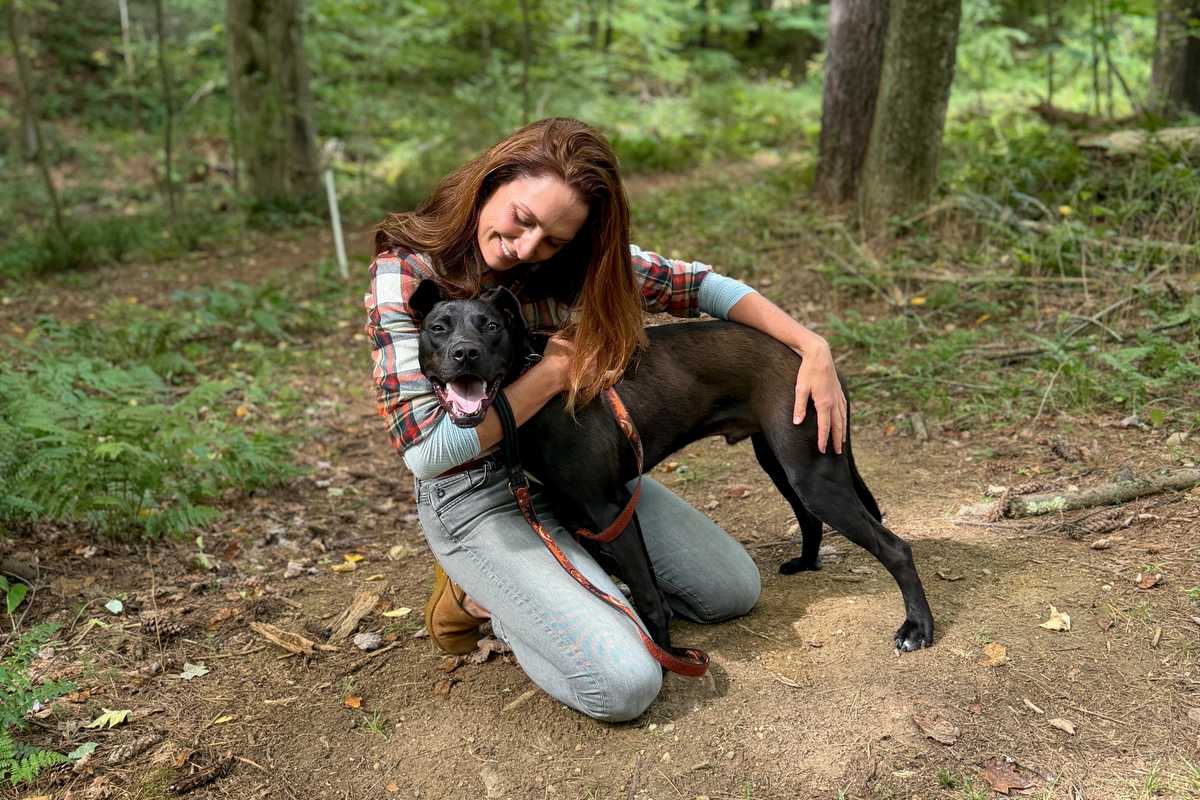 Marsala wins a heart.Jennifer Almquist
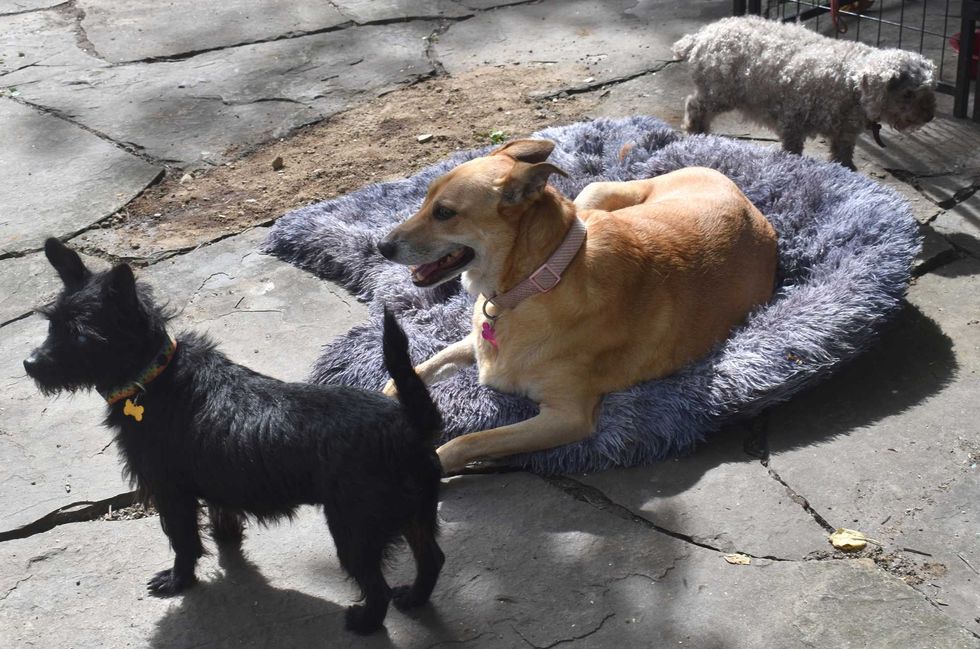 Sadie, center, a Carolina dog, plays with her friend Negra, a terrier mix. Bella Linda, the small poodle, has since been adopted.L. Tomaino
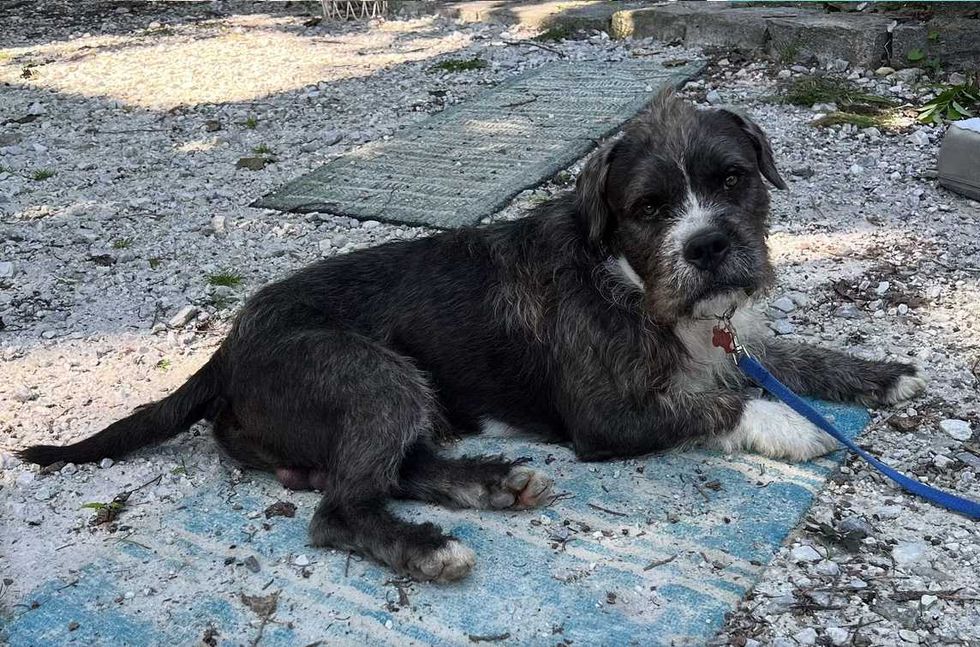 Wesley, a young, exuberant mix, is looking for an active home.L. Tomaino
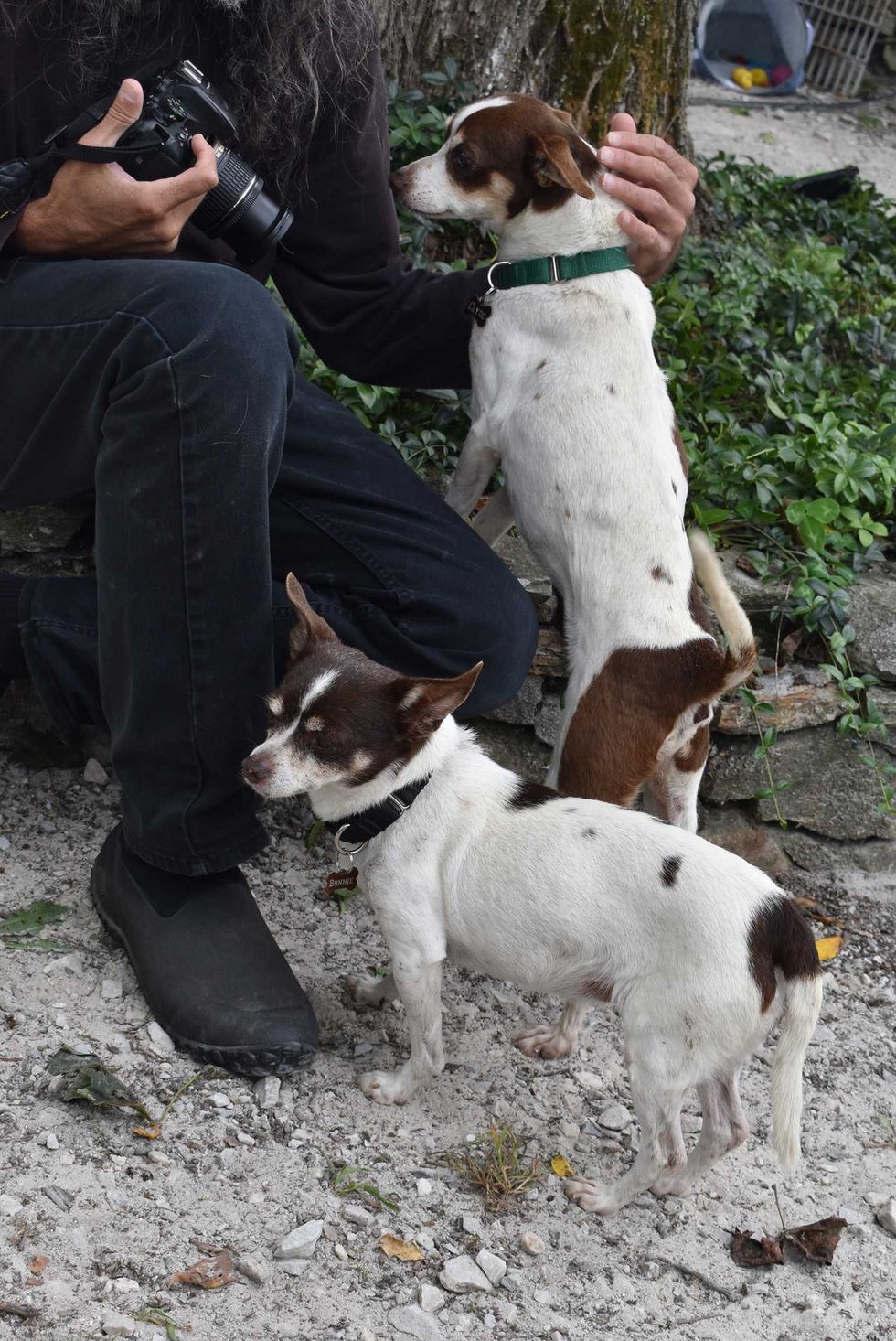 Bonnie and Clyde, an affectionate terrier pair.L. Tomaino