MILLERTON — Go into any historical society’s archives and you will find many ways to document the story of your community — news clippings, books, diaries, business records and photographs.
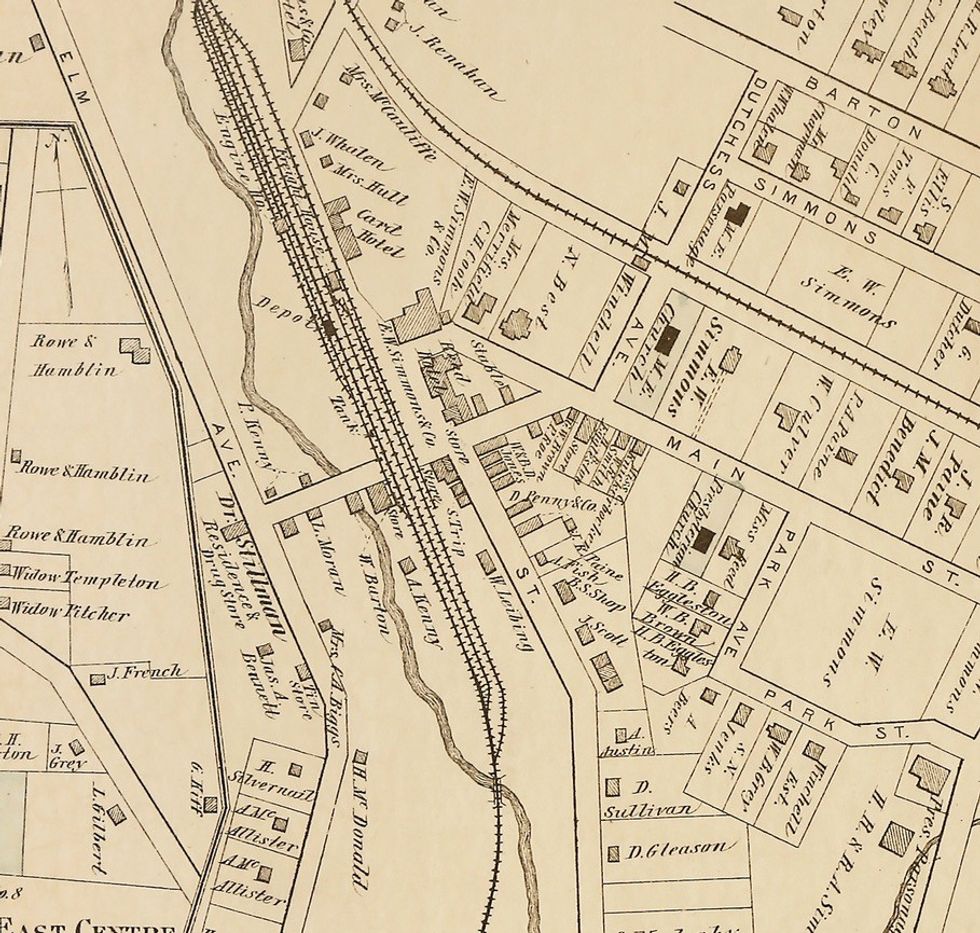
Another way is through maps, which show not just the geography but also reflect the businesses, transportation networks and families that settled in a particular location.
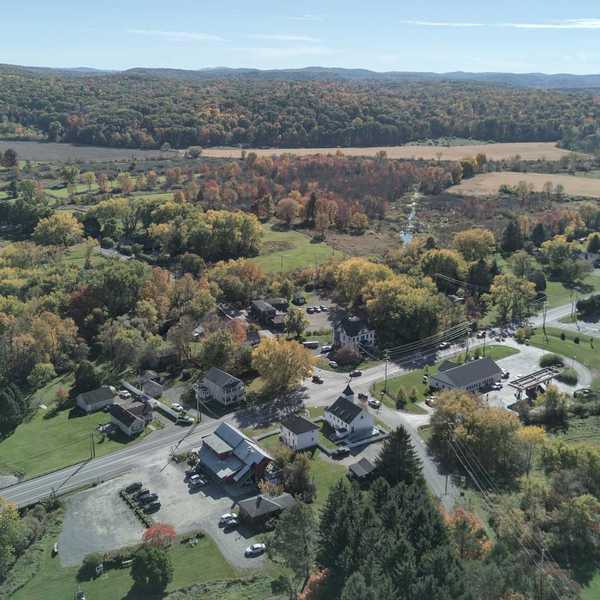
The North East Historical Society is offering an exhibit through the month of November titled “Understanding Local History Through Maps,” at the NorthEast-Millerton Library, 75 Main St. Representations of a dozen different maps will outline the story of the development of the Town of North East from Colonial times into the 21st century.
The maps include important Sanborn fire insurance maps from the late 19th and early 20th centuries, which show specific businesses in Millerton and reflect how the village grew over time. Other maps show where Indigenous people lived, where the first land patents were awarded by New York’s Colonial British governor, and how the first geopolitical borders of precincts—the predecessors of townships—developed.
After the Town of North East was created as a separate entity in 1788, later 19th-century maps show the impact of the railroads on commerce and the development of the Village of Millerton and the town’s numerous hamlets. Other maps show the terrain and agricultural soils so key to the town’s ability to sustain its agricultural heritage.
In addition, two modern maps show off the town’s two historic districts that are on the National Register of Historic Places as well as on New York’s own registry.
The exhibit is open during library hours from 11 a.m. to 6 p.m. Tuesday through Friday and from 10 a.m. to 3 p.m. on Saturday.

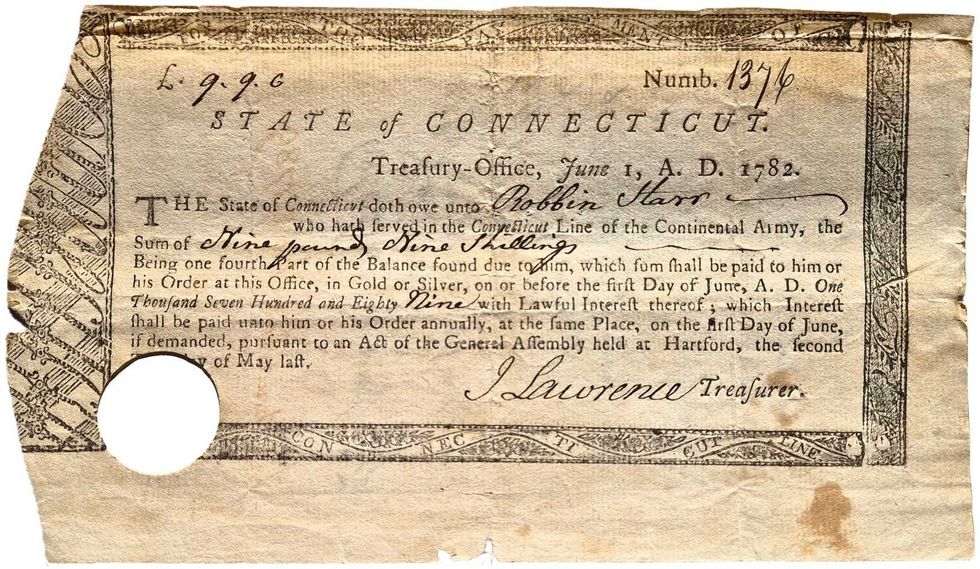 Pay Bill for Robin Starr’s service in the Continental Army.Courtesy the Alex Breanne Corporation
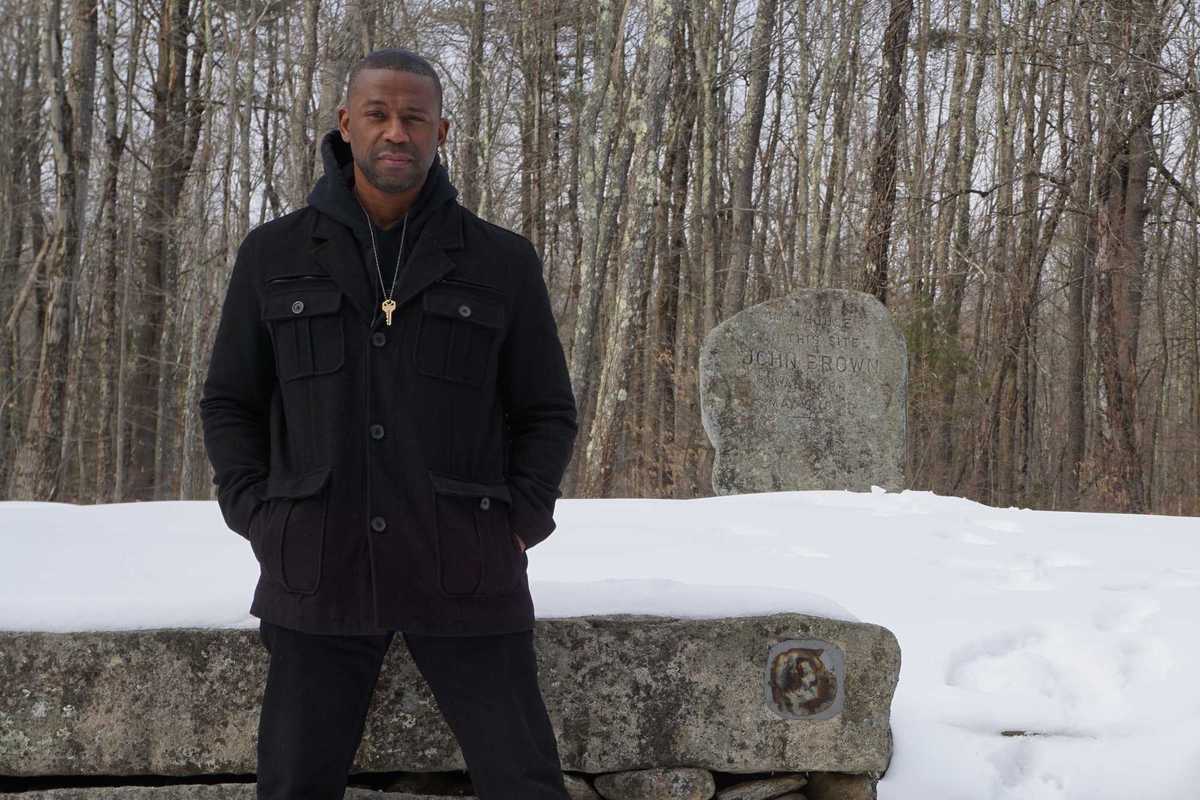
 John Mills speaking at Quinnipiac University.Courtesy the Alex Breanne Corporation
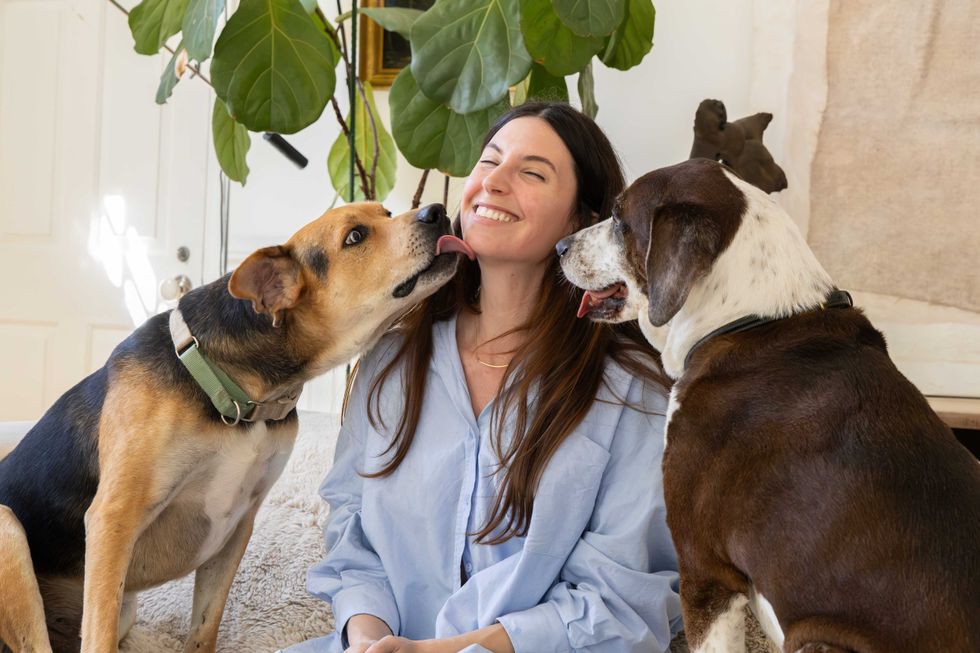 Stephanie Saetta,with her rescue dog George and Blue (left), a shepherd mix awaiting his forever home.Madi Long