MILLERTON — A unique home renovation on State Line Road is joining the ranks of thousands of buildings across the U.S. that use little to no energy for heating and cooling.
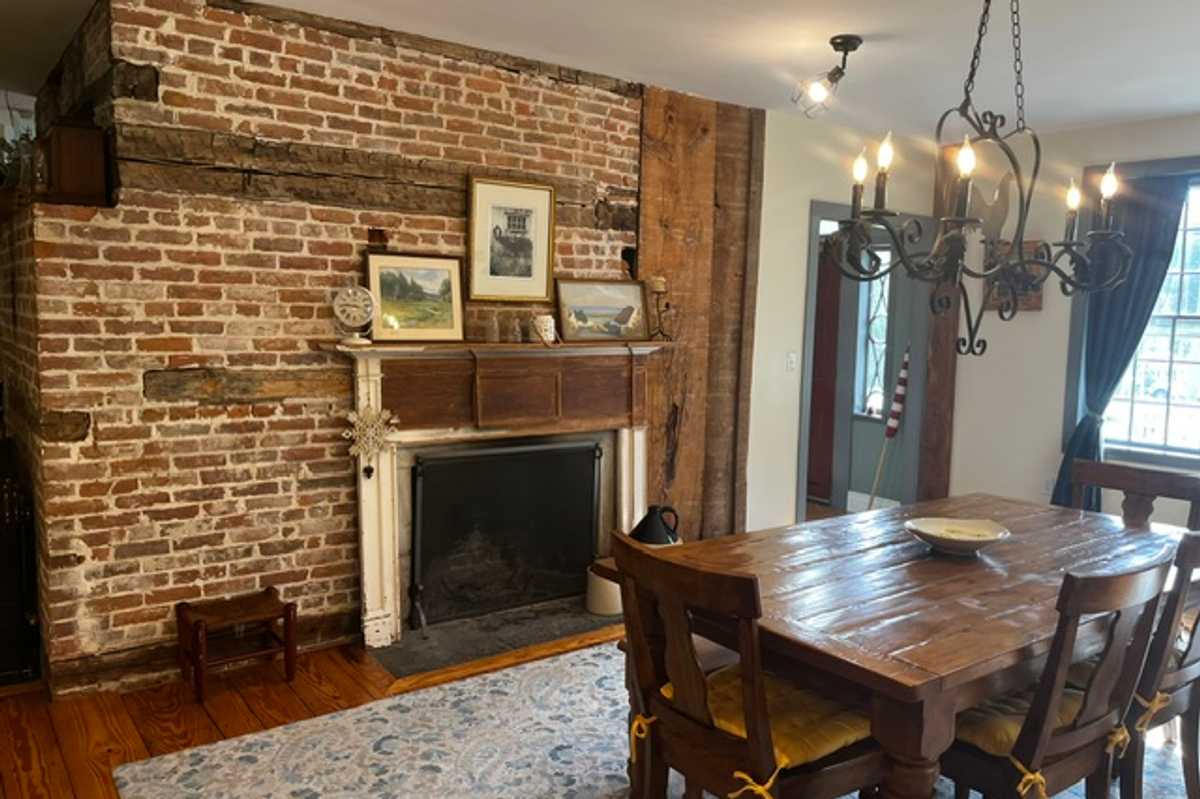
Wendy Hill’s home on State Line Road, which she rented for 10 years before buying the property and embarking on the renovation in January 2025, will be a Passive House Institute US-certified “Passive House” once renovations are completed in the coming weeks.
Passive houses are buildings that rely on thick insulation as well as heat from the sun to cut down on energy costs. The concept was developed over the past 50 years as advancements in insulating building materials allowed for more efficient construction that uses little to no energy to maintain comfortable temperatures.
Hill’s home is a standout from the typical passive house, primarily because of her decision to retrofit an existing home rather than build new.
But Cole Shapiro and his Kingston-based boutique contracting firm Building House took on the task, implementing a modern take on a two-story Cape Cod-style design with a basement garage utilizing the existing foundation.
Shapiro led a presentation on the construction of the home and discussed some specifics about passive home building at an open house at Hill’s home on Saturday, June 20.
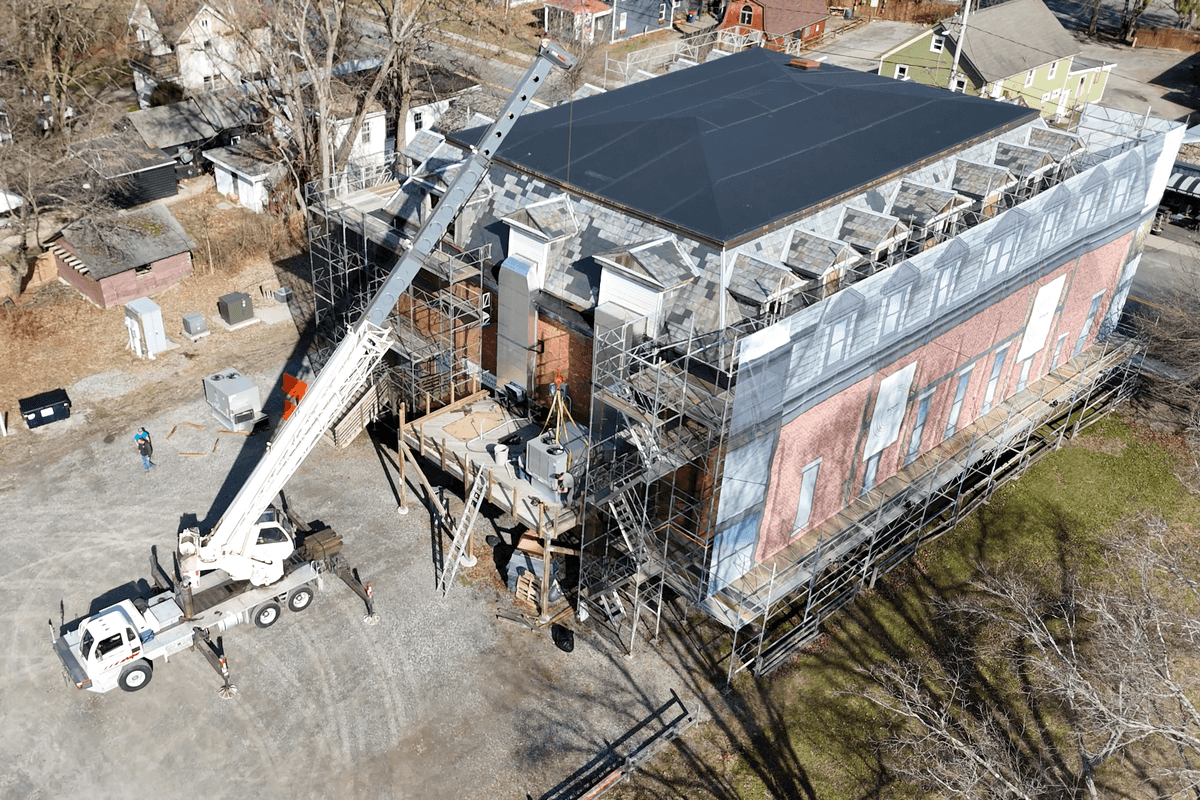
The retrofit required the original home — built in 1992 — to be torn down to its studs and the roof removed so the entire structure could be rebuilt to passive house certification standards, Shapiro said.
“This is our first retrofit,” Shapiro said. “Good bones, a little rundown.”
From there, with nothing but the existing foundation and timber studs where the house used to stand, Shapiro’s crew began building up the walls, installing new windows and eventually building a brand new roof.
Shapiro joked with attendees, saying that the site of the nearly-demolished house was a shock in early construction.
“No matter how good you are as a builder at setting expectations with your client, nothing prepares them for this,” Shapiro said. “There was probably a lot of tears during those early days.”
The walls and windows are important aspects of a passive house build, Shapiro explained. The structures must be airtight to minimize heat loss as much as possible. Walls also have to be much thicker than typical, and are packed with high-efficiency insulation and membranes that allow moisture to escape the structure while trapping air and heat.
The windows and doors used in the build resemble vault doors, with thick frames and a flanged shape that locks in air. Passive houses are required to be essentially air-tight because leaks contribute the most to heat loss in a structure.
Passive houses seek to address this issue by sealing the building and using special air circulation systems that release stale air and ingest fresh air from the outdoors. Hill’s house uses what’s known as an “energy recovery ventilator,” or ERV, to ventilate the home without compromising heating efficiency.
ERVs transfer moisture and heat between the expelled inside air and ingested outside air, allowing fresh air to enter the home without compromising the home’s other heat-trapping measures.
The build process wasn’t entirely straightforward, Shapiro said. One hurdle was the electrical and plumbing work that Shapiro said poked holes in the house’s airtight seal and caused unacceptable air leaks. Crews had to conduct tests and patch holes to fix the leaks and bring the house into compliance with passive house certification standards.
“Our plumber-slash-electrician just could not understand what an air barrier was,” Shapiro said. “And I think at some point seemed to be making a sport of turning our air barriers into Swiss cheese.”
Airtight design requirements still allow for homeowners to open their doors and windows to let in a nice breeze, which Hill demonstrated at the open house by letting in a gentle summer breeze.





 Tiffany Lemelin, shelter manager, brushing Marsala upon arrival.Provided
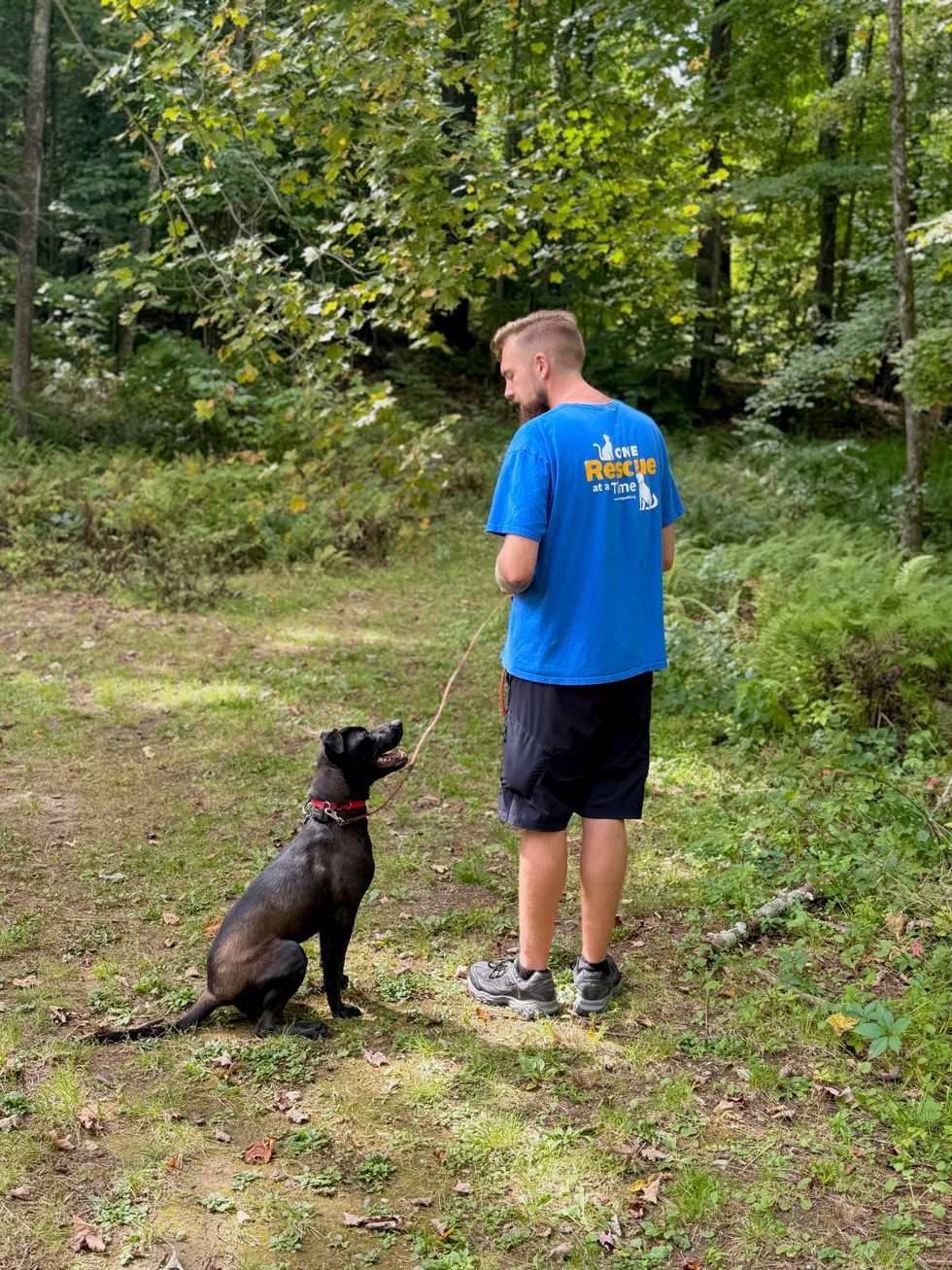 Michael DeBarba, certified dog trainer working with Marsala.Jennifer Almquist
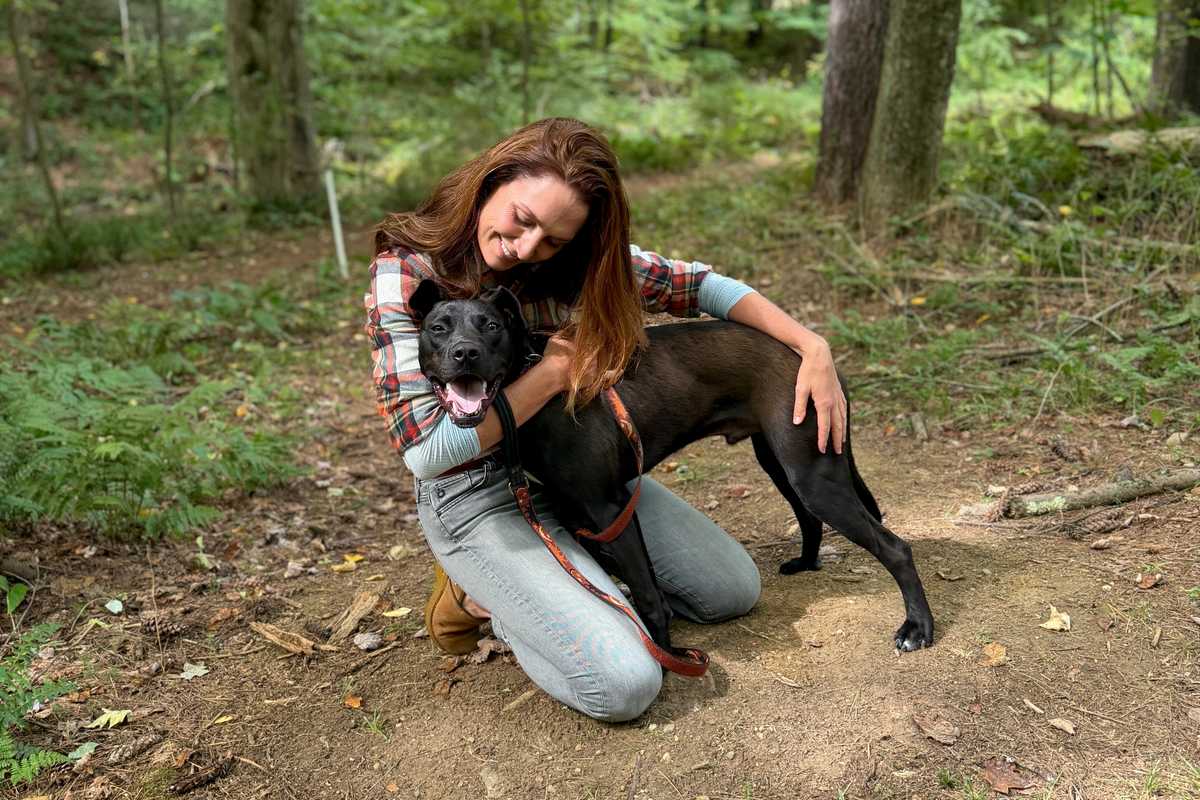 Marsala wins a heart.Jennifer Almquist
 Sadie, center, a Carolina dog, plays with her friend Negra, a terrier mix. Bella Linda, the small poodle, has since been adopted.L. Tomaino
 Wesley, a young, exuberant mix, is looking for an active home.L. Tomaino
 Bonnie and Clyde, an affectionate terrier pair.L. Tomaino