Thank you!
Your gift keeps The Millerton News in our towns.

A rare look inside Connecticut’s Colonial-era homes

A rare look inside Connecticut’s Colonial-era homes

The Hollister House, aka Whitbeck Estate, is believed to have been built circa 1780.

Provided

For anyone who has ever stopped to admire an old house and wonder what it looks like inside, HisTOURy’s Colonial Home Tour on June 20 offers a rare opportunity.

The four-hour guided tour will take participants inside four private colonial-era homes in Salisbury and Falls Village while highlighting another 20 historic properties along the route. Presented as part of HisTOURy’s series marking America’s 250th anniversary, the tour explores the architecture and history of northwestern Connecticut’s colonial settlement period.

Allison Casazza, HisTOURy’s tour research and production manager, said selecting homes involves a combination of research and experience.

“We have really well-trained eyes to say, ‘I think this would be a good house,’” she said. “And then we approach the homeowners and take it from there.”

Interior stops include the Samuel Robbins House, considered one of Falls Village’s finest examples of Federal-style architecture, and an 18th-century home once occupied by the sister of Noah Webster. The homes featured on the tour represent several architectural traditions from the colonial era, including vernacular farmhouses, Cape Cod houses and Federal-style dwellings.

“There’s a lot of symmetry in colonial architecture,” Casazza said. “The homes are much simpler in terms of how much ornamentation you can expect on them.”

Many of the architectural forms brought by settlers from England and Holland evolved in response to local conditions, she explained.

“They were bringing the styles that they knew,” Casazza said, “and then adapting them to local needs based on available materials and the harsher climate of the Northeast.”

Founded by preservationist Georgette Blau, HisTOURy focuses on cultural heritage tourism and historic preservation. The tours combine architectural history, local history and discussions about preservation with the opportunity to visit buildings that are rarely open to the public.

“What we do would fall into the category of cultural heritage tourism,” Casazza said. “We’re talking about these historic things with the purpose of promoting how much people understand them, how much people appreciate them, and hopefully planting the seeds to keep them thinking about preserving these places.”

The homeowners themselves are often part of the experience. Casazza said many participate simply because they enjoy sharing the homes they have restored and maintained.

“They’re all wonderful people that are just excited about living in a historic home,” she said. “They love it so much that they want to show it to a bunch of strangers.”

When homeowners are present, visitors hear firsthand about restoration projects, maintenance challenges and daily life in centuries-old houses.

“It means a lot to hear from them,” Casazza said.

The Colonial Home Tour runs from 2 to 6 p.m. on June 20. Information and tickets are available at histoury.org

Latest News

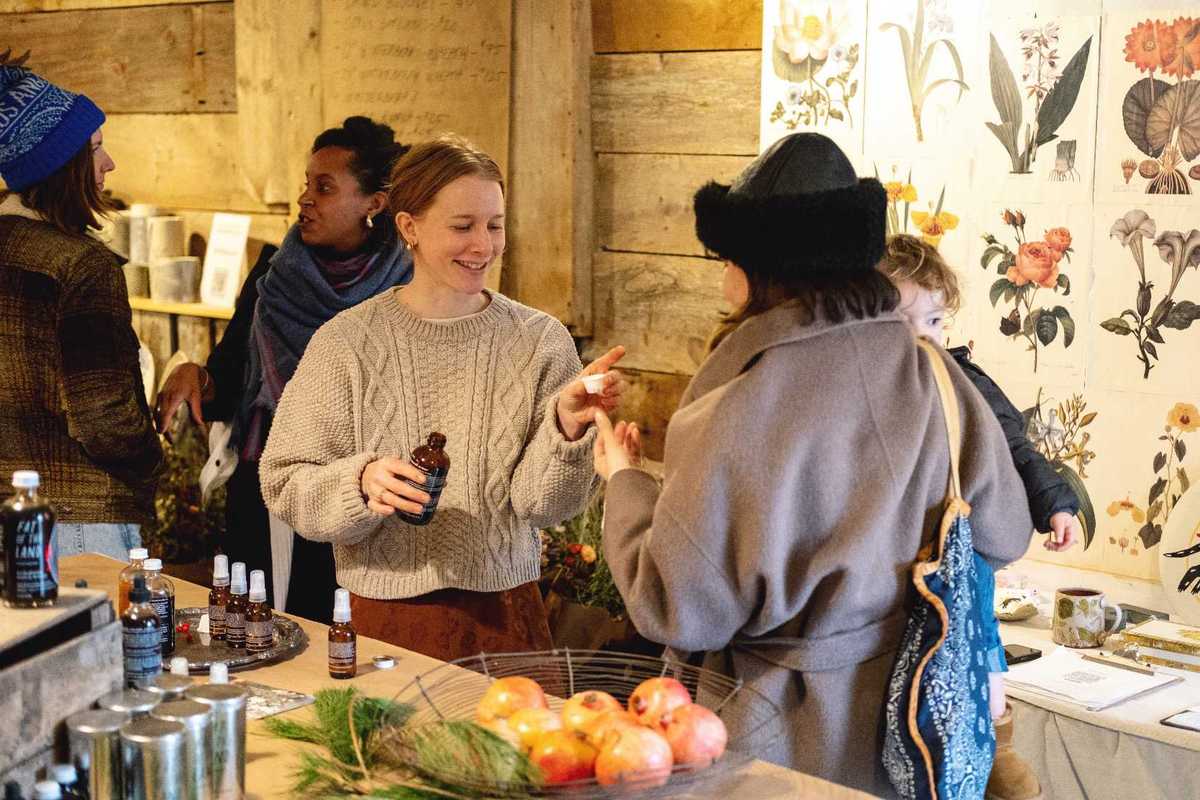
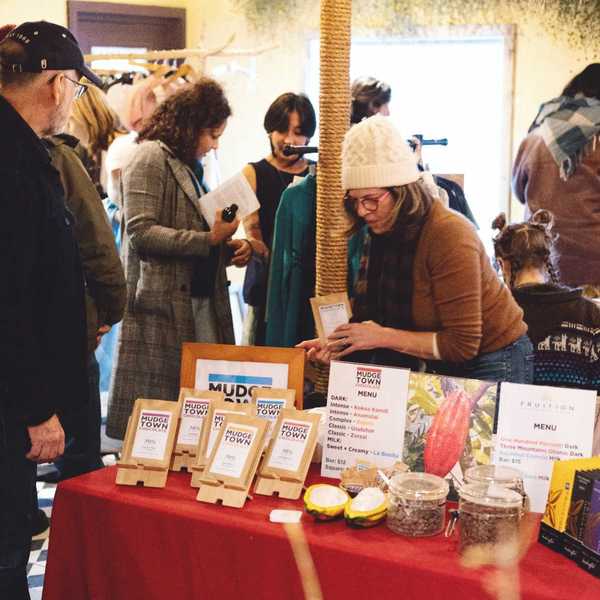
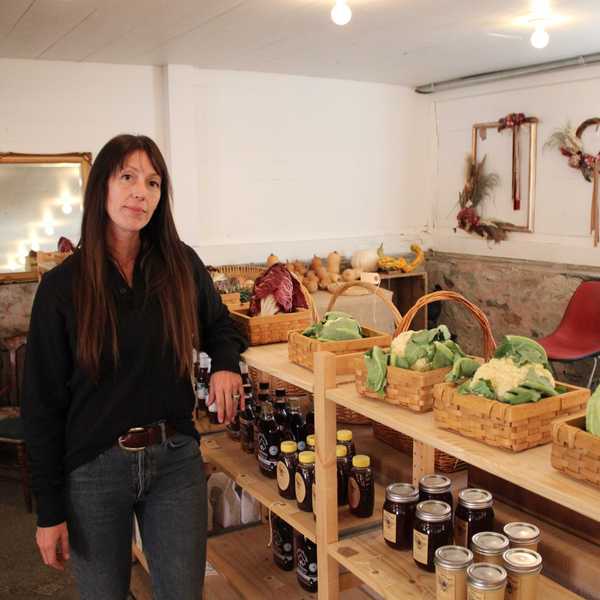
Farm & Friends: a holiday market that gives back

The Farm & Friends holiday market returns Nov. 21 and 22, featuring local makers, food producers and seasonal gifts.

Provided

According to PBS, “More than 5 million people have lost their Supplemental Nutrition Assistance Program, or SNAP, benefits since President Trump’s so-called One Big Beautiful Bill passed last year.” Combined with rising costs and new eligibility requirements, these cuts have placed additional pressure on families struggling to make ends meet. As more people turn to food banks and pantries for assistance, local farms are playing an increasingly important role in meeting that need. Hungry Reaper Farm in Morris, for example, supplies food and CSA shares to a variety of nonprofit organizations and schools.

In Dutchess County, The Webatuck Valley Farm Collaborative is working to strengthen the pipeline from farms to foodbanks. Led by Rock Steady Farm, Sweet Freedom Farm and Wildseed Community Farm and Healing Village, the collaborative hopes to double the infrastructure capacity for at least 15 local farms. This will allow them to increase supplies for food pantries and regional schools while expanding the farms’ reach to industrial buyers and distributors. By their estimation, the food hub “will supply and impact 9 school districts, 13 food pantries, and partner with 6 institutional buyers and 8 aggregators and distributors.”

Keep ReadingShow less
google preferred source

Want more of our stories on Google? Click here to make us a Preferred Source.

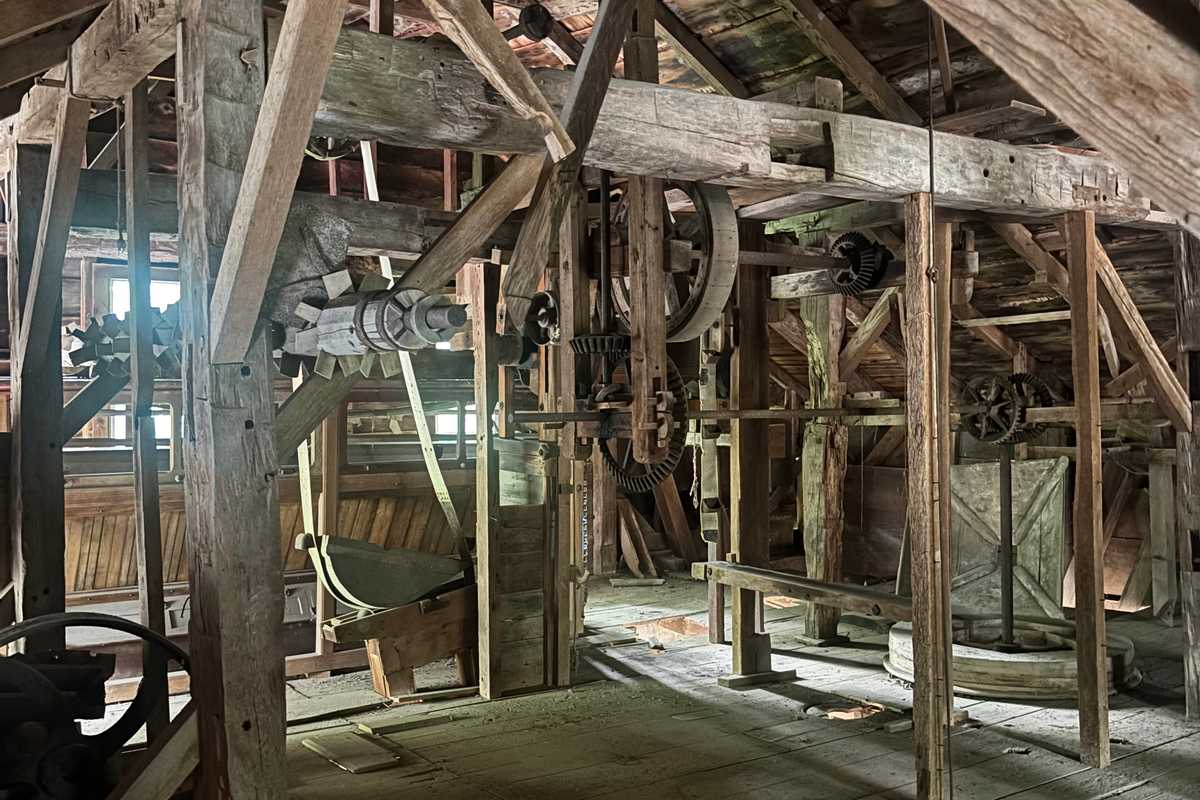
Under the big top at Full Circus Farm

Under the big top at Full Circus Farm

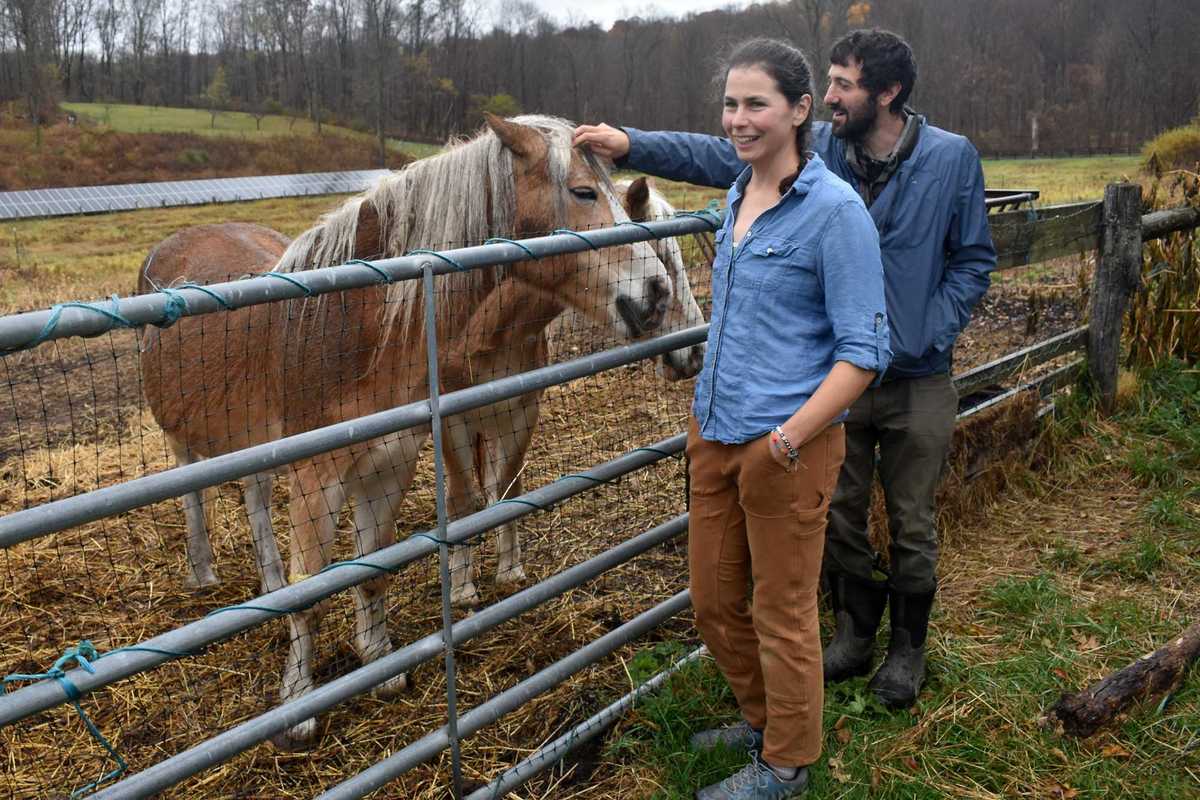
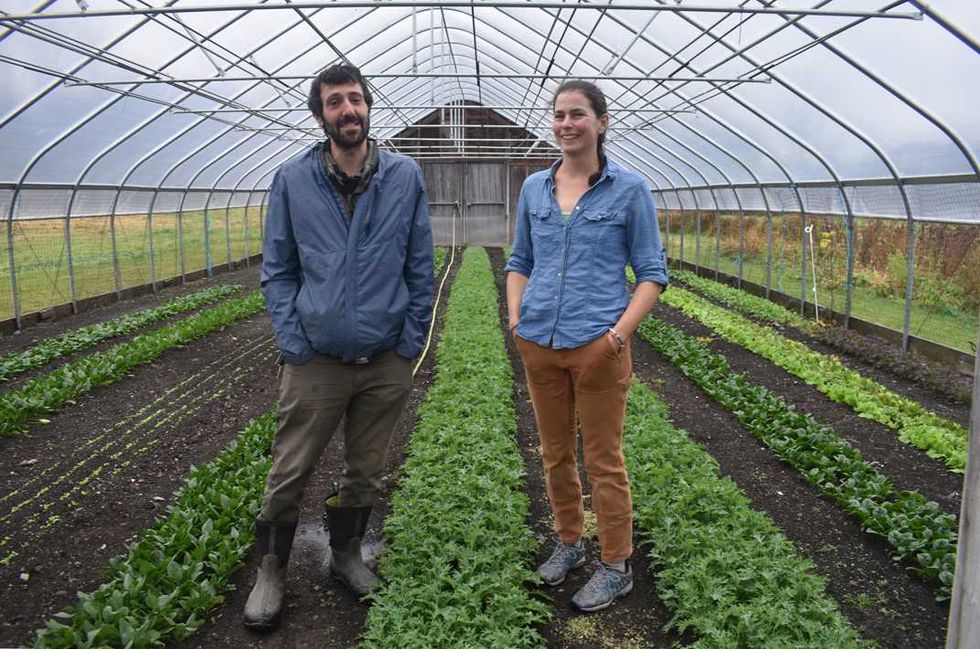
Miriam Goler and Mark Stonehill with their Haflinger horses, Sunshine and Sandy, at Full Circus Farm in Pine Plains.

L. Tomaino
We share this farm with such amazing human and nonhuman neighbors.
— Mark Stonehill

For Mark Stonehill and Miriam Stonehill Goler, the founder of Full Circus Farm in Pine Plains, farming has always been about more than what comes out of the ground.

“From the very beginning, we’ve envisioned the farm as a place not only for food production, but also merriment and community,” they said.

Keep ReadingShow less
At Ancram Center, community takes center stage
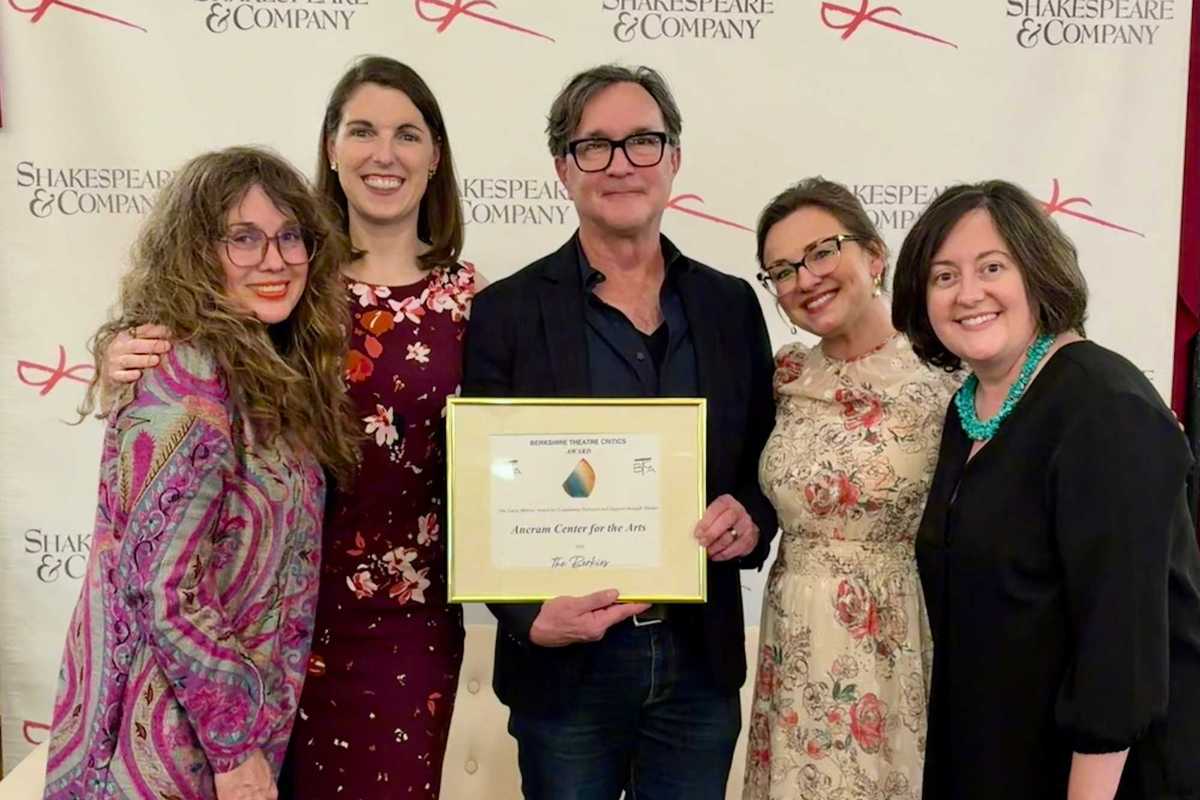
Ancram Center staff and teaching artists after the ceremony.From left to right,Simone Stevens, Sarah Katan, Jeffrey Mousseau, Erin Krom and Chris McCoy.
Provided

At the Ancram Center for the Arts, the stage has been host to numerous award winning professional actors, but it also often belongs to a neighbor with a story to tell. Other times, the performance moves out of the theater altogether, transforming a pond, a field or a corner of town into a stage.

That commitment to bringing theater into the community — and the community into the theater — has earned the Ancram Center the Larry Murray Award for Community Outreach and Support through Theater, one of the Berkshire Theatre Critics Association’s annual Berkie Awards.

Keep ReadingShow less

Social justice songwriting fall retreat

Social justice songwriting fall retreat

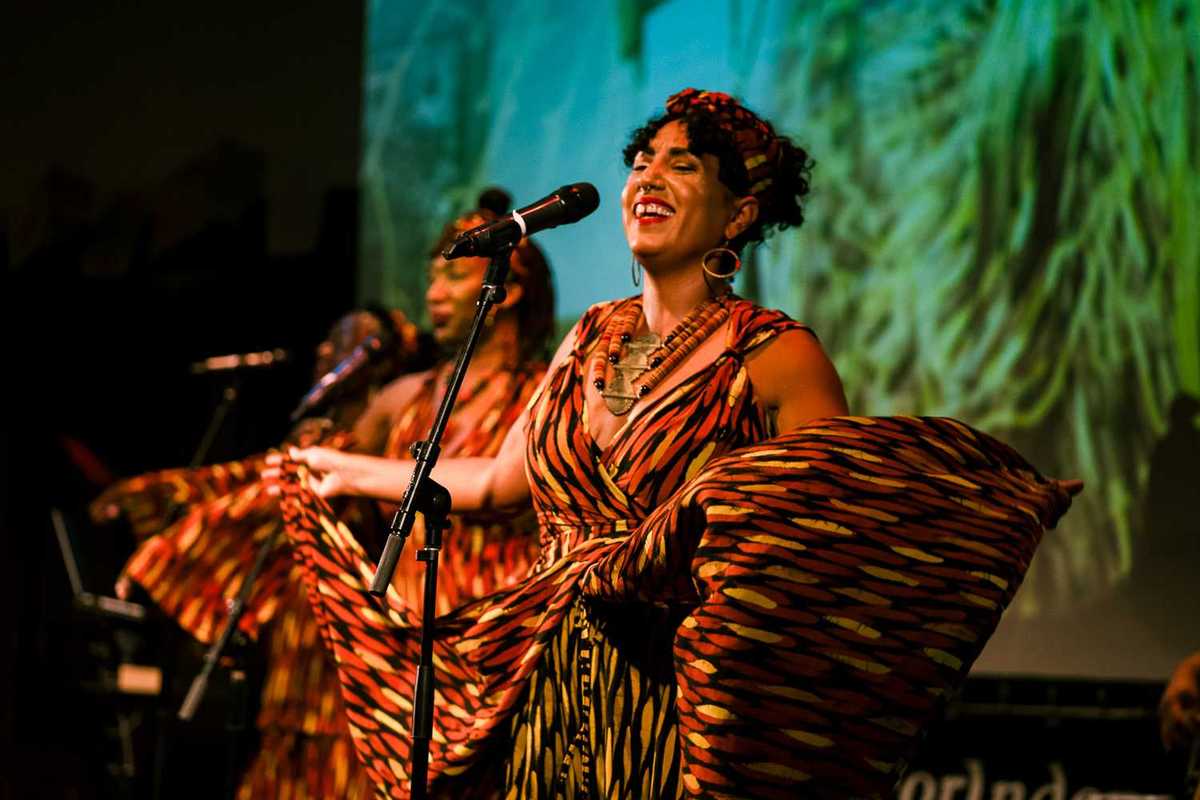
Singer, songwriter and activist Taína Asili leads a social justice songwriting retreat Nov. 20-23 at Soul Fire Farm in Petersburgh, N.Y.

Provided

Music has long been a powerful tool for protest, solidarity and social change. From civil rights anthems to contemporary songs of resistance, songwriting has helped give voice to movements and inspire collective action. Singer, composer and activist Taína Asili will explore that tradition during a four-day Social Justice Songwriting Retreat, Nov. 20 to 23, at Soul Fire Farm in Petersburgh, New York.

The retreat comes amid a renewed interest in collective singing as a form of activism. Organizations such as Singing Resistance are bringing people together across the country to use songs as tools for solidarity, nonviolent resistance and community building. The movement draws on the long history of music in social justice struggles, emphasizing the power of singing together to overcome fear, strengthen connections and inspire collective action.

Keep ReadingShow less
google preferred source

Want more of our stories on Google? Click here to make us a Preferred Source.

google preferred source

Want more of our stories on Google? Click here to make us a Preferred Source.