Thank you!
Your support is sustaining the future of local news in our communities.

In honor of Black History Month: Memories of a fraught past

Decades ago, as a young reporter on the Mason-Dixon line, I was assigned to cover an address by Julian Bond, an iconic leader of the Civil Rights movement who was fighting in the Supreme Court to take his duly elected seat in the Georgia State Legislator. While still too young to run for the presidency, he was widely recognized as potentially the first Black candidate for that office.

I can still see him, eyes sharp as they searched the crowd, skin taut and veins throbbing as he worked to keep his expression under control.  It was 1970 and Bond had come to red-neck country to speak to a crowd that mostly did not want to hear his message.

What they mostly wanted to do was stand against him. Given the rumors, some were probably there in the hope that they might see him die that night.

The wind was rife with threats. A phalanx of lawmen had been called out to surround and protect him.  The venue was beyond steamy — a combination of the sweat of hundreds of bodies and the hot rain that had pelted everyone who had entered.

Despite the warnings of my editor and my own common sense which also told me to keep my distance and my wits about me, I found myself elbow to elbow with him as his circle of guards pushed us through the masses and propelled him toward the podium.

I wasn’t surprised by the grim expressions on their faces. This was, by all reports, a dangerous evening. But I was astounded to see that behind the watchful, officially protective eyes of some, a deep and angry hatred lurked. Faces projected the message loud and clear: tonight they might need to die for this guy — and they despised him, and they despised his message.

One of them stared straight at us and spit on the ground where the speaker was to walk.

There was a horrendous odor arising from our little circle.  I’d never smelled it before nor since, but clearly it was the scent of fear — sharp, acrid, all encompassing.

As we were nudged even closer together, our eyes locked. His were dark, wide, watchful — filled,  it seemed, with a combination of dread and determination -— with perhaps just a touch of resignation.

I don’t remember the specifics of what was said that night, but I will never forget the courage of the man as he squared his shoulders, gave a little shrug and went forward to speak his mind.

I do wonder what that young man would have said about our nation today.
Latest News

A life reshaped by clay in “Matin”

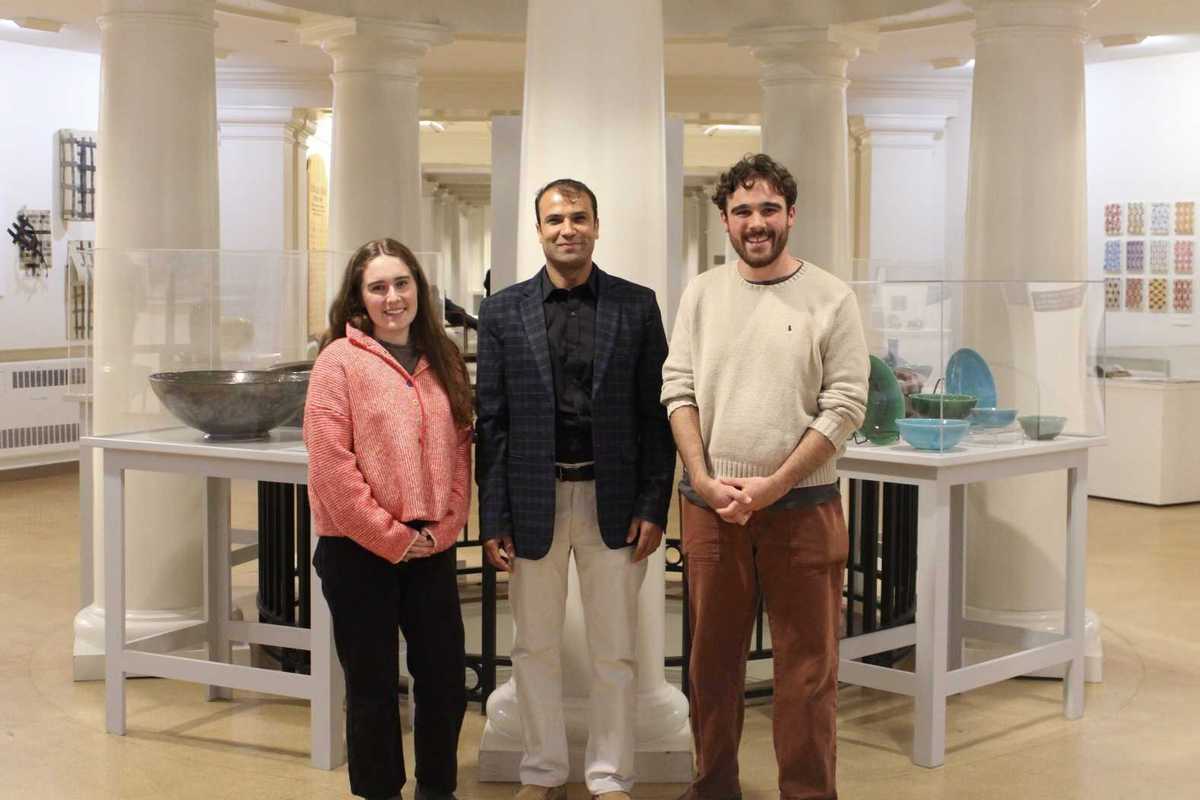
Left to right: Hannah Wheeler, Matin Malikzada and Yonah Sadeh.

D.H. Callahan

On Monday, Oct. 26, a group of students, teachers and local residents gathered at the Hotchkiss School in Lakeville for a screening of the new short documentary “Matin.” The film tells the story of Matin Malikzada, a seventh-generation Afghani potter making a new life in New Milford, Connecticut. The film was made by local filmmaker Yonah Sadeh, creator of the Video Wall at the David M. Hunt Library, and Berkshires-based potter Hannah Wheeler, who were both present for the screening, along with Malikzada himself.

As a member of the seventh generation of his family to master the art of pottery, Malikzada had done things the way his family had for over a century. Istalif, the village where his family has lived for generations, was known throughout Afghanistan for its pottery, with wares sent across the country for use as everyday cups, bowls, plates and other vessels. The pottery-making families of Istalif gathered clay from the same mountain, about 30 to 45 minutes away by donkey. Every July, they would head north toward the Uzbekistan border to gather ishkar, a plant they processed by hand to make their signature glazes.

Keep ReadingShow less
google preferred source

Want more of our stories on Google? Click here to make us a Preferred Source.

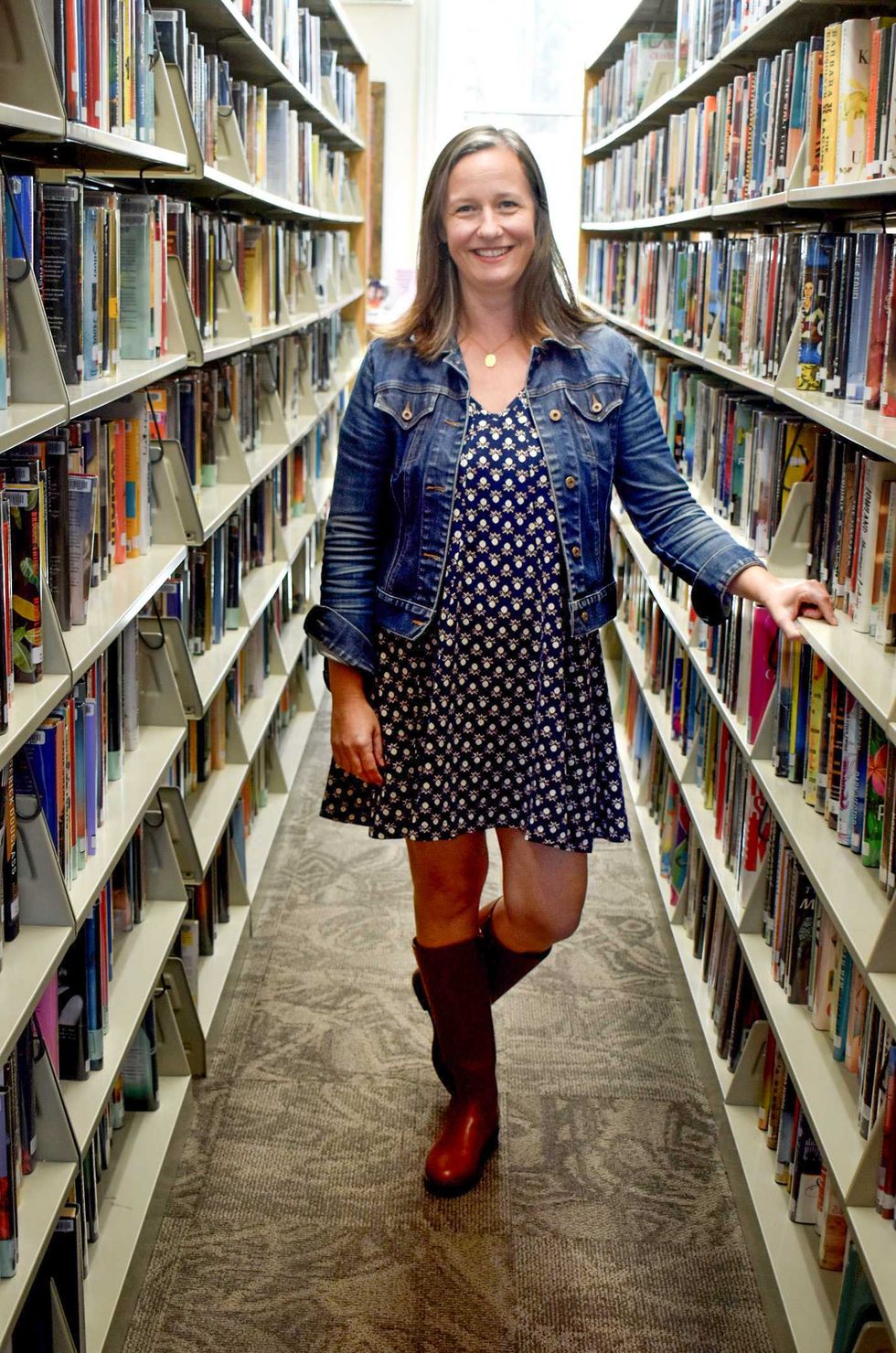
Meg Sher finds her calling among the stacks

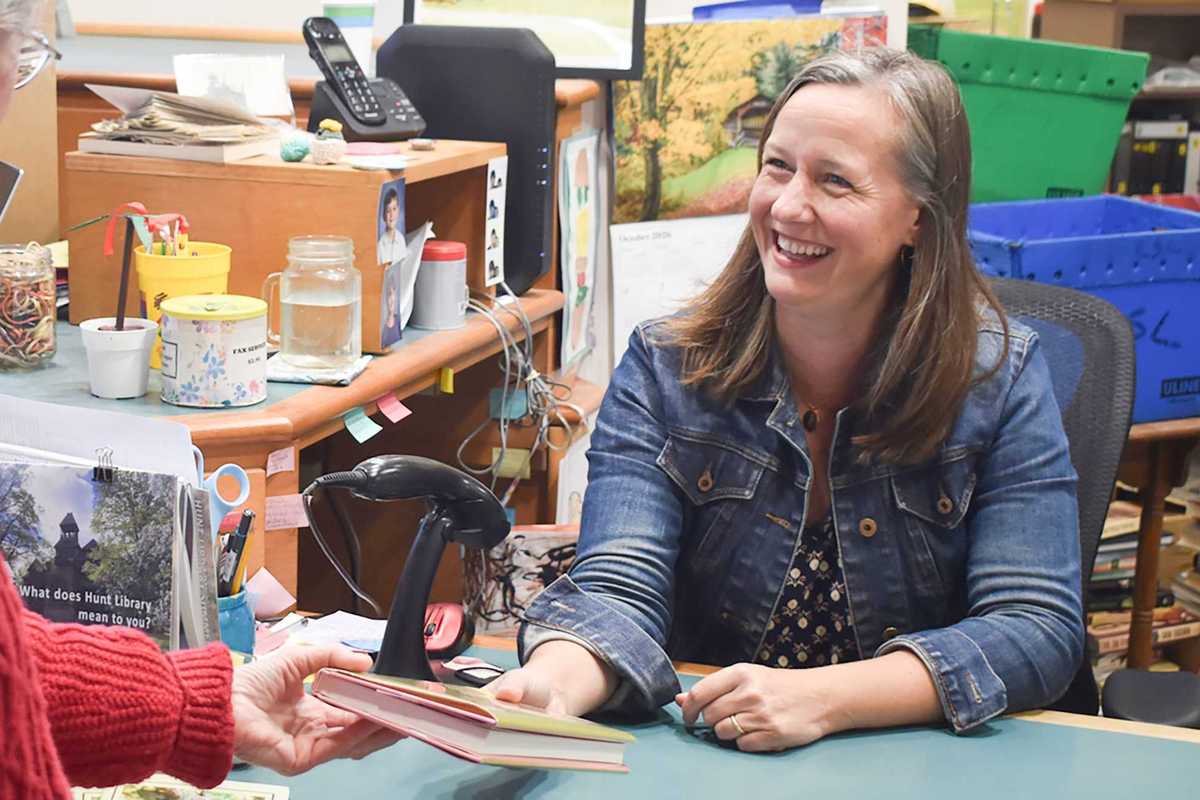
Meg Sher, executive director of the David M. Hunt Library in Falls Village.

L. Tomaino

When Meg Sher came to Falls Village in 2006 from Old Lyme, Connecticut, where she grew up, she never imagined she’d someday be the executive director of the David M. Hunt Library.

Although, in hindsight, perhaps it makes sense.

Keep ReadingShow less
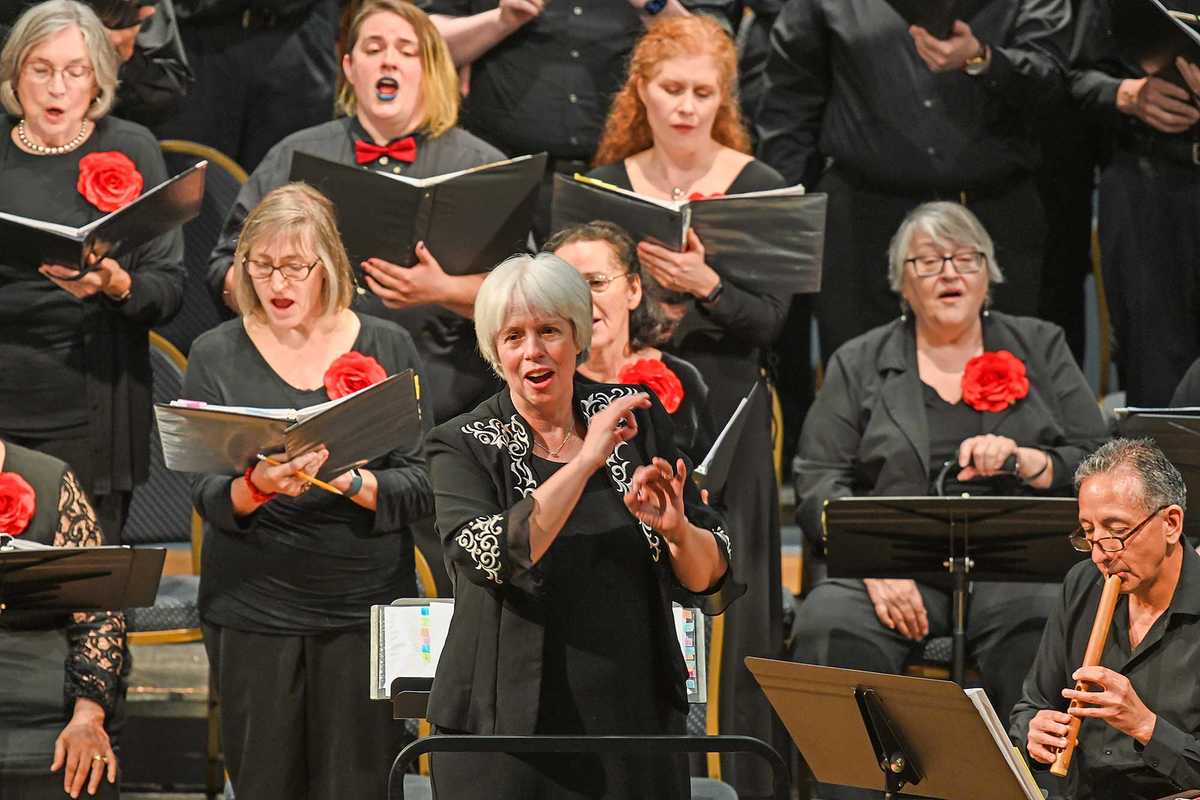
Crescendo’s 23rd season speaks to the heart and mind

Christine Gevert, founding artistic director of Crescendo, conducts the audience at a performance.

Steve Potter

For Christine Gevert, founding artistic director of Crescendo, music from centuries past is anything but a relic. It is a living, breathing art form, full of drama, emotional complexity and, occasionally, surprises. As the regional choral and period-instrument ensemble launches its 23rd season, Gevert is once again bringing forgotten masterpieces into the present.

“Early Music has been my lifelong passion and the focus of my specialization in Europe and South America,” Gevert said. “Bringing this repertoire to our audiences in a nuanced way that does justice to its incredible depth, intensity, and beauty is deeply important to me.”

Keep ReadingShow less
Close Encounters with Music celebrates 35 years of musical discovery

Close Encounters with Music’s 35th season opens with “Saluting the Clarinet” featuring clarinetist Alexander Fiterstein.

Provided

For 35 years, cellist Yehuda Hanani has been inviting audiences to experience classical music in unexpected ways. As founder and artistic director of Close Encounters with Music, Hanani has built a concert series that goes beyond the music itself, exploring connections to literature, history, politics and the human experience.

This year, Close Encounters celebrates its 35th season with “Celebration & Discovery,” a seven-concert series that opens Sunday, Nov. 1, at the Mahaiwe Performing Arts Center in Great Barrington.

Keep ReadingShow less
google preferred source

Want more of our stories on Google? Click here to make us a Preferred Source.

google preferred source

Want more of our stories on Google? Click here to make us a Preferred Source.