Thank you!
Your support is sustaining the future of local news in our communities.

As COVID-19 lingers, deadline for state health insurance extended

NEW YORK STATE — As the state continues to offer supportive services to its residents during the COVID-19 pandemic, uninsured New Yorkers seeking coverage can breathe a sigh of relief as the deadline for the special enrollment period for health insurance has been extended through Saturday, Aug. 15.

Governor Andrew Cuomo made an announcement regarding the extension on Wednesday, July 15, during which time he reported that New Yorkers can apply for coverage through the NY State of Health, the official health insurance marketplace, or directly through insurers. Additionally, under Cuomo’s direction, all New York insurers have waived cost sharing for COVID-19 testing. 

“During these difficult and unprecedented times, access to quality, affordable health care is critically important to New Yorkers’ well-being,” Cuomo stated on the 15th. “While we’re continuing to move in the right direction, we know we’re not out of the woods yet and by extending the open enrollment period we’re making sure New Yorkers who need affordable health care coverage can get it and help keep themselves and their families safe.”

The document, “Mid-Hudson Region Community Health Assessment 2019-2021,” states that, according to a survey of small area health insurance estimates conducted by the United States Census Bureau in 2016, Westchester County held the highest percentage of uninsured individuals in the Mid-Hudson Region at 8% as well as the highest percentage of uninsured adults between the ages of 16 and 64 at 9%. In that same year, the total percentage of uninsured individuals in Rockland and Sullivan Counties was calculated at 7%, followed by Ulster and Orange Counties at 6% and Dutchess and Putnam Counties at 5%. Taking a closer look at Dutchess County, the Census Bureau determined that 6% of the county’s adults were uninsured as were 3% of the county’s children.

Working together with the New York State Department of Financial Services and New York State insurers, NY State of Health has offered itself as a “safety net” to individuals and families seeking health insurance and is taking part in the special enrollment extension “so that individuals do not avoid seeking eating or medical care for fear of cost,” according to Cuomo’s website, www.governor.ny.gov.

Visiting the NY State of Health website at www.nystateofhealth.ny.gov, New Yorkers will find a selection of low cost, quality health insurance options to explore and compare. In order to shop in the marketplace, individuals must live in the state and be a U.S. citizen, national or lawfully present immigrant; however, regulations dictate that different immigration rules may apply if the individual is eligible for Child Health Plus, NYS Medicaid or the Essential Plan based on their income. Other restrictions apply.

Individuals who have lost employer coverage should apply within 60 days of losing their health insurance while individuals who have lost income may be eligible for Medicaid, the Essential Plan, Child Health Plus or subsidized Qualified Health Plans. As published on the governor’s website, individuals who enroll in Qualified Health Plans either through NY State of Health or directly through insurers by Saturday, Aug. 15, will have a choice for their coverage start date on either Saturday, Aug. 1, or Tuesday, Sept. 1. Individuals who are eligible for other NY State of Health programs — including Medicaid, Essential Plan and Child Health Plus — can enroll year-round.

Apply online at www.nystateofhealth.ny.gov, by phone at 1-855-355-5777 or by connecting with a free enrollment assistant on the NY State of Health website. Dutchess County residents can find additional resources on health insurance and health services for the uninsured and underinsured online at www.dutchessny.gov/Departments/DBCH/Health-Insurance.htm.
Latest News

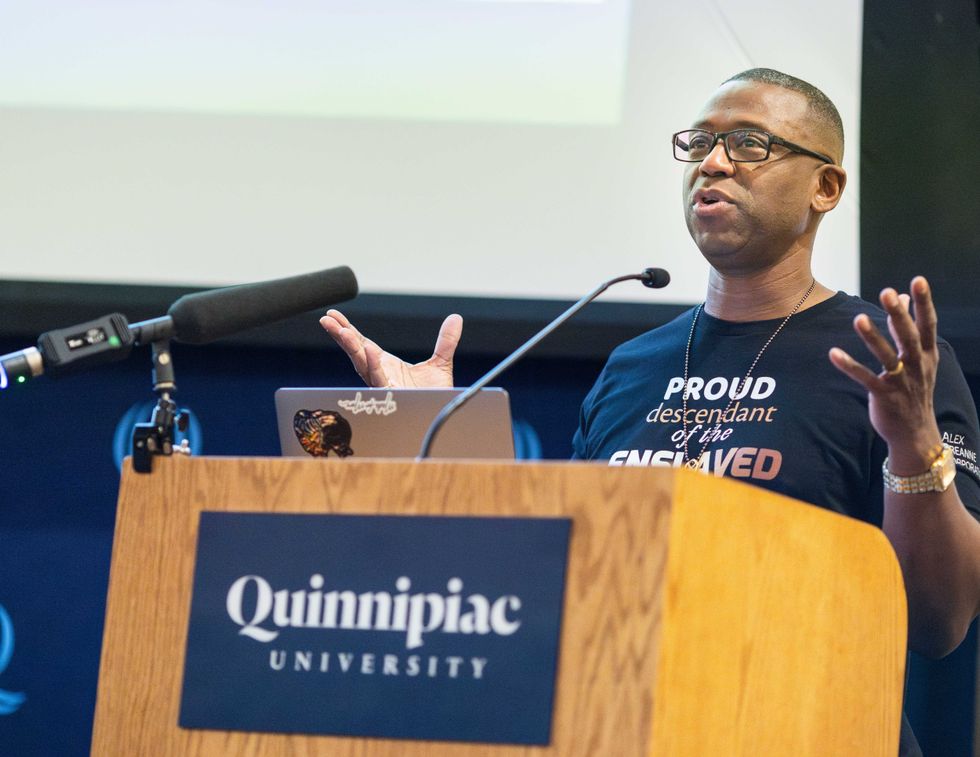
Cornwall Historical Society celebrates Connecticut’s Black patriots

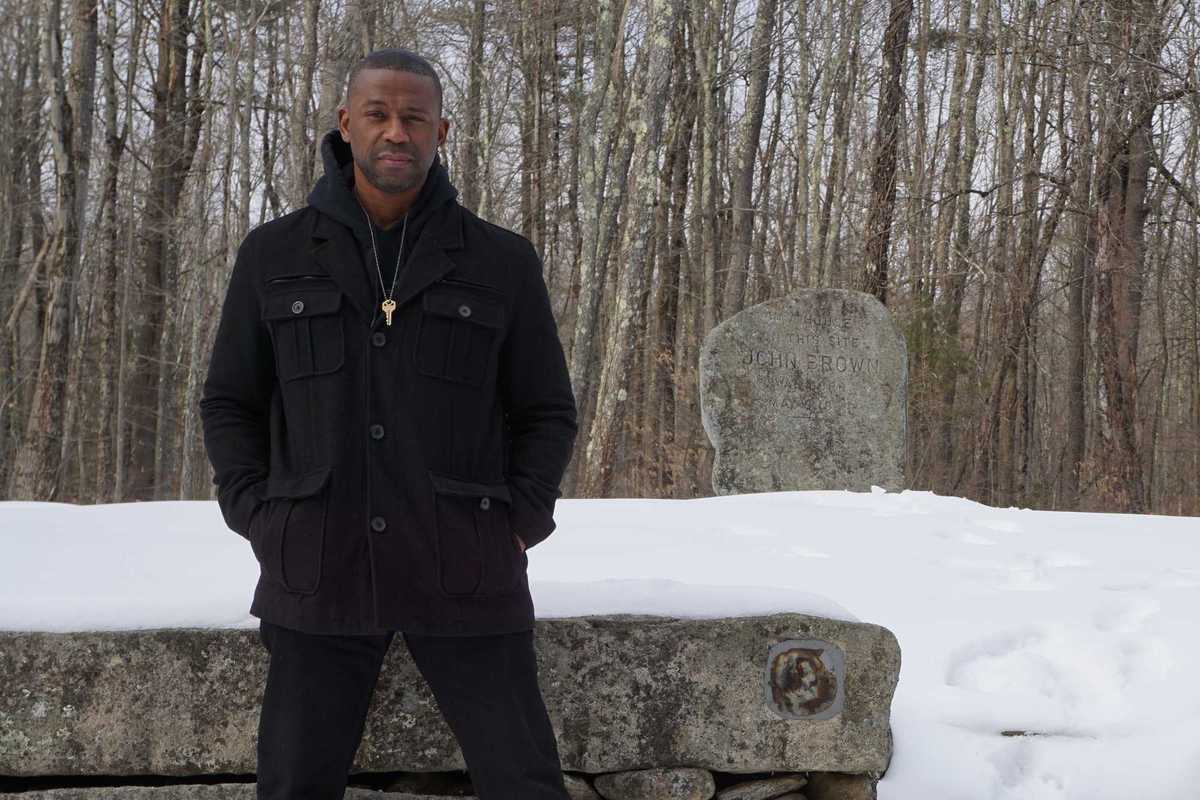
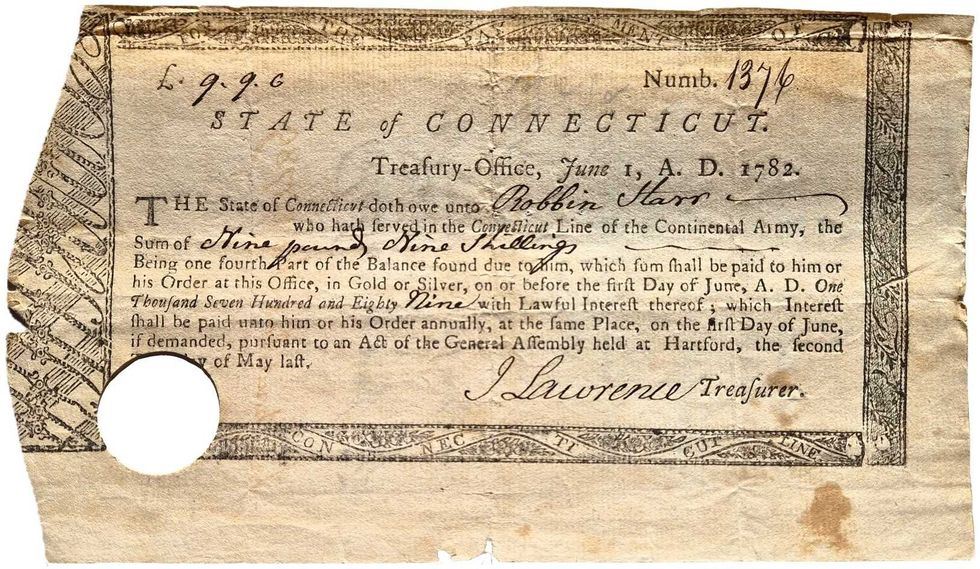
On Saturday, Oct. 24, at the Cornwall Historical Society, author and genealogist John Mills will breathe new life into the stories of some of Connecticut’s more underappreciated patriots. The reason these heroes were forgotten? They were Black.

At a time when white colonists were fighting for their own liberty and political independence, many Black men who fought alongside them remained enslaved. Some risked their lives only to return to bondage. Though enslaved people were promised freedom from both sides of the Revolutionary War in exchange for their service, Great Britain, too, was still deeply dependent on slavery. For Black people in America, the war presented both extraordinary risks and uncertain paths to the freedom that white colonists were demanding for themselves.

Keep ReadingShow less

A sanctuary for second chances

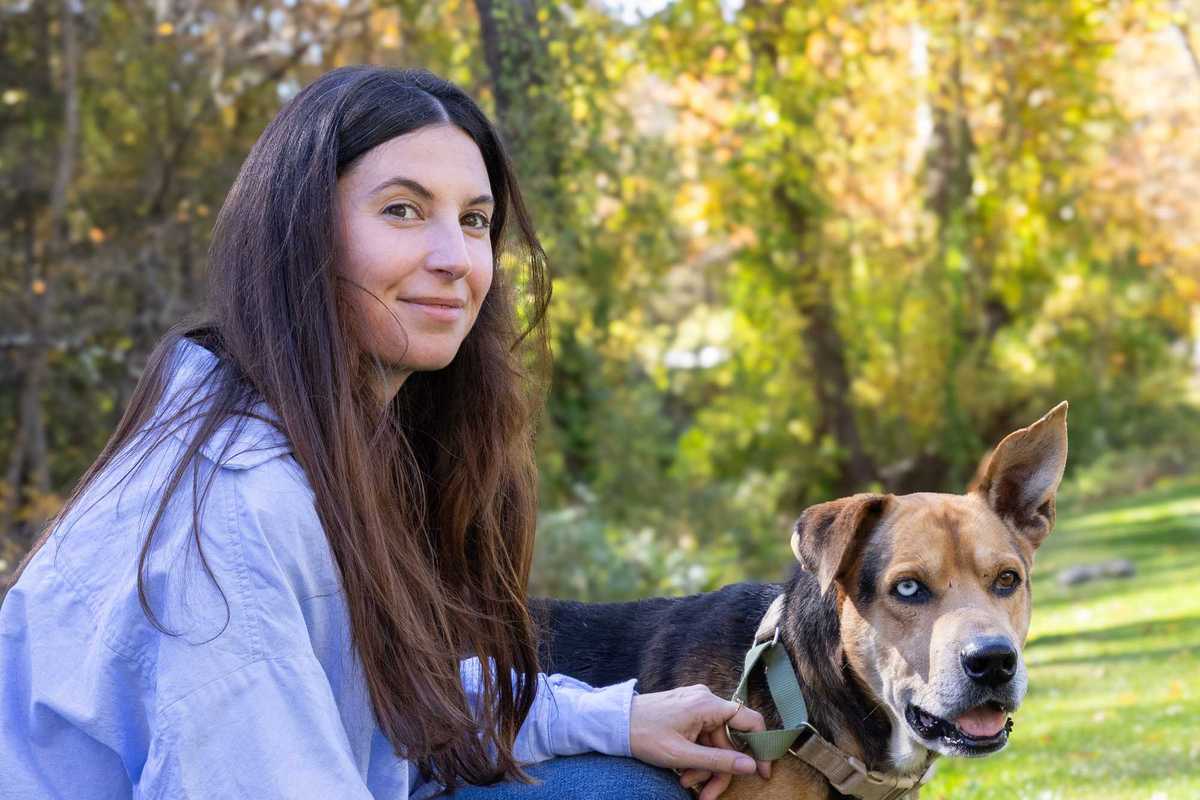
A sanctuary for second chances

Stephanie Saetta runs Charlie Chicken Bones, a sanctuary in Salisbury.

Madi Long
You only get one or two of these soul connection dogs, so I do this in his honor.
— Stephanie Saetta

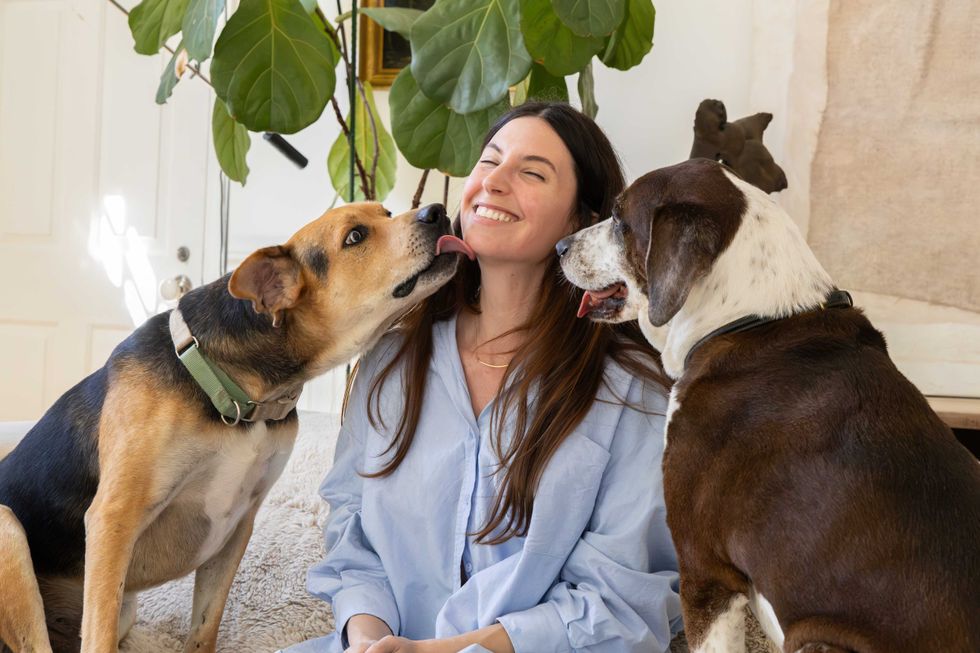
Stephanie Saetta has spent much of her life caring for others. A physician at White Plains Hospital, she has another calling at home in Salisbury — one that has four legs and a wagging tail. She runs Charlie Chicken Bone Sanctuary, a nonprofit dog rescue that brings dogs from overcrowded pounds and the streets of Texas to foster homes in northwestern Connecticut, where they can begin again.

The sanctuary is named for Charlie, the dog who taught her how special a bond between a person and rescue animal can be.

Keep ReadingShow less
google preferred source

Want more of our stories on Google? Click here to make us a Preferred Source.

Big ideas come to Lenox for inaugural field festival

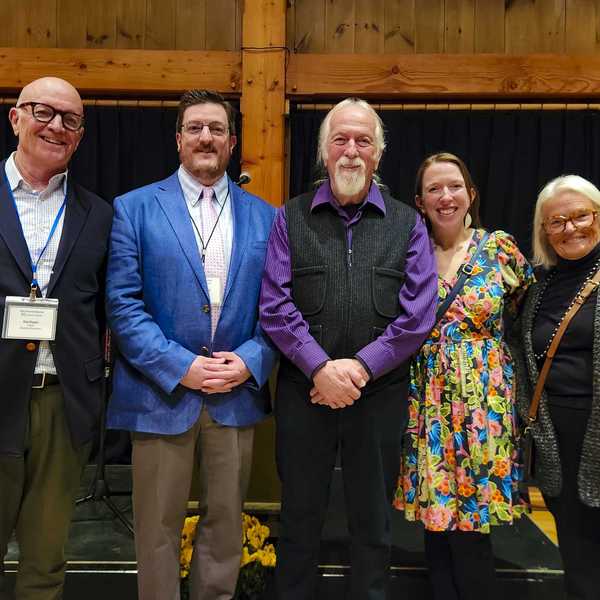
Hunter Runnette, founder and board chair of field, has spent years fostering arts and cultural programming in the Berkshires.

Provided

What do joy, gardening, artificial intelligence, the American experiment and the creative process have in common? Quite a lot, as it turns out, at least when some of the world’s most compelling thinkers get together to talk about them.

From Friday, Oct. 23, through Sunday, Oct. 25, Lenox, Massachusetts, will host the inaugural field festival, a three-day gathering of writers, artists, scholars and cultural figures at Shakespeare & Company. Billed as a festival of ideas, entertainment, learning and discovery, field brings together an impressive roster of voices to explore everything from the deeply personal to the profoundly political.

Keep ReadingShow less
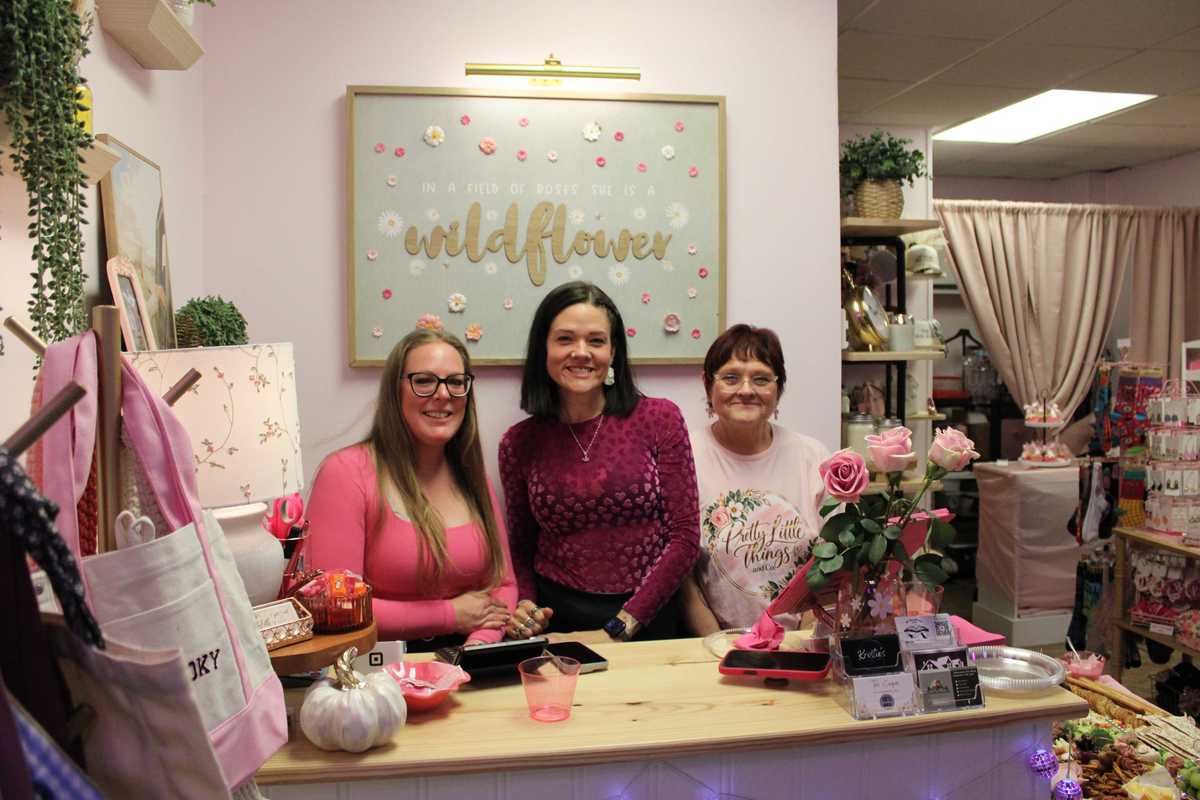
The Pink House AM is serving up community

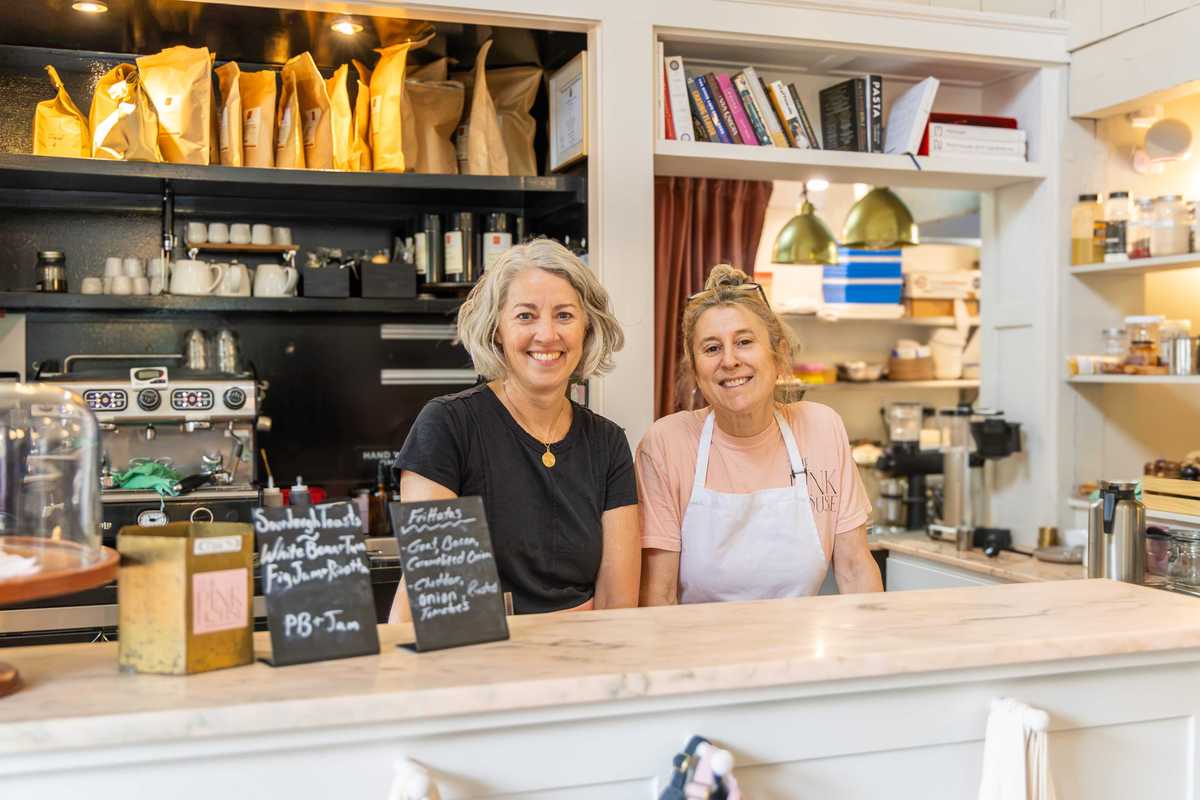
Mare Rubin and Maggie Levine of the Pink House AM.

Madi Long

It all started with a yoga class. Mare Rubin was working on her second act after leaving the Upper West Side, where she’d raised a family and worked in corporate marketing. Newly empty nesters, she and her husband decided to move to the wilds of northwestern Connecticut, where they had spent 15 years as weekenders, to see what life in the woods had in store for them.

Rubin started teaching yoga classes at the Union in West Cornwall, a space designated by the town of Cornwall as a community hub with couches, Wi-Fi, occasional events and a growing yoga class schedule. She was adjusting well but missed one important thing about city life: a casual coffee shop.

Keep ReadingShow less
Sons of Astro are musicians, friends and bandmates — in that order

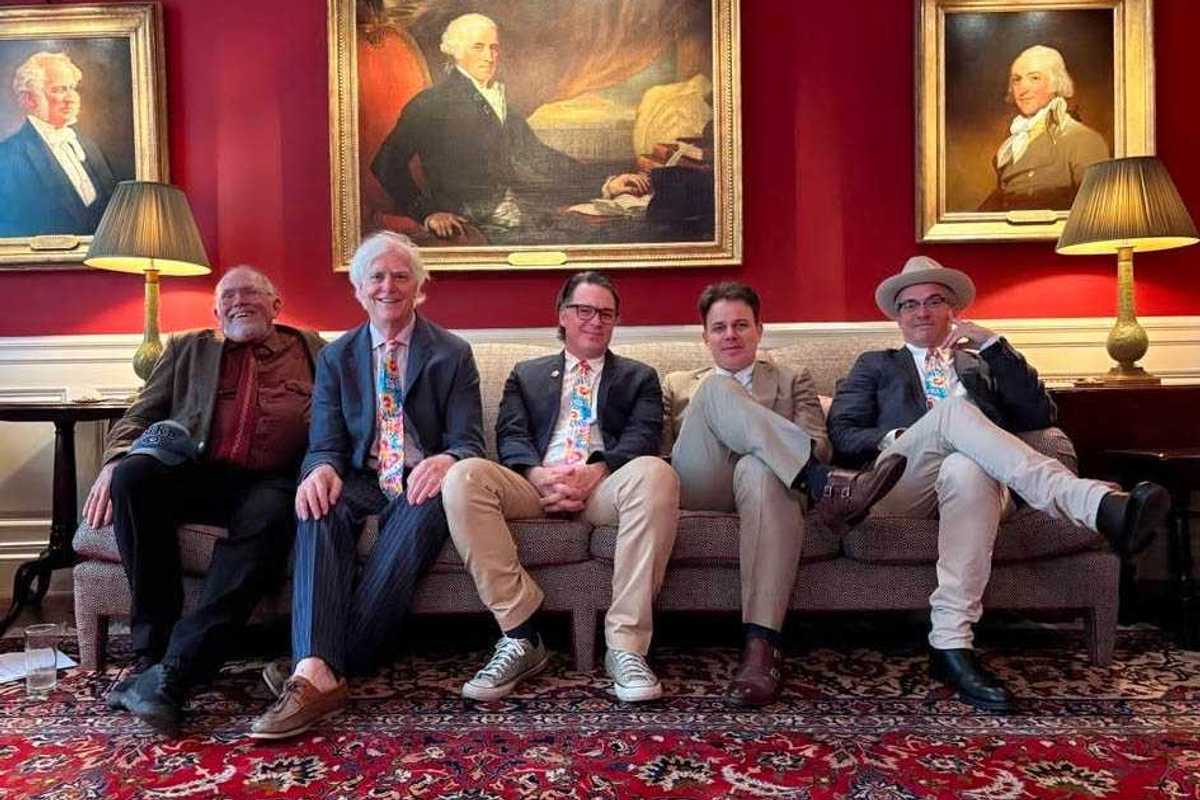
The Sons of Astro will be at the Common Pub in Housatonic on Oct. 24 and the 2nd Home Lounge in Winsted on Nov. 14.

Provided

No matter where they are in the world, musicians seem to find other musicians. There’s a shared language, a shared experience of being on stage and performing, and a shared enthusiasm for making those melodies by themselves or together. Such is the case with Norfolk and Brooklyn-based cosmic Americana band Sons of Astro.

That magnetic musicians’ bond drew Brooklyn-based singer-songwriter and multi-instrumentalist Mike Cobb into the orbit of singer-songwriter and multi-instrumentalist Matt Statler. The two neighbors took to each other right away and were soon playing open mics together. As an ethics professor at NYU’s Stern School of Business, Statler made the case that if he sat in for Cobb’s set and Cobb sat in for Statler’s, they could play together and double their stage time. Clearly, these men wanted to make as much music as possible. That became a little harder when Cobb and his family moved up to Norfolk, Connecticut.

Keep ReadingShow less
google preferred source

Want more of our stories on Google? Click here to make us a Preferred Source.

google preferred source

Want more of our stories on Google? Click here to make us a Preferred Source.