We are forced to admit the real Republican Party is gone as it used to be known. We are forced to witness the disintegration of morals and values by GOP senators and House members who want to pretend Jan. 6 never happened, are happy to look the other way or just plain proclaim, “Let’s have unity and let the past be past.” They openly proclaim that what happened was regrettable but offer no lasting or effective condemnation. They proclaim the instigators and rabble-rousers were only using free speech.
Let’s be clear here. If you tell someone to rob a bank and they make an attempt, if they are caught, they are not charged with trespass, they entered a federally insured building and will be charged with bank robbery, likely with weapons. The person who encouraged or told them to rob the bank will, at best, be charged either under RICO statute or as co-conspirators. They could all end up in jail.
The real issue facing our country is fatigue. After four year of wearing us down with news of transgressions — any one of which exceeds Nixon’s transgressions — inundating us with scandals, bribery, coercion, “perfect phone calls,” kidnapping threats for non-Trump-supporting governors, and then the D.C., Jan. 6 performance ending in Capitol break-ins — in the end the public wants, desperately, to avert our eyes and ears and have peace under a new, more steady and normal regime.
That’s not how insurrection works. That’s what insurrectionists want: Pretend it is all over.
In 1993 a bomb went off in the basement of the Twin Towers’ garage area. By a miracle, the buildings remained standing. People were blamed, fingers were pointed, some culprits were apprehended and still serve time in federal jail.
In 1995 a domestic terrorist blew up the Alfred P. Murrah Federal Building in Oklahoma City, Okla., and he and his cohort were captured, tried and convicted. Not one other person was ever arrested. The organizations he belonged to went to ground and the people who egged him on never saw justice.
In 2019 a man slaughtered 26 and injured 23 others in El Paso, Texas, proclaiming he was doing so against the government of the US of A.
The people who blew up the garage in the Twin Towers went to jail but not one dime was spent on penetrating and stopping the international terrorists’ cabals. Result? In 2001 they struck again, this time more effectively. At the time, in the shock and horror, the nation came together and agreed we should stamp Bin Laden and his cabal out. Could that have been done more effectively? Hindsight says yes, but the unity of desire to stamp out that terrorist threat was strong and — to a large extent — worked and works still.
What are we now doing to stamp out the domestic terrorism threat? Not one darn thing. Arresting a few, giving verbal condemnation to a few more, especially politicians dependent on money to get re-elected so they continue to court Trump and his allies — regardless of the morals they now willingly and openly put aside — none of those action will produce results. McVeigh — the Capitol attack — there will be more terrorism here, you can bank on that.
Now, I am not foolish enough to believe self-serving politicians, already flip-flopping morals, will do anything. Yes, the FBI and the new Justice Department will do what they can, but without the power of a unified anti-terrorist government behind them, without outright 100% condemnation of party leaders — especially by Conservatives (real Conservatives, not Trumpites) — the American terrorist forces will gather and strike again and again. Just ask any historian about Germany in 1928-35.
No, the only power the American nation has to combat the threat of domestic terrorism is money. Not people’s money (remember Trump has raised many millions since he lost the election), but corporate money. This is not about election campaigns, but about funding pockets. If companies realize that turmoil leads to diminished sales, that turmoil and terrorism at home leads to a depressed nation not willing to splurge on a new car, that anger and fear across the nation leads to good, kind money-spending middle class people hunkering down and hoping it will all be over soon… then and only then will corporations stop funding the Trumpites and terrorists’ supporters in Congress. When, and only if, that happens, Americans can stand a chance of surviving this calamity we still face.
Peter Riva, a former resident of Amenia Union, now resides in New Mexico.

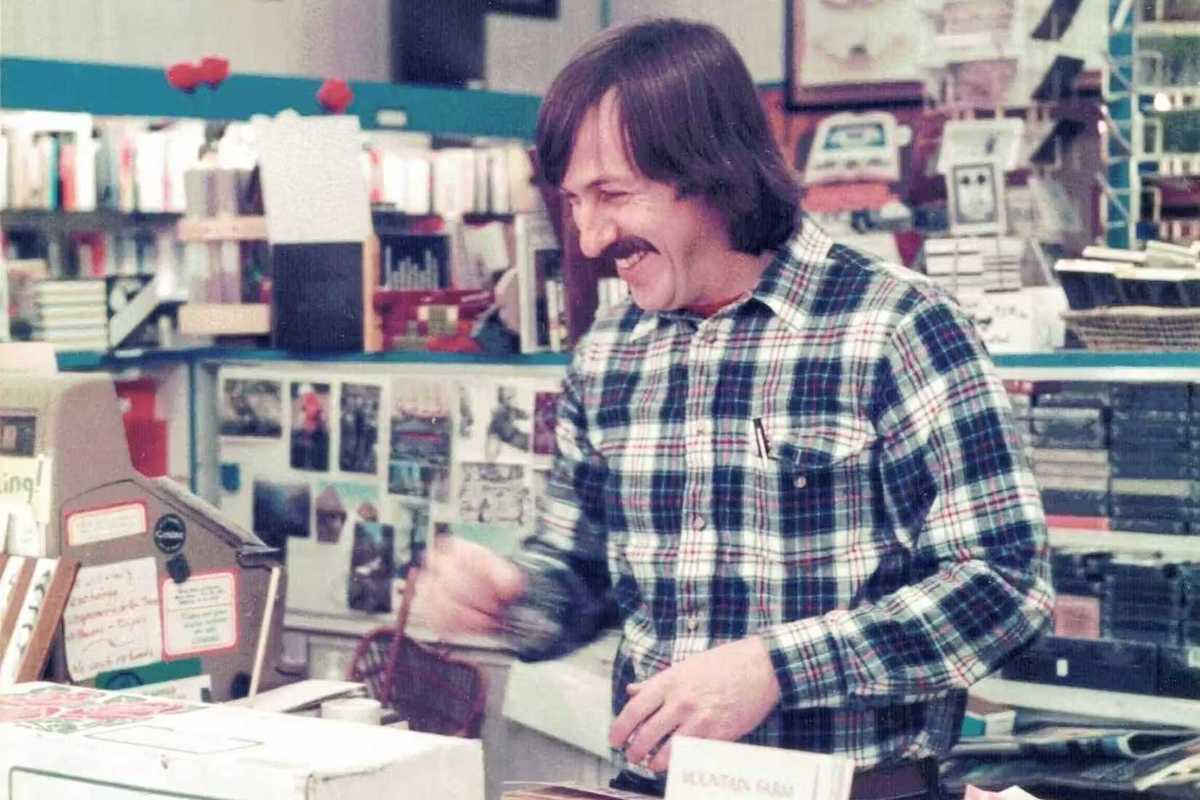
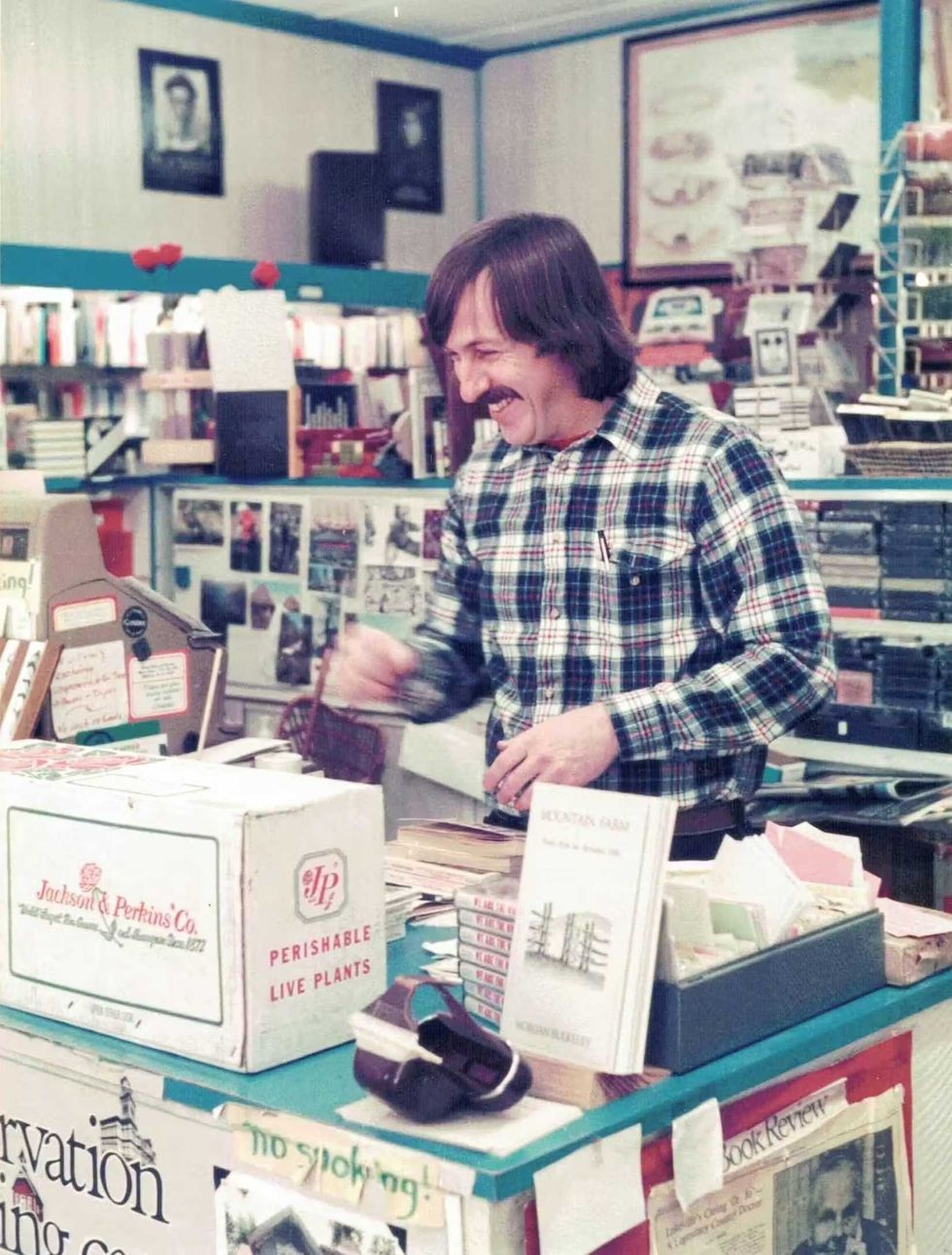 Dick Hermans in the Oblong Bookstore on Millerton’s Main Street in 1985.Provided


 Fall storage crop harvests amid soil building cover crops at Adamah Farm in Falls Village. Janna Siller