With more than 19 years of experience as the chef proprietor of the Hudson restaurant Charleston, Carole Clark was more than familiar with what it took to make a person feel satiated. However, it wasn’t until she sold her popular restaurant in 2006 and started working with local children, teaching them about the necessity of proper nutrition as well as how to garden, cook, bake and about the important ritual of sharing a meal that she realized what she described as “the enormity of the problem” of food insecurity.
Clark said she found the experience satisfying, but also difficult as it became painfully apparent that the majority of those children “had poor diets and lacked proper nutrition.”
Fast forward 14 years to 2020, when the world was in the thick of the COVID-19 pandemic. Clark became “obsessed with the idea of doing something to help people facing food insecurity,” especially among those living in rural communities. It weighed on her mind as she had seen so many struggle with hunger during “normal” times. How were those people filling their plates and their children’s plates during the pandemic, while people were losing their homes, losing their jobs, losing their significant others, losing their stability, she wondered.
As Clark put it, she decided to use her “knowledge and experience as a chef proprietor of two restaurants to create a kitchen with volunteer chefs and to prepare and deliver meals in Columbia County.”
She called her project the Columbia County Recovery Kitchen (CCRK). To put things in motion, Clark called the Columbia County Board of Health (BOH) for the necessary certifications; Albany was backed up with applications due to the pandemic, but because she had connections at the BOH, the wheels moved quickly, she said. Once certified, she reached out to friends in the community and within two months the CCRK delivered its first 200 meals. That was on April 14, 2020.
One of the reasons it all happened so quickly, said Clark, was because COVID forced her to do her work over the telephone, including her search for a fiscal sponsor, insurance (the Columbia County Democratic Committee provided liability insurance), financial support, needy recipients and drivers.
“Due to the pandemic restrictions, I never actually met the volunteers and enablers until many weeks after we started,” said Clark. “The effort was charmed, so inspiring and gratifying.”
She had a choice of two church kitchens to prepare the meals in; her two paid chefs visited them and chose The Christ Church Episcopal on Union Street in Hudson.
On Thursday, April 14, the CCRK will proudly celebrate its second anniversary. It now delivers more than 900 meals each week and has an impressive 90 volunteers.
Unlike traditional food kitchens or food pantries, the made-from-scratch meals are delivered by volunteer drivers and drivers from the Department of Social Services and the Columbia County Sanctuary Movement directly to the homes of clients throughout Columbia County. That includes, among other municipalities, local communities like Copake, Copake Falls, Ancram, Ancramdale, Gallatin, Hillsdale, Craryville, Taghkanic, Elizaville and those within the Taconic Hills School District.
The CCRK stresses that also unlike traditional pantries, which rely heavily on canned goods and carbohydrates, it strives to provide fresh, local ingredients, with balanced meals focused on proteins, seldom offered at food banks.
Its website, www.columbiacountyrecoverykitchen.org, reminds us that the CCRK “is an all-volunteer initiative.” So if you have the energy and ability, consider donating your time. If you can afford to, perhaps also consider contributing a few dollars, as the 501(c)3 nonprofit’s website additionally states that it relies on such donations to operate. Its financial support “comes from… fundraisers, social media and direct donations,” as well as grants.
It’s in the midst of a fundraising campaign this month, in recognition of its two-year anniversary. For details, we recommend you visit the CCRK’s website to learn more and consider giving a birthday gift to help feed our Columbia County neighbors.


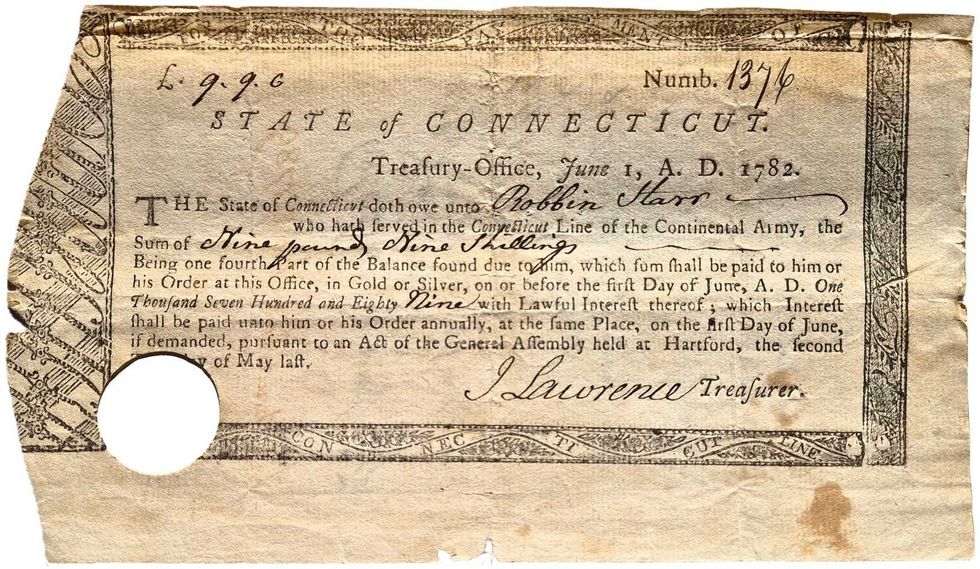 Pay Bill for Robin Starr’s service in the Continental Army.Courtesy the Alex Breanne Corporation
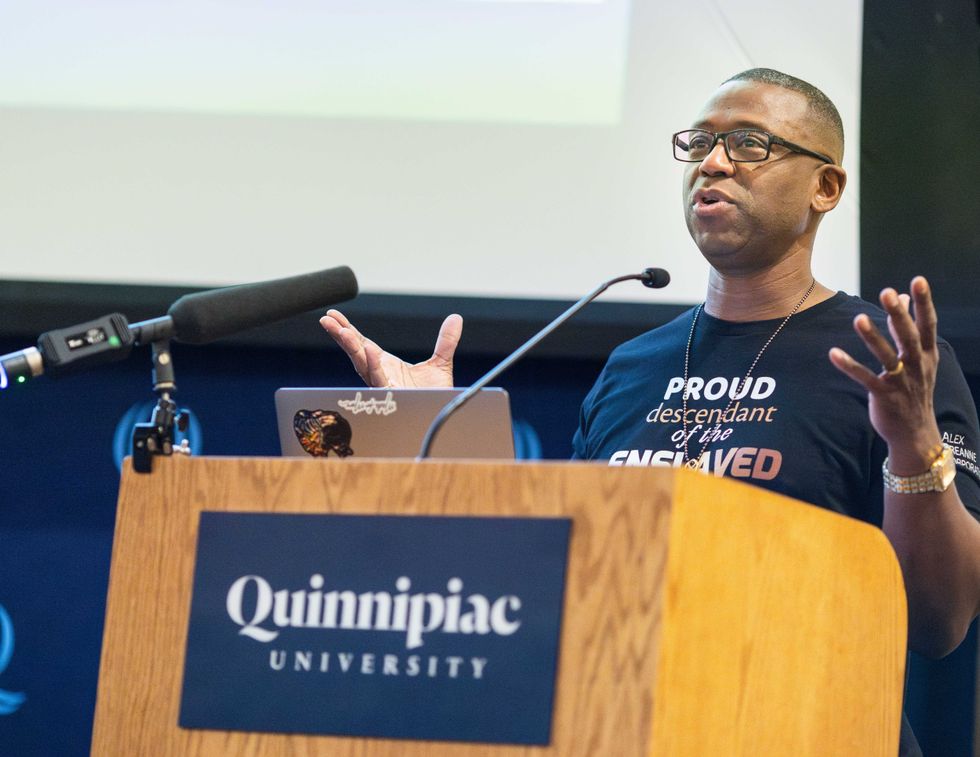 John Mills speaking at Quinnipiac University.Courtesy the Alex Breanne Corporation
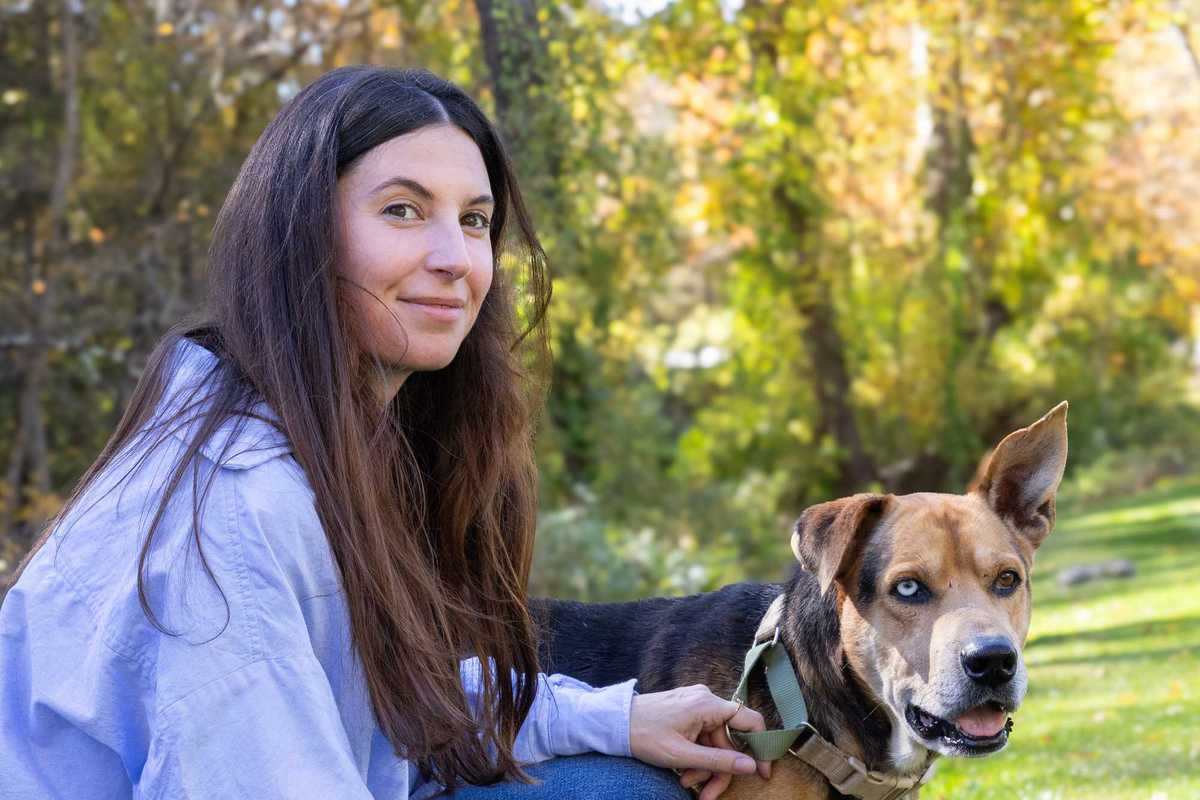
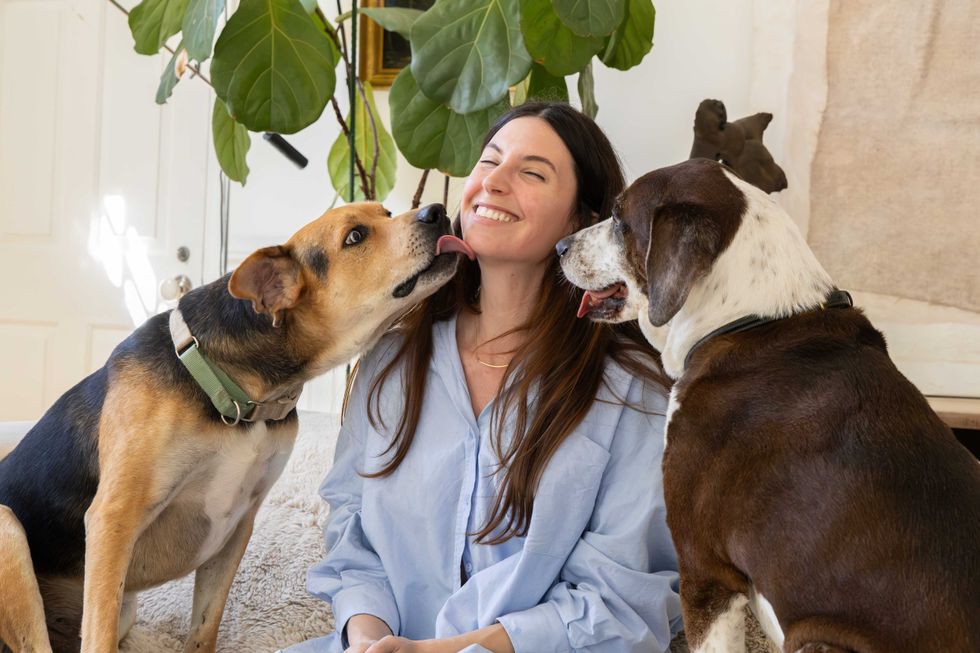 Stephanie Saetta,with her rescue dog George and Blue (left), a shepherd mix awaiting his forever home.Madi Long