So the president thinks he’s qualified to give medical advice…
OK, maybe his years of training in the construction business have given him the prerequisite knowledge necessary to dole out recommendations for drugs like hydroxychloroquine and chloroquine to fight the coronavirus, which he described as “one of the biggest game changers in the history of medicine” last month.
Or perhaps his schooling at the Wharton School of the University of Pennsylvania, an Ivy League institution, has trained him to suggest using disinfectant, which he said “knocks it out in a minute.” Trump questioned if such chemicals could, through “injection inside or almost a cleaning,” cure COVID-19.
Here is the rest of that “sarcastic” remark Trump admitted making at his Thursday, April 23, White House press conference.
“Because, you see, it gets in the lungs and it does a tremendous number on the lungs. So it would be interesting to check that. So, that, you’re going to have to use medical doctors with. But it sounds — it sounds interesting to me.”
Unfortunately, people were listening to — and some even believing — what the president said. The following day, New York City said its poison control center received a higher-than-normal number of calls. Those in the medical field spoke out immediately.
“Very clearly, disinfectants are not intended for ingestion either by mouth, by ears, by breathing them in — in any way, shape or form — and doing so can put people at great risk,” warned New York City Health Commissioner Dr. Oxiris Barbot in a video posted to Twitter.
The president has also spoken about “the whole concept of the light, the way it kills it in one minute,” indicating human exposure to extremely powerful ultraviolet light could maybe treat those battling the fatal respiratory illness.
Smartly, White House Coronavirus Task Force Response Coordinator Dr. Deborah Birx’s response to Trump’s query if “the heat and the light” could be worth exploring, was, “Not as a treatment.” Her astonished facial expression said worlds more.
All right, the president was expanding on comments made by Bill Bryan, who leads the Science and Technology Directorate at the U.S. Department of Homeland Security. Bryan said at the same press conference that “the virus dies the quickest in the presence of direct sunlight” and that there is “a very significant difference when it gets hit with UV rays.”
Bryan also said the following, according to a transcript of that day’s conference.
“We’re also testing disinfectants readily available. We’ve tested bleach, we’ve tested isopropyl alcohol on the virus, specifically in saliva or in respiratory fluids. And I can tell you that bleach will kill the virus in five minutes; isopropyl alcohol will kill the virus in 30 seconds, and that’s with no manipulation, no rubbing — just spraying it on and letting it go. You rub it and it goes away even faster. We’re also looking at other disinfectants, specifically looking at the COVID-19 virus in saliva.”
Sure, bleach and other disinfectants kill COVID-19, which science knows because it’s been tested — on surfaces — not in the human body.
Trump’s own Environmental Protection Agency had to issue a warning after he spoke: “Never apply the product to yourself or others. Do not ingest disinfectant products.”
The manufacturers of disinfectants Lysol and Dettol issued a similar warning: “As a global leader in health and hygiene products, we must be clear that under no circumstance should our disinfectant products be administered into the human body [through injection, ingestion or any other route].”
And the World Health Organization (WHO) warned “UV lamps should not be used to sterilize hands or other areas of skin as UV radiation can cause skin irritation.”
Back when the president recommended the drugs hydroxychloroquine and chloroquine, both the National Institute of Allergy and Infectious Diseases and the Food and Drug Administration (FDA) warned against taking either medication outside of a physician’s care. The FDA said they could cause abnormal and dangerous heart palpitations.
White House Press Secretary Kayleigh McEnany said the reports of Trump’s poor advice all show “media bias” against her boss, whom she said advised that people “consult with medical doctors regarding coronavirus treatment.” The statements, she said, have merely been taken “out of context.”
Well, perhaps. OK. Let’s give the president the benefit of the doubt. Maybe he was being sarcastic with his off-handed recommendations, as he insisted last week. But should the president of the United States really be speaking sarcastically during a global health crisis, when more than 207,000 people have died and nearly 3 million have been critically ill? We think not. In fact, it’s so absurd and so inappropriate that the leader of the free world make such statements, that if they weren’t on record, no one would believe them. But then again, with Trump, maybe they would.





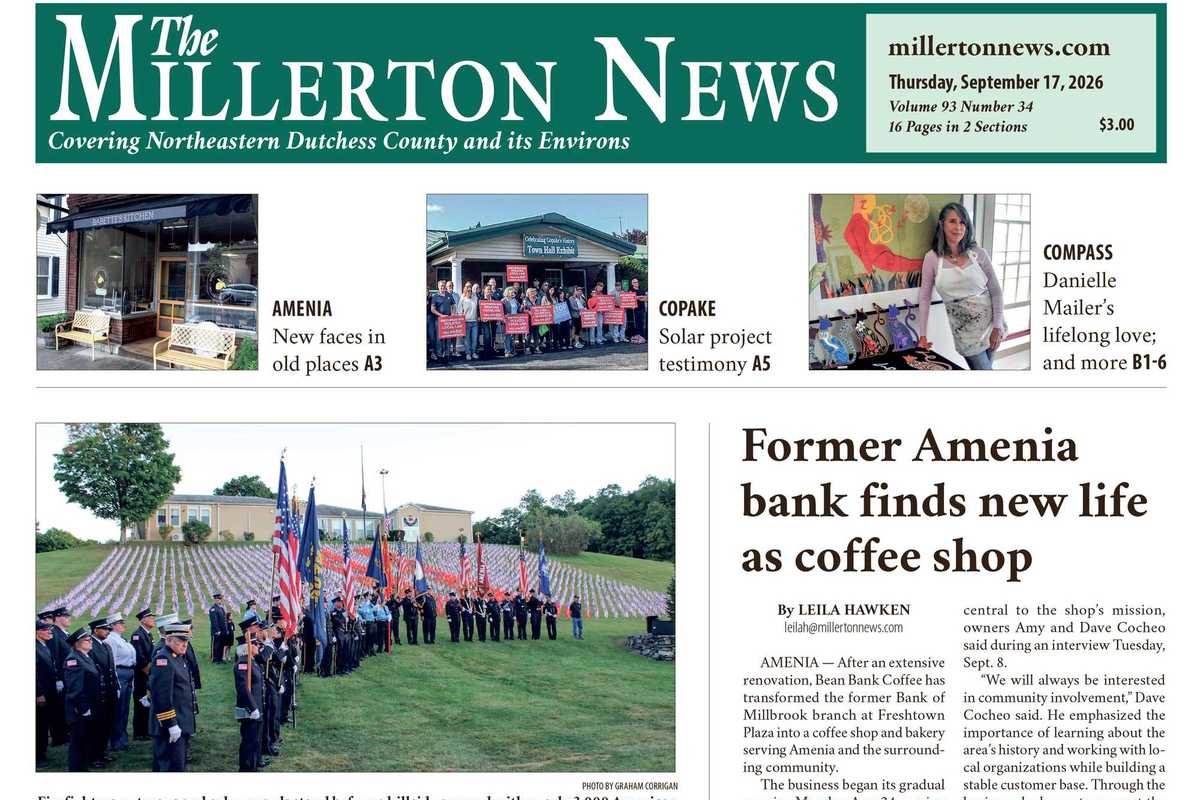
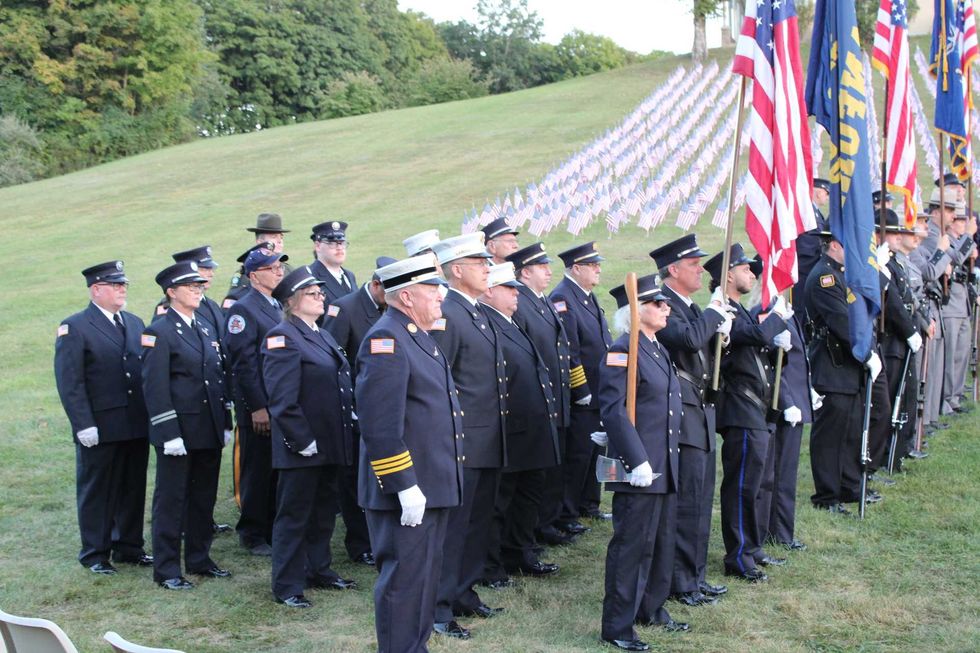 Firefighters and other uniformed first responders stand alongside flag bearers during Stanford’s ceremony marking the 25th anniversary of the Sept. 11 terrorist attacks. Nearly 3,000 American flags covered the hillside at Stanford Recreation Park.Photo by Graham Corrigan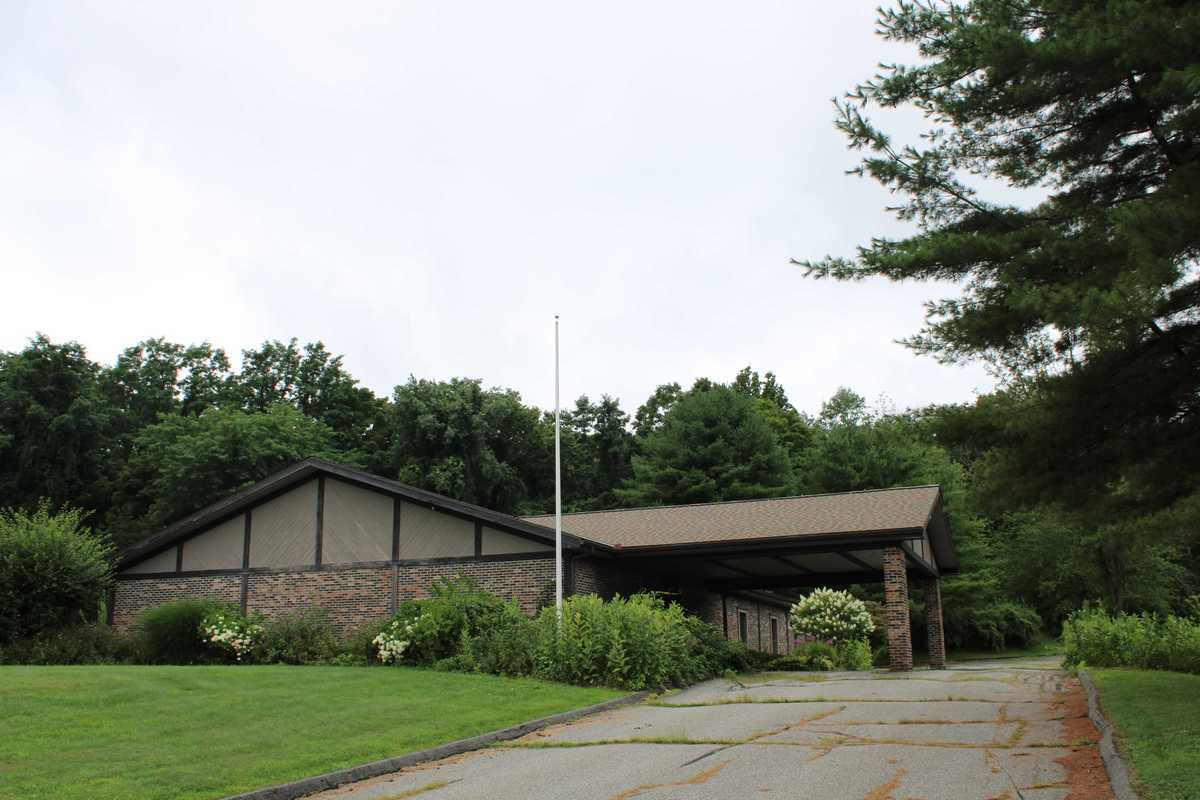



 The early September sun greeted students as they stepped off their buses at Webutuck Elementary School for the first day of classes Tuesday, Sept. 8.Photo by Leila Hawken