Thank you!
Your support is sustaining the future of local news in our communities.

It’s not over till it’s over

We keep learning new things about the novel coronavirus, SARS-CoV-2. Some general characteristics apply in most situations, but this bug’s personality is capable of some crazy, dangerous stuff. It’s not the most devastating virus nature has produced — that crown belongs to the bubonic plague, with smallpox second and cholera third — but it is one of the most easily transmitted, and thus will hobble an economy as authorities try to limit its spread.

By the numbers, the vast majority of those infected survive with no long-term effects. Many beat the bug at home, in quarantine, and fully recover in a week or two. The symptoms can be mild — a headache, a persistent dry cough, a slight temperature.  But some get really ill and need a hospital’s care to manage an onslaught of debilitating effects. The difference might well be the intensity of person’s exposure, their “viral load,” rather than some personal genetic disposition and regardless of age — which explains why hardy, youngish ER doctors and nurses are among the clobbered. And why masks make sense: even if it doesn’t stop everything, the cloth blocks enough that you won’t get really ill.

A few have suffered a cytokine storm, cytokines being what spur immune cells into action, but like a hose company drowning a whole building to wet a wastebasket. This frequently fatal condition tends to happen when a new virus enters a defenseless population, until a more measured immune response emerges. There have been credible, isolated reports of the virus thriving in other organs, including the kidneys and even the brain. Some virus-free victims show lasting neurological burdens but it’s too early to know if such damage is permanent.

Viruses that take hold in lungs are among the most communicable, because the infected exhale, cough and sneeze virus particles into air others breathe and onto surfaces others touch with fingers that stray to the eyes, nose or mouth. Suddenly specialists in fluid dynamics and wind-tunnel engineers are in demand by medical policymakers, who want to know if the 6-foot standard for social distancing is adequate. Yes, indoors, if everyone is wearing a mask and the trapped air is regularly replenished. Of course outdoors, unless you are downwind of someone coughing or sneezing, droplets from a sneeze can carry suspended virus particles 25 feet or more — much more if there’s wind. Recall how far away you can smell someone’s tobacco smoke.

This virus spreads easily because of asymptomatic carriers. A “super-spreader” can infect 50 people in an evening, as a club-crawler recently did in newly reopened Seoul, traveling from dance floor to dance floor. (Seoul promptly re-shut its clubs.) This lesson has been applied in most cities, where the rate of infections has diminished. Now is the decisive moment. Will people continue to social distance, quarantine in place, practice mask protocol (wear one, wash it once a day, avoid people who don’t) and put the good of their communities ahead of their own? Or will they join those who still don’t wear a mask, make no effort to social distance and imagine they are impervious? As moral philosopher Kwame Anthony Appiah noted, such people are prompted by “ignorance, foolishness or wickedness.”

To embrace social good these days requires more than the usual oomph. You must ignore the example of our president, who doesn’t wear a mask. Avoid local peer pressure among the manly men, who find masks, well, unmanly. (What about the bravest of them all, the Knights of the Round Table? Firefighters? ER doctors and nurses? Spidey? Captain America? Deadpool?) Repress the joyous human impulse to defy authority — though in this case the authority is not arbitrary, overweening government but neighborhoods and communities trying to survive. Overlook the innumerable examples on TV of cheerful, happy actors directed by drug companies to show how Vraylar and Dupixent and Rexutta and Biktarvy let you live a normal life, betraying not the slightest sense that there’s a pandemic loose in the land.

There is one health upside, with possibly the longest-term consequences imaginable. You can see buildings in New Delhi and Mexico City, gape at the bottom of a Venetian canal. The imploding economy has put the fossil-fuel regime in full retreat. Even before COVID-19, oil prices had sunk. As the inimitable Bill McKibben put it recently, “Flatten the carbon curve, too.” Let the economy return on a bicycle. The U.S. now generates more power from renewable sources than from coal. From a dreadful dawn can come a new day.


Tom Parrett writes about science and nature. He lives in Millerton.

The views expressed here are not necessarily those of The Millerton News and The News does not support or oppose candidates for public office.

Latest News

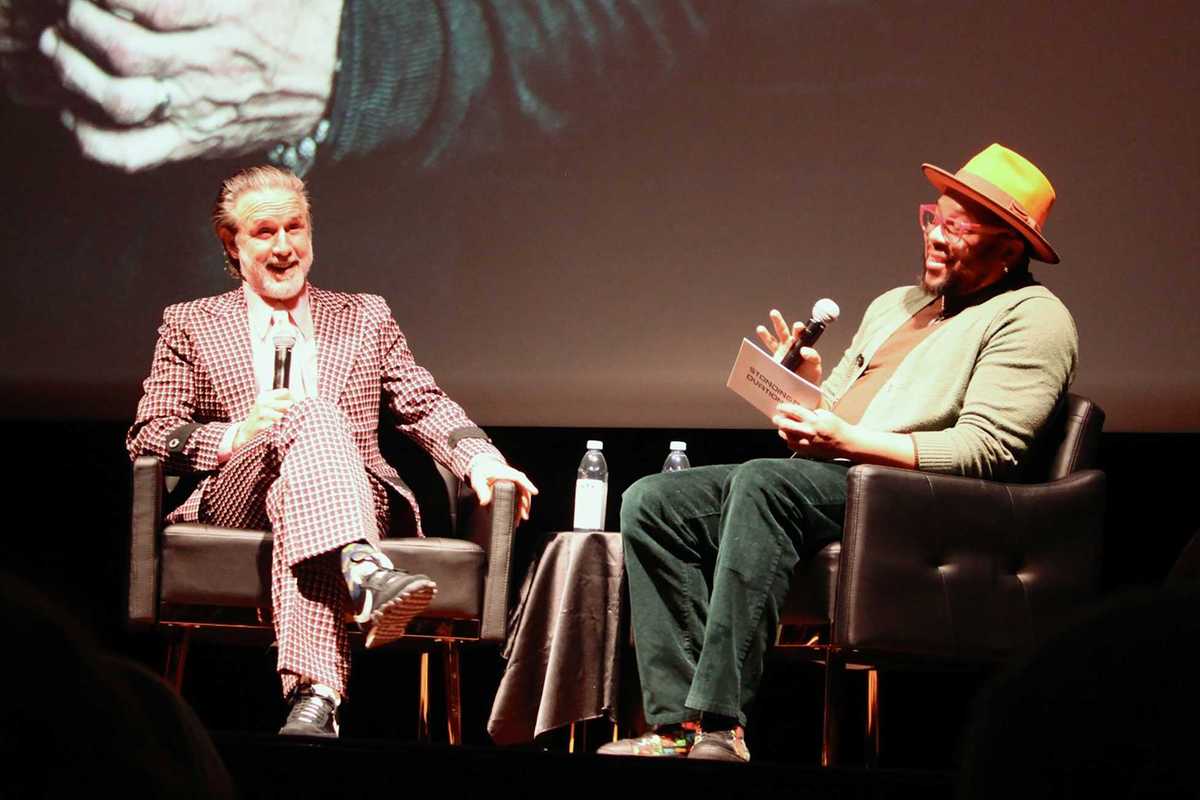
A Halloween scream with David Arquette

David Arquette, left, talks with moderator Victor Dandridge during “Behind the Scream” at the Warner Theatre in Torrington on Oct. 31.

D.H. Callahan

This December marks the 30th anniversary of Wes Craven’s “Scream,” one of the most influential movies in horror history. On Saturday, Oct. 31, David Arquette, one of the film’s stars, came to the Warner Theatre in Torrington for a Halloween screening and conversation billed as “Behind the Scream.”

“Scream” was met with critical praise when it premiered in 1996, with many noting its satirical, self-aware look at the horror genre without the usual trappings of camp or kitsch. Featuring a cast of mid-1990s A-listers including Drew Barrymoore, Matthew Lillard, Rose McGowan, Liev Schreiber, Neve Campbell and “Friends” star Courteney Cox, the movie was destined to be part of the cinematic zeitgeist.

Keep ReadingShow less
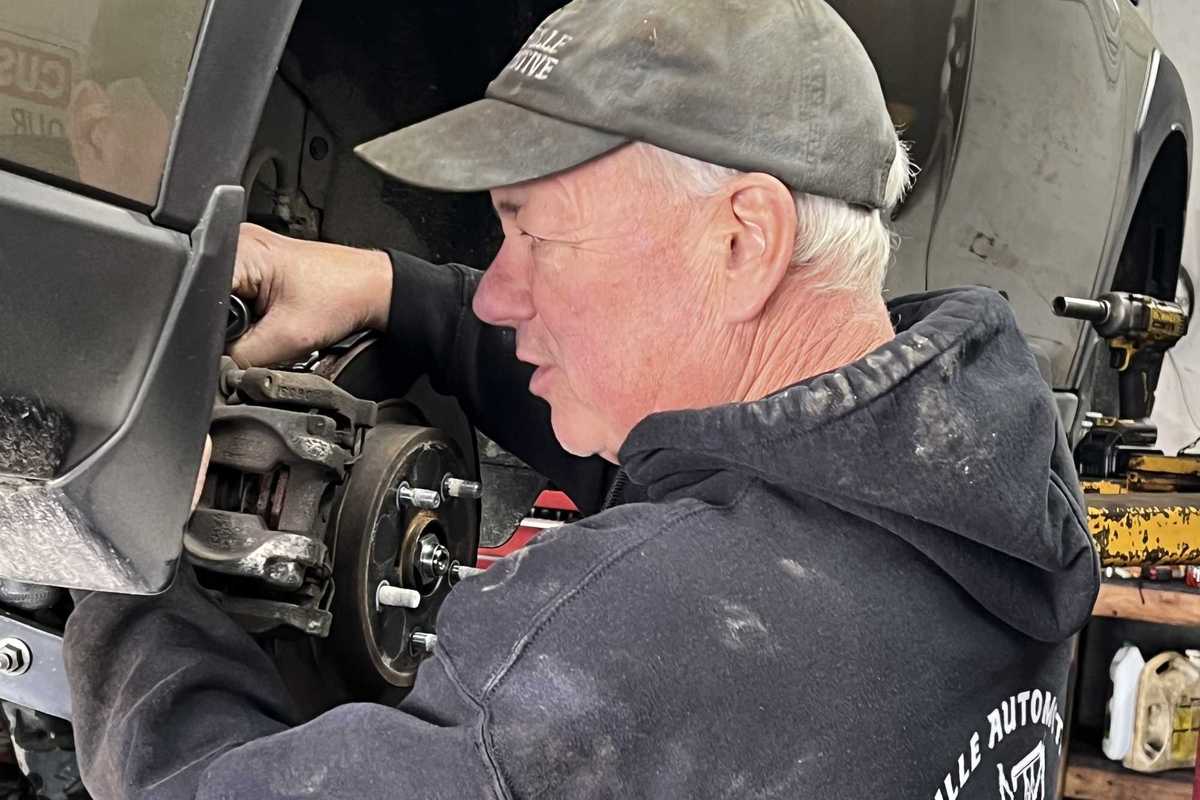
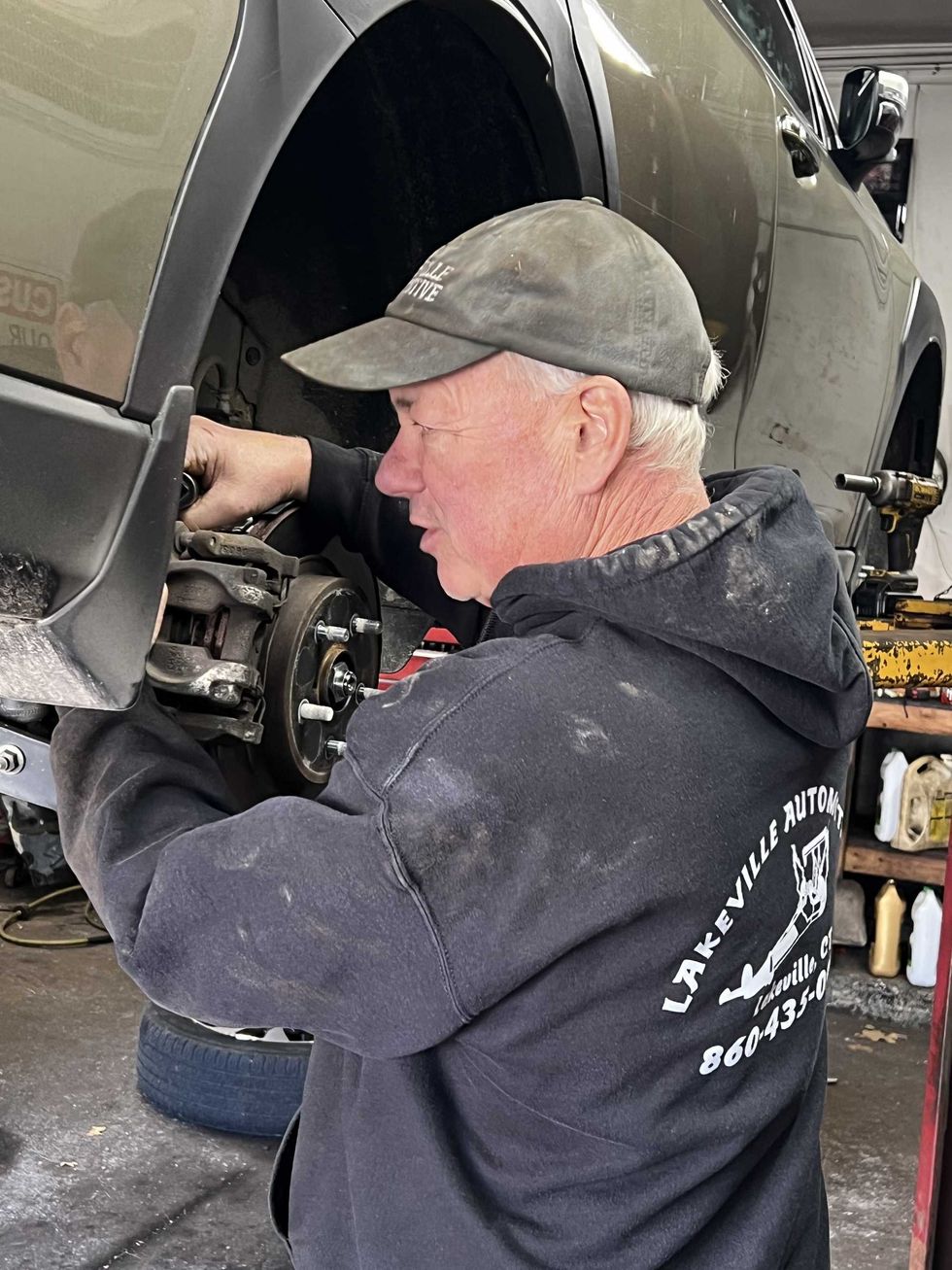
After 30 years, Dave Jones is shifting into lower gear


Now, 30 years later and in his late 60s, Jones is at the point in his life where he’s ‘figuring out how to land the plane.’

My husband and I first met Dave Jones in 2019, after we’d just moved into our house in Lakeville, a former auto repair garage with 14-foot-high ceilings that had been renovated into a residence. One day, when we woke up to a dead car battery, we called Lakeville Automotive, the nearest repair shop. Jones answered the phone a bit gruffly but then surprised us by showing up in half an hour to jump-start our car. We invited him inside for coffee, and looking around, he said with a grin that for 10 years, back in the day, he’d stored his Mazda Miata right in our living room.

Keep ReadingShow less
google preferred source

Want more of our stories on Google? Click here to make us a Preferred Source.

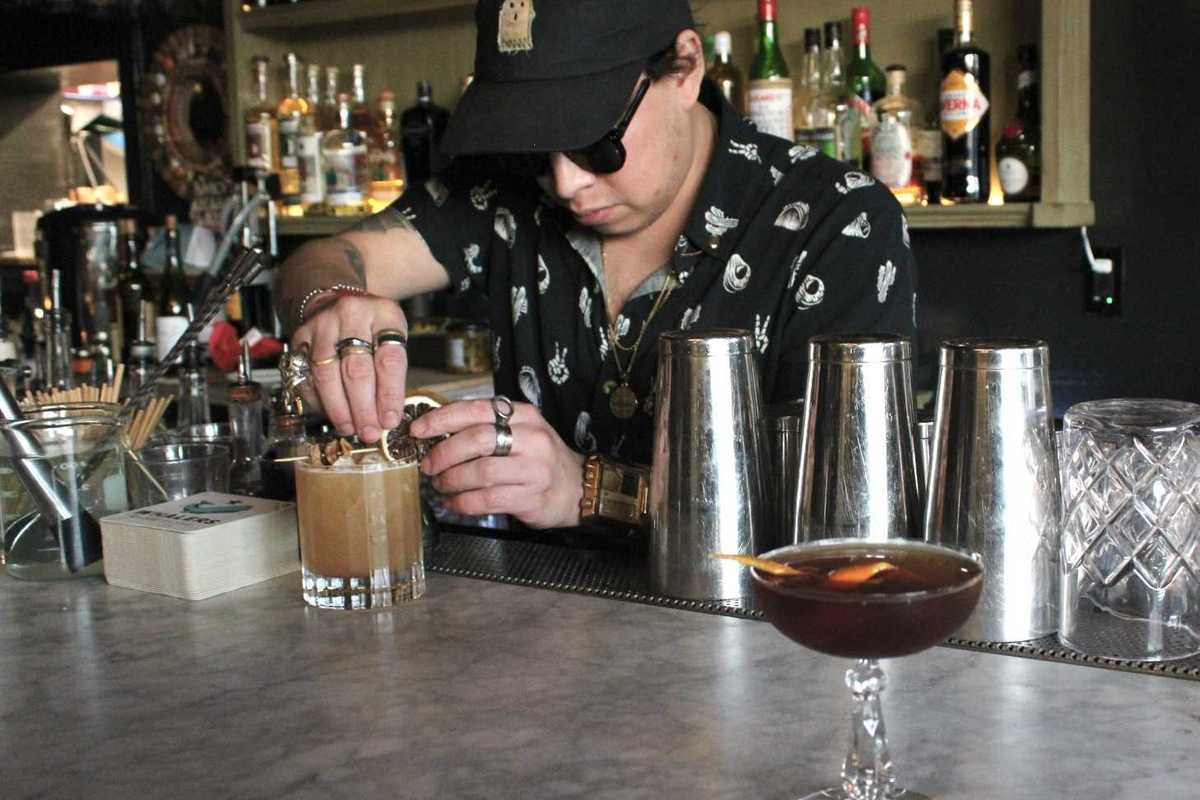
A different kind of neighborhood bar

A different kind of neighborhood bar

Ryan Andrade brings his passion for inventive cocktails and neighborhood hospitality to Le Bar in Sharon.

D.H. Callahan

When Ryan Andrade moved back to the Tri-Corner region during the pandemic, he wasn’t looking to create a new kind of neighborhood bar. But by the time he connected with Robert Arbor of Le Gamin in Sharon, his vision was clear. In May, they brought that vision to life at a revitalized Le Bar.

Andrade grew up around Millerton, attending the Webutuck High School before heading to Western New England University, where he studied psychology. He’d been slinging coffee since high school but didn’t catch the cocktail bug until managing a cafe at the SoHo Grand Hotel, which, thanks to an international clientele accustomed to different time zones, had a morning bar service. It was there that Andrade discovered the seemingly infinite possibilities of the cocktail world. While there was only so much one could do with coffee, learning about the potential for cocktails, with their shelves and cabinets of curious ingredients, had Andrade feeling like a kid in a candy shop. It wasn’t long before he was seeking out mentors to teach him the industry secrets required of an innovative mixologist.

Keep ReadingShow less

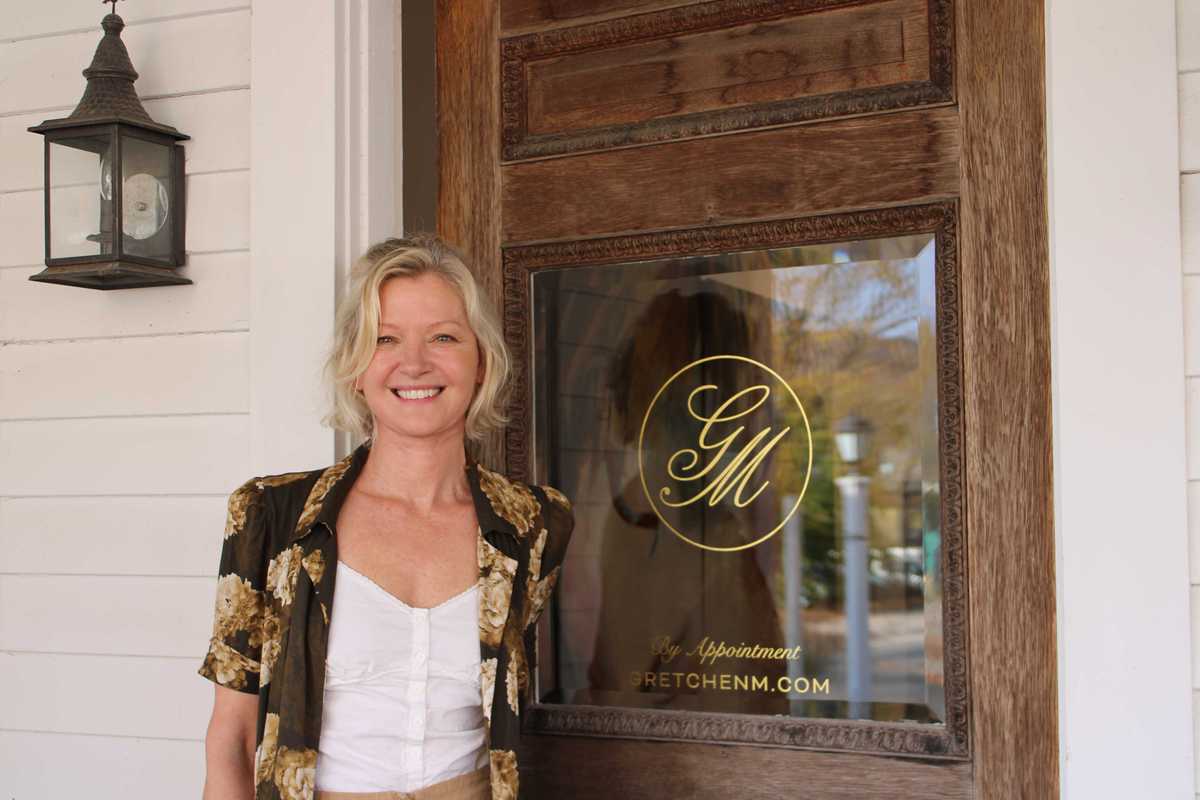
Gretchen M. Studio opens in Salisbury

Gretchen M. Studio opens in Salisbury

Grethen Mol at her new studio in Salisbury.

Natalia Zukerman

The keys are hanging from the lock when Gretchen Mol comes to greet me at her new studio on Academy Street in Salisbury. The door is open, and so, it turns out, is she. Mol has the easy familiarity of someone you’ve known for years. And in a sense, you have.

The actress, known for her roles in “Boardwalk Empire,” “The Notorious Bettie Page” and, most recently, “Tulsa King,” is opening Gretchen M. Studio, a creative space and showroom for her small-batch clothing line, with an open house Friday, Nov. 6, and Saturday, Nov. 7.

Keep ReadingShow less
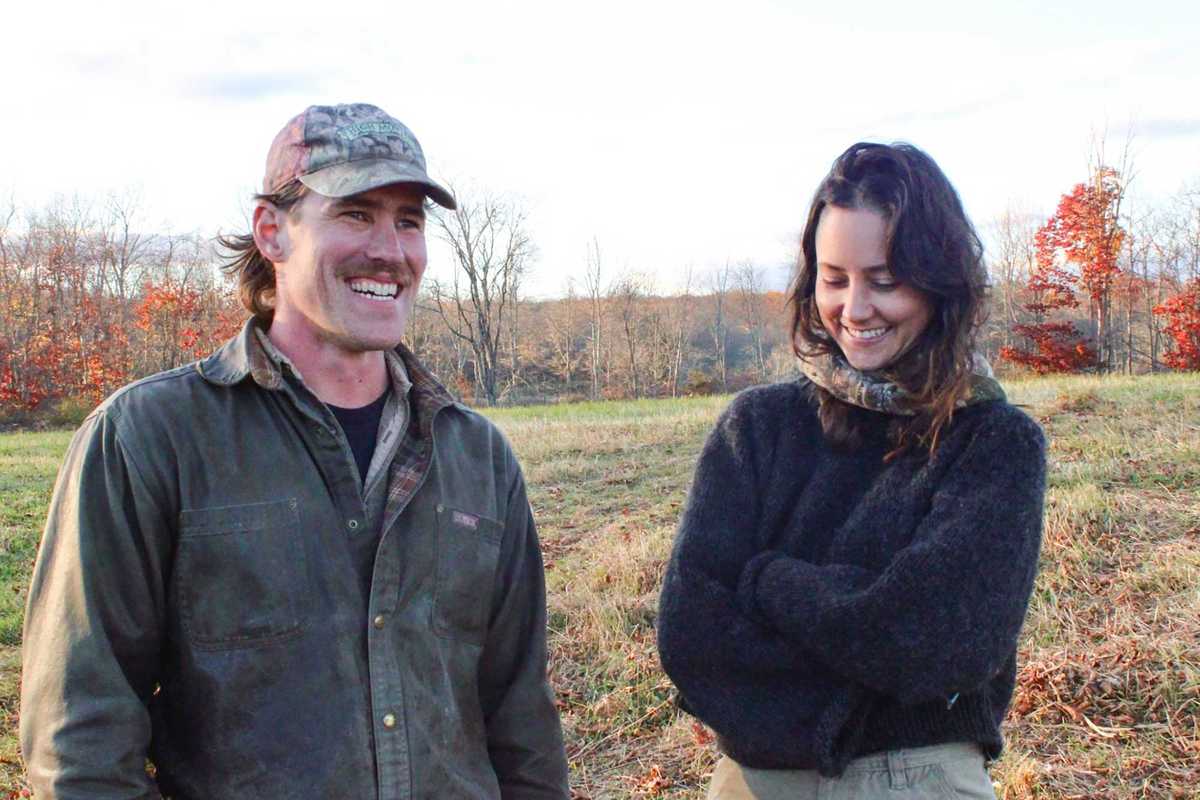
Harvesting experimental sounds at Hungry Reaper Farm

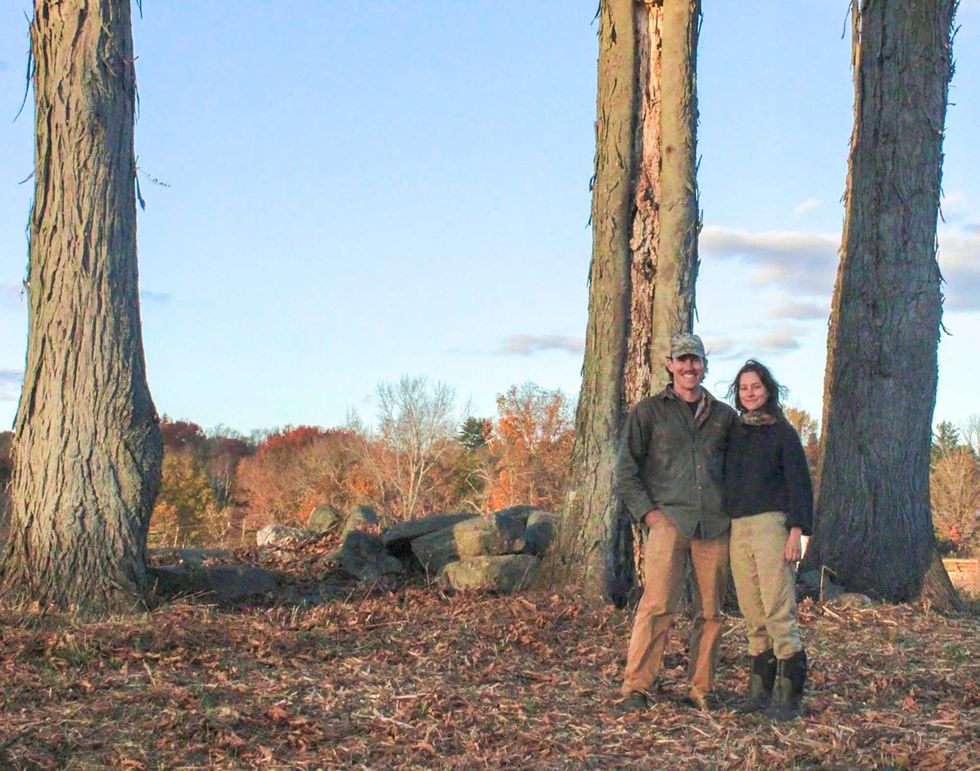
Hungry Reaper Farm founders and managers Will O’Meara and Jill Verzino

D.H. Callahan

On Saturday afternoon, Nov. 7, the farmers at Hungry Reaper Farm in Morris, Connecticut, will host the first concert at their new outdoor venue, The Three Hickeries, smack in the middle of a beautiful field on their farm.

Farm co-founders and co-managers Will O’Meara and Jill Verzino have always been interested in independent means of production. On the farm, that means growing organic produce on a small scale with a big impact. Their crops feed folks from Bridgeport, where Verzino runs a farmers market on Saturdays, all the way over to Millerton, where their vegetables can be found at Tri Corner FEED Market, the community-minded grocery store offering locally sourced food on a sliding scale.

Keep ReadingShow less
google preferred source

Want more of our stories on Google? Click here to make us a Preferred Source.

google preferred source

Want more of our stories on Google? Click here to make us a Preferred Source.