Thank you!
Your support is sustaining the future of local news in our communities.

Harvesting experimental sounds at Hungry Reaper Farm

Harvesting experimental sounds at Hungry Reaper Farm

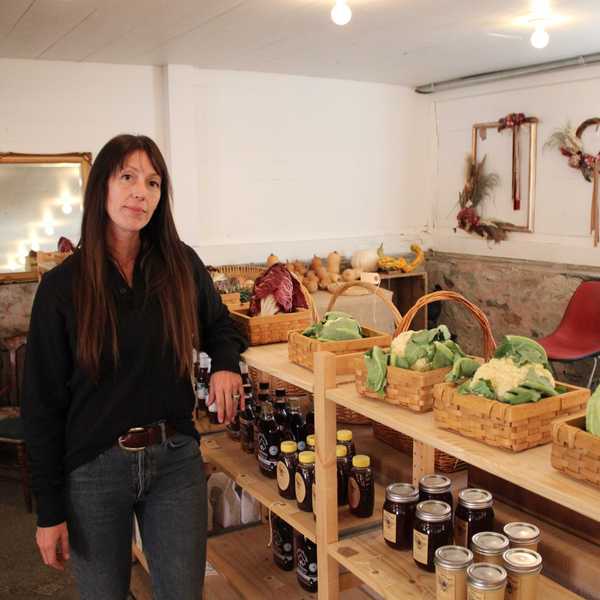
Hungry Reaper Farm founders and managers Will O’Meara and Jill Verzino

D.H. Callahan

On Saturday afternoon, Nov. 7, the farmers at Hungry Reaper Farm in Morris, Connecticut, will host the first concert at their new outdoor venue, The Three Hickeries, smack in the middle of a beautiful field on their farm.

Farm co-founders and co-managers Will O’Meara and Jill Verzino have always been interested in independent means of production. On the farm, that means growing organic produce on a small scale with a big impact. Their crops feed folks from Bridgeport, where Verzino runs a farmers market on Saturdays, all the way over to Millerton, where their vegetables can be found at Tri Corner FEED Market, the community-minded grocery store offering locally sourced food on a sliding scale.

Both O’Meara and Verzino have extensive experience growing food. Verzino grew up helping her grandmother tend her quintessential Italian vegetable garden. O’Meara started working on farms when he was just 16, got a degree in sustainable food and farming from UMass Amherst and managed other farms before the couple, who have been dating since high school, decided to start their own.

Part of their decision to strike out on their own was based on a desire to do things differently. Local organic food can often feel like a luxury reserved for the privileged and budget-blind. They wanted to bring their produce to a wider audience. Since starting on one acre of rented land, they’ve worked with food pantries, local municipalities, schools and other nonprofits to get their fresh produce in the hands and mouths of people who don’t traditionally have access to such high-quality food. They also landed on a pretty provocative name, with edgy branding to boot.

Verzino, who trained as a visual artist, is responsible for all of the branding. She seems to have an affinity for the medieval and macabre. But more than just a personal preference, it’s a way for them to stand apart from the standard farm branding, which, though often adorable, can start to blend together. Nobody forgets a bag of organic lettuce with a grim reaper sticker on it. After all, Verzino says, “farming is all about sex and death.”

That preference for the weird and unique doesn’t stop with their brand. The couple, who both grew up in the area, used to see a lot of live music. They reminisce about the now-closed Cafe Napoli in Watertown, where they could see a new band with a new sound every week. To them, the small, independent acts seemed to speak the same language as their approach to food and farming. They wanted to find a way to bring that kind of experience to their community.

As they worked their fields, three stately hickory trees towered over the crops. “We like experimental music. We like creative people. We like trees,” Verzino said.

This, they decided, was where they would harvest their next offering — live music.
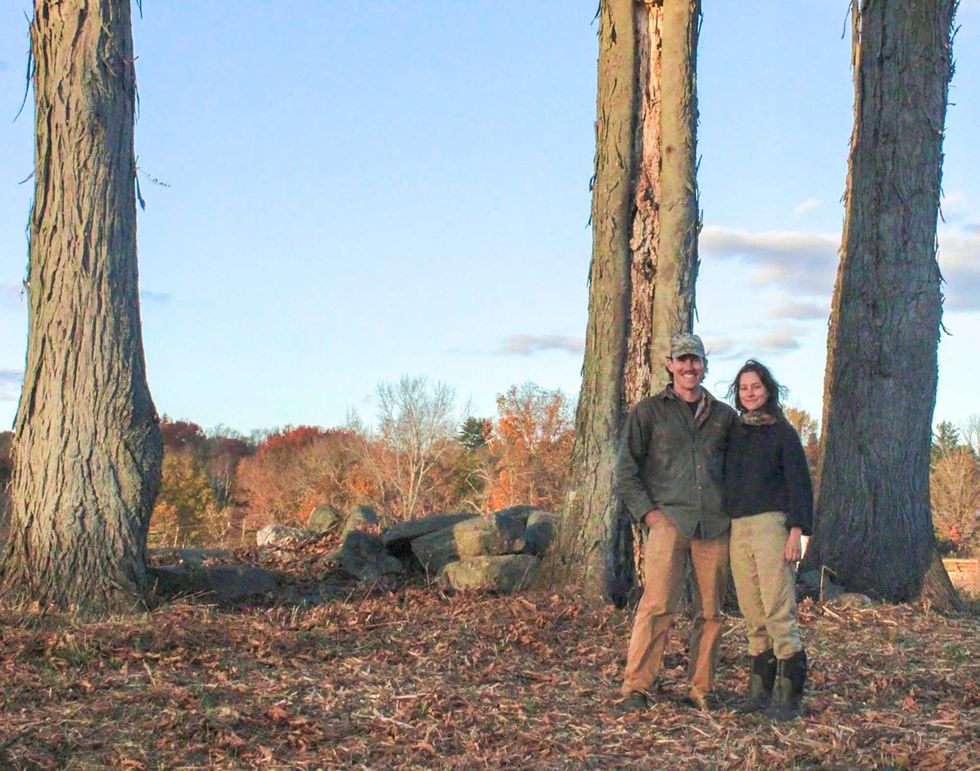
Will O’Meara, Jill Verzino and the three hickories.D.H. Callahan

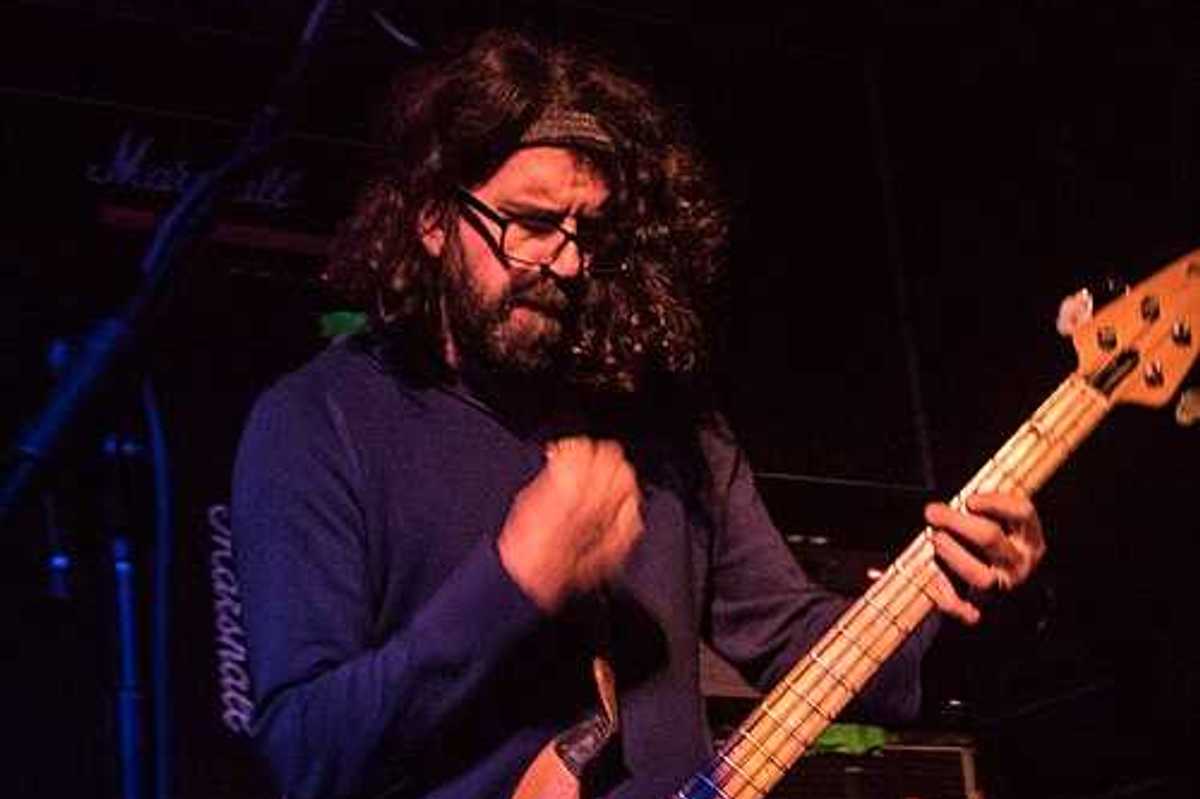
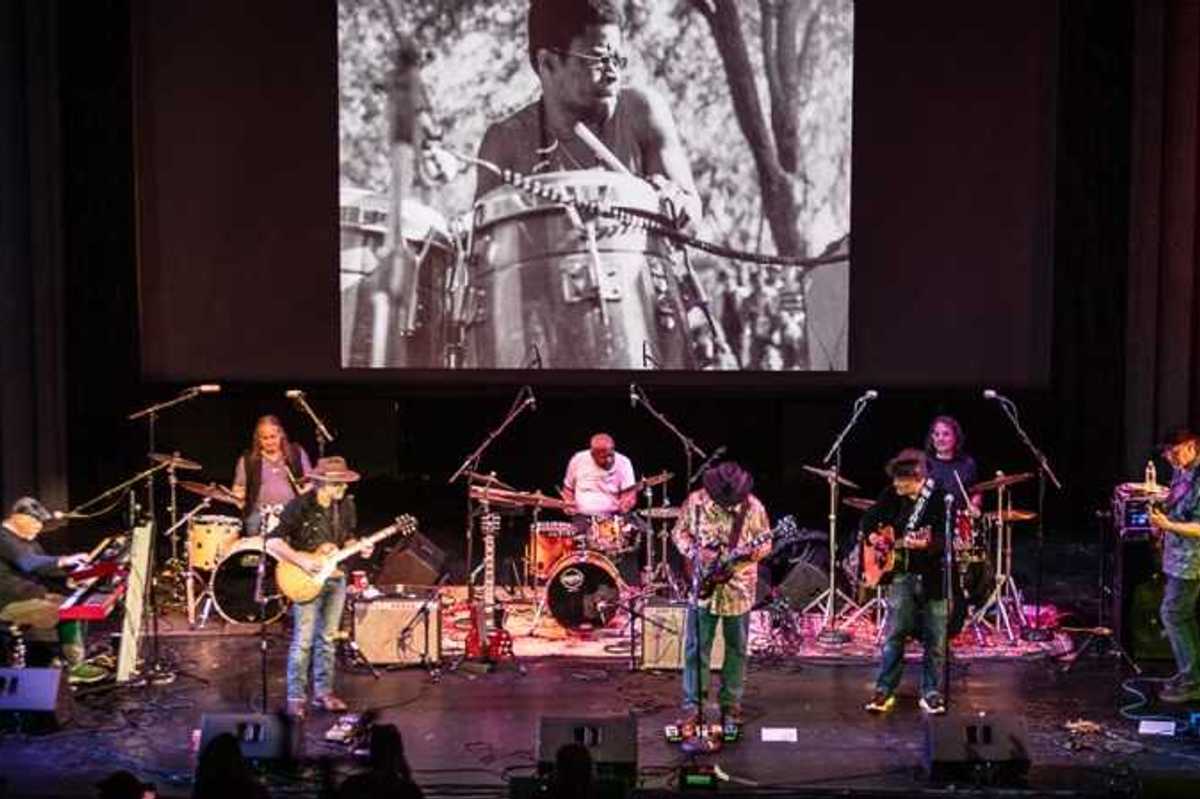
Playing the first show at The Three Hickories are a couple of experimental acts indeed. The headliner is Old Saw from Ripton, Vermont. Led by composer Henry Birdsey, the ensemble makes experimental ambient music using a wide variety of unexpected instruments. More than songs, each piece feels like a weathered tapestry cloaking the whole scene in haunting textures. A larger-than-life sound emerges from their instruments like an ancient giant awaking from its gothic slumber.

Opening the show is the Knife Kickers from right down the road in Thomaston, Connecticut. Singer and guitarist John Zacarria is the nucleus of this rotating lineup. Sometimes he plays by himself, and sometimes he brings his friends. Rumor has it he’ll be joined by the cellist featured on his last release, “an acoustic album.”

November might seem like an odd time to launch a DIY outdoor concert in Connecticut, but O’Meara and Verzino aren’t just relying on the hearty nature of New Englanders. To warm the audience and musicians, they’ve enlisted the help of pop-up coffee cart Backdrifter Coffee. Still, a sweater and some gloves might be a good idea, just in case.

For tickets and more information about the farm, visit hungryreaperfarm.com.
Latest News

Original art, attainable prices

Original art, attainable prices

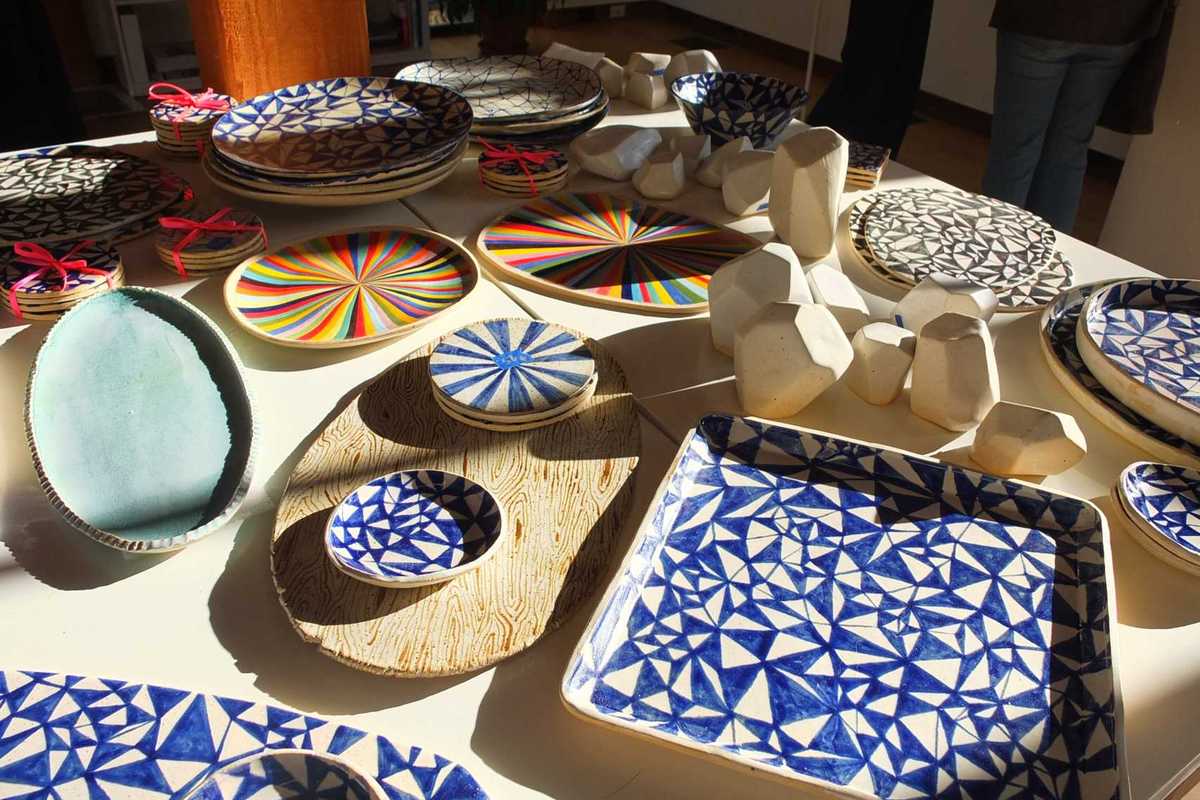
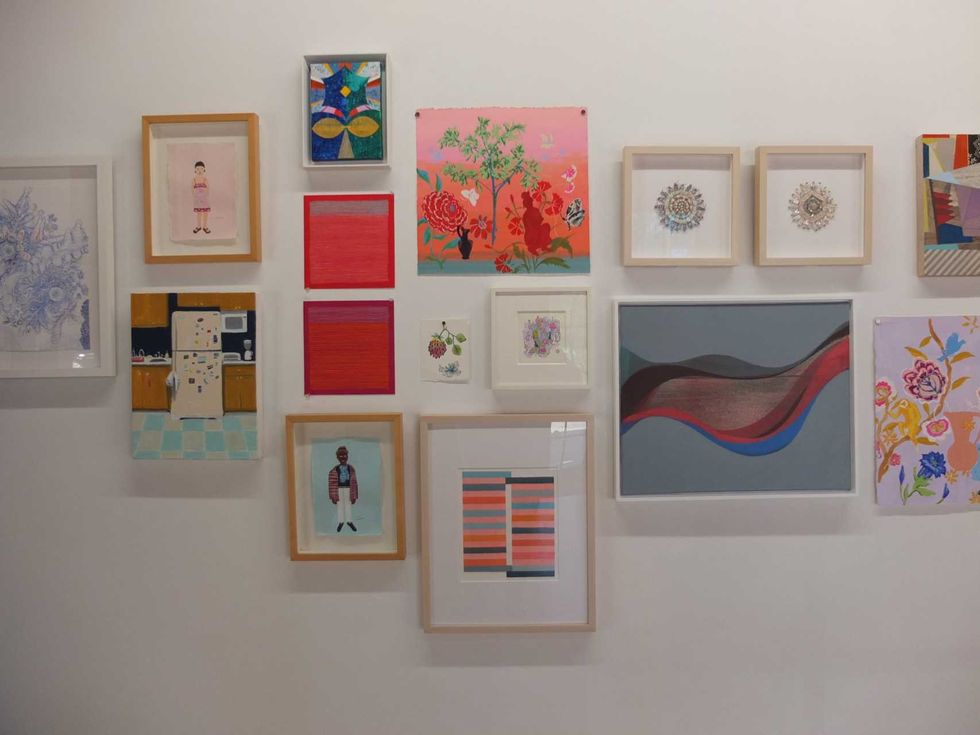
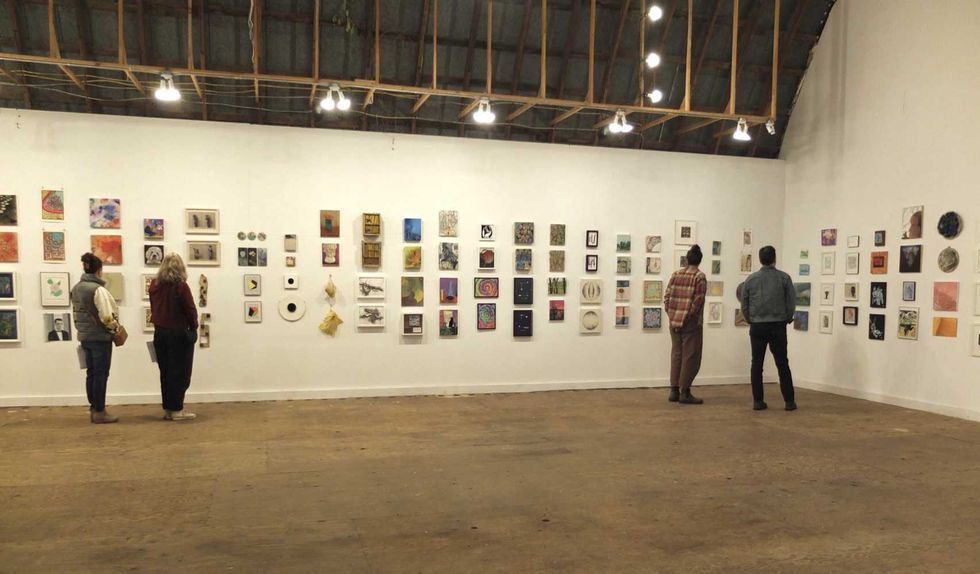
Kenise Barnes Fine Art presents “Cool & Collected ’26,” its annual exhibition celebrating the joy of collecting, featuring works priced under $2,000.

D.H. Callahan

There’s a corner of YouTube populated by real-time footage of high-dollar art sales from prestigious New York and London auction houses like Sotheby’s, Christie’s and Phillips. Hundreds of thousands of viewers routinely watch with rapt attention, popcorn and cocktails in hand, as recognizable pieces from art history make their way to the upper echelons of grossly unattainable hammer prices. Pieces can often start with opening bids of tens of thousands of dollars and work their way up to multiple millions. Bidding increments alone can grow to sums unattainable for the average American family in several lifetimes.

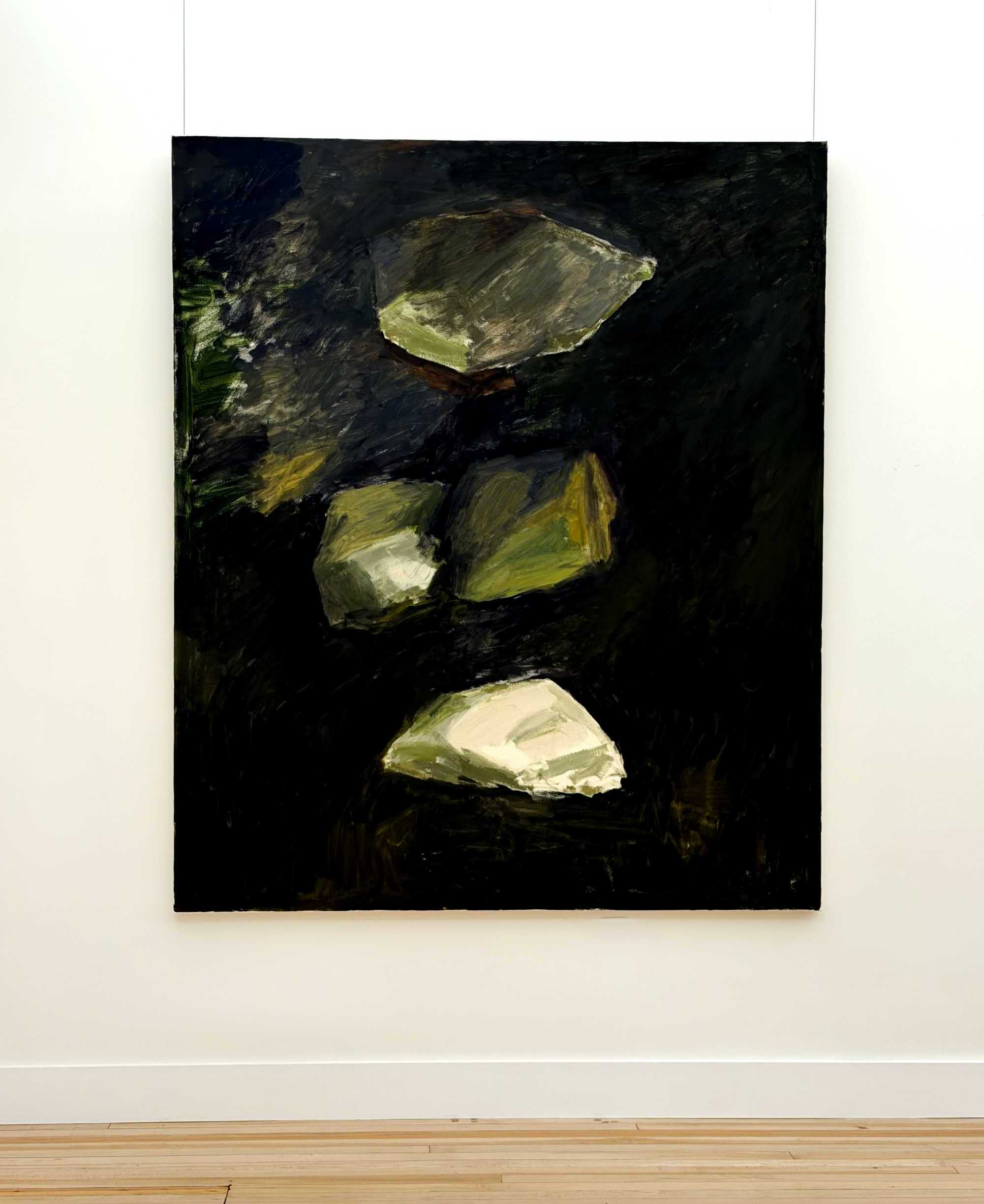
Kenise Barnes Fine Art in Kent, Connecticut, wants to help make fine art more accessible. The 2026 version of the gallery’s annual “Cool and Collected” exhibition is subtitled “The Gift Edit” and features dozens of works by fine artists at prices that are much more in reach than an art-world outsider might expect. More than 30 artists contributed pieces to the show. Almost all available works are priced under $2,000, with many below $500. The collection features paintings, drawings, collage and ceramics.

Keep ReadingShow less
Jennifer Terzian’s sanctuary for contemporary art
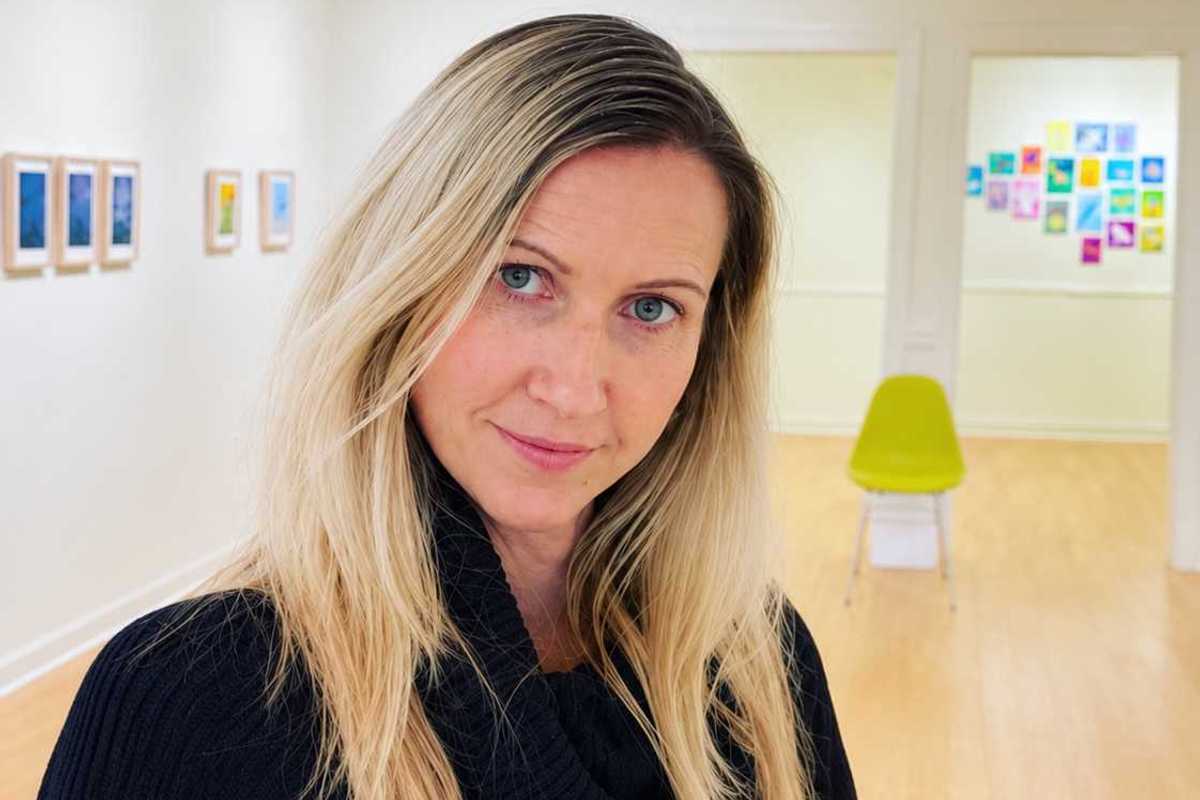
Jennifer Terzian, founder of Jennifer Terzian Gallery in Litchfield.
Provided
The gallery is really meant to create a very intimate relationship with the artist and the story behind their work.
—Jennifer Terzian

On a recent crisp, fall afternoon in Litchfield, Jennifer Terzian welcomed a steady stream of collectors, artists, and art-world insiders into her jewel box of an art space on South Street, just off the town’s manicured historic Green.

The occasion was an opening for Jenny Kemp, an artist noted for balancing fluidity and structure in her abstractions through repetition, variation, and gradual shifts in hue. Hers is exactly the kind of tactile, process-driven work Terzian champions at a subterranean space that feels less like a commercial art gallery and more like stumbling into an impeccably edited sanctuary of contemporary thought.

Keep ReadingShow less
google preferred source

Want more of our stories on Google? Click here to make us a Preferred Source.

Peter Cusack is finding the eternal in North Canaan
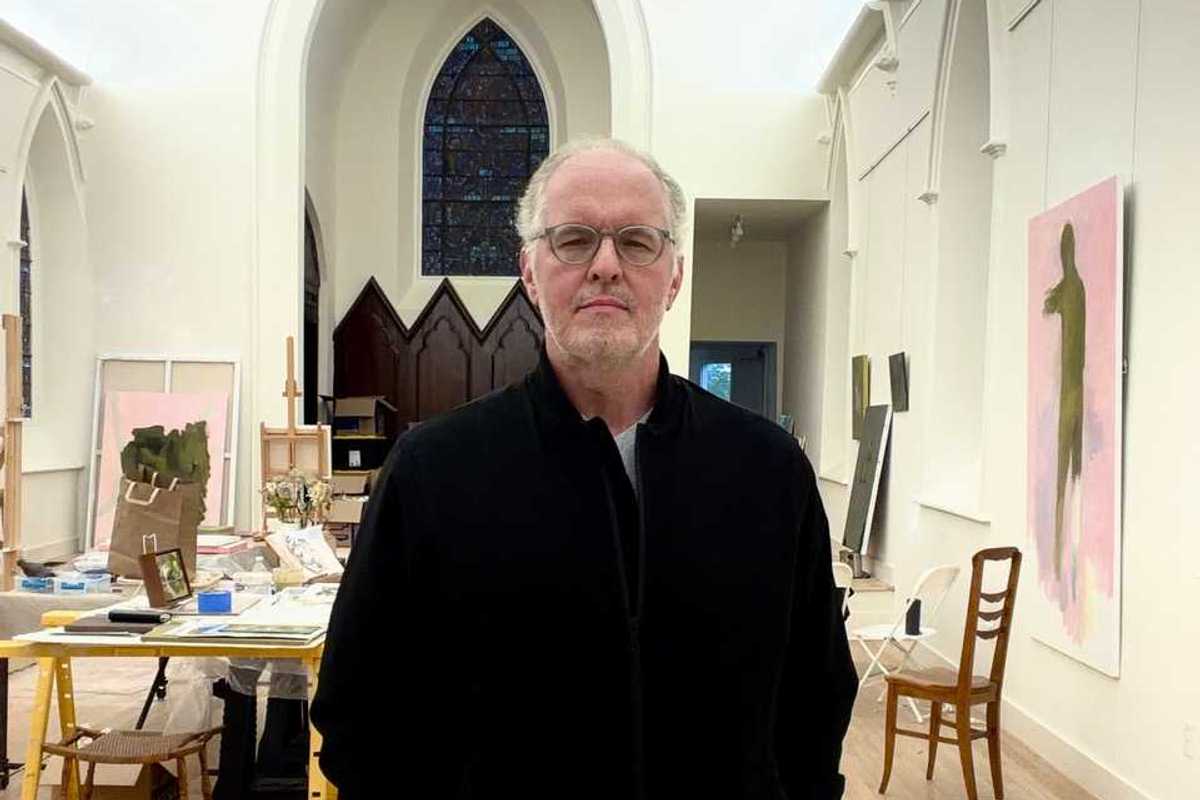
Peter Cusack in his studio.
Provided

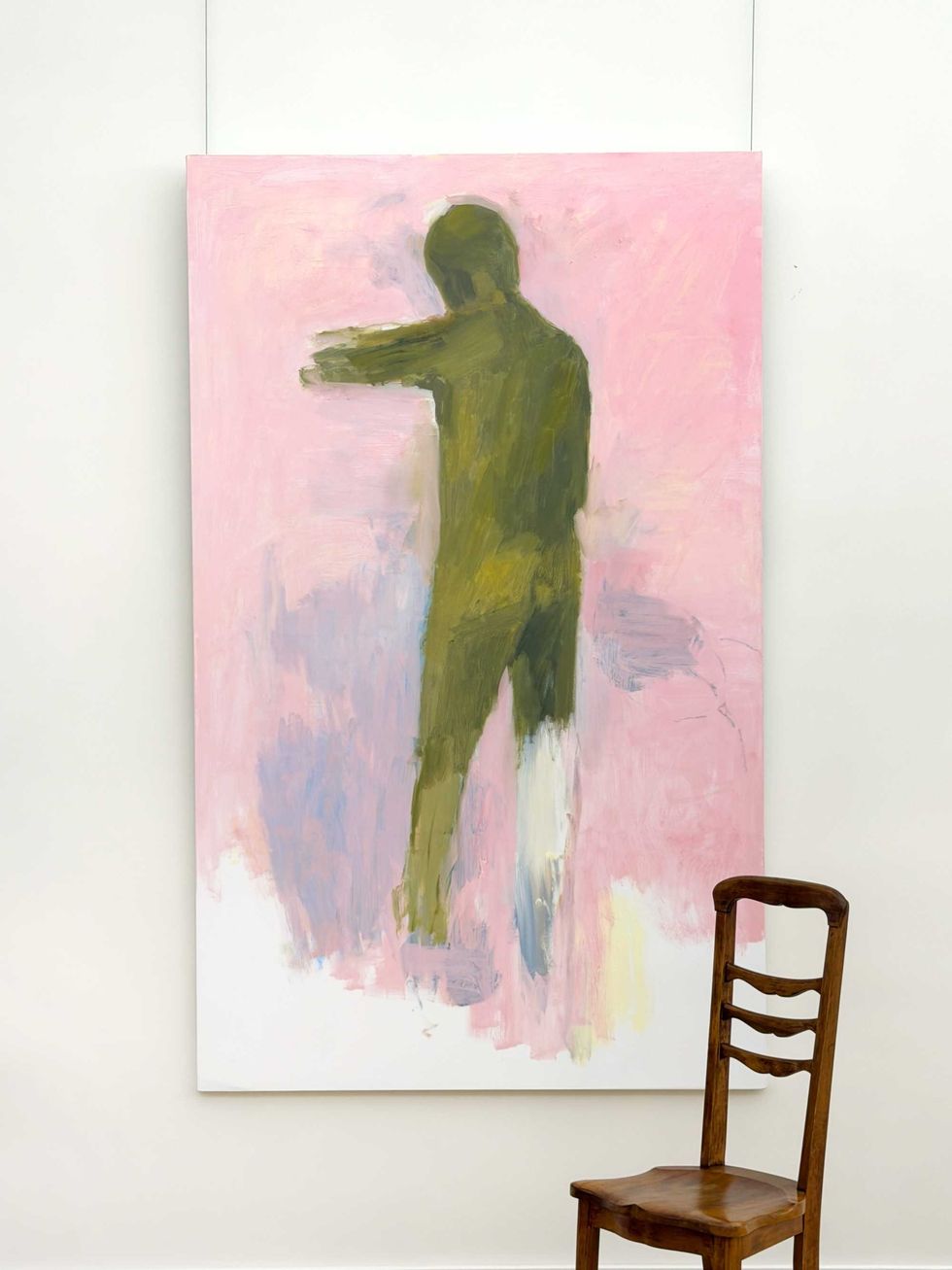
“I think art is the thing that allows us to feel there’s something in the universe that loves us,” said painter Peter Cusack in his new studio, a mid-19th-century stone church on Main Street in North Canaan.

For Cusack, art has always been a way of reaching toward something beyond the physical world. That sensibility runs through “Eternal: New, Recent, and Near Distant Paintings,” his upcoming exhibition in the church, a setting that seems an improbably good fit.

Keep ReadingShow less
Mike Selbach finds the extraordinary in everyday life
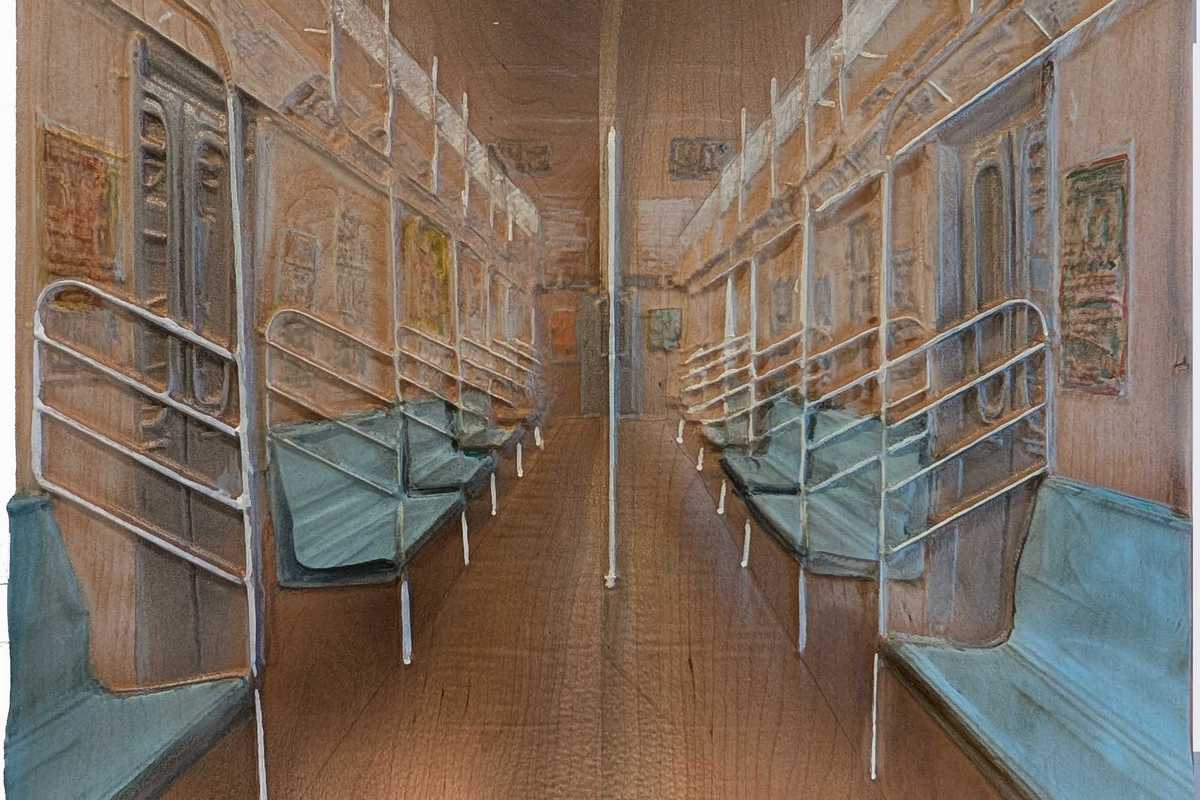
“R46 Interior” (2026). Solid cherry and acrylic, 21” x 26.75” x 0.75”
Provided

Subway stations may seem unlikely places to encounter the divine, but amid the rumble of trains, the crush of commuters and the cavernous underground passageways, Salisbury artist Mike Selbach finds moments of unexpected beauty.

In “Subway Saints,” his solo exhibition opening Thursday, Nov. 12 at the Warren Family Gallery at Berkshire School in Sheffield, Massachusetts, Selbach transforms ordinary commuters and familiar transit spaces into sacred moments.

Keep ReadingShow less

Winding down in Fall? Think again.

Winding down in Fall? Think again.

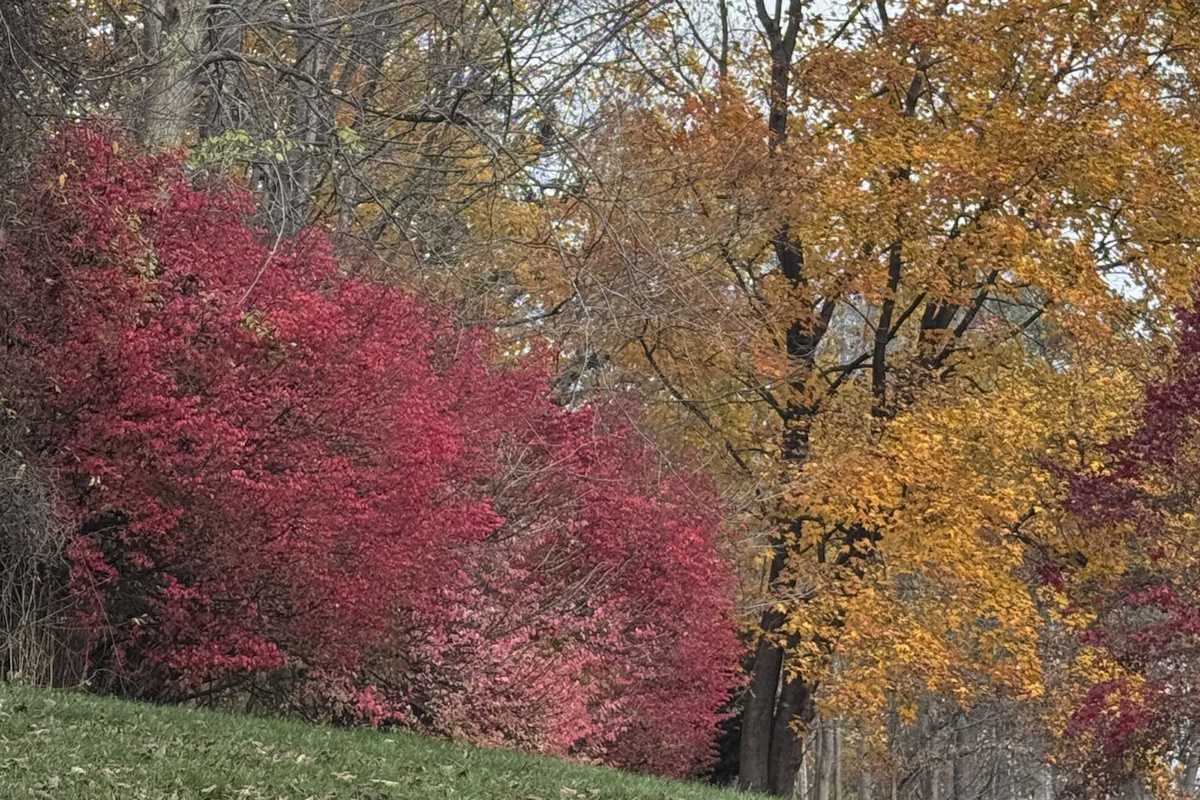
Putting the garden to bed is not just a metaphor; some blanket trees and shrubs with mulch and burlap. Think of leaves as nature’s blanket, giving precious caterpillars and other insects food, shelter and warmth during the winter. Gentle treatment of leaves now will give insects the best chance of surviving and feeding baby birds in the spring. A gentle blow or rake to move leaves from footpaths into woodland margins or under trees will work. But do not shred or mulch leaves or pile them up too densely, as this will kill the life overwintering there.

For me, fall, especially late fall, is an opportune time for action rather than winding down. Poison ivy has disappeared and, as the days get colder, tick numbers decline (still, no complacency on ticks!). Most of all, now is when the major invasive offenders are easiest to see and eradicate.

Keep ReadingShow less
google preferred source

Want more of our stories on Google? Click here to make us a Preferred Source.

google preferred source

Want more of our stories on Google? Click here to make us a Preferred Source.