Thank you!
Your support is sustaining the future of local news in our communities.

Richard Hooley retires as BOCES superintendent

Richard Hooley retires as BOCES superintendent
Dutchess County BOCES Superintendent Richard Hooley retired after six years and said he is ready to travel and take time for some much needed R&R. Photo submitted

SALT POINT — When the Dutchess County Board of Cooperative Educational Services (BOCES) Board of Trustees accepted a resignation letter from District Superintendent Richard Hooley on Dec. 9, 2020, his retirement date of Aug. 31, 2001  seemed a long way off. Yet it finally arrived this past week, and as of Sept. 1, Hooley will start what hopefully will be a long, happy and well-deserved retirement.

Hooley began his tenure at BOCES in September of 2015 as its district superintendent. Prior to that he was superintendent of the Valley Central School District in Montgomery, Orange County.  

According to BOCES Board President Edward L. McCormick, “Richard hit the ground running and he… hasn’t had a moment’s rest since coming here and he’s never complained. He’s all about BOCES and BOCES children.”

McCormick added that accepting Hooley’s resignation was a bittersweet moment, especially as Deputy Superintendent Cora Stemple also announced her retirement at that same December 2020 meeting. 

Hooley praised Stemple. He said that they had worked closely together for those six years. He recalled one highlight of their tenure getting the public to vote and approve a $36.8 million capital improvement project that allowed the Alternative High School and Career and Technical Institute to be located at a single campus at Salt Point. 

Prior to that approval, it was more than 50 years since a capital project had been approved at BOCES. The COVID-19 pandemic has caused some delays, but the project has moved forward and is currently underway at Salt Point.

Of his six years at BOCES, Hooley said, “This has been a wonderful experience with a terrific team.” 

Noting how much has been accomplished during his time there, Hooley said he will not only miss the work, but he will also miss the people he worked with.

Among the accomplishments he is most proud of include making great strides in placing a focus on academics for BOCES students, especially in writing, literature and technology. He noted he had “great school superintendents to work with in the 13 districts he oversaw, 10 of them new, and coming in the midst of a pandemic. This was difficult because things kept changing and one had to figure out what the needs were and the guidelines, almost on a weekly basis.” 

Hooley said he feels he and Stemple are leaving BOCES in good order and in capable hands. Those are the hands of Jodi DeLucia, named deputy superintendent after being in the Dutchess BOCES Educational Resources Division for 16 years. She took over for Stemple on July 19. 

Taking over the post of district superintendent is Jason B. Schetelick, unanimously appointed to the post effective Sept. 1, by the Dutchess County BOCES Board of Education at its June 9 meeting. 

Schetelick was the executive director of the Career and Technical Education (CTE) in Jersey City Public Schools since 2013; he most recently served as deputy superintendent.

He served also as superintendent in the New Jersey school districts of Bloomfield, Barnegat and Great Meadows, using his strong background in technical education and workforce development. Schetelick begins his new position on Sept. 2.

As to his future plans, Hooley, although not originally from New York, said he has come to love it. He said has a farmhouse in Poughkeepsie, just waiting for some do-it-yourself projects to be tackled. He also loves to garden and travel. 

Those who know him may have a difficult time believing he won’t miss his work in education after so many years in that world. But certainly it’s easy to believe they will all wish him well in the coming years, and praise him for a job well done for the years he spent at BOCES.

Latest News

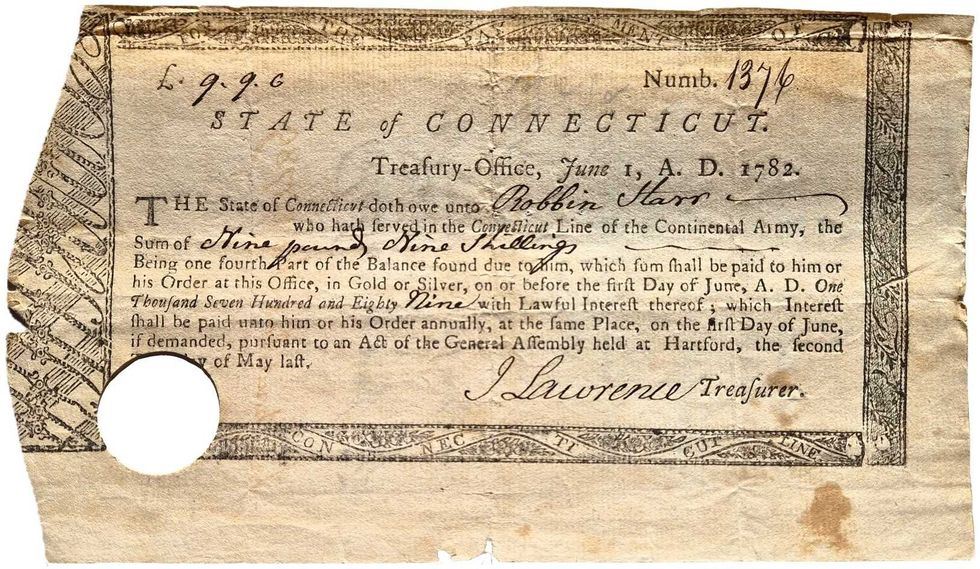
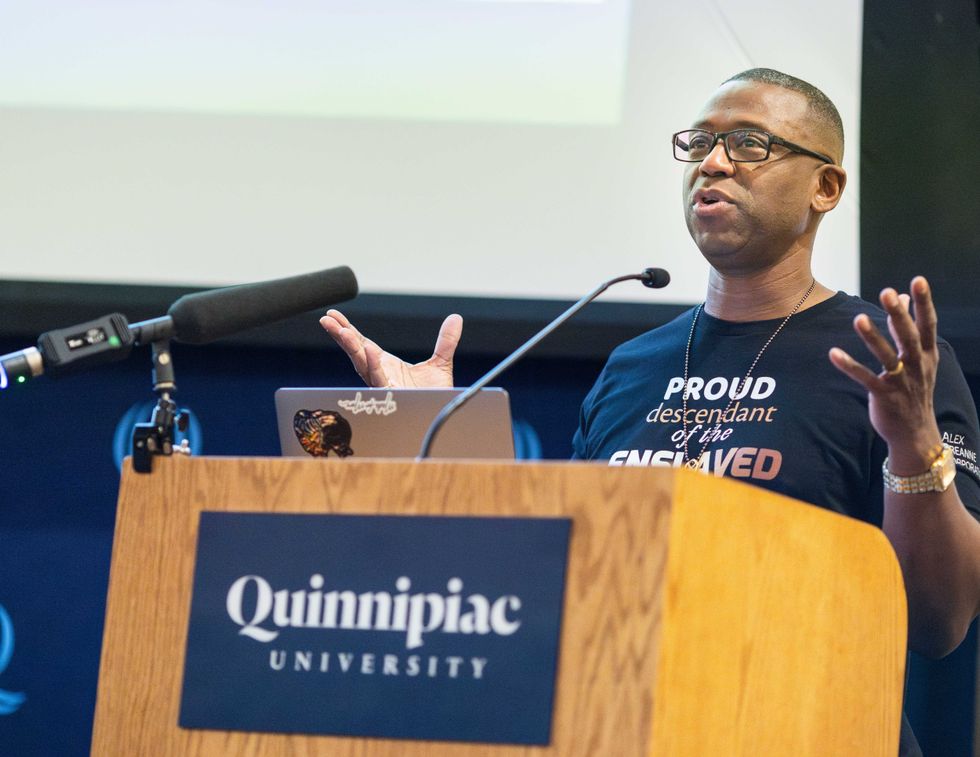
Cornwall Historical Society celebrates Connecticut’s Black patriots

On Saturday, Oct. 24, at the Cornwall Historical Society, author and genealogist John Mills will breathe new life into the stories of some of Connecticut’s more underappreciated patriots. The reason these heroes were forgotten? They were Black.

At a time when white colonists were fighting for their own liberty and political independence, many Black men who fought alongside them remained enslaved. Some risked their lives only to return to bondage. Though enslaved people were promised freedom from both sides of the Revolutionary War in exchange for their service, Great Britain, too, was still deeply dependent on slavery. For Black people in America, the war presented both extraordinary risks and uncertain paths to the freedom that white colonists were demanding for themselves.

Keep ReadingShow less

A sanctuary for second chances

A sanctuary for second chances

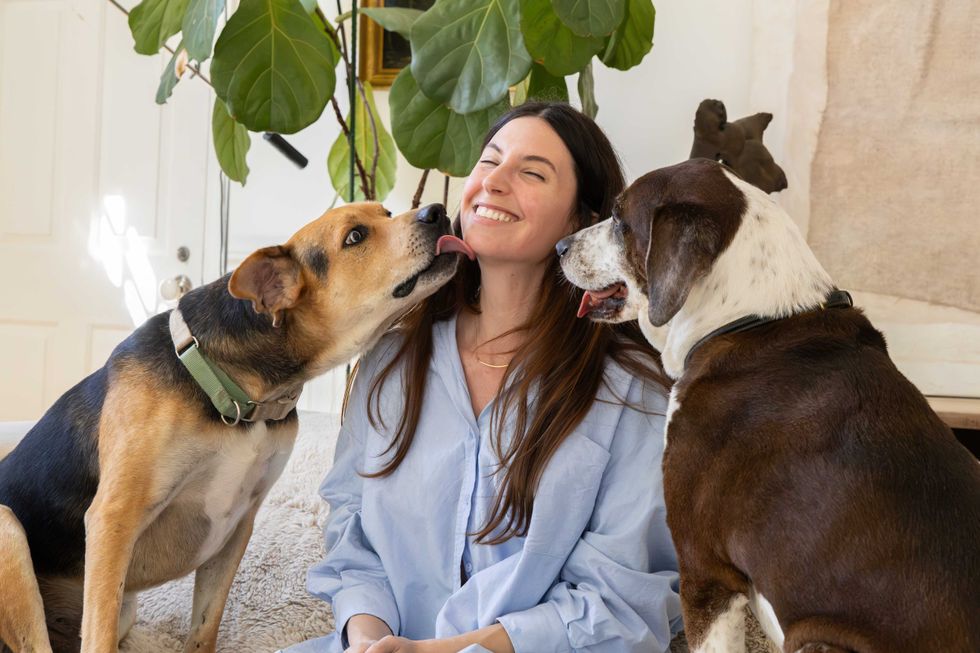
Stephanie Saetta runs Charlie Chicken Bones, a sanctuary in Salisbury.

Madi Long
You only get one or two of these soul connection dogs, so I do this in his honor.
— Stephanie Saetta

Stephanie Saetta has spent much of her life caring for others. A physician at White Plains Hospital, she has another calling at home in Salisbury — one that has four legs and a wagging tail. She runs Charlie Chicken Bone Sanctuary, a nonprofit dog rescue that brings dogs from overcrowded pounds and the streets of Texas to foster homes in northwestern Connecticut, where they can begin again.

The sanctuary is named for Charlie, the dog who taught her how special a bond between a person and rescue animal can be.

Keep ReadingShow less
google preferred source

Want more of our stories on Google? Click here to make us a Preferred Source.

Big ideas come to Lenox for inaugural field festival

Hunter Runnette, founder and board chair of field, has spent years fostering arts and cultural programming in the Berkshires.

Provided

What do joy, gardening, artificial intelligence, the American experiment and the creative process have in common? Quite a lot, as it turns out, at least when some of the world’s most compelling thinkers get together to talk about them.

From Friday, Oct. 23, through Sunday, Oct. 25, Lenox, Massachusetts, will host the inaugural field festival, a three-day gathering of writers, artists, scholars and cultural figures at Shakespeare & Company. Billed as a festival of ideas, entertainment, learning and discovery, field brings together an impressive roster of voices to explore everything from the deeply personal to the profoundly political.

Keep ReadingShow less
The Pink House AM is serving up community

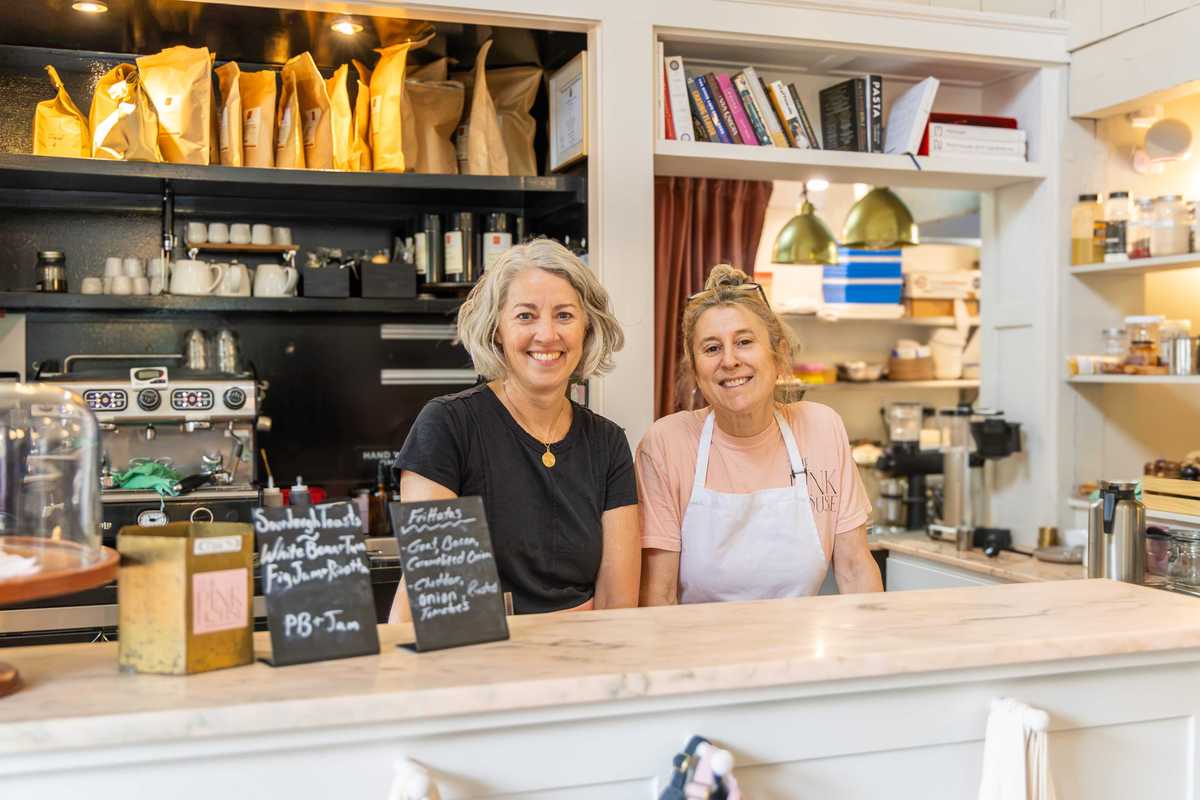
Mare Rubin and Maggie Levine of the Pink House AM.

Madi Long

It all started with a yoga class. Mare Rubin was working on her second act after leaving the Upper West Side, where she’d raised a family and worked in corporate marketing. Newly empty nesters, she and her husband decided to move to the wilds of northwestern Connecticut, where they had spent 15 years as weekenders, to see what life in the woods had in store for them.

Rubin started teaching yoga classes at the Union in West Cornwall, a space designated by the town of Cornwall as a community hub with couches, Wi-Fi, occasional events and a growing yoga class schedule. She was adjusting well but missed one important thing about city life: a casual coffee shop.

Keep ReadingShow less
Sons of Astro are musicians, friends and bandmates — in that order

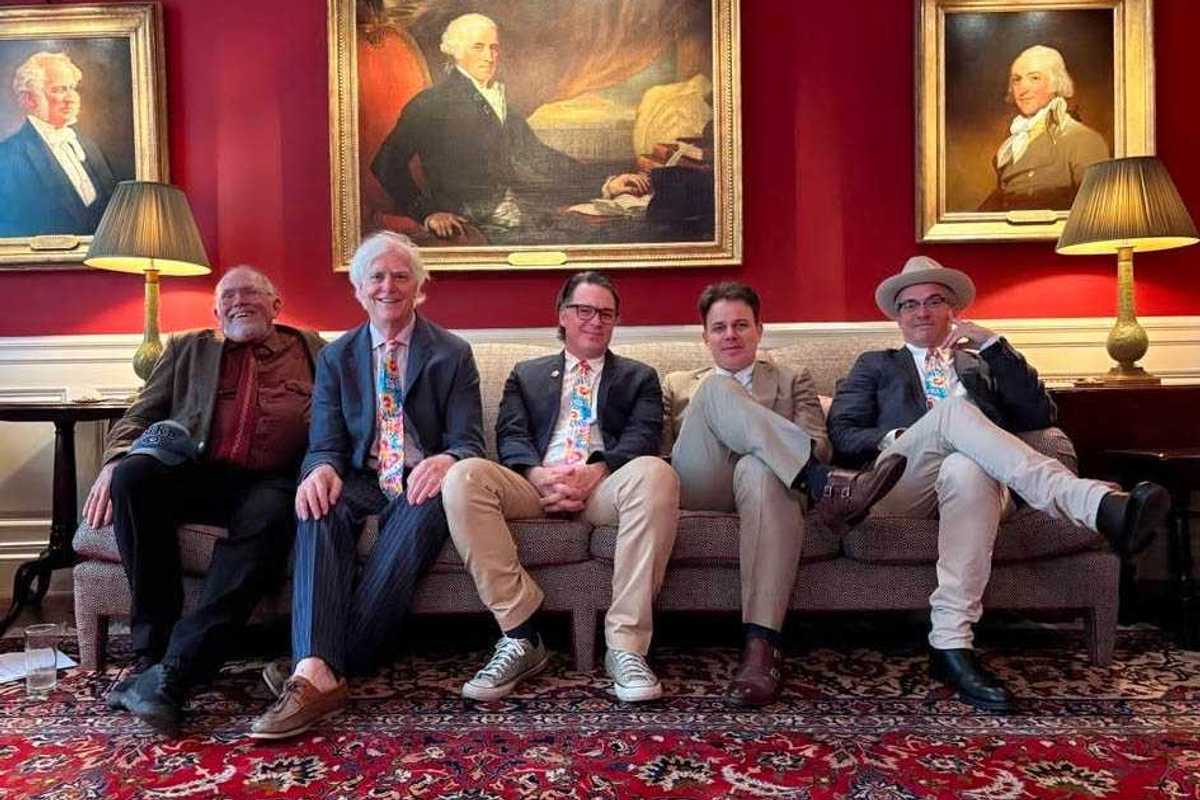
The Sons of Astro will be at the Common Pub in Housatonic on Oct. 24 and the 2nd Home Lounge in Winsted on Nov. 14.

Provided

No matter where they are in the world, musicians seem to find other musicians. There’s a shared language, a shared experience of being on stage and performing, and a shared enthusiasm for making those melodies by themselves or together. Such is the case with Norfolk and Brooklyn-based cosmic Americana band Sons of Astro.

That magnetic musicians’ bond drew Brooklyn-based singer-songwriter and multi-instrumentalist Mike Cobb into the orbit of singer-songwriter and multi-instrumentalist Matt Statler. The two neighbors took to each other right away and were soon playing open mics together. As an ethics professor at NYU’s Stern School of Business, Statler made the case that if he sat in for Cobb’s set and Cobb sat in for Statler’s, they could play together and double their stage time. Clearly, these men wanted to make as much music as possible. That became a little harder when Cobb and his family moved up to Norfolk, Connecticut.

Keep ReadingShow less
google preferred source

Want more of our stories on Google? Click here to make us a Preferred Source.

google preferred source

Want more of our stories on Google? Click here to make us a Preferred Source.