Millbrook local leads tech startups from solar-powered farmhouse

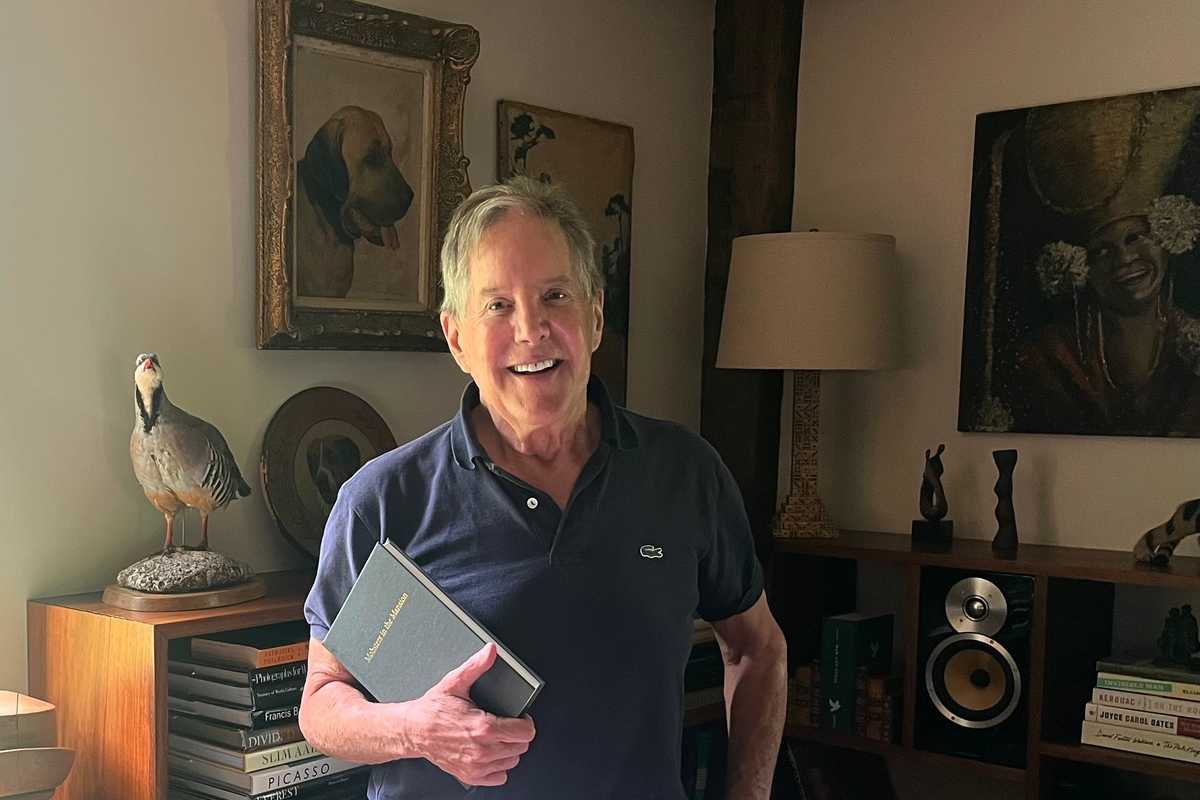
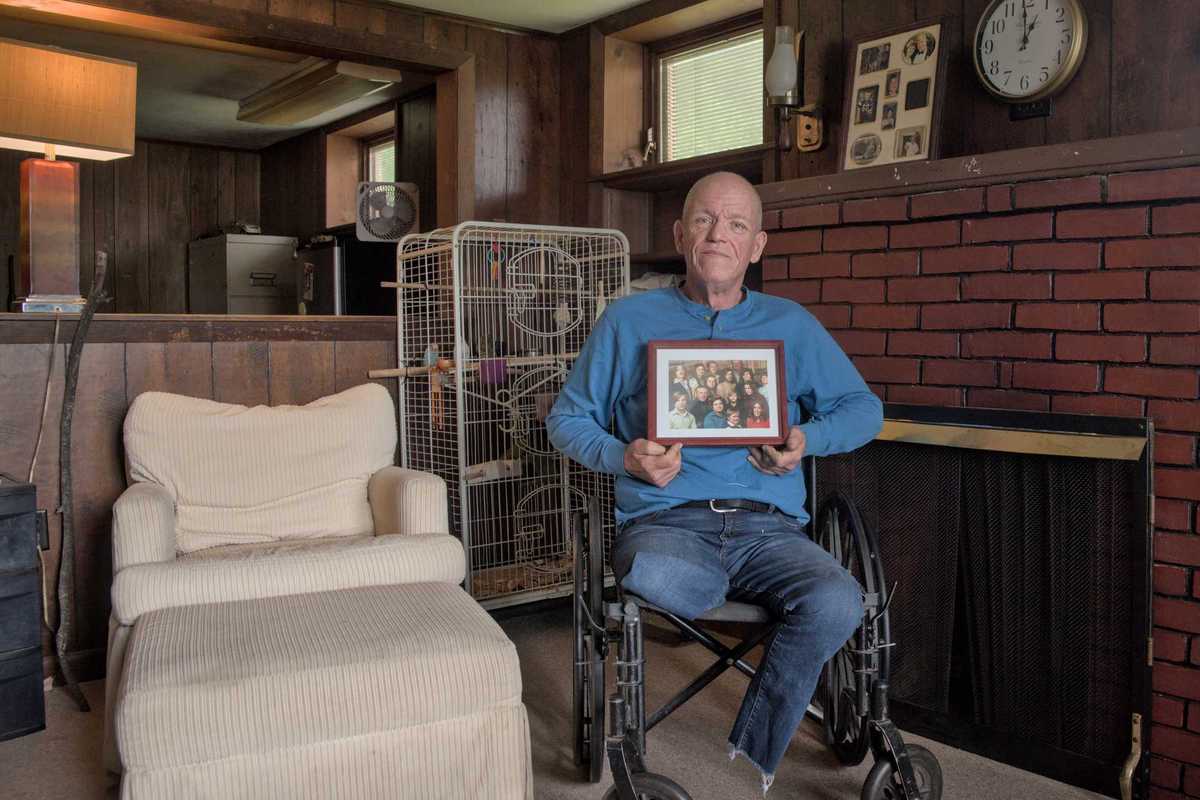
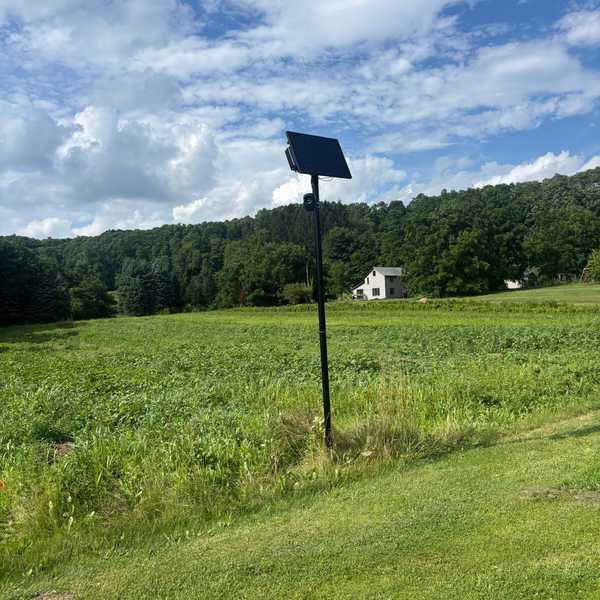
John Merryman stands in front of a ground-mounted solar panel array that supplies electricity to his home in Millbrook.
Photo by Graham Corrigan

John Merryman stands in front of a ground-mounted solar panel array that supplies electricity to his home in Millbrook.
MILLBROOK — Technology and tradition are often at odds. But on John Merryman’s Millbrook property, they have coalesced. Familiar sights remain: The knees of his jeans are spattered with mud after a morning planting grass seed. The tires of his solar-powered farm cart are similarly smudged. It’s just another day tending to the various needs of Merryfield Farm, Merryman’s Millbrook horse farm.
Merryman purchased the property in 2022, seeking to turn aging stables into a haven for his passions. Since then, he’s turned the property into a home for his tech business and his horses.
Many of Merryman’s chores are standard fare. His beets and potatoes are already in the ground, and the horses always need looking after. Others, however, hint at the bright-eyed farmer’s many interests. Maintaining the fiber optic cables that run all over Merryfield, for example, or trimming the shrubs growing around Merryman’s massive solar panel array to allow for maximum exposure. Some afternoons, he welds. Others, he uses his pilot’s license to take to the air.
Then there’s the inside work, those moments when Merryman steps inside to check the status of his AI team. There’s a bank of four monitors in his office. Some are filled with computer code, others showing new updates for Merryman’s latest tech venture, a Ticketmaster competitor called PlayHouse.
It’s a dichotomy echoed in the property itself. “The barn and house were rented out, and they weren’t taking care of it,” said Merryman, who grew up in nearby Irvington. “I love projects. I love working with my hands and building things. And it’s kind of what I do for work, but it’s also what I do for fun.”
Merryman’s career grew on a track parallel with that of the internet. He was fascinated by computers from a young age. His first consulting job came when he was still in high school — Merryman built an HR database for the French bank Credit Lyonnais.
Soon thereafter, he graduated from Johns Hopkins in the midst of the dot-com boom and quickly found work as a sales engineer in New York City.“Everyone knew the internet was going to be big,” Merryman said. “People’s behavior was fundamentally changing.”
But it wasn’t changing fast enough. “The companies building products for the Internet were so far out ahead of customers’ behavior change,” he said. “They were assuming that this huge amount of revenue would materialize. It took longer than anyone thought.”
By the end of 2002, the dot-com bubble had burst, wiping out about $5 trillion from the economy and causing a recession. The similarities to the current AI frenzy are not lost on Merryman. “I think it’s likely that there will be some high profile bankruptcies or contractions,” he said. “But I do fundamentally believe that AI is legitimately incredibly valuable. I just think it’s going to take people longer than they think to use it.”
Merryman landed on his feet after the crash. His first CTO job was at Yodle, an online advertising startup. Merryman was the eighth employee — when he left 10 years later, the company numbered over 1,500. “I was definitely on the front lines,” he said. “I was an active coder, did a lot of hiring, figured out how to get people across multiple functions to work well together.”
By the time Yodle was bought out in 2016, Merryman was seeing a shift in the industry: archaic systems were being replaced wholecloth by technologies that could perform their simple tasks without the clutter of spreadsheets and manual data entry.
The AI revolution was still in its infancy, but it wasn’t long before Merryman saw opportunities to test its mettle. He partnered with a former co-worker from Yodle, Brian Battjer, to create TowFlow.ai, a system that automates barge logistics for commodities traders. Merryman was encouraged by how quickly the program could catch an antiquated process up to speed. “You’re catching people up to speed who otherwise would be left in the dust,” he said. “It’s never scaled to the point where we’re going to take away all their jobs … we want to make them more efficient at busy work.”
The two linked again when Battjer was approached by an old friend, Tyson Ritter. Ritter is the lead singer of All-American Rejects, a rock band popular in the early 2000s. The band saw their popularity spike unexpectedly last year when, fed up with Ticketmaster prices and fees, they started performing at unconventional venues like backyards and roller rinks.
Ritter reached out to Battjer about turning the concept into something repeatable, that other bands could use to escape Ticketmaster’s predation. Battjer turned to Merryman, and the two started building the infrastructure for PlayHouse.
Merryman saw the AI potential immediately. Using a combination of Claude Code and Cursor, he built a platform where local fans can express interest in seeing a specific band. If enough people show an interest, the bands can start selling tickets and looking for a venue.
“As an artist, you can prove your demand before you lock in a venue,” Ritter told Forbes earlier this month. “you can throw your weight into a room and say, ‘Hey, I’ve got 150 tickets sold. I need a place to do it.’”
“I like having an impact,” Merryman said. “I like building something that people actually use. It felt like fundamentally, there is a real need for this…anybody who knows much about what Ticketmaster has done does not like them.”
That includes the federal government. Last month, a jury found Ticketmaster guilty of antitrust violations, including overcharging for tickets and a monopoly over concert venues.
The full ramifications of the ruling have yet to be felt, but the need for an alternative is clear. Merryman is building one from his farm, using little more than his four monitors and a server.
“Those tools have done everything from build the code to run operations,” Merryman said. “I troubleshoot when things go wrong, but you can get an enormous multiple on your productivity.”
PlayHouse is currently fielding applications from more than 60,000 bands. They’ll be rolling out new artists each week, and in the meantime, Merryman has plenty to keep him occupied. “I enjoy the act of figuring something out,” he said. “If something’s hard, I want to figure it out even more.”
Aly Morrissey
Heavy stone garden ornaments, a specialty of Judy Milne Antiques from Kingston, at Trade Secrets 2025.
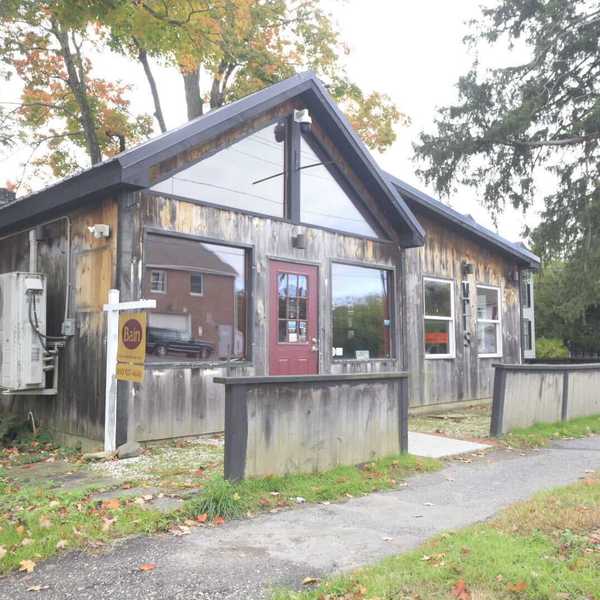
Tucked away on Porter Street in downtown Lakeville, Project SAGE is an unassuming building from a street view. But cross the threshold a week before Trade Secrets — one of the region’s biggest gardening events, long associated with Martha Stewart and glamorous plants of all varieties — and you’ll find a bustling world of employees and volunteers getting ready for the organization’s most important event of the year.
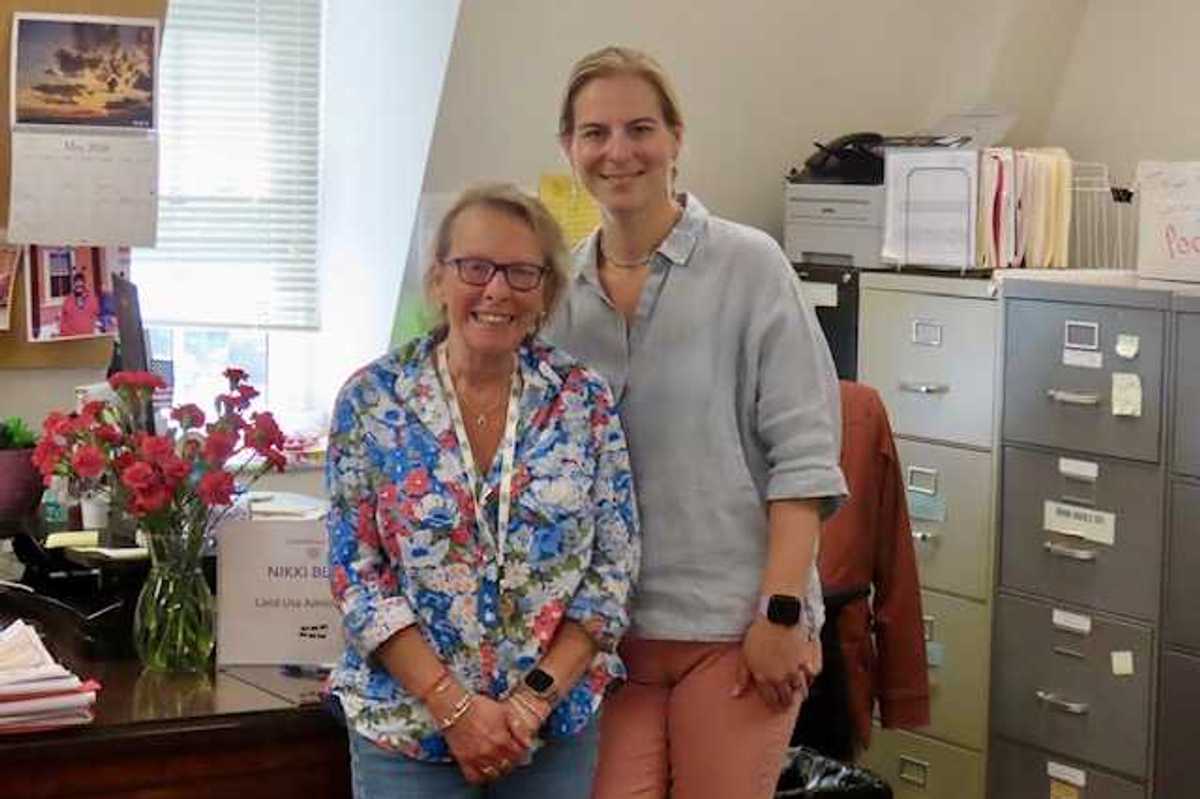
“It’s not usually like this,’ laughed Project SAGE director Kristen van Ginhoven. “But with Trade Secrets just around the corner, it’s definitely like this.”
Van Ginhoven points to towers of boxes containing event programs, various ribbons, elegant decor and stacks of magazines, all in preparation for the event.
Project SAGE will celebrate its 26th year hosting Trade Secrets, but it’s so much more than a garden event.
“It’s a fundraiser for domestic violence prevention and intervention,” van Ginhoven said. “Anybody who attends knows they’re supporting a really meaningful and important cause.”
The fundraiser accounts for at least 30 percent of the organization’s overall budget, she said, and attracts around 3,000 people from across the region each year, creating an unmatched opportunity for Project SAGE to share its mission and generate support.
The event, though expensive to produce, generates enough income to significantly support Project SAGE’s direct services and prevention services.
Officials said a wave of new underwriters have emerged this year.
“We’re very grateful, because we live in a time when funding is uncertain,” van Ginhoven said.
Hundreds of copies of the annual Trade Secrets guide sat at Project SAGE headquarters, ready for distribution at the event. The book doubles as a domestic violence resource, complete with warning signs, myth-busting information and scripts for difficult conversations.
Volunteers will be present throughout the event to connect with community members. Each volunteer must be certified as a domestic violence counselor in order to work with Project SAGE.
“It means they can help us drive clients, move clients, take them to appointments or the grocery store,” van Ginhoven said.
Project SAGE officials said education about domestic violence should start early. The organization has developed a comprehensive curriculum spanning early childhood through grade 12 and visits schools throughout the region. The class of 2026 will be the first graduating class at Housatonic Valley Regional High School to have received all four years of training from Project SAGE.

The organization’s partnerships extend throughout the region and include on-site training in schools and nonprofit organizations, including the Sharon Playhouse. Community support also goes directly to Project SAGE, including a recently donated array of colorful gift bags bearing positing affirmations and filled with toiletries and basic necessities from students at the Frederick Gunn School in Washington, Connecticut.
The people who visit Project SAGE have often left uncomfortable or dangerous situations and leave without any belongings.
“Some of them have nothing,” van Ginhoven said. “They just show up because they had the courage to leave.”
Project SAGE staff say many referrals come through local hospitals, police and sister agencies.
The organization serves people in Connecticut, Massachusetts and New York.
With the stress of event planning mounting, van Ginhoven spent a “previous life” preparing for this exact moment. She spent 30 working at the intersection of arts and activism, having co-founded WAM Theatre, a Lenox-based organization focused on stories and issues affecting those who self-identify as women and girls. During her tenure, WAM donated $100,000 to 25 local and global organizations working toward gender equity in areas such as girls’ education, teen pregnancy prevention, gender-based violence, sexual trafficking awareness and midwife training.
“I love the adrenaline of putting on a show,” van Ginhoven said with a laugh. With the help of volunteers and organizers, she said she isn’t bothered by the stress.
“The show will go on,” she said.
Jennifer Almquist
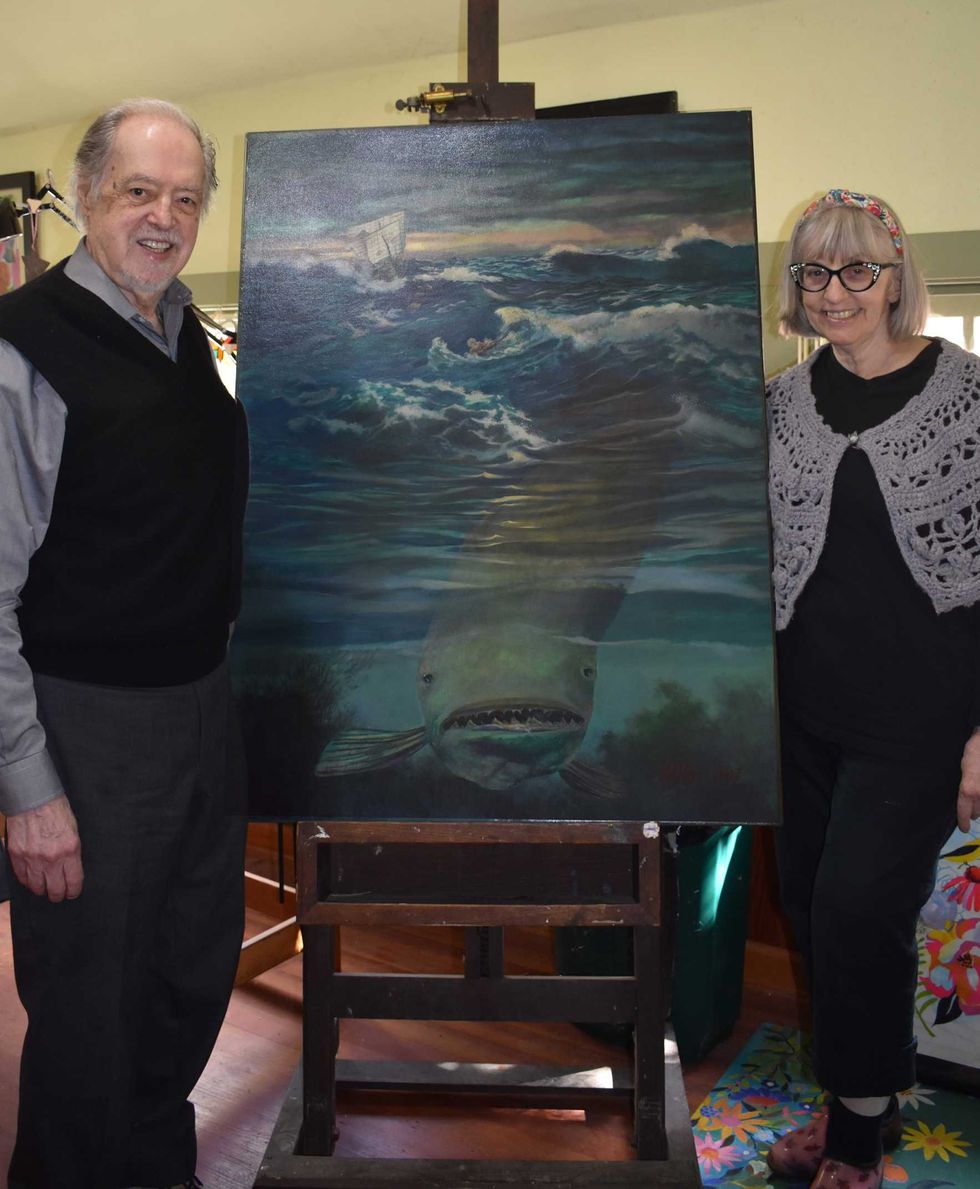
Caroline Kinsolving and Gary Capozzielo at home in Salisbury with their dogs, Petruchio and Beatrice
"He played his violin, I worked on my lines, we walked the dog, and suddenly we were circling each other perfectly."
Caroline Kinsolving
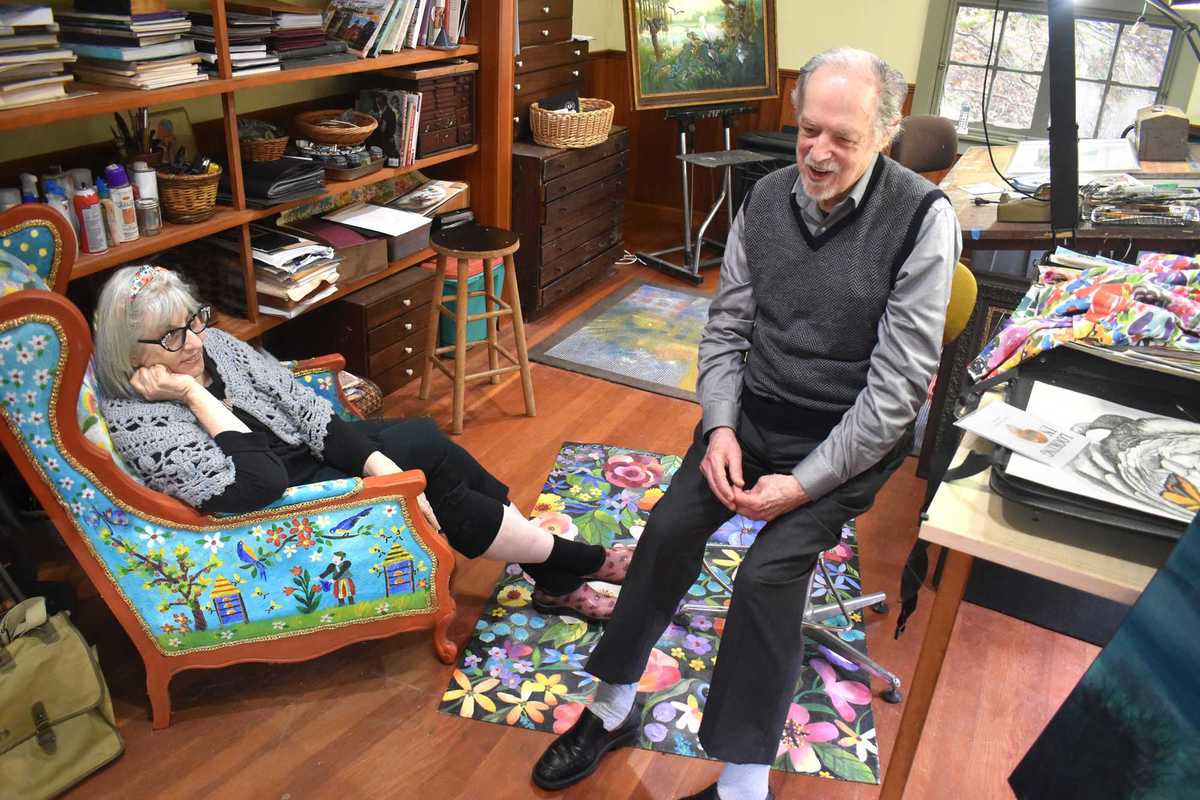
Actor Caroline Kinsolving and violinist Gary Capozziello enjoy their quiet life with their two dogs in Salisbury, yet are often pulled apart to perform on distant stages in far-flung cities. Currently, the planets have aligned, and both are working in Hartford, across Bushnell Park from one another. Bridgewater native Kinsolving is starring in “Circus Fire,” the current production of TheaterWorks Hartford, while Capozziello is a violinist and assistant concertmaster of the Hartford Symphony Orchestra. While Kinsolving hates being away from home, she feels the distance nourishes their relationship.
“We are guardians of each other’s confidence and self-esteem,” she said.
“We met during the pandemic, a bleak time,” Kinsolving said. “On our first date, we met at The Hickory Stick Bookshop and walked outside six feet apart. We fell in love.”
They lived in a tiny studio near Averill Farm in Washington, Connecticut.
“He played his violin, I worked on my lines, we walked the dog, and suddenly we were circling each other perfectly,” Capozziello said with a laugh. “When I told her I was a violinist, she mentioned ‘Appalachian Spring’ by Aaron Copland. I sent her a recording of me playing it, and it became our song.”
“For our wedding, we wanted all our friends and family out in the field listening to that music,” Kinsolving said. Capozziello’s friends from Orchestra New England performed the piece at their wedding.
“Circus Fire,” written by Connecticut’s own Jacques Lamarre and directed by Jared Mezzocchi, is a multimedia world-premiere tribute to the Hartford Circus Fire. On July 6, 1944, the big top of the Ringling Bros. and Barnum & Bailey Circus caught fire, killing 167 and injuring 700 in Connecticut’s worst fire disaster.
Capozziello, who grew up in Fairfield, began: “I came from very limited means, though my parents gave me the kind of support that mattered most. I had a hard time in school. My music teachers, noticing my knack for music, kept me in school.” As he became a teenager, he realized how demanding classical violin truly is. “I had the honor of playing in a master class for Isaac Stern when I was 18,” he said. “That was the wake-up call. He was relentless with my intonation, telling me I must ‘feel the fire in my belly.’”
At SUNY Purchase, he “met a wonderful violin teacher who taught me to play, study and practice five hours a day.” After studying at the New England Conservatory, Capozziello earned his doctorate from The Hartt School in 2018. He now teaches at The Hotchkiss School and performs with the Hartford Symphony.
He explained that his role as assistant concertmaster is the direct line between conductor and musicians, and that the orchestra is “a family dynamic, a democratic unit, truly a living, breathing organism.”

On May 2, Capozziello was soloist with Orchestra New England, performing the world premiere of Neely Bruce’s “Concerto for Violin,” along with “The River” by Jan Swafford and Aaron Copland’s “Appalachian Spring” at Battell Chapel at Yale.
“I care about bringing classical music into communities and spaces where people may not expect it,” said Capozziello.“Music is most powerful to me when it feels alive, humanand accessible, not distant or formal.”
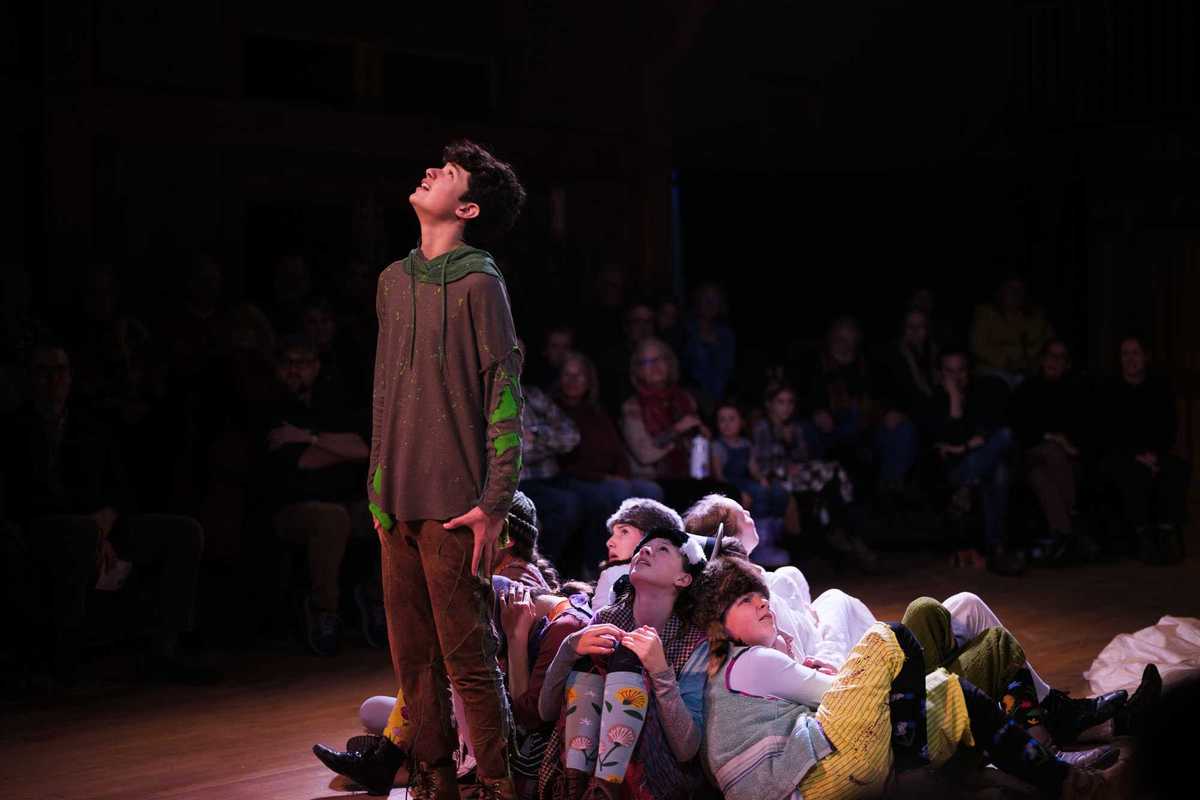
For 20 years, Kinsolving has acted in film, television and theater in London, New York and Los Angeles. “I was first onstage at Washington Montessori School playing Peter Pan,” she said. “I improvised a line, got a laugh and liked the feeling.”
She enjoys performing Shakespeare. “I love Titania’s monologue because it speaks to our current climate crisis. Lady Macbeth surprised me. I fell in love with her while I was doing it. I could play those scenes forever; so much range and depth to explore,” she said.
Kinsolving added, “I love Shakespeare’s comedies for the fun and rhythm. I have loved Rosalind, Viola, Olivia, Helena and Kate, yet the top of my bucket list is Beatrice. Each character reflects a shade of my soul. Shakespeare had the brilliance to illuminate them. If I ever get a tattoo, it will be a list of their names.”
Kinsolving, whose parents, poet Susan Kinsolving and author William Kinsolving, live in Lakeville, studied at Milton Academy, universities in China, and Vassar College. Her theater training includes Stella Adler Studio of Acting, Royal Academy of Dramatic Art in London, Yale Drama Intensive and she is currently studying online through Juilliard.. She founded Theatre for Good, which donates its proceeds to charity.
Both artists are looking forward to June, when they will have more time to spend with their dogs.

Want more of our stories on Google? Click here to make us a Preferred Source.
Natalia Zukerman
Nate King, “When I Was Younger And Now That I’m Older,” 2026, Digital projection, digital animation, photography.
The Wassaic Project, the 8,000-square-foot, seven-story former grain elevator transformed into a vibrant arts space, opens its 2026 Summer Exhibition, “Because, now is the time of monsters,” on Saturday, May 16, from 3-6 p.m. at Maxon Mills, launching a season-long presentation featuring 39 artists working across installation, performance, video and sculpture.
The opening celebration will include an afternoon of exhibitions and live programming throughout the historic mill building and its surrounding spaces. Gallery and Art Nest hours run from 12-6 p.m., with special presentations scheduled throughout the day.
Highlights include “Life’s a Game, Boy,” an end-of-year exhibition by the Wassaic Project’s JV and varsity art clubs (4-6 p.m.), showcasing work by students in grades 5-12 from across the region. At 4:30 p.m., artist Ace Lehner presents “Barbershop: The Art of Queer Failure,” a participatory performance and installation that reimagines the barbershop as a space for queer world-making through improvised haircuts and collaborative exchange. Haircuts will be given on a first-come, first-served basis.
In the evening, artist Nate King will present “When I Was Younger and Now That I’m Older” (8-10 p.m.), a projection work that transforms the facade of Maxon Mills into a shifting visual field of memory, geometry and childhood imagery, reflecting on time, age and perception.
The exhibition, organized by the Wassaic Project, will be on view through Sept. 12 and brings together a wide range of contemporary artists working in and around the Hudson Valley region. More information is available at wassaicproject.org.
Natalia Zukerman
The Hotchkiss School will launch a major new addition to its arts programming with the inaugural Hotchkiss International Piano Competition, a three-day event taking place May 15–17 in Katherine M. Elfers Hall.
The competition will bring together young pianists ages 10 to 18 from around the world, with participants representing the United States, Thailand, Korea, China, Canada, and Azerbaijan. Performers will compete across multiple age divisions, culminating in final rounds that will be open to the public, offering audiences the opportunity to hear a wide range of emerging international talent in performance.
The jury features an internationally recognized panel of performers and educators, including Artistic Directors Fabio Witkowski and Gisele Nacif Witkowski of The Hotchkiss School, alongside Gloria Chien, Olga Kern, Leonel Morales, and Álvaro Teixeira Lopes. Together, the panel brings broad global experience as performers, pedagogues, and competition jurors, and will evaluate contestants over the course of the event.
Organizers describe the competition as both a rigorous artistic platform and an opportunity for cultural exchange, emphasizing performance under professional conditions and the development of young artists at a formative stage in their careers. Winners will receive a total of $25,000 in prize awards, along with opportunities for broader recognition and future performance engagement.
The competition is made possible through founding support from the Yang and Hamabata families. Murong Yang (Class of 2008), whose experience at Hotchkiss shaped her early connection to music and the arts, and her husband Corey Hamabata envisioned a program that combines artistic rigor with personal growth and international exchange. Their support establishes the competition as part of a longer-term commitment to nurturing emerging musical talent.
“This competition offers a platform for extraordinary young artists to challenge themselves, share their artistry, and connect with a global community of musicians,” said Fabio Witkowski, Artistic Director.
The final rounds of the competition will be open to the public, inviting audiences to experience live performances from some of the most promising young pianists on the international stage.
More information is available at hotchkiss.org/piano-competition.
Natalia Zukerman
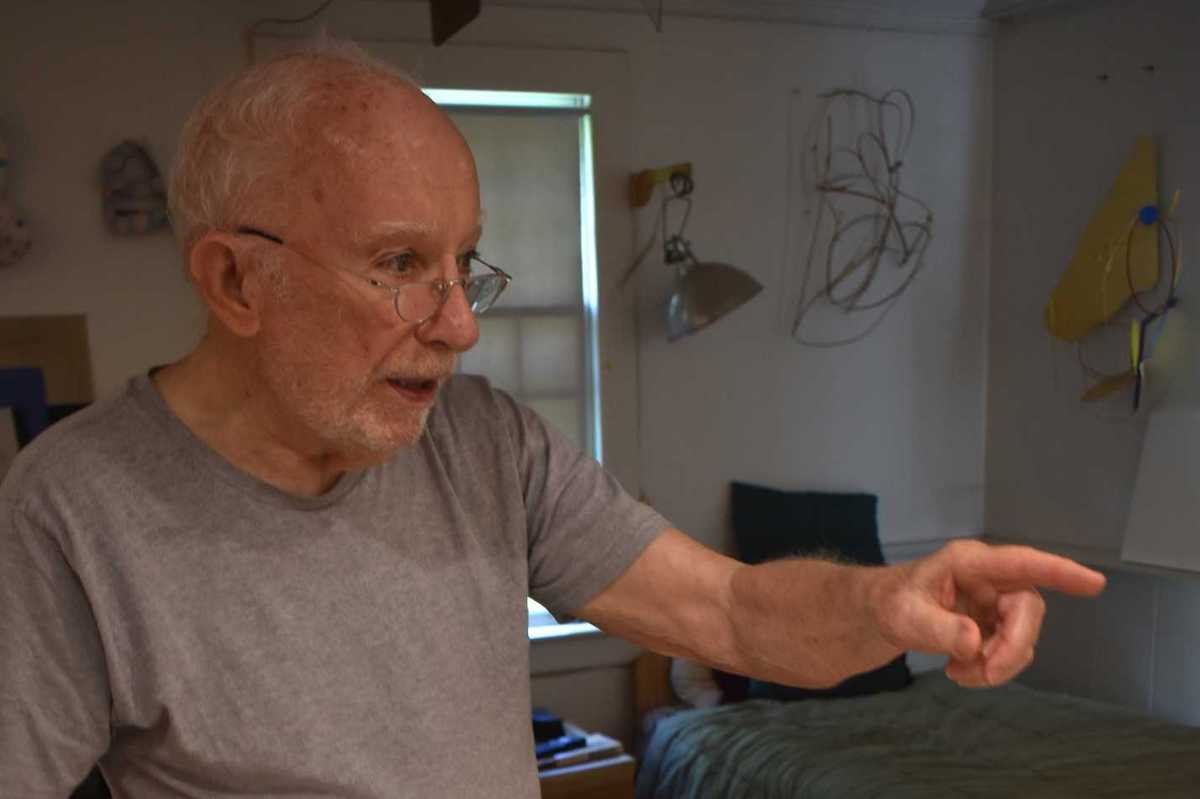
“Untitled” by Christine Domanic, one of the 37 artists featured in “Earthen Plot,” opening Friday, May 15.
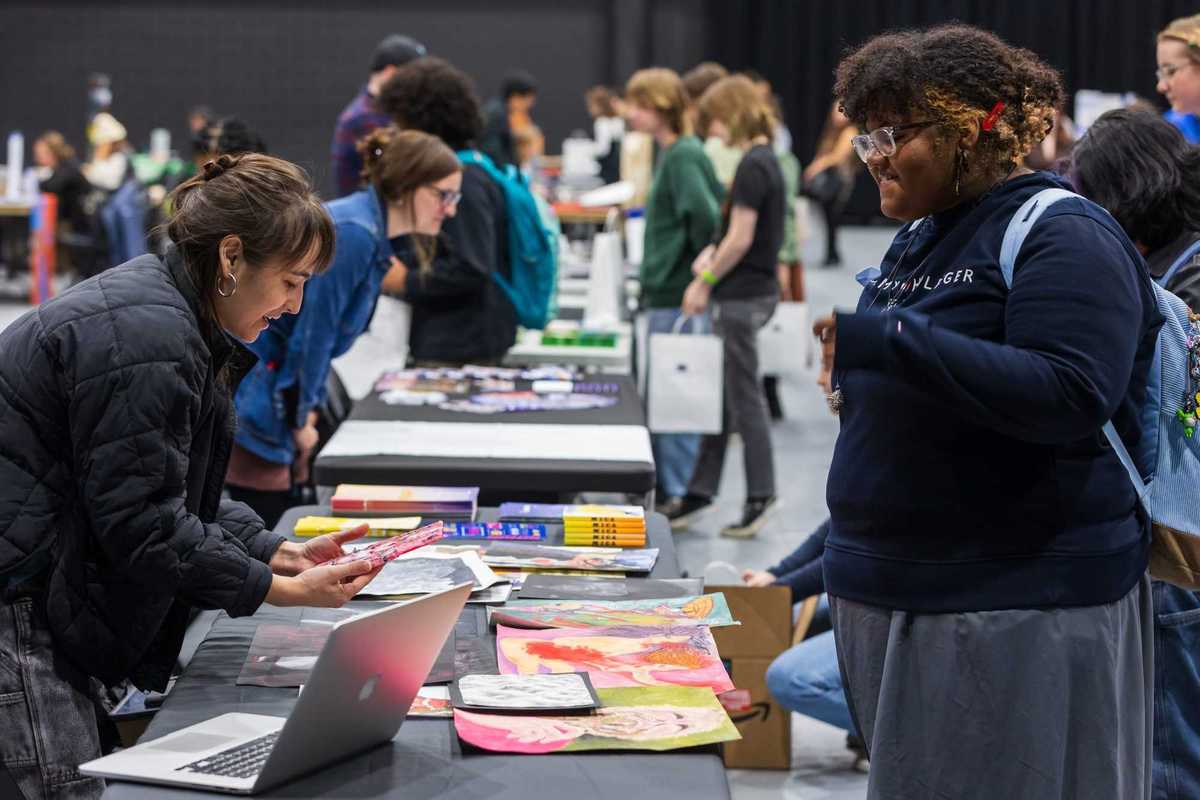
Art lovers will have an opportunity to step inside working artist’s studios across the region next weekend as Open Studios by Upstate Art Weekend returns Saturday, May 16, and Sunday, May 17, from 11 a.m. to 6 p.m.
The annual event invites the public into the creative spaces of 240 artists throughout the Hudson Valley and Catskills, offering an intimate look at artistic practices across disciplines while fostering direct connections between artists and visitors.
This year marks the first standalone edition of Open Studios. While the event previously took place alongside June’s Upstate Art Weekend festival, founder Helen Toomer said dedicating an entire weekend to studio visits allows the focus to remain fully on artists and the experience of encountering their work where it is made.
“While Open Studios previously took place alongside Upstate Art Weekend in June, dedicating an entire weekend to studios allows the focus to remain fully on the artists and the experience of visiting them in their creative spaces,” said Toomer. “We’re excited to welcome both returning and new participants this year.”
Founded in 2020, Upstate Art Weekend has grown into a major regional arts platform spotlighting artists, organizations and creative communities throughout the Hudson Valley and Catskills.
The self-guided, region-wide program transforms private studios into temporary public spaces for conversation, discovery and engagement with contemporary art.
Toomer said the shift creates a distinctly different experience from the larger June festival.
“One of the biggest differences from June is the pace and focus,” she said. “Open Studios offers a more intimate experience — giving visitors time to connect directly with artists, see where work is made, and engage more deeply with their practices.”
She added that the two events complement one another.
“Together, the two events create a meaningful balance: Open Studios in May centers the artists, while June’s Upstate Art Weekend gives participating artists the opportunity to explore the region’s museums, galleries and organizations themselves.”
This year’s Open Studios will kick off with the opening reception for “Earthen Plot,” a group exhibition curated by Toomer, from 6 to 8 p.m. Friday, May 15, at UAW headquarters in Kingston.
The exhibition features work by 37 artists selected from more than 200 Open Studios participants and explores artistic practices shaped by place — physically, spiritually and intuitively.
Through sculpture, painting, installation and ephemeral forms, “Earthen Plot” examines relationships between land, material and environment.
The exhibition will remain on view through June 29, with regular Saturday hours and extended hours during Open Studios weekend and Upstate Art Weekend, which takes place June 25-29.
Visitors can plan their Open Studios routes using UAW’s online interactive map and create customized itineraries to explore studios across the region.
“More than anything, we hope both weekends encourage people to discover the richness of the Hudson Valley’s creative community in a personal and memorable way,” Toomer said.
More information is available at upstateartweekend.org.

Want more of our stories on Google? Click here to make us a Preferred Source.

Want more of our stories on Google? Click here to make us a Preferred Source.