Later this month a landmark building in Hartford will be up for auction. It is the former home of The Hartford Courant and was built in 1928 at 285 Broad Street across from the State Armory. More than a century and a half ago, in 1764 — when we were a colony — The Hartford Courant was founded as the weekly Connecticut Courant.
In recent years, The Courant became part of Tribune Publishing and then Alden Global Capital, a New York-based hedge fund. In 2020, Tribune Publishing announced it would be closing the Broad Street newsroom. Staff was told they would continue to work — remotely as they had been working during the pandemic.
As 2024 was coming to a close, another newspaper in our region announced it was in talks to change hands. The Waterbury Republican-American said it was negotiating to be acquired by the Hearst Connecticut Media Group. The Waterbury paper’s roots date back to 1844. Its iconic Meadow Street building with a landmark clock tower is being considered as an apartment complex with a restaurant.
Hearst Connecticut Media Group employs approximately 170 journalists across Connecticut at eight daily newspapers and 13 weekly papers, plus Connecticut Magazine and websites. Three decades ago, in 1994, the Hartford Courant’s newsroom peaked at almost 400, but in a little over a decade it began to offer early retirement and buyout packages as the national trend to digital from print in the early 2000s carved away at circulation across the country.
In Connecticut, we are steeped in our own history, and these two newspaper histories nod to pre-Revolutionary times as well as a mid-19th century boom that saw Waterbury rise as an industrial power.
The story of local news in 2024 across America is hallmarked by changing ownership and consolidation. According to the Medill Local News Initiative at Northwestern University, last year 258 newspapers changed ownership compared to 180 in 2023. Medill reports that 10 companies control one in four of all U.S. newspapers and more than half of all dailies. Four of those ten companies are majority owned by private equity or hedge funds.
The Poughkeepsie Journal, the oldest paper in New York state, is owned by Gannett Co., which is America’s largest newspaper group.
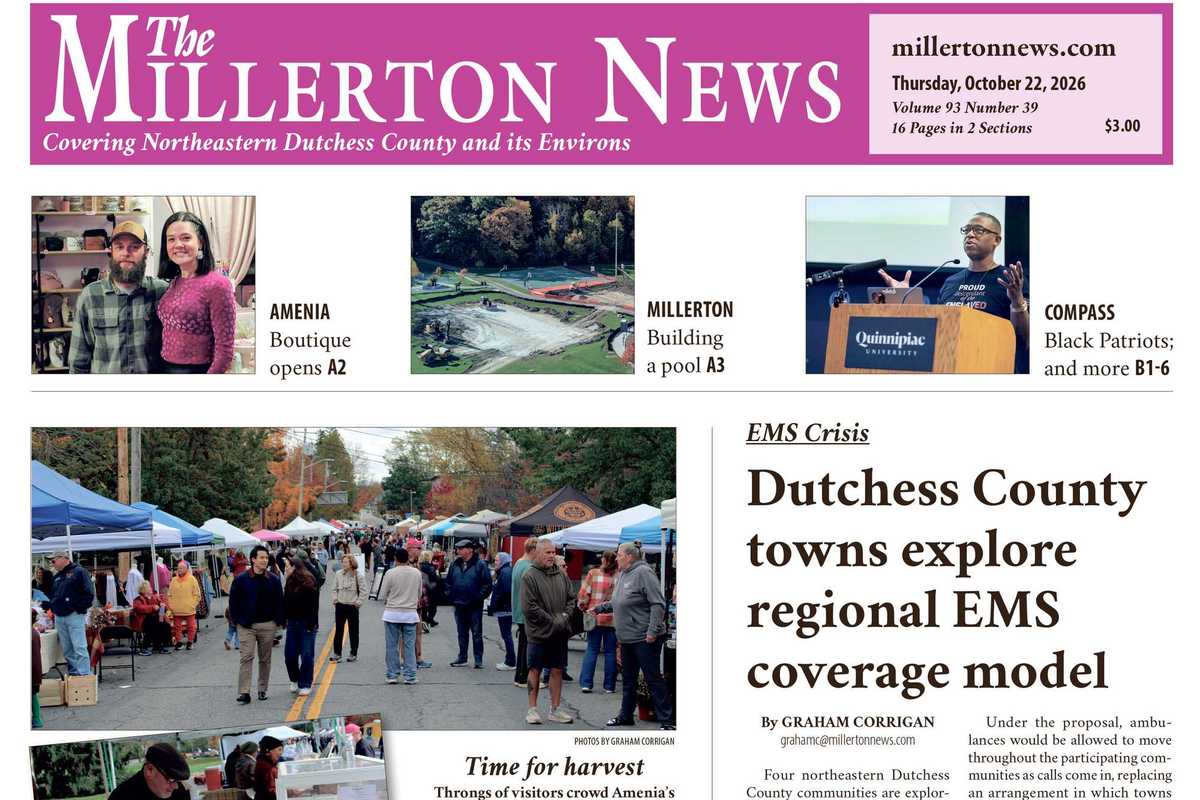
Our own story is one of local ownership. Local matters. The Millerton News was founded 93 years ago in 1932. The Lakeville Journal has been a community staple since 1897.
Today, The Millerton News and The Lakeville Journal are published by LJMN Media, Inc., a 501(c)(3) nonprofit that was formed in 2021. Our two publications have survived and they continue to grow because of community, donor and advertiser support. This support has made it possible to strengthen our commitment to local news.
Across America, from 2022 to 2023, newsroom jobs decreased by almost 2,000 positions. Considering overall newspaper employment changes, the shrinkage in our industry is one of the “most significant declines in employment across any sector over the past two decades,” according to Medill researchers.
Yet Medill found “bright spots” in the local news landscape in 2024 and noted that, among other factors, there was one common thread: “they’re locally controlled.”
Yes, local matters.



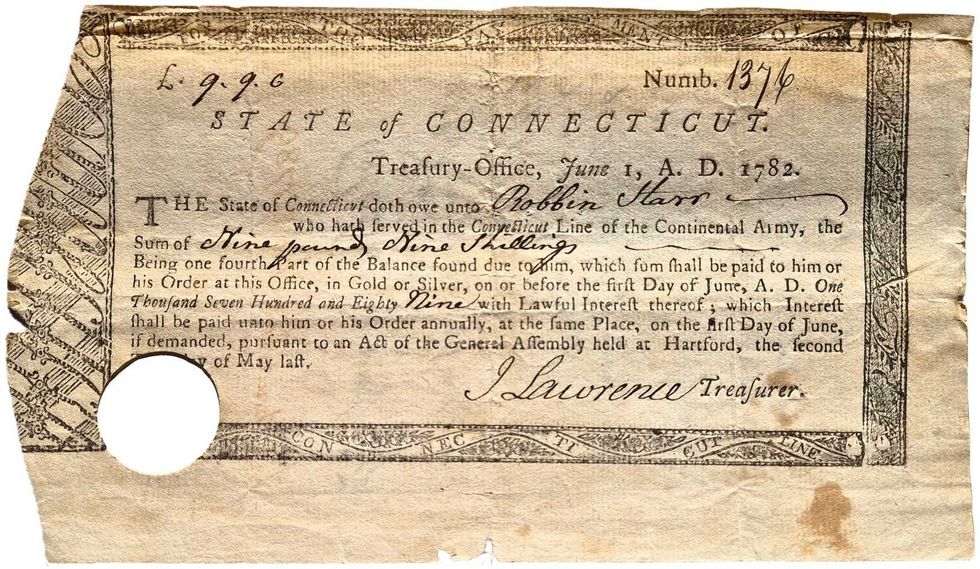 Pay Bill for Robin Starr’s service in the Continental Army.Courtesy the Alex Breanne Corporation
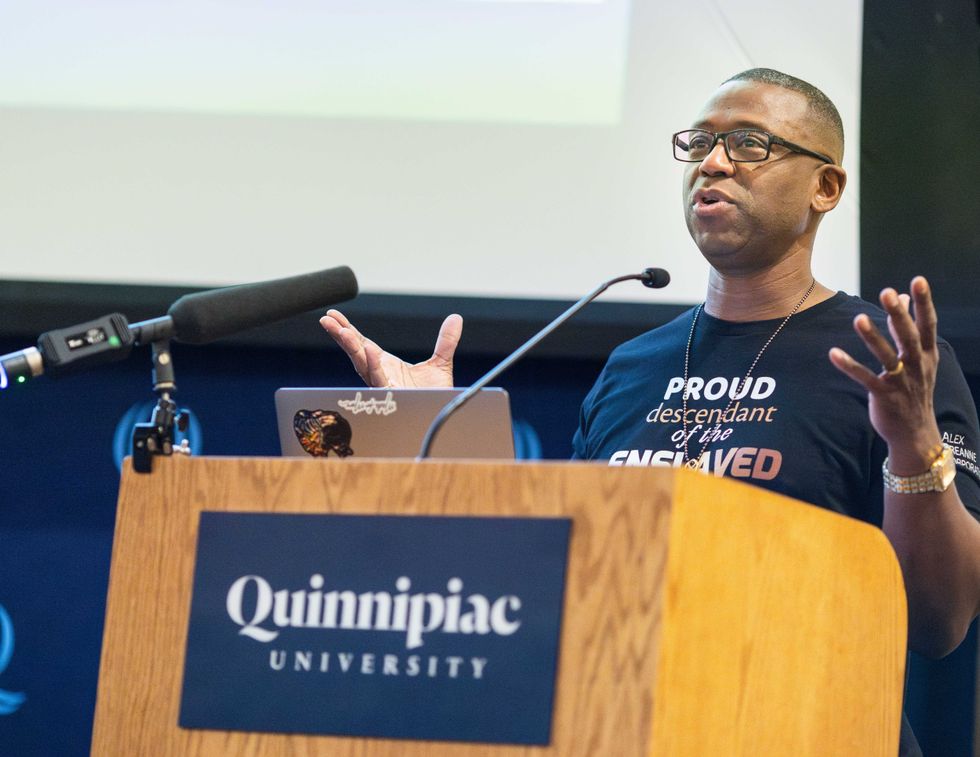 John Mills speaking at Quinnipiac University.Courtesy the Alex Breanne Corporation

 Stephanie Saetta,with her rescue dog George and Blue (left), a shepherd mix awaiting his forever home.Madi Long