

We are entering the annual Christian season of Lent this week.With its 40 days of contemplation and “little Easter” Sundays, it is a time to remember the healing ministry and the sacrifice of Jesus.During this season, we are invited to think deeply about our role as agents of grace and love in our hurting world.
There is a long history of making sacrifices and commitments for Lent, modeling our discipleship and hopes for a more heavenly world. It is through this lens that I invite you to join us in considering what gifts and services the community needs that we can commit to bringing forth in the weeks leading up to Easter.While many lean into solitary introspection during Lent, it may be particularly advantageous to use our meditations and sacrifices for the greater good this year.
John Wesley, the founder of Methodism, advised his followers centuries ago that “The gospel of Christ knows of no religion, but social; no holiness but social holiness. Faith working by love is the length and depth and breadth and height of Christian perfection.”These words are connected to the firm belief of Wesley that a Methodist was fundamentally one who loved God with all their heart, mind, strength, and soul, along with loving one’s neighbor as oneself.He believed that being in love with God naturally also required loving other people, as every person was a beloved soul coming from the same source of life that we are.
Consequently, Wesley stood against slavery long before it was a popular view, prioritized caring for those who were poor and imprisoned, and made a point to do good to as many as he could for as long as he was physically able.
Indeed, the Methodists are not the only Christians who believe such things.These thoughts are primary messages of the Christian faith.In more recent history, we can note that during the time of the Golden Age, at the end of the late 19th century, the Christians mobilized to counteract the abject poverty, child labor, dangerous working conditions, and lack of education of the time.Famous theologians such as Washington Gladden, Walter Rauschenbusch, and W.E.B. DuBois began the Social Gospel movement, enacting with new verve the passion of Christ that empowers the community toward building the Kingdom of God.As Christians, they believed in uplifting the downtrodden and creating a community where all had a chance to thrive.Child labor laws were enacted, better working conditions were secured, Sunday School helped provide education, settlement houses were created, and the Salvation Army was born.
The social gospel movement continued in another wave of reforms and empowerment through the Civil Rights era.Rev. Dr. Martin Luther King, Jr. gave his intellect, energy, and life to help secure the reforms that enabled persons of color to vote, go to non-segregated schools, and have the right to share public spaces without discrimination.Like Christ, he paid the ultimate price for his prophetic vision.However, his impact on our society was formidable, lasting far beyond his short lifetime.
As Christians, it is very clear what to do in times of hardship, crisis, or challenge.Throughout the centuries, our call has been to help heal the world, doing whatever we can to uplift and transform loneliness into community, reminding each one how precious they are and how important it is to unite for the sake of the whole.Individually, the challenges can be overwhelming, even too much to bear.Collectively, we can do all things through the One who strengthens us.As they say, “We have the receipts!” We can do it again.
This Lent, let us give up our pessimism and fear, replacing it with a commitment to community and hope.Yes, things can seem dreadful, but our souls are not served by allowing ourselves to descend into the dark.We are keepers of the light.Let us do all within our power to create brightness so that its warmth may strengthen all as we live into the Social Gospel movement for our time.Chin up, friends, we can do this.We simply must be willing to get serious about doing it together.
Rev. Dr. Anna Crews Camphouse is pastor of Canaan, Lakeville, Millerton, and Sharon United Methodist Churches
Lead Pastor of the Northwestern Hills Cooperative
Parish UMC




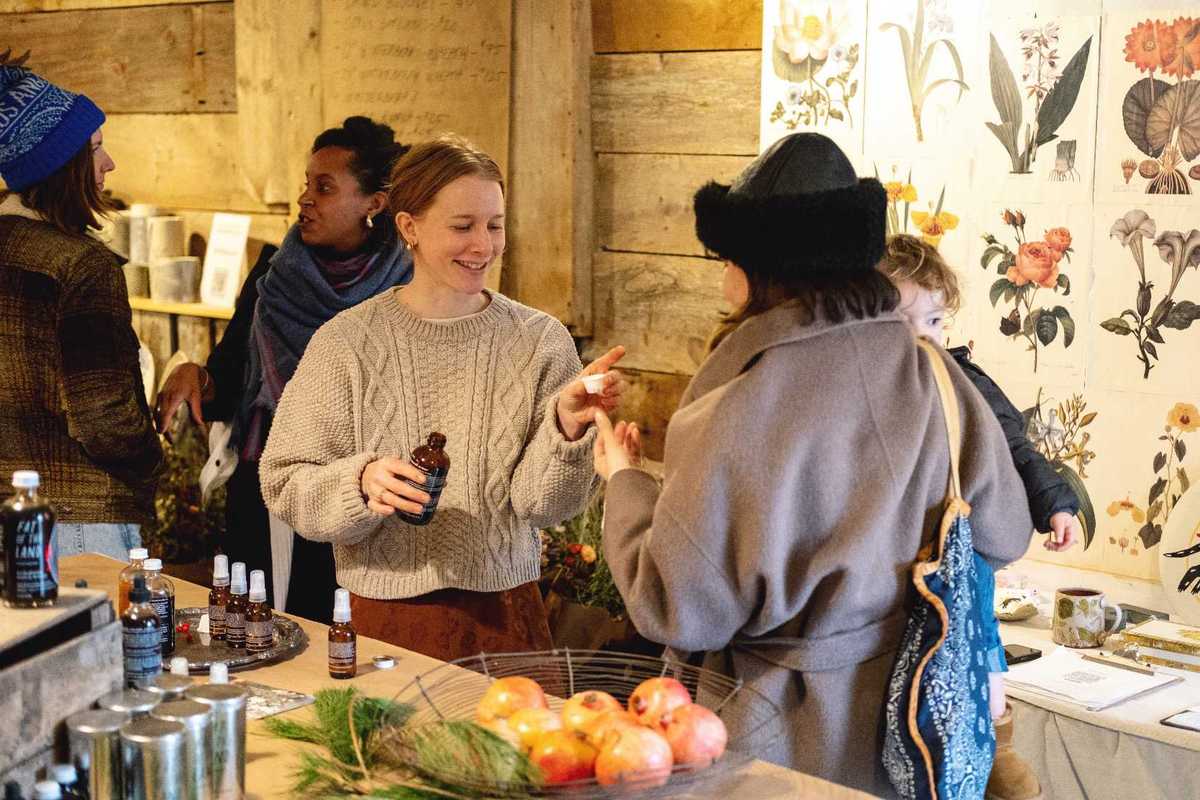
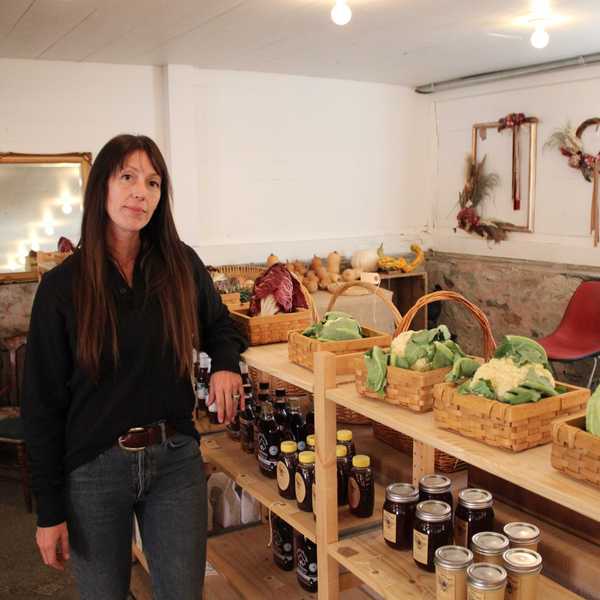
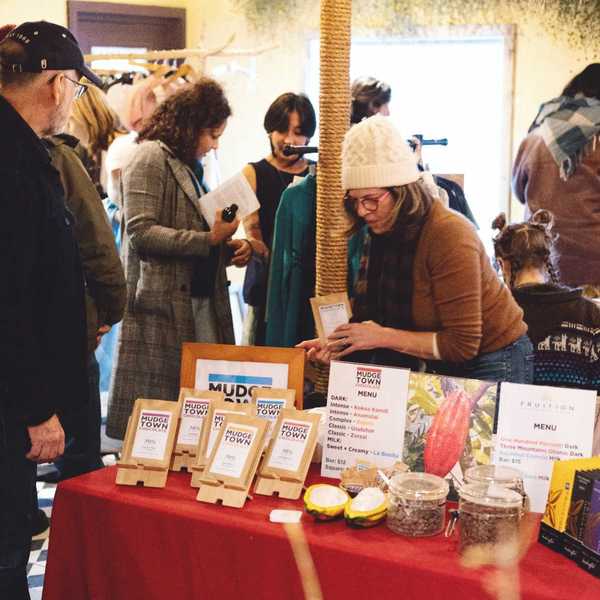 Farm & Friends 2025.Provided

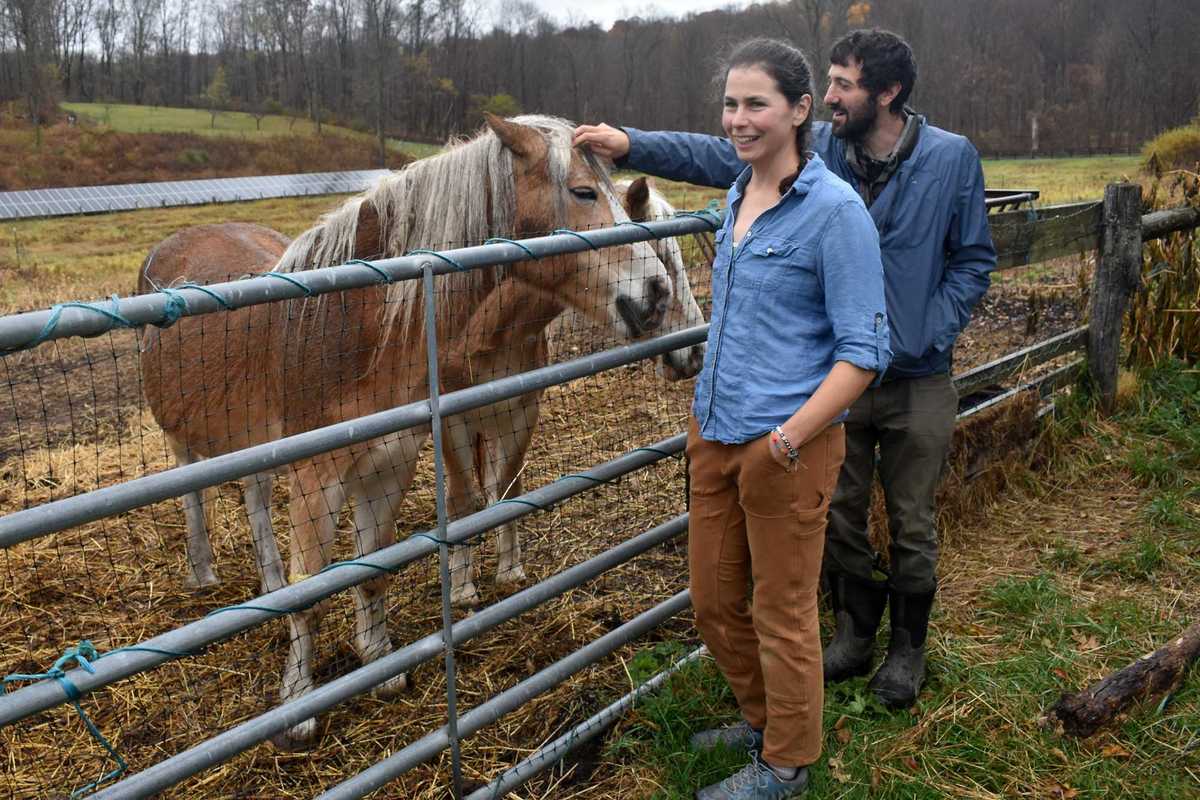
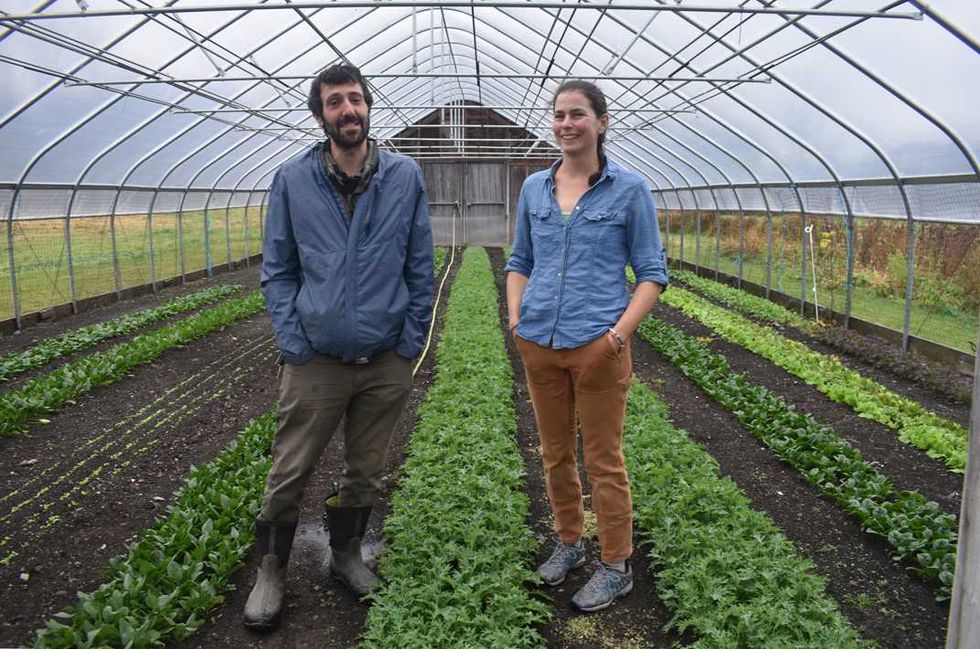 Mark Stonehill and Miriam Goler with their winter greens at Full Circus Farm in Pine Plains. L. Tomaino
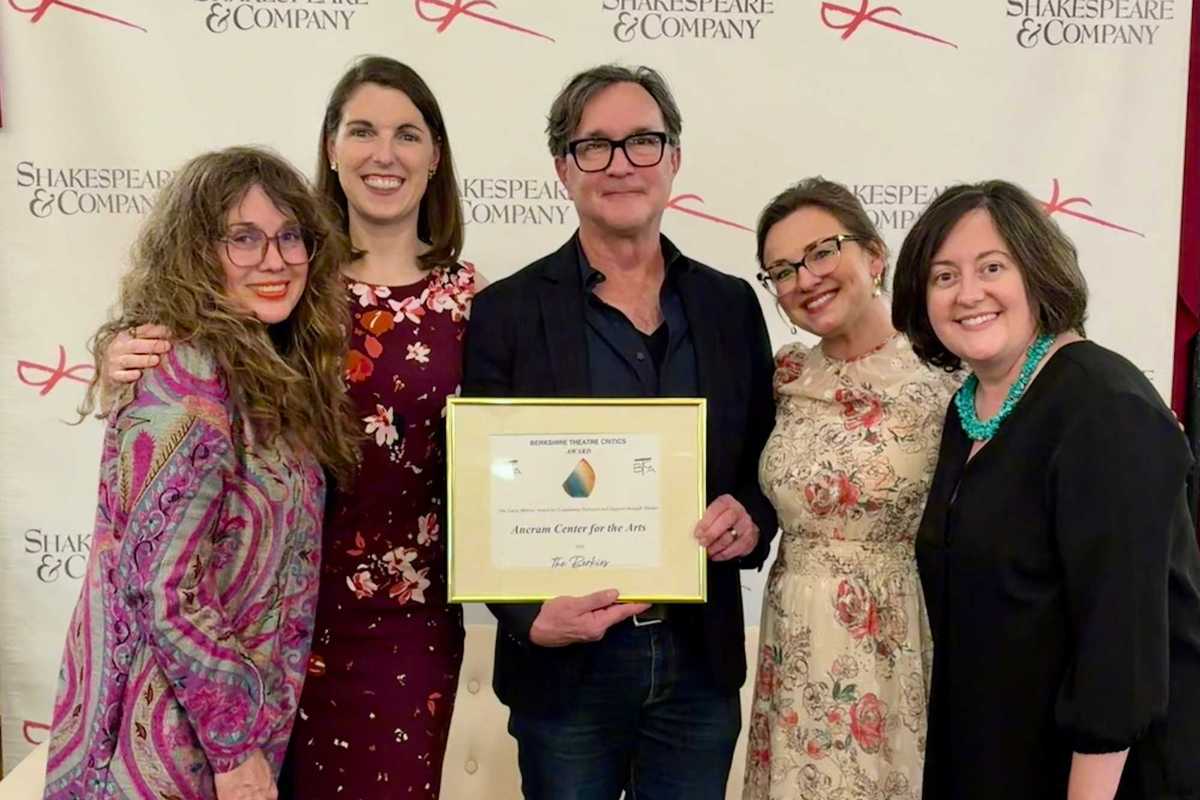

Lent: Time to consider social gospel movement