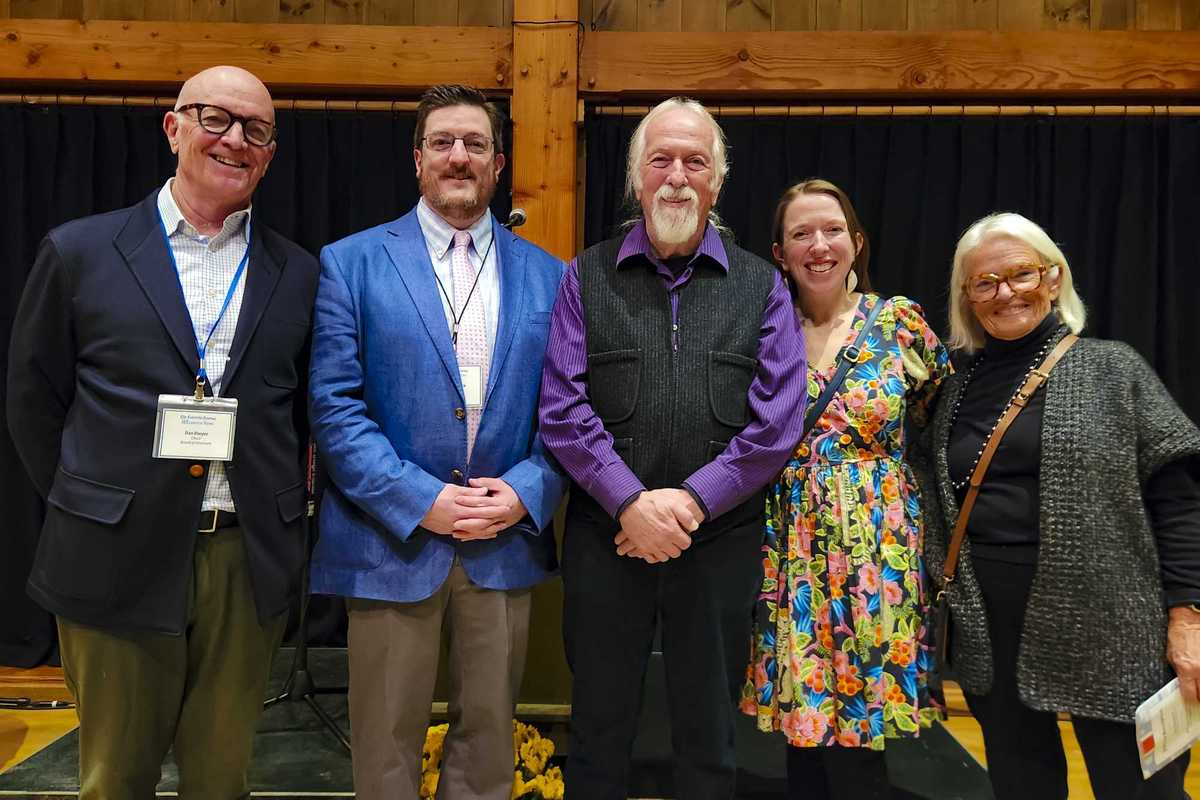
All around us we are reminded about a growing problem of affordability for many people in our own community. This past weekend the issue of housing affordability was again on center stage. The Salisbury Forum held a discussion about how housing has become out of reach for many residents in the Northwest Corner and in communities just beyond our region. Add on property taxes — another affordability hurdle for homeowners. Connecticut and New York ranked in the top five most expensive states, according to the latest Tax Foundation analysis. Massachusetts is right behind New York.
The Foundation for Community Health, the Berkshire Taconic Community Foundation and its Fund for the Northwest Corner have announced a grant program in partnership with the Litchfield County Center for Housing Opportunity to move housing initiatives ahead with a collaborative approach. (See story here). At Sarum Village in Salisbury, officials broke ground on new affordable housing units at Sarum Village III. (See story here.) Earlier this month, Salisbury publicized its 2023 Affordable Housing Plan that lays out a path for the coming decade. Officials in Kent and Sharon this month are focused on discussing solutions, and every town in the Northwest Corner has aimed discussion on the topic.
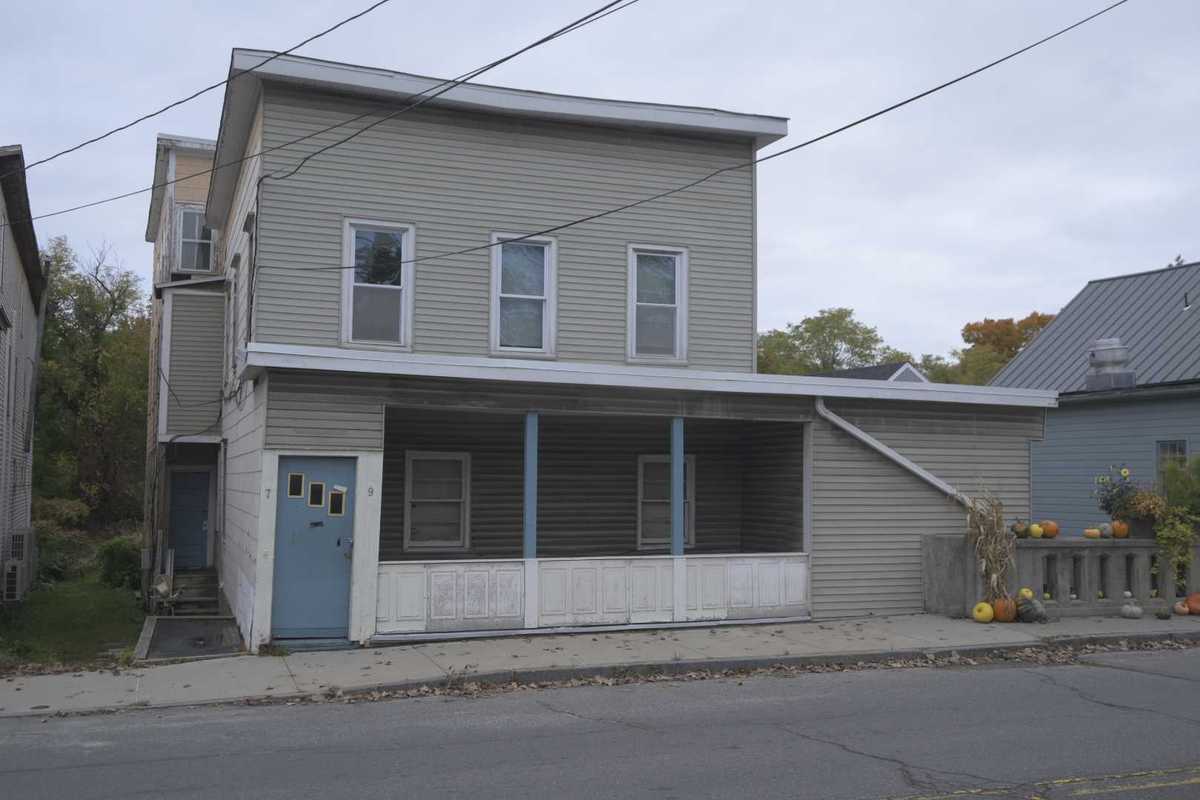
The problem is equally vexing in eastern Dutchess County, where affordable housing projects find their way on government meeting agendas on a regular basis. Amenia is a typical case in the region. Twenty-nine percent of homeowners and 45.9% of renters in Amenia are “cost-burdened” with regard to housing, meaning that they put more than 30% of their income toward housing costs. To meet the demand, three new affordable housing projects are currently being pursued in the town. Town of North East Supervisor Chris Kennan and Councilwoman Meg Winkler have met with administrators at North East Community Center (NECC) about ways to incentivize affordable housing.
According to the latest Connecticut ALICE report from Connecticut United Ways, 39% of Connecticut households continue to live below the ALICE Threshold — with income above the Federal Poverty Level but below the basic cost of living. In the Northwest Corner and in eastern Dutchess County, seven percent of residents have incomes below the Federal Poverty Level, and an additional 31 percent have incomes that fall below the ALICE criteria.
Not only do families need a roof over their head, they need transportation to get to work. Absent mass transit in the rural stretches of our towns and counties, that means they need at least one reliable car. But shelling out for a new car is not an option for many as the reasonably priced car is slipping out of reach. According to a recent survey, the bottom 20% of workers reduced their purchases of new cars to its lowest level in more than a decade. Food banks have felt the strain, amplified by the pandemic. But the increased demand for food that began then has persisted, continuing to stress area food banks in 2023. Having an increased percentage of income spent on the most basic needs — housing, food, transportation — is bad for the economy. It’s also a problem down the road.




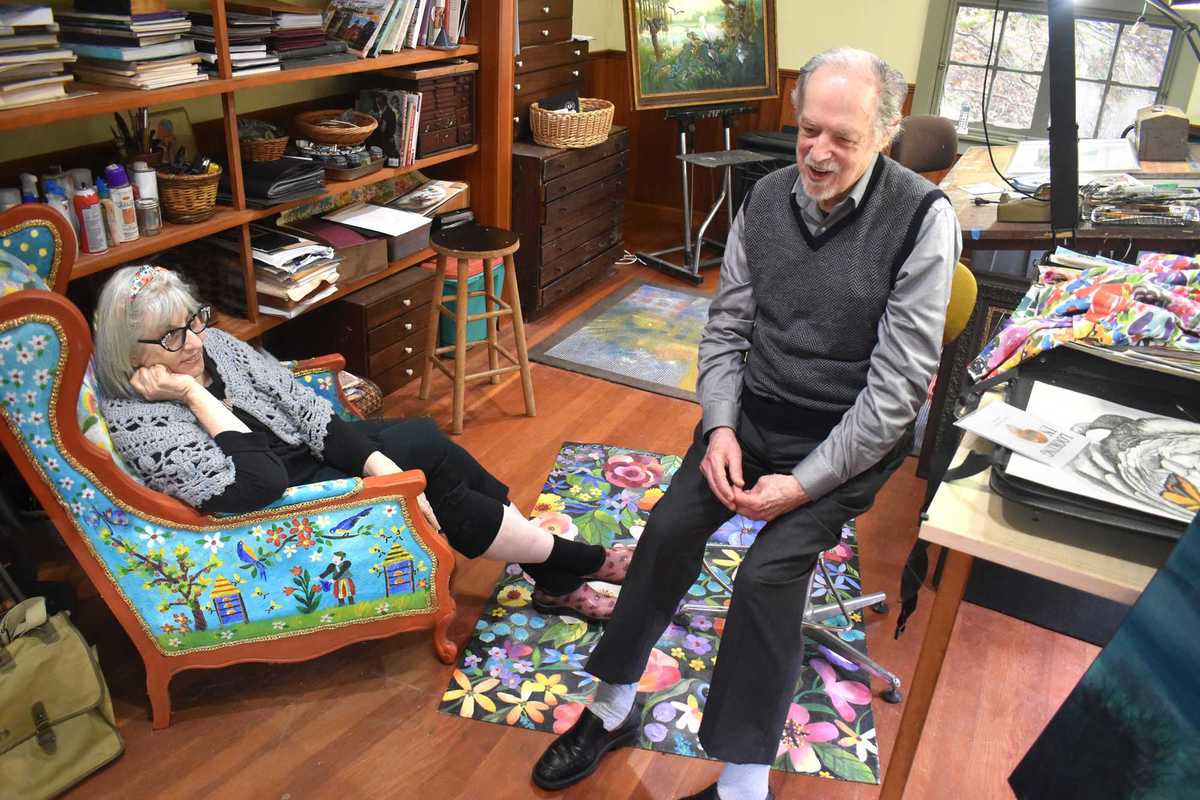
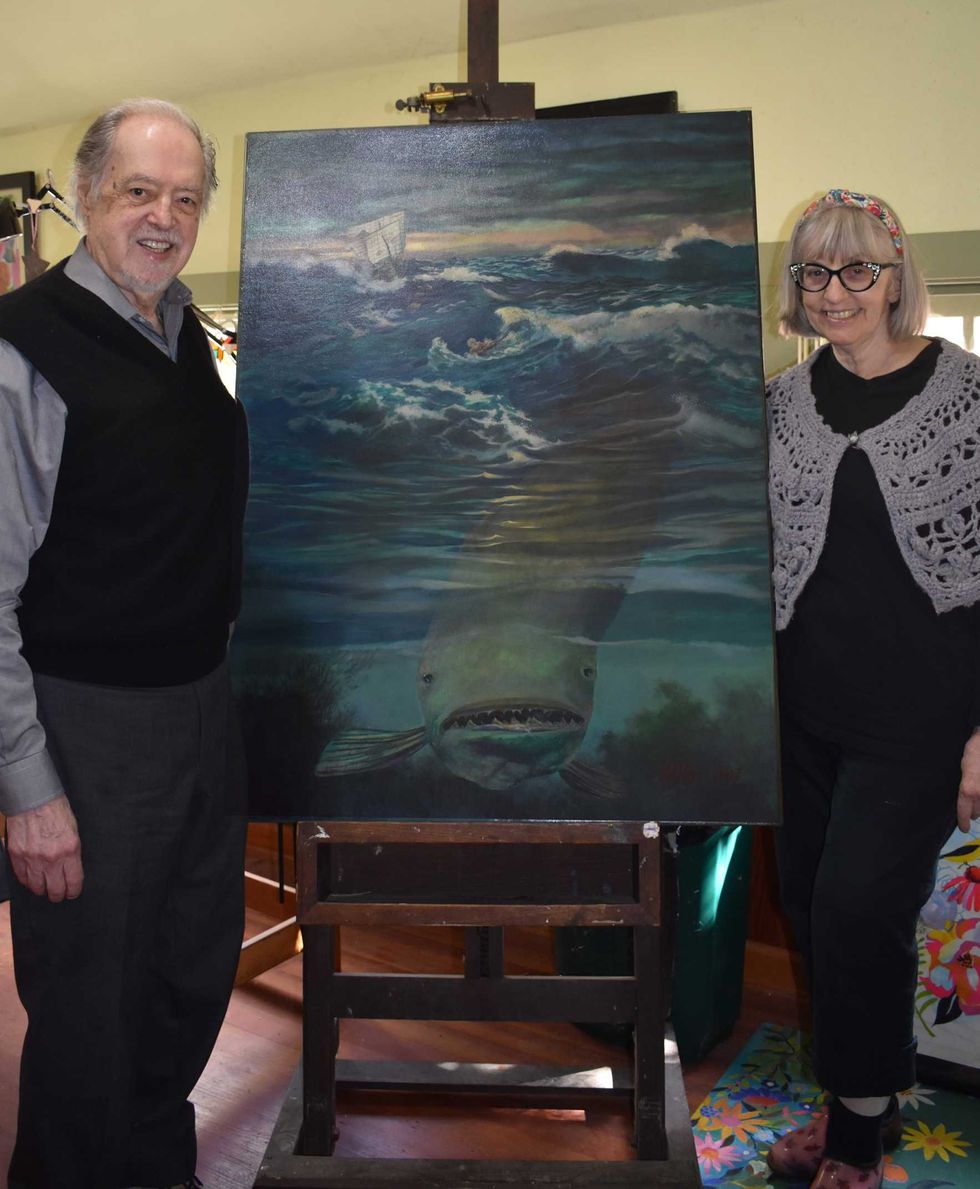 Justine and Victor Valla in their studio with a painting of Victor’s,”Jonah and the Whale.” Robin Roraback

 A ceramic vase by Kathleen Heidemann.Provided
  Joy Brown’s delightful ceramic sculptures.Provided