A coalition of 22 donors has announced Press Forward, a national initiative to “strengthen communities and democracy” by supporting local news with $500 million over the next five years. The MacArthur Foundation, one of the nation’s largest independent foundations, is among the partners in the initiative, which includes many familiar big names among charitable foundations and which aims to enhance local journalism at an unprecedented level.
The local news initiative is described as an effort to focus on the importance of local news as a key to community cohesion. It also seeks to support new models and solutions that work and to address inequities in coverage and practice of journalism.
The dawn of the 21st century in America was witness to a radical decline in the availability of local news sources. Since 2005 approximately 2,200 newspapers have closed. One in five Americans now lives in what is called a “news desert” where there is no reliable source of news. Meanwhile, social media has exploded. There is a perception among some that because Facebook is there, there’s no need for a newspaper. Yet social media has a self-selecting limitation. Our natural tendency to seek out what our friends are doing is further amplified by algorithms that have a multiplier effect, leading sometimes to life in a bubble.
The disappearance of so many local newspapers also has coincided with an increasingly divided nation and what the MacArthur Foundation sees as a weakened trust in American institutions. The local newspaper is vital for our survival as a democracy. It goes without saying that to prevent a community from becoming a news desert, it would need a healthy and independent free press.
Fortunately we don’t live in a news desert. We can rely on our local newspaper week after week to inform us about what’s happening in our community. Maybe it’s the news that Sharon Hospital was denied its bid to close labor and delivery services. Or it’s a story by Maud Doyle that takes a comprehensive look at EMS volunteers. Or a story by Judith O’Hara Balfe about a vexing school bus driver shortage. Or a story about an unusual election for selectmen in North Canaan. Or even just a photograph of the season finale at the Norfolk Festival.
The Lakeville Journal and The Millerton News have their readers and advertisers to thank for still being in business. Before the paper became a 501(c)(3) nonprofit, when it seemed to be running out of pavement, its readers responded to the call to keep it going, knowing that a local newspaper provides critical information, that it knits communities together, keeps public officials accountable and above all is essential to a thriving democracy. Even now, into its second year as a nonprofit, The Lakeville Journal needs community support to continue on its path, which is sustainability and growth. That’s why a small group of key supporters is sponsoring a $100,000 matching-gift challenge through October 31. (See information here.)
On refrigerators all across the Northwest Corner families post clipped-out photos of a school performance, a high-school athlete excelling in a sport or a photo of someone they know who got their picture in the paper. These mementos are the memories from our shared history. They aren’t the ephemera of social media. And they weren’t taken in a news desert, thanks to all our readers and advertisers.




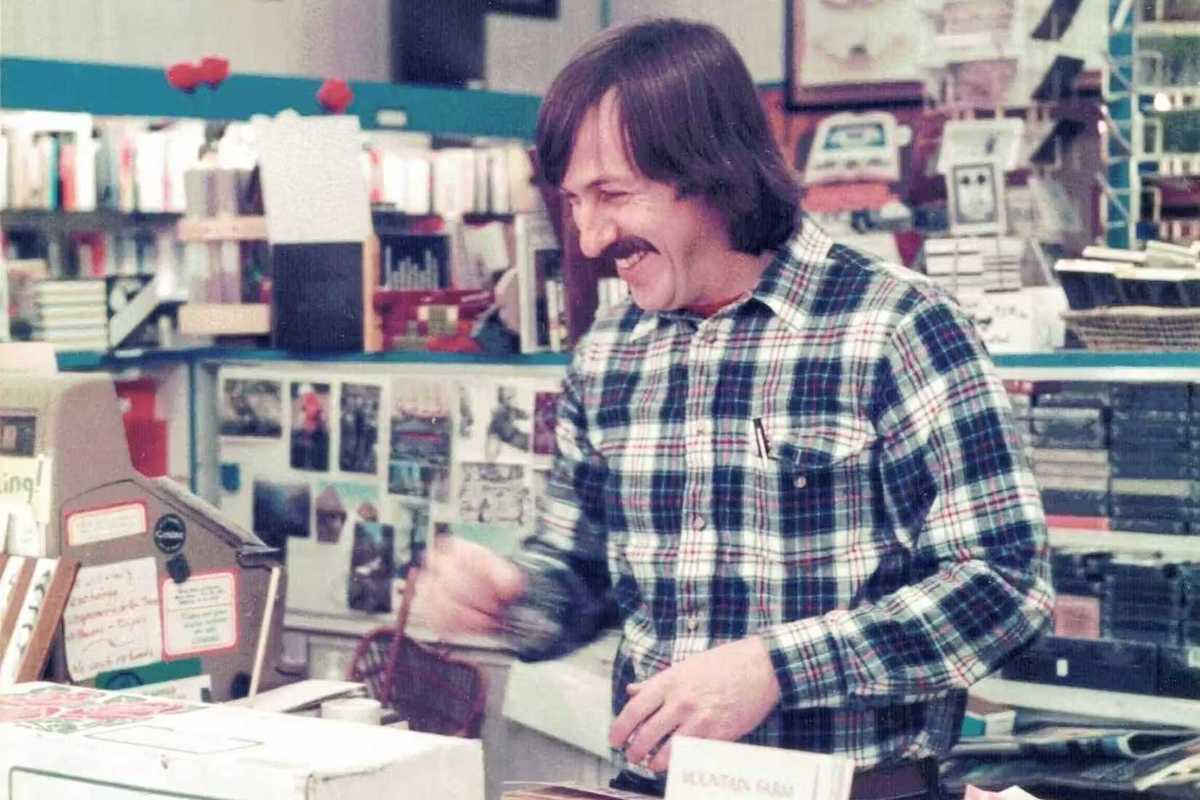
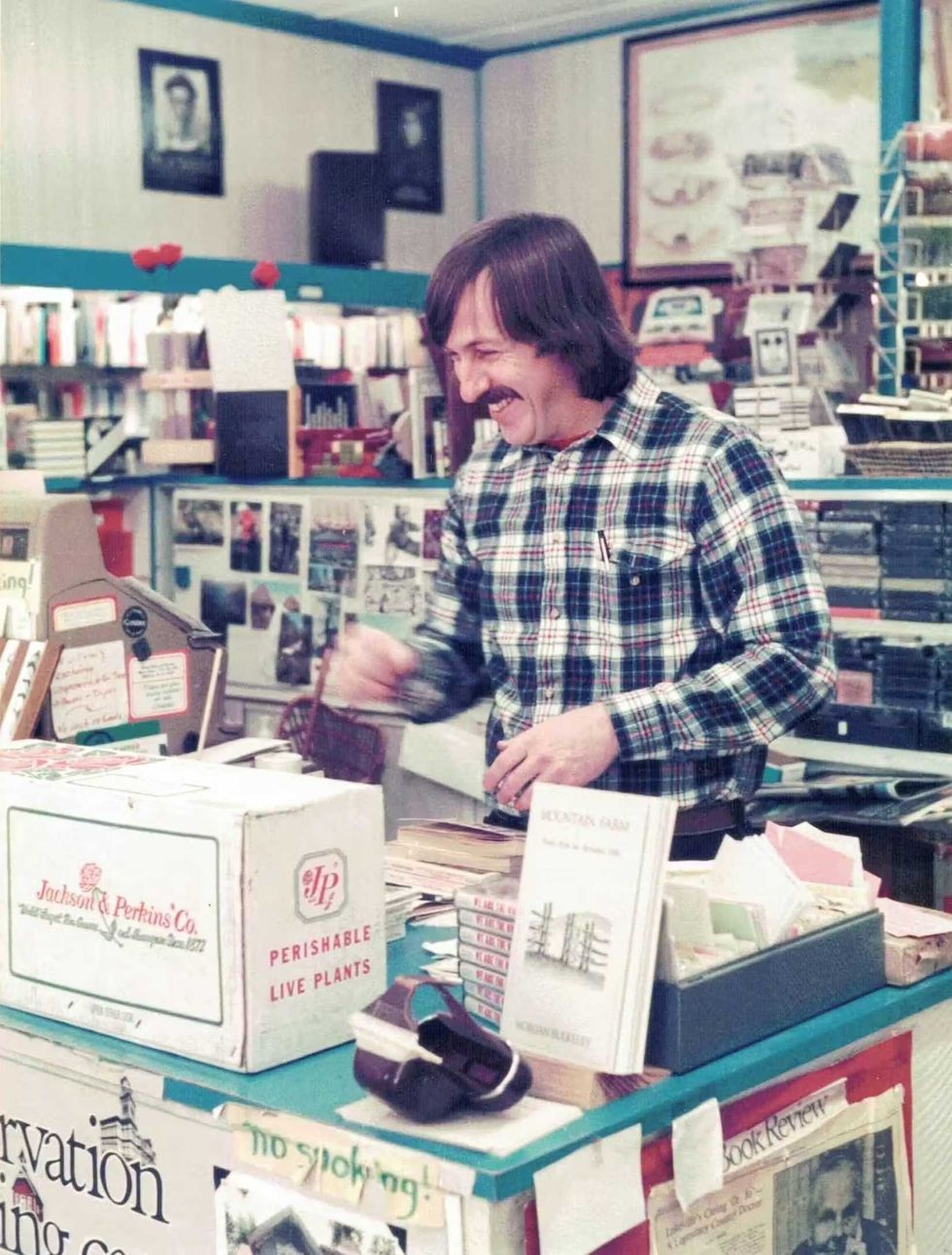 Dick Hermans in the Oblong Bookstore on Millerton’s Main Street in 1985.Provided


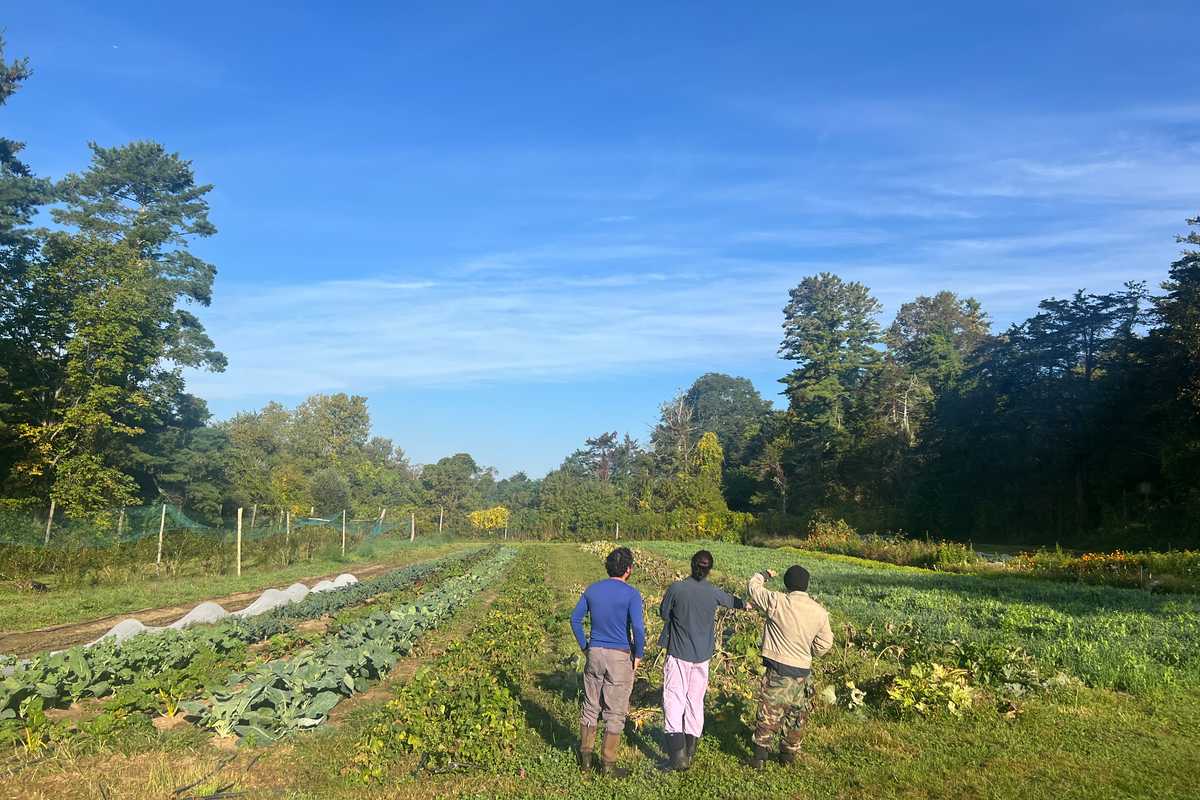
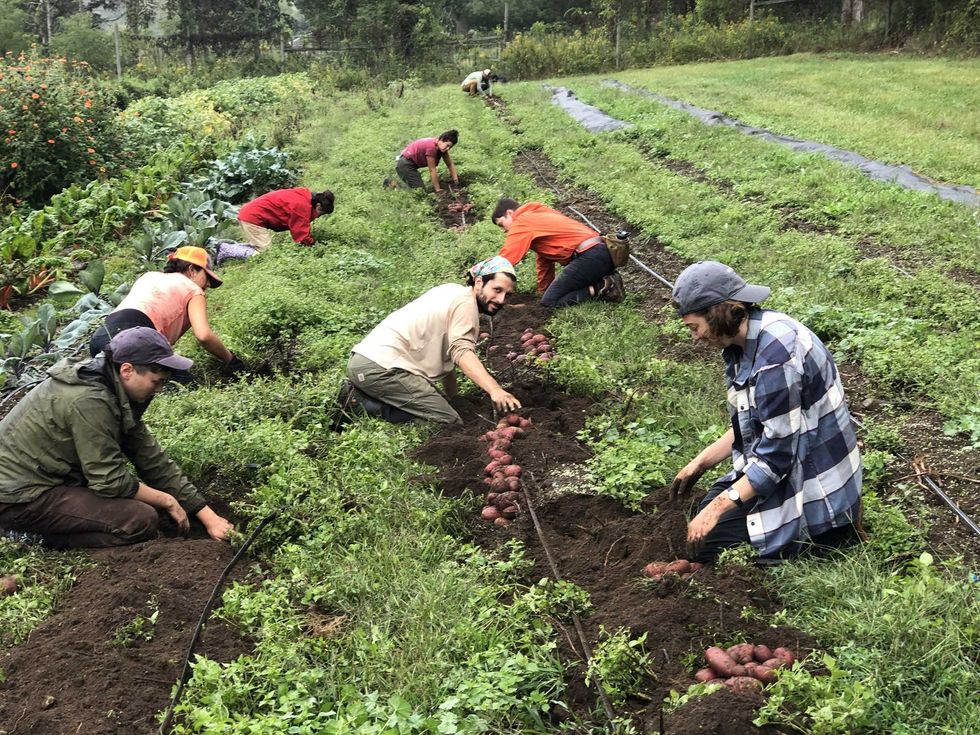 Fall storage crop harvests amid soil building cover crops at Adamah Farm in Falls Village. Janna Siller