Thank you!
Your support is sustaining the future of local news in our communities.

AI judgement is fake news for authors

A View from the Edge — Thursday, May 14

I have been increasingly concerned over AI and questions of originality of journalists’ work, authors’ manuscripts, plagiarism.A new manuscript submission as agency made to a publisher was rejected because they ran the author’s text through an AI detector and claimed it was mainly AI generated. The manuscript was an anthology of short stories and true histories the author had written and compiled (about the history of dogs) over more than 10 years. The author claimed that most of the text was written before AI was around. The only editing he has done has been within the confines of MS Word (grammar and spell check). He has “NEVER used AI, ever.”

So I ran portions of the dog book text in Grammarly and Pangram and it came back “42% appears to be AI-generated” and “49% AI-generated,” respectively. Incredible.

So, as a test of these and two other AI detection systems, I ran 15,000 first (unedited) words of a manuscript I wrote in 2018 and was published in 2022 (Elephant Safari) and this was the result in a third AI checker: “75% of your text has signs of AI.” Considering I wrote this thriller on the dining room table in the dark of night without any copy and paste whatsoever, I knew this AI plagiarism was misleading, to say the least.

So I went further back and chose text from a book written in 1990… delivered in Nov. 1990, edited by Victoria Wilson at Knopf and still in print: Marlene Dietrich: By Her Daughter Maria Riva Result? On “JustDone” AI checker: “82% AI content.” This manuscript was handwritten on yellow legal pads.

So, the question we all have to ask is this: If AI memory already contains many of the materials, texts, of published books in AI memory… are they all now considered AI owned/generated? Or is AI actually saying that the material is not new to AI and therefore labels it as plagiarized?

The issue here seems to me to be a definition of “original” – original to whom? If an author sends a Gmail with a manuscript to an editor, Gmail (Google) has the file and their AI can presumably read it. Also, if Google or other AI platforms have scanned a previously published magazine article or a book, I believe the very familiarity of what is in the AI memory will give the result that “AI is familiar with this text” and therefore leads to accuse an author of plagiarism.

As for me, I have no faith whatsoever in these so-called AI detection systems. They provided complete nonsense on something I wrote in 2018 and an author delivered in Nov. 1990! To further illustrate the point, I ran Act 1 of HAMLET: “Most of your text is AI/GPT Generated,” so Shakespeare is also a plagiarist? Teachers, professors, and editors everywhere are relying on these false readings and contributing to fake literature appraisal.

Peter Riva, a former resident of Amenia Union, New York, now lives in Gila, New Mexico.

The views expressed here are not necessarily those of The Millerton News and The News does not support or oppose candidates for public office.

Latest News

A life reshaped by clay in “Matin”

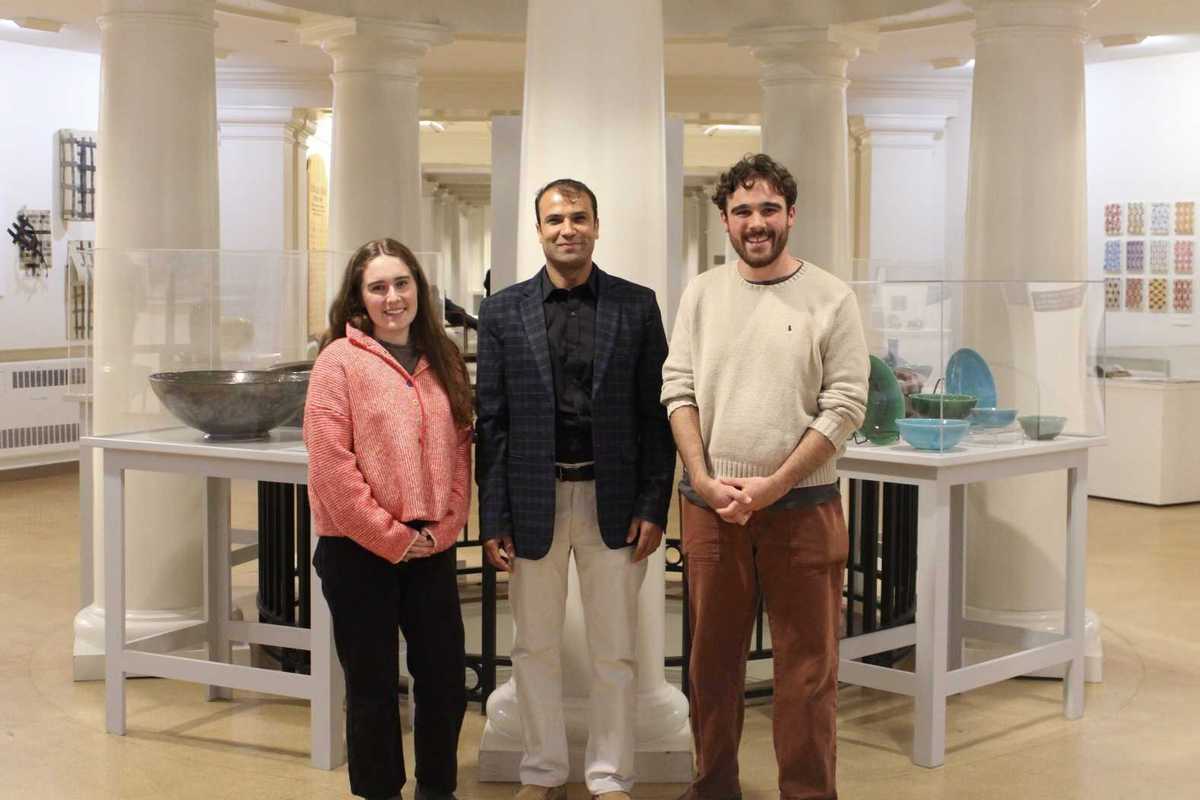
Left to right: Hannah Wheeler, Matin Malikzada and Yonah Sadeh.

D.H. Callahan

On Monday, Oct. 26, a group of students, teachers and local residents gathered at the Hotchkiss School in Lakeville for a screening of the new short documentary “Matin.” The film tells the story of Matin Malikzada, a seventh-generation Afghani potter making a new life in New Milford, Connecticut. The film was made by local filmmaker Yonah Sadeh, creator of the Video Wall at the David M. Hunt Library, and Berkshires-based potter Hannah Wheeler, who were both present for the screening, along with Malikzada himself.

As a member of the seventh generation of his family to master the art of pottery, Malikzada had done things the way his family had for over a century. Istalif, the village where his family has lived for generations, was known throughout Afghanistan for its pottery, with wares sent across the country for use as everyday cups, bowls, plates and other vessels. The pottery-making families of Istalif gathered clay from the same mountain, about 30 to 45 minutes away by donkey. Every July, they would head north toward the Uzbekistan border to gather ishkar, a plant they processed by hand to make their signature glazes.

Keep ReadingShow less
google preferred source

Want more of our stories on Google? Click here to make us a Preferred Source.

Meg Sher finds her calling among the stacks

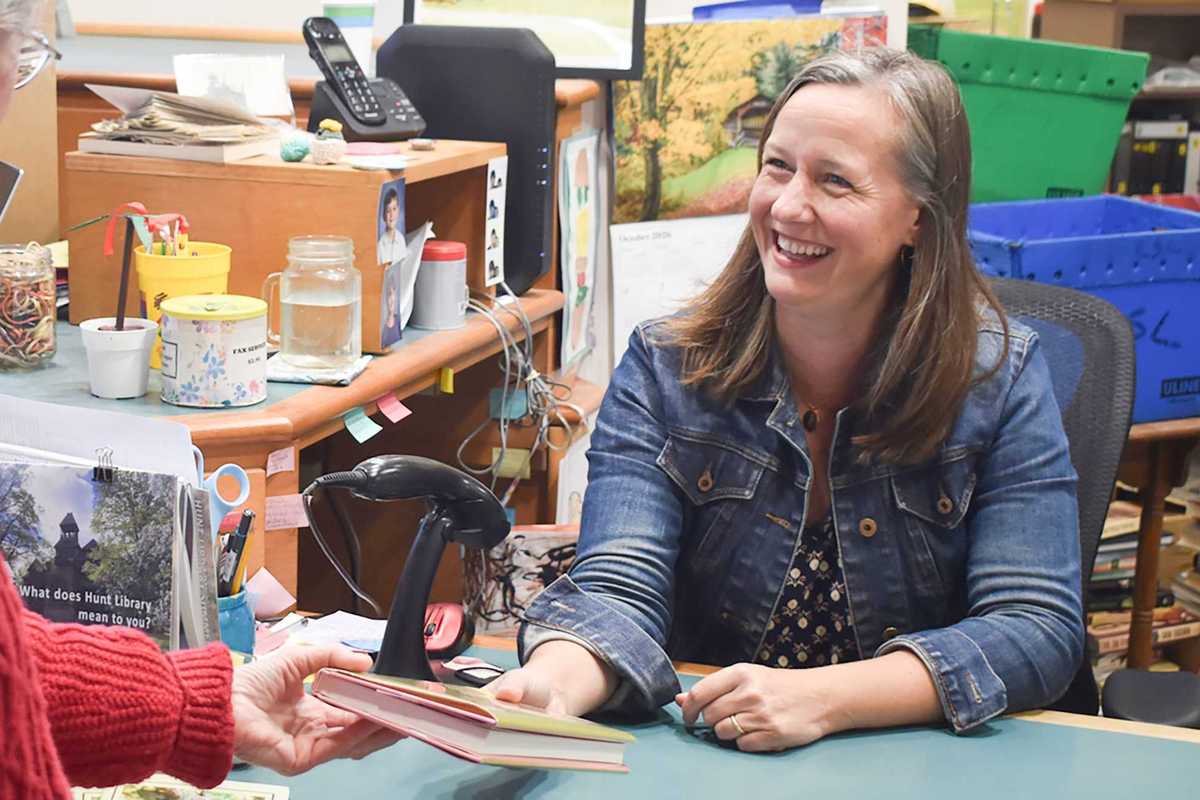
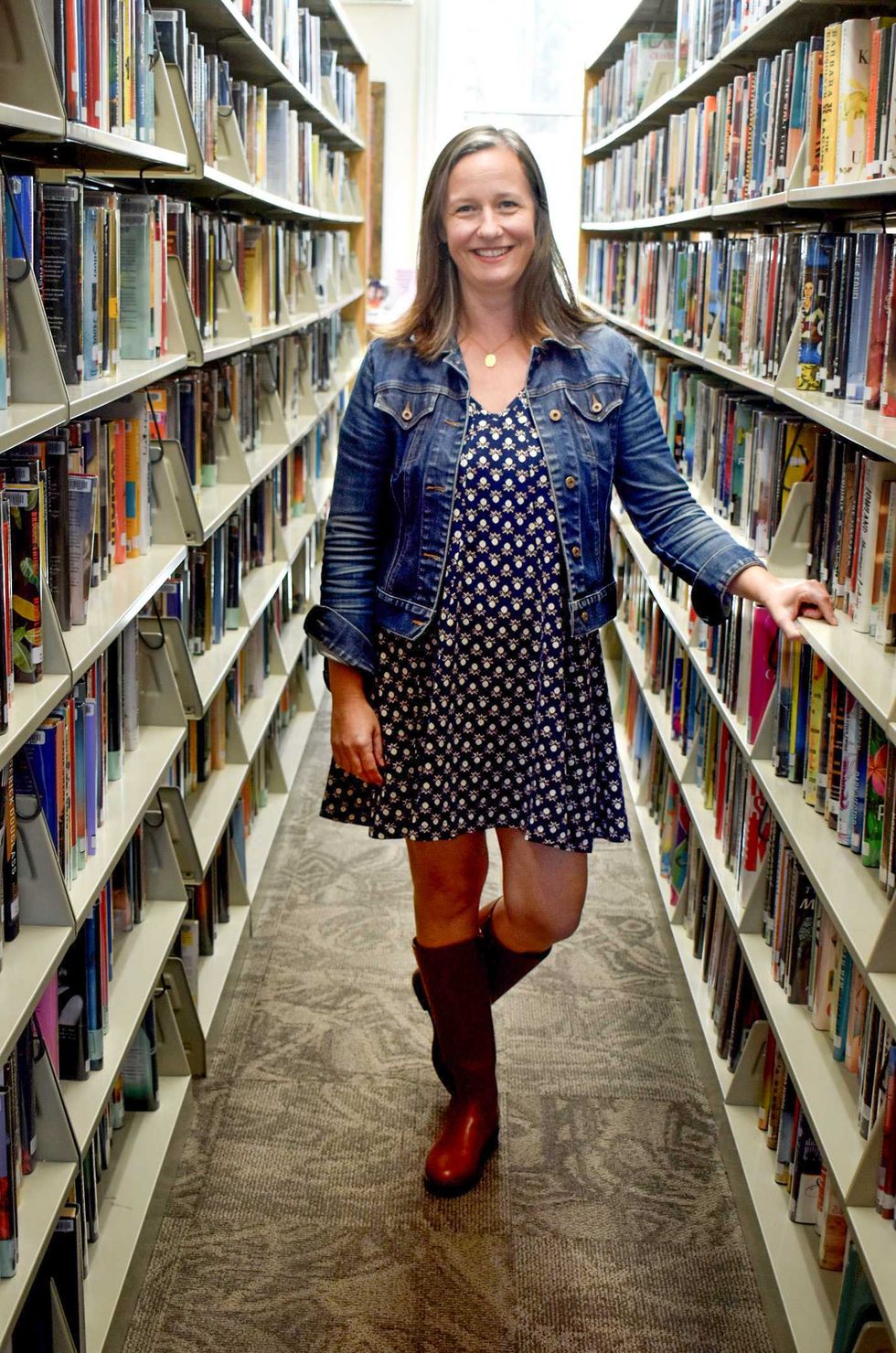
Meg Sher, executive director of the David M. Hunt Library in Falls Village.

L. Tomaino

When Meg Sher came to Falls Village in 2006 from Old Lyme, Connecticut, where she grew up, she never imagined she’d someday be the executive director of the David M. Hunt Library.

Although, in hindsight, perhaps it makes sense.

Keep ReadingShow less
Crescendo’s 23rd season speaks to the heart and mind

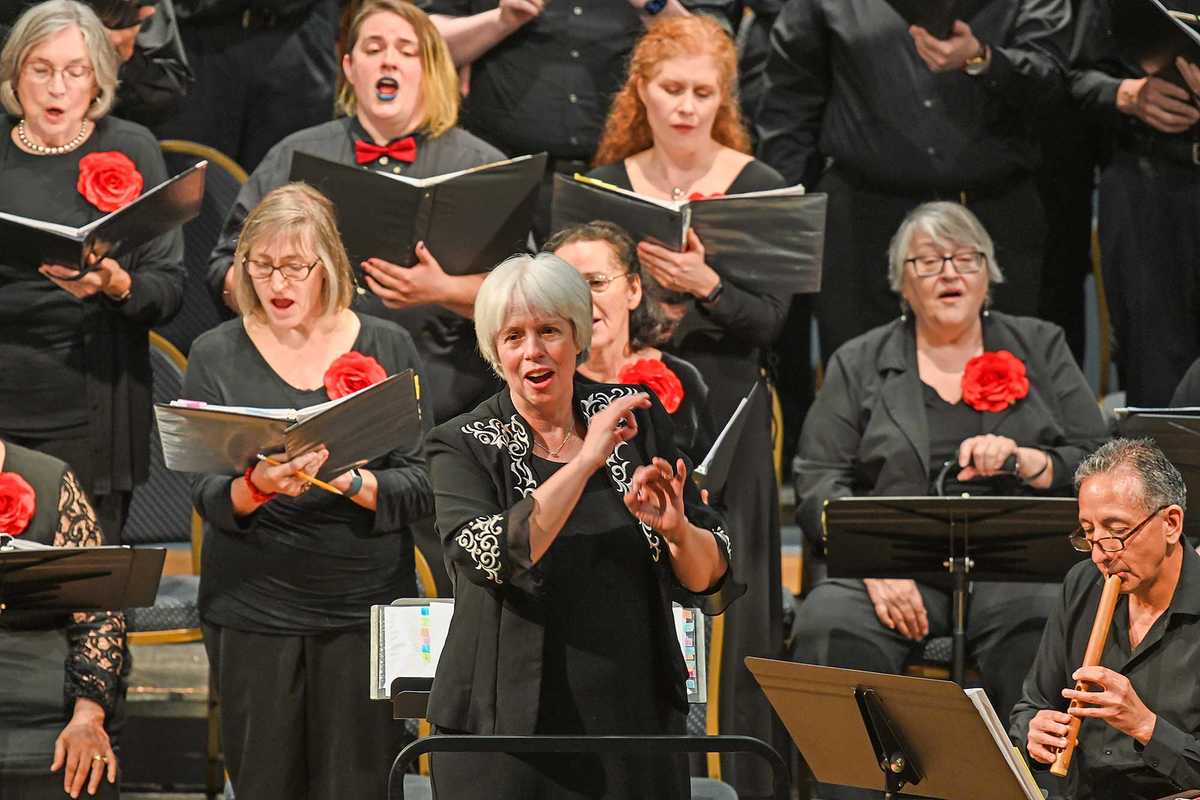
Christine Gevert, founding artistic director of Crescendo, conducts the audience at a performance.

Steve Potter

For Christine Gevert, founding artistic director of Crescendo, music from centuries past is anything but a relic. It is a living, breathing art form, full of drama, emotional complexity and, occasionally, surprises. As the regional choral and period-instrument ensemble launches its 23rd season, Gevert is once again bringing forgotten masterpieces into the present.

“Early Music has been my lifelong passion and the focus of my specialization in Europe and South America,” Gevert said. “Bringing this repertoire to our audiences in a nuanced way that does justice to its incredible depth, intensity, and beauty is deeply important to me.”

Keep ReadingShow less
Close Encounters with Music celebrates 35 years of musical discovery

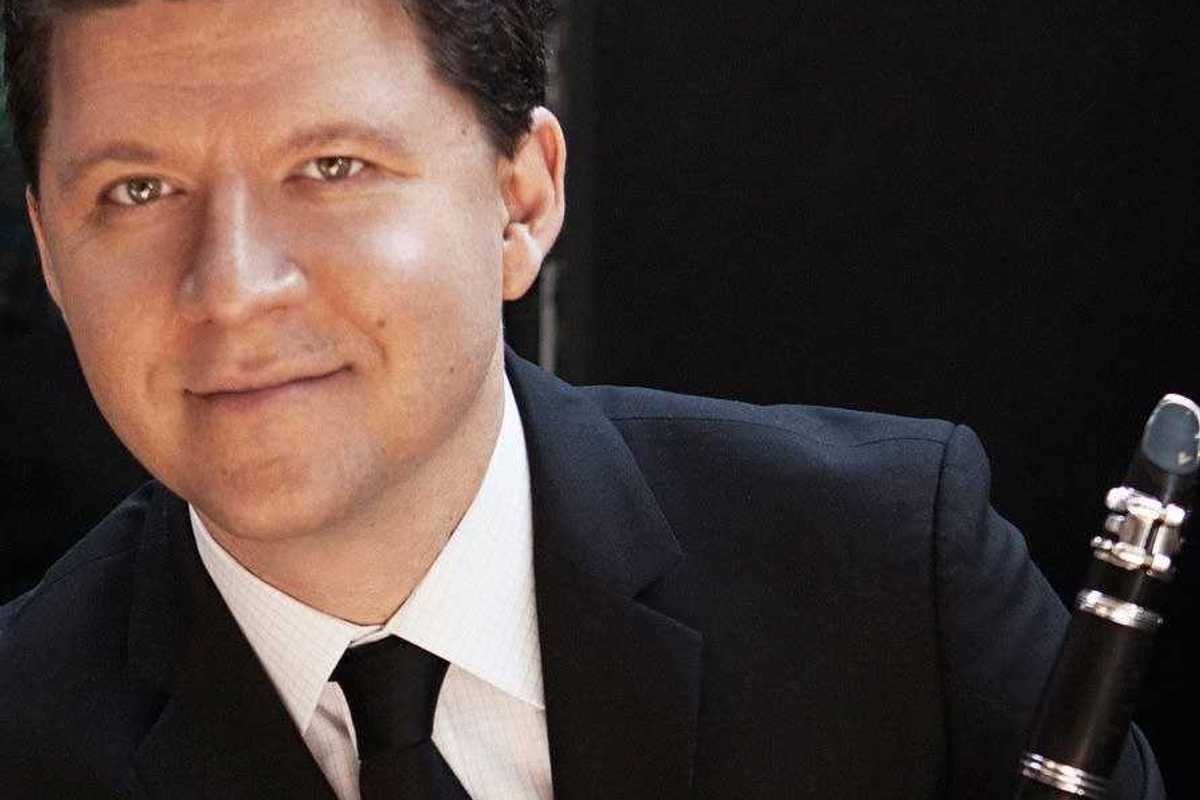
Close Encounters with Music’s 35th season opens with “Saluting the Clarinet” featuring clarinetist Alexander Fiterstein.

Provided

For 35 years, cellist Yehuda Hanani has been inviting audiences to experience classical music in unexpected ways. As founder and artistic director of Close Encounters with Music, Hanani has built a concert series that goes beyond the music itself, exploring connections to literature, history, politics and the human experience.

This year, Close Encounters celebrates its 35th season with “Celebration & Discovery,” a seven-concert series that opens Sunday, Nov. 1, at the Mahaiwe Performing Arts Center in Great Barrington.

Keep ReadingShow less
google preferred source

Want more of our stories on Google? Click here to make us a Preferred Source.

google preferred source

Want more of our stories on Google? Click here to make us a Preferred Source.