

In keeping with the administration’s return to its own brand of 16th-century mercantilism, could the next colony they seek be Cuba? It appears to be a strong bet, but for what purpose?
Given the actions and words of our government officials, the next country, or in this case, island nation, it seeks to conquer lies 90 miles from Key West. Cuba sits at the intersection between the Gulf of Mexico and the Atlantic Ocean. Historically, the U.S. considered it a natural barrier controlling vital sea lanes and a dominant landmass that protected or threatened the southern U.S. coast.
It may be that its long-term strategic military and economic value remains viable, but the country’s economy is in a mess. The Economist, in a recent article, indicated that the Cuban economy was on the verge of collapse. Aside from rum, cigars, and a little tourism, Cuba suffers from decades of economic mismanagement, a lack of structural reforms, and mass migration.
Inflation is at 15%, the peso is tumbling, tropical diseases are surging, and in cities like Havana, the municipal waste system has ground to a halt. Blackouts are increasingly common. Hospitals are canceling surgeries, and public transportation is scarce. It wasn’t always that way.
Originally a Spanish colony, Cuba in the 1800s fell under the Monroe Doctrine after Spain formally renounced its claim to Cuba in the Treaty of Paris in 1898, and was largely occupied by the U.S. By then, massive amounts of American capital had already been invested in the country. Beyond a thriving sugar trade, American interests controlled significant percentages of the island’s railroads, public utilities, mining, and tobacco. The country essentially became a U.S. protectorate in 1903.
The Communist takeover of Cuba and the nationalization of American property in 1959 soured U.S./Cuban relations to the present day. Although there have been several false starts and attempts at reconciliation through the decades, the U.S. doctrine of isolation and embargo has continued to the present day. That policy has brought the Cuban economy to its knees today.
Trump’s decision to choke off Venezuela’s oil to Cuba, which can only meet 40% of its own energy demands, was a body blow. The oil crisis hammered the regime’s already doomed economic model. In a rare admission of crisis, President Miguel Diaz-Canel scrambled to implement an urgent economic overhaul. The Castro brothers must have spun in their graves as Diaz-Canel called for loosening the state grip, courting foreign investors, and shrinking government control.
As the mood in this communist nation soured, the state’s iron grip on the economy had already begun to loosen. In 2021, the government allowed the creation of hundreds of small businesses in the private sector with fewer than 100 employees. As such, there are now 11,000 small and medium-sized independent businesses on the island. Just recently, another series of reforms allowed private ownership of a wide range of industries, from food production to construction and beyond.
In the case of Cuba, I believe Trump would rather have a deal that would make the island economically dependent on the U.S. Unlike the war in Iran or the late-night raid in Venezuela, I am not looking for an abrupt change nor the sudden overthrow of all state control. Times have changed. Most so-called capitalist economies have evolved into a new model of state capitalism, whether we are talking about China or the U.S. I believe the approach will be different. It would be more of a bailout or bankruptcy reorganization than a regime change.
President Trump has used the term “friendly takeover” more than once in talking about Cuba. His Secretary of State, Marco Rubio, a longtime Cuba hawk, along with a Florida-based Cuban business community, has been reaching out to the private sector. I have noticed that rather than threaten regime change in the name of democracy or an end to communism, the administration is focusing on commercial, economic, and financial engagement.
From the president’s point of view, the need for humanitarian assistance is high, and what better way to deliver it than through the private sector? Exactly how a friendly takeover would be accomplished is a question for the market. The island was certainly part of the discussions Trump had with Latin American leaders at a March 7 summit at the Doral Golf Club.
For a successful takeover, Cuba’s private sector will need the skills and capital of American business, particularly the banking sector. It appears the present government would be amenable to such an approach. It also helps that they know if a carrot doesn’t work, Donald Trump is more than ready to use a Big Stick.
Bill Schmick is a founding partner of Onota Partners, Inc., in the Berkshires.Bill’s forecasts and opinions are purely his own and do not necessarily represent the views of Onota Partners, Inc. (OPI).



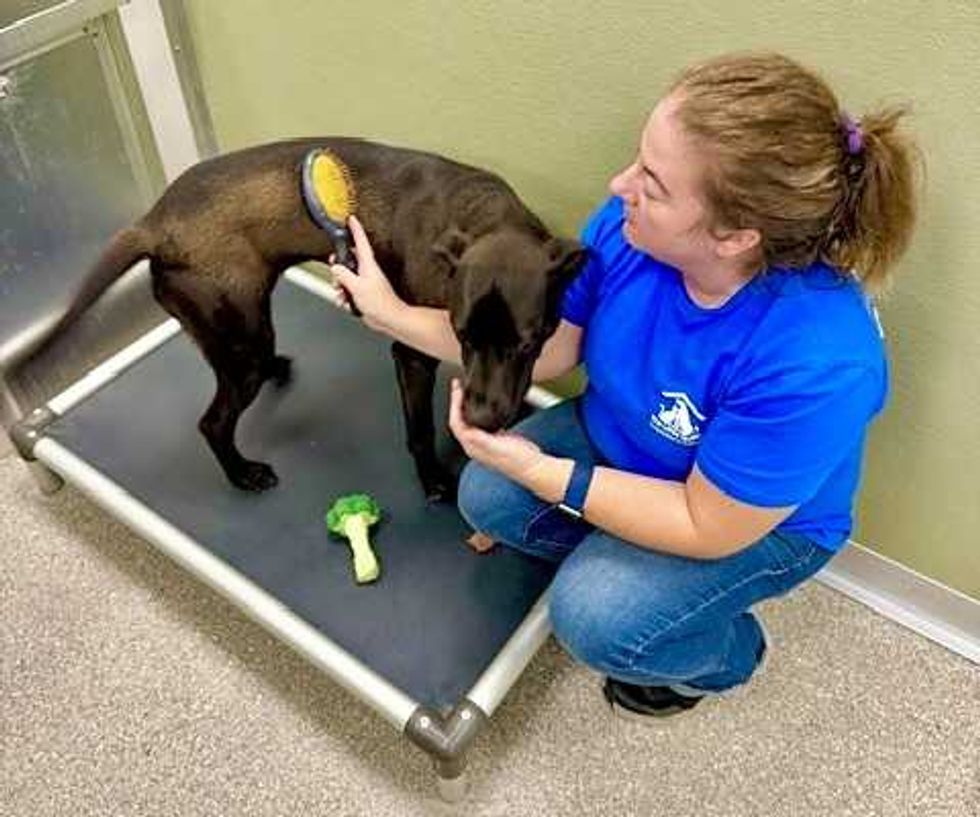 Tiffany Lemelin, shelter manager, brushing Marsala upon arrival.Provided
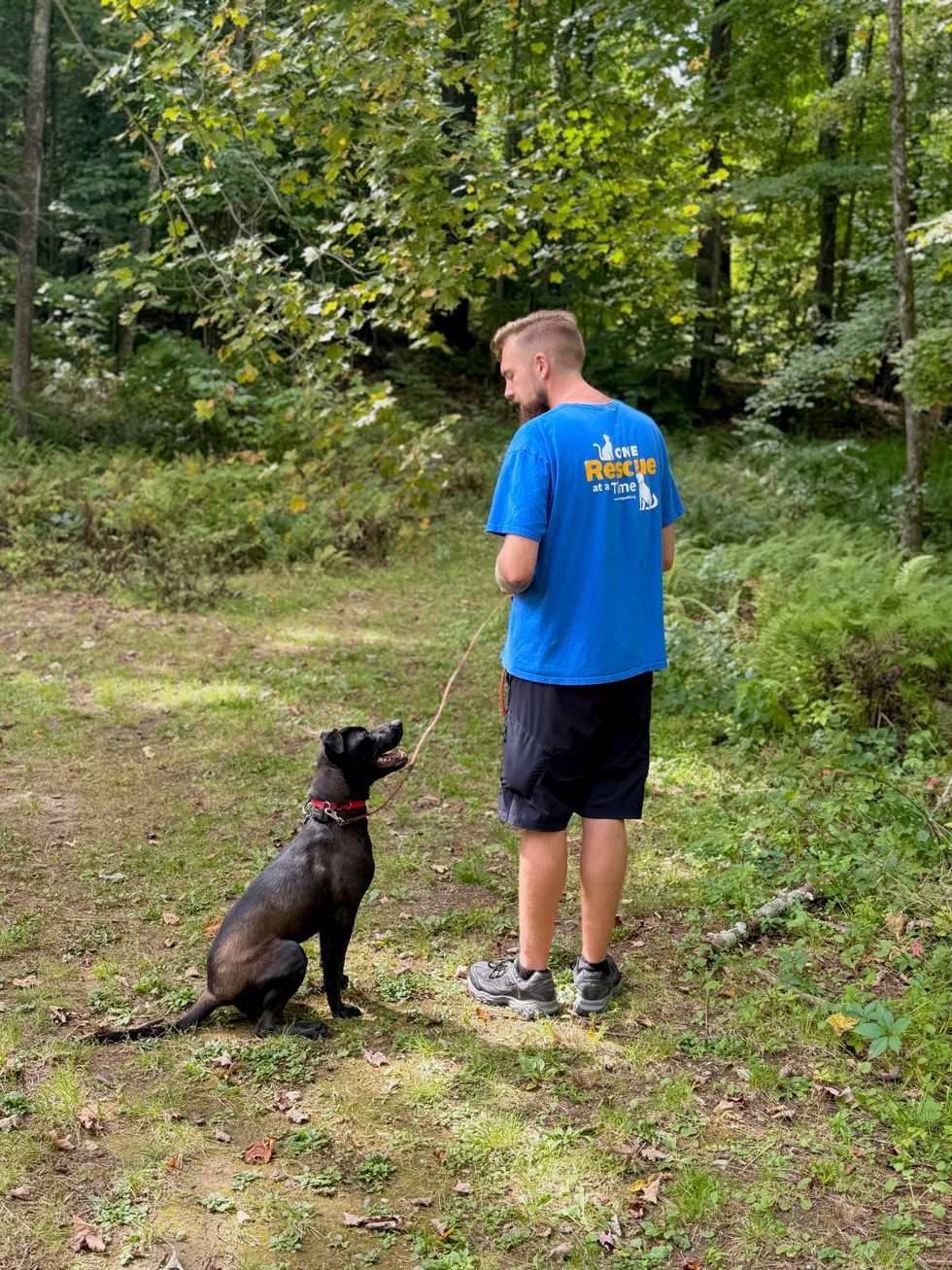 Michael DeBarba, certified dog trainer working with Marsala.Jennifer Almquist
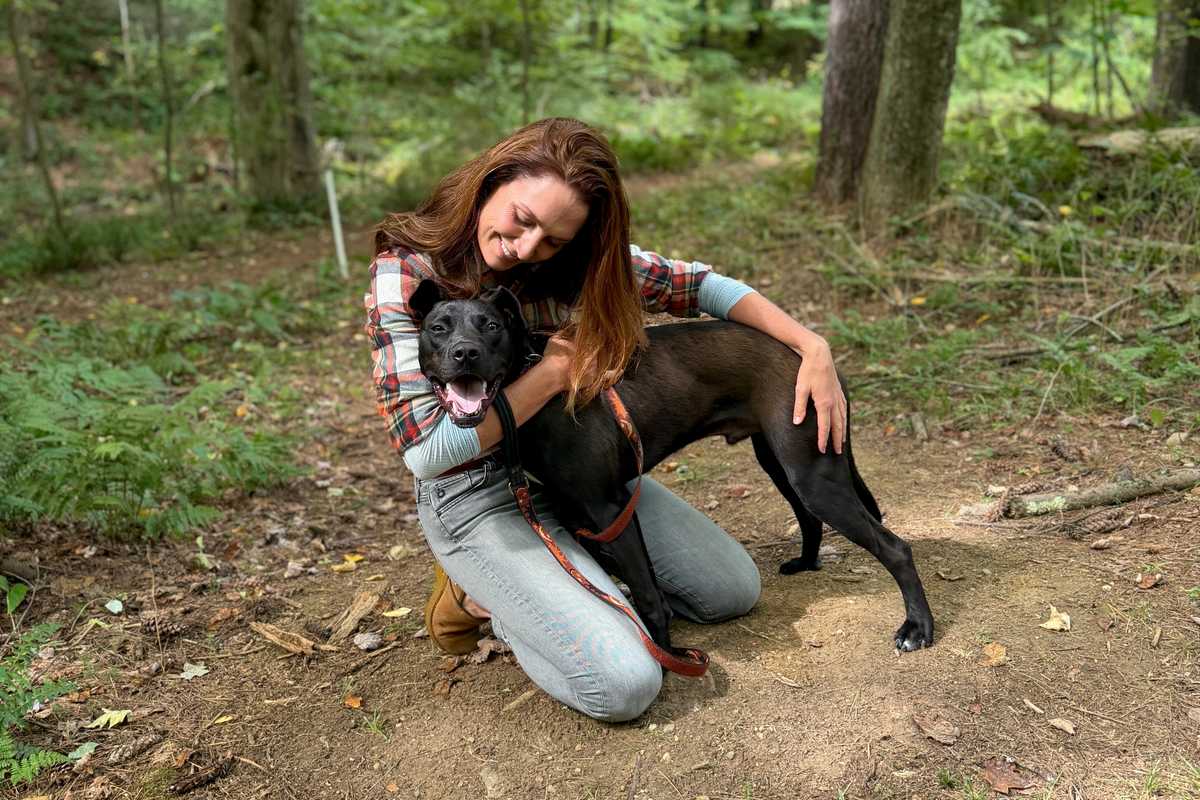 Marsala wins a heart.Jennifer Almquist
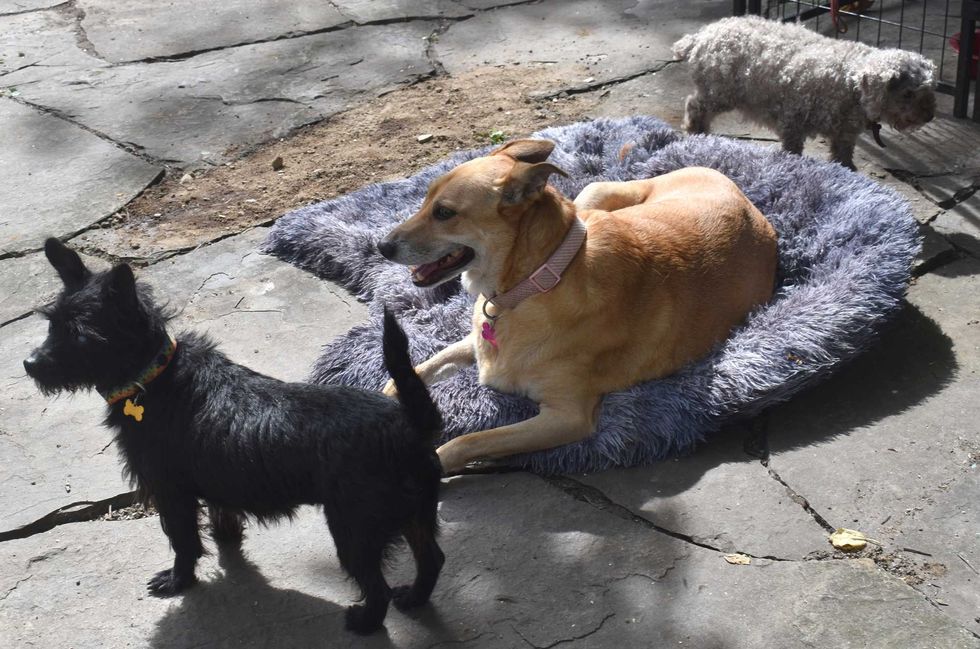 Sadie, center, a Carolina dog, plays with her friend Negra, a terrier mix. Bella Linda, the small poodle, has since been adopted.L. Tomaino
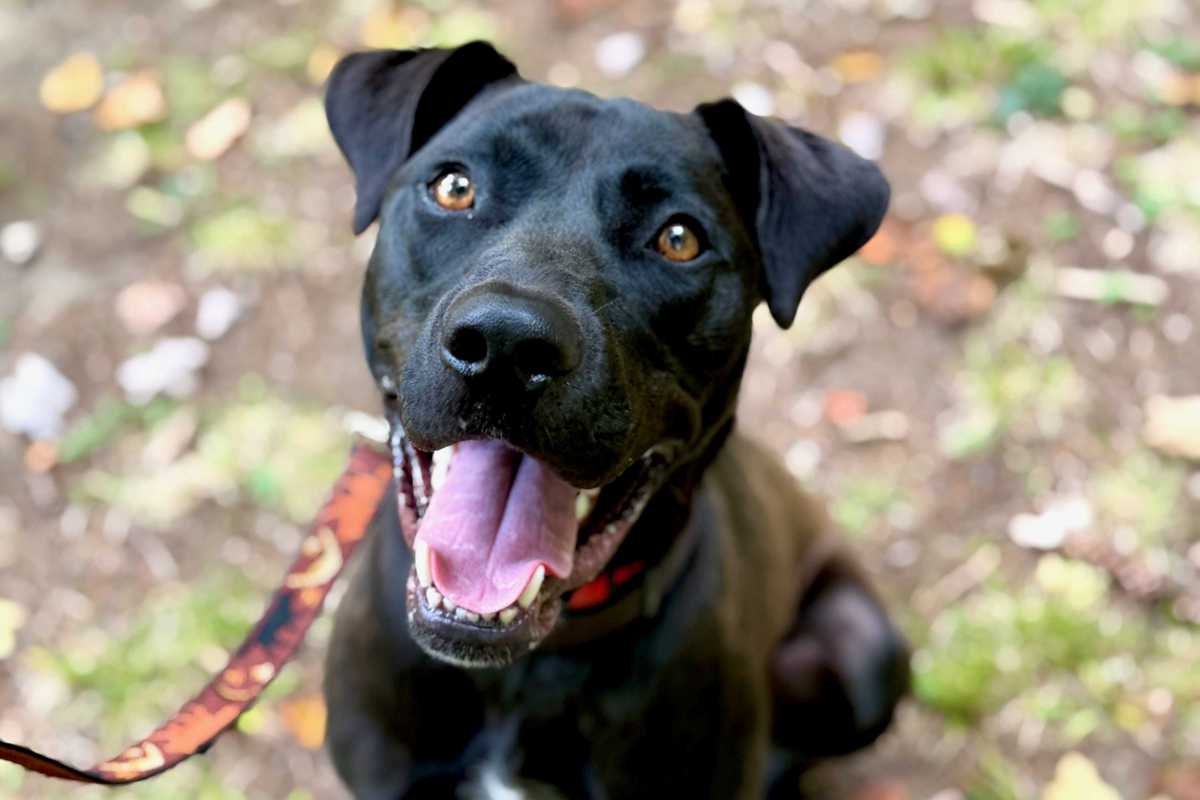
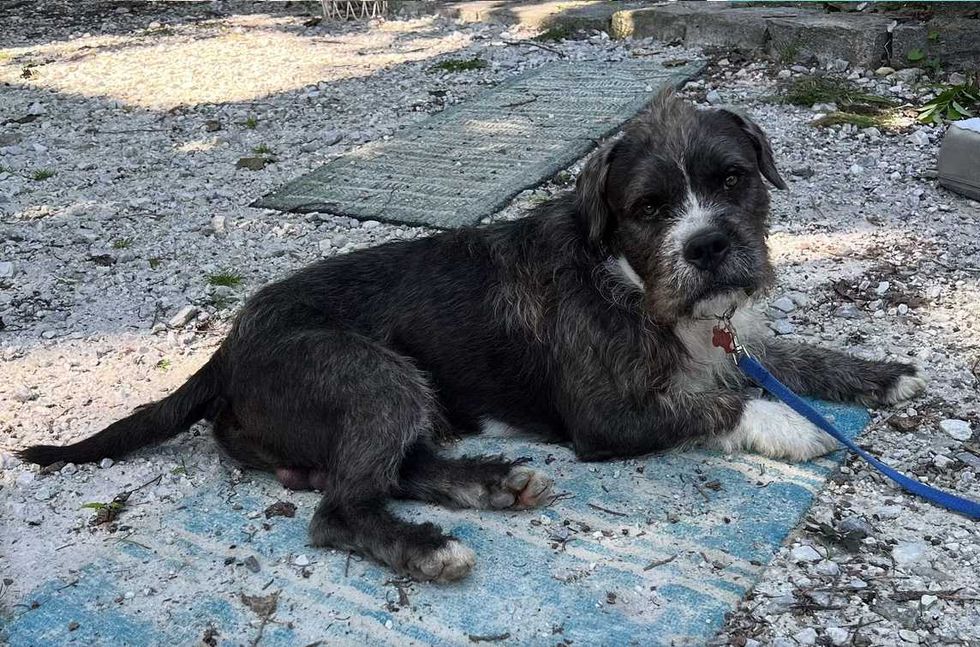 Wesley, a young, exuberant mix, is looking for an active home.L. Tomaino
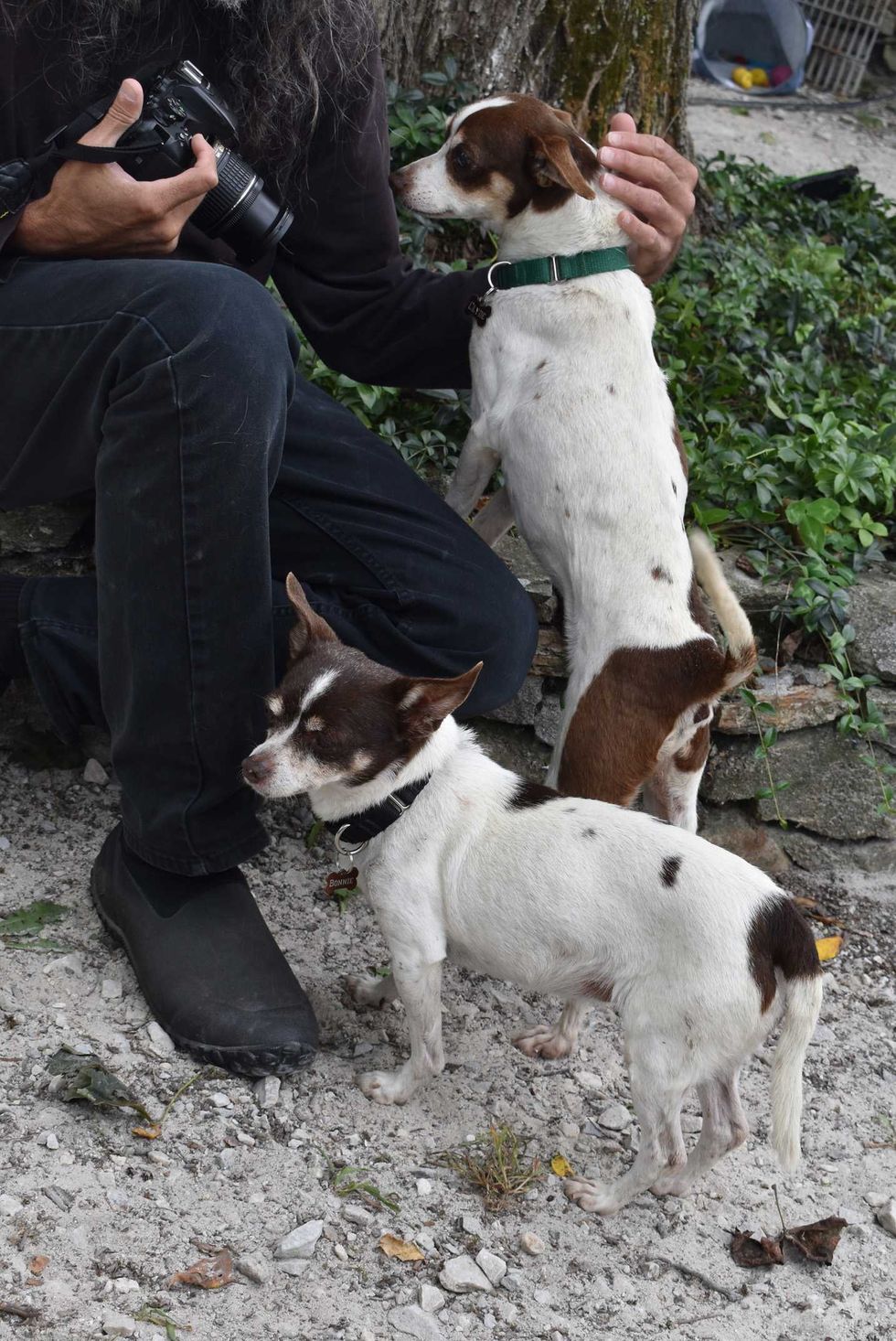 Bonnie and Clyde, an affectionate terrier pair.L. Tomaino


The catch-up trade