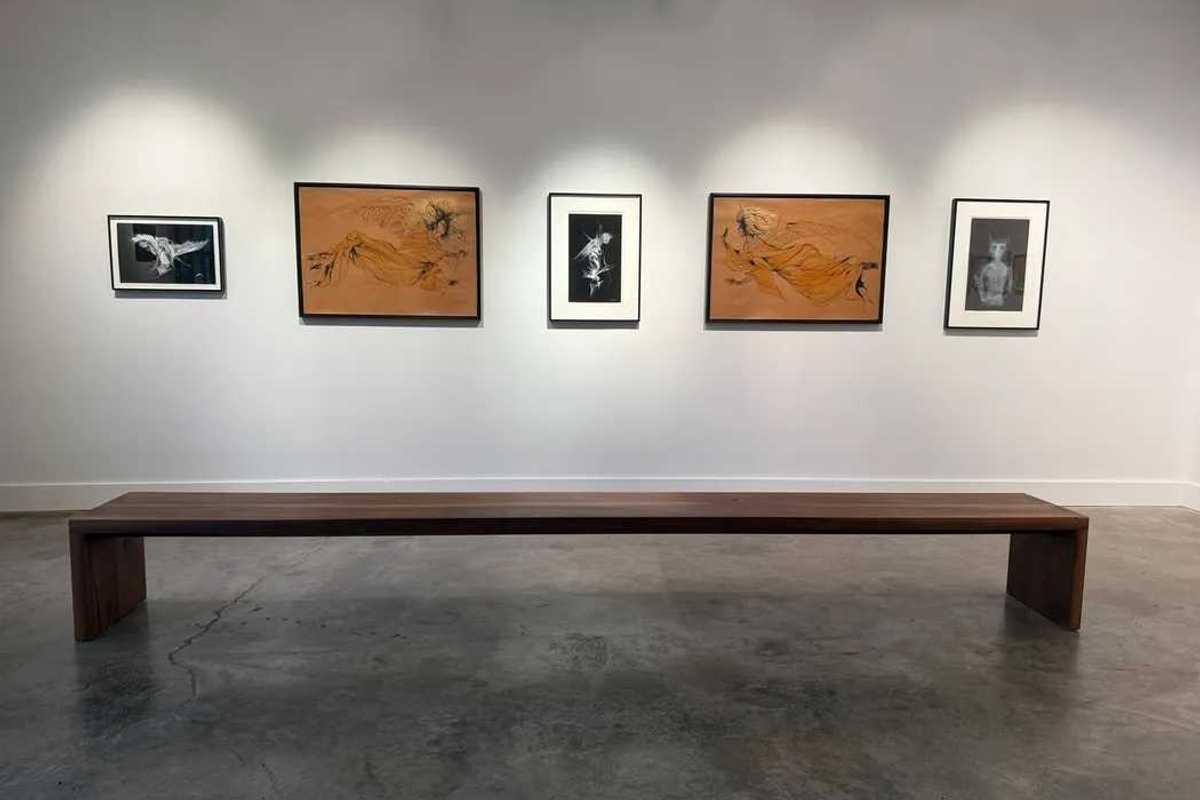
“Vulnerable Earth,” on view through June 14 at the Tremaine Gallery at Hotchkiss, brings together artists who have traveled to one of the most remote regions on Earth and returned with work shaped by first-hand experience of a fragile, rapidly shifting planet, inviting viewers to sit with the tension between awe and loss, beauty and vulnerability.
Curated by Greg Lock, director of the Photography, Film and Related Media program at The Hotchkiss School, the exhibition centers on participants in The Arctic Circle, an expeditionary residency that sends artists and scientists into the High Arctic aboard a research vessel twice a year. The result is a show documenting their lived experience and what it means to stand in a place where climate change is not theoretical but visible, immediate and accelerating.
That shared experience — weeks spent together navigating the waters around the Svalbard Archipelago —forms the connective tissue of the exhibition. Artists work across video, photography, performance and digital media, but what binds them is proximity: to the landscape, to one another and to the evidence of environmental change.
“The residency is fantastic,” Lock said. “You fly into the most northerly airport on the planet, get on a ship with a bunch of artists and then sail around the archipelago and find a bay or a glacier, get into little rubber boats and go to shore. There are three guides with rifles … and they form a triangle around us to protect us from polar bears, and then you’re just there.”
That immediacy — of risk, of beauty, of isolation — is evident in the work on view. “Everyone is concerned with the environmental shifts that are occurring, and you’re witnessing it out there,” Lock said. “We were cleaning the beach one day and there’s so much trash on this beach in the middle of nowhere … because there’s plastic in the sea. We are witnessing these things firsthand.”
Lock’s own contributions underscore how quickly the landscape is changing. In one piece, two photographs are mounted on a glacier-shaped metal stand. “I went to photograph the glacier, and we were sailing around and because of the map, we knew we were at the glacier, but we couldn’t see it,” he said. Dense fog, created by warming air meeting cold ground, obscured what should have been unmistakable. Only later, in post-production, did the glacier emerge. “In Photoshop, I could extract the glacier, but to the naked eye, it was no longer visible.”
Other changes are even more stark. Lock recalled the reaction of the ship’s captain comparing current conditions to his charts. “His ‘up to date’ map showed that the glacier was 8 kilometers between one side and the other, but we parked at one side, sailed and moored on the other side and it was 1.4 kilometers,” Lock said. “So, it’s just like bam. It’s happening so fast.”
There is a sense of urgency in these images, but the collection also is a testament to process and to the community that forms in such extreme conditions. “There’s quite a nice network of artists who are pretty tight,” Lock said. “We were on a ship together in tight quarters for three weeks, so we got to know each other really well. And I found connections across the work with my own practice.”
Mindful of the environmental stakes embedded in the work itself, Lock made decisions aimed at reducing impact when curating the exhibition. “A lot of this work I printed with their permission to cut down on my carbon footprint,” he said.
And yet, for all its focus on fragility and loss, the Arctic exerts a pull. “It was funny, I’ve been twice,” Lock said. “When I left the last time, I was like, oh, I don’t know if I need to go back. And then I got back, and all I wanted to do was go back.”
The Tremaine Gallery is located on the Hotchkiss campus at 11 Interlaken Road, Lakeville. Gallery hours are Tuesday - Saturday, 10 a.m. to 4 p.m. and Sunday, 12 noon to 4 p.m.


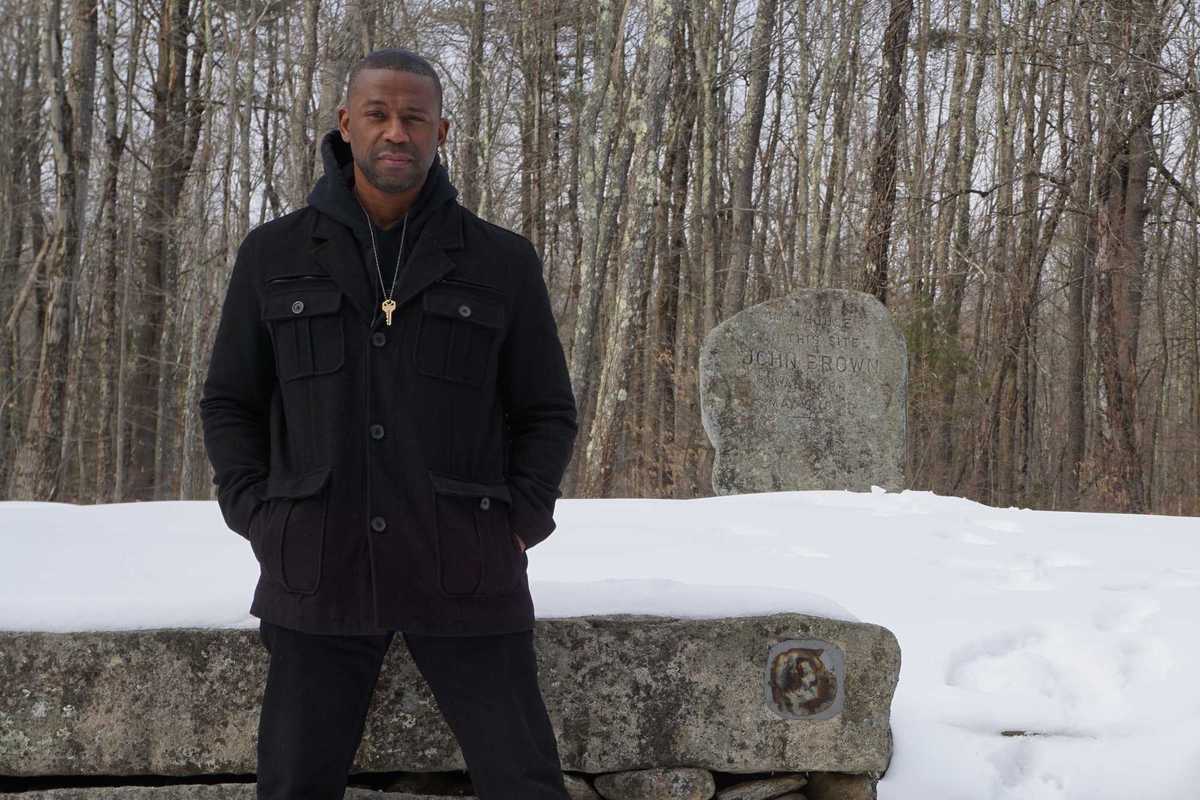
 Pay Bill for Robin Starr’s service in the Continental Army.Courtesy the Alex Breanne Corporation
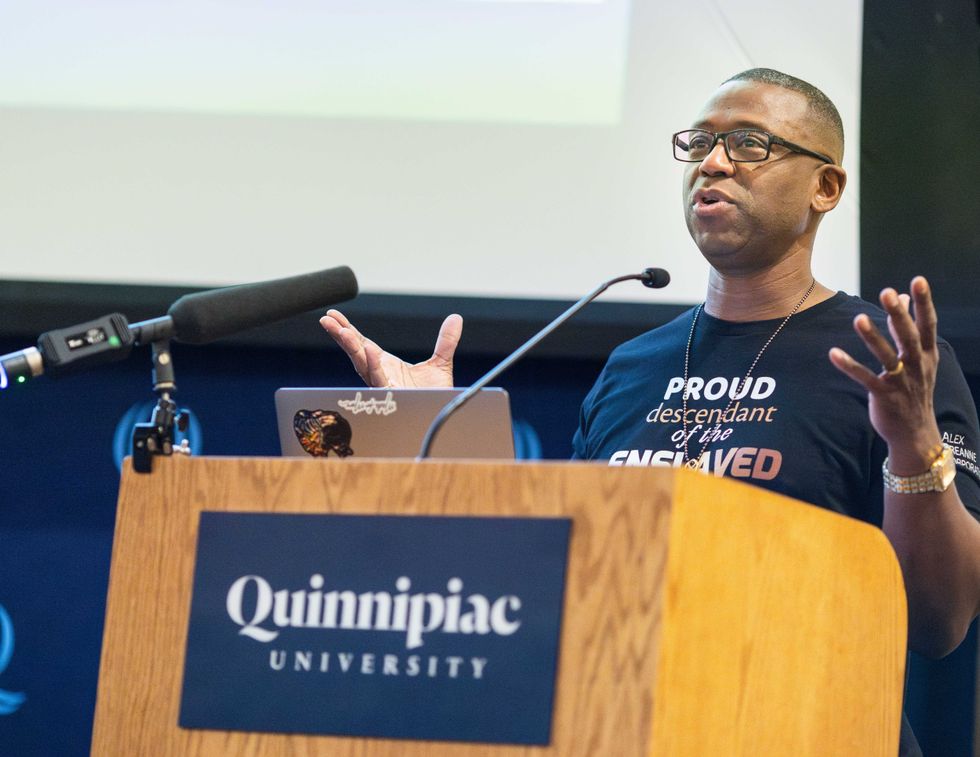 John Mills speaking at Quinnipiac University.Courtesy the Alex Breanne Corporation
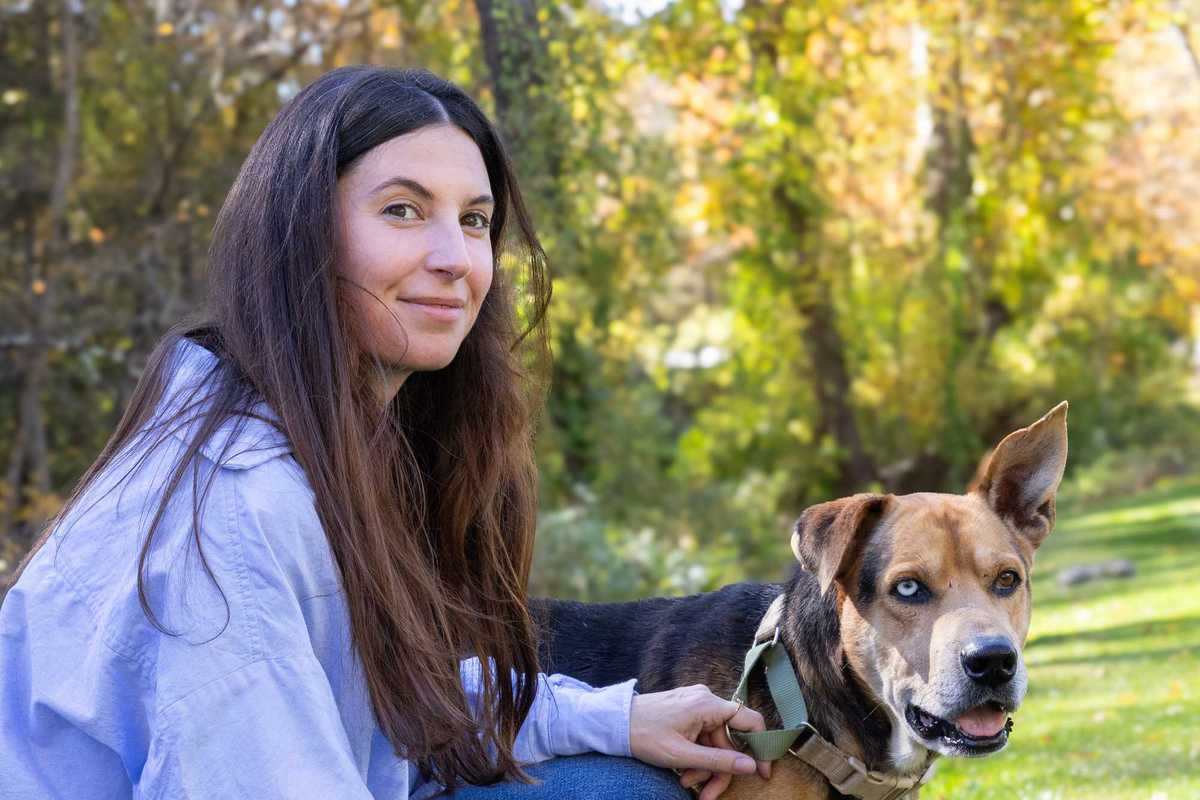
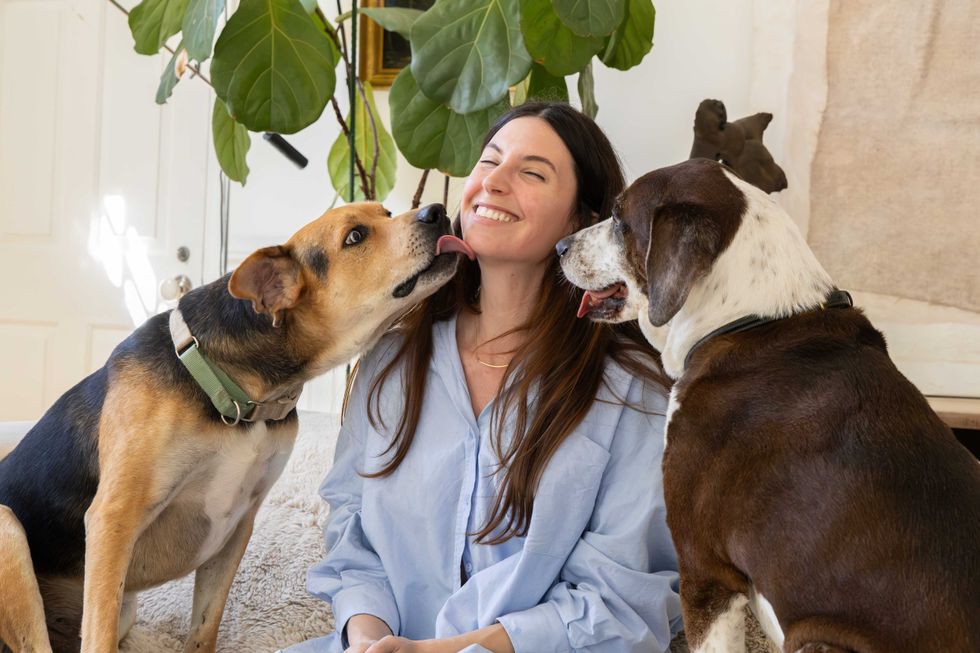 Stephanie Saetta,with her rescue dog George and Blue (left), a shepherd mix awaiting his forever home.Madi Long