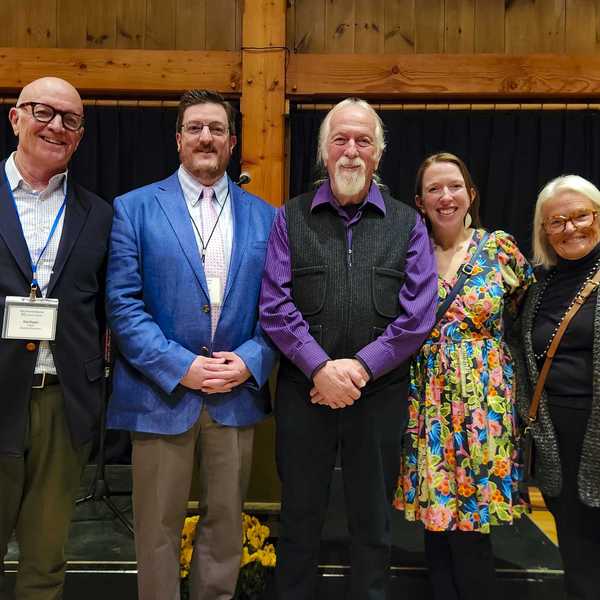
SALISBURY — Ron Bixby of Little Apple Farm and Cidery came to the Scoville Memorial Library Sunday, Jan. 26, to talk about his experiences in reclaiming an old apple orchard and starting a cidery.
The talk was sponsored by the Salisbury Association Land Trust.
The affable Bixby recalled buying the Hillsdale, New York, property. For decades it was owned and run by Louis Rudolph, who died in 1972. A subsequent owner sold it to Bixby and his wife in 1980.
It was a bit of a mess, with a lot of untended apple trees and equipment lying around.
“We spent the first few years clearing on weekends.”
By 1987 they were ready to start growing apples, and in 2016 the cidery opened.
Little Apple is a certified organic operation. Bixby said they use materials from an approved list for pest control.
They started out with Northern Spy and Golden Russet trees, and have added other varieties along the way.
In response to a question, Bixby clarified that when he says “cider” he is talking about alcoholic, or “hard” cider, as opposed to non-alcoholic or “sweet” cider.
Asked what the difference is between sweet cider and apple juice, Bixby said the latter is usually made from concentrate, adding that Poland is a major exporter of apple juice concentrate.
He went into considerable detail about the harvesting and processing of the apples, which is labor-intensive.
As a result, the cidery produces small batches of different ciders, 20 to 30 gallons at a time.
And he keeps tinkering. In the last year he tried making a pear cider, after learning of a landowner in Pine Plains with a couple of old pear trees that nobody except the deer were paying attention to.
He cautioned those in the audience who are considering taking a stab at cider-making: “It takes a lot of work and a lot of love to have and make cider. So don’t go into it lightly.”

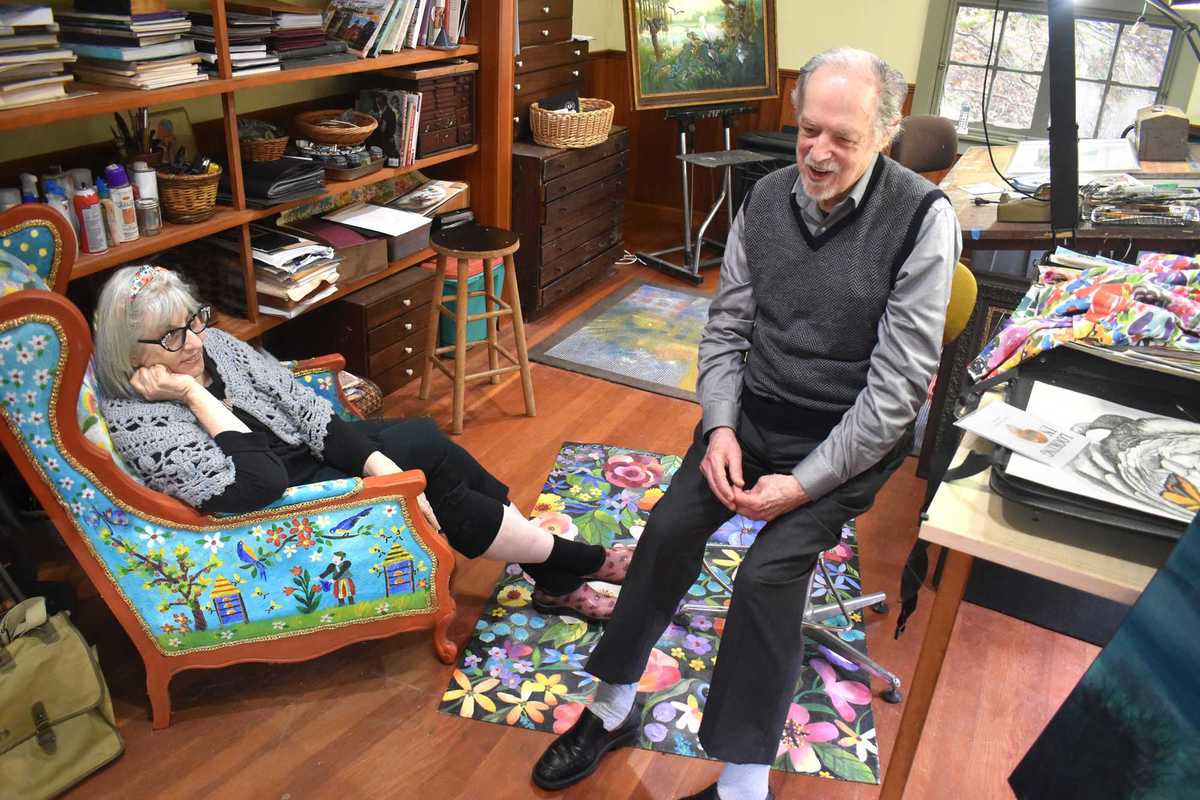
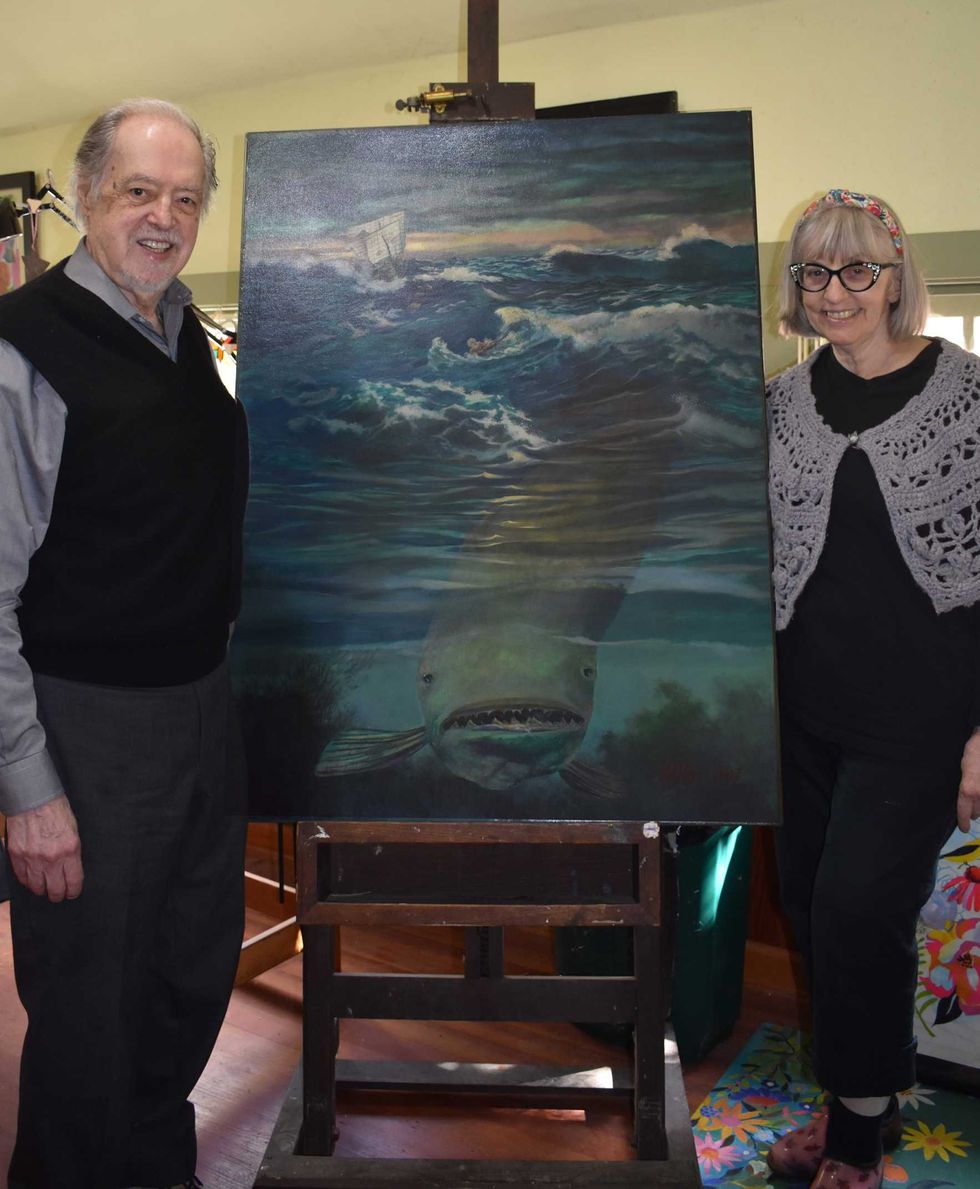 Justine and Victor Valla in their studio with a painting of Victor’s,”Jonah and the Whale.” Robin Roraback

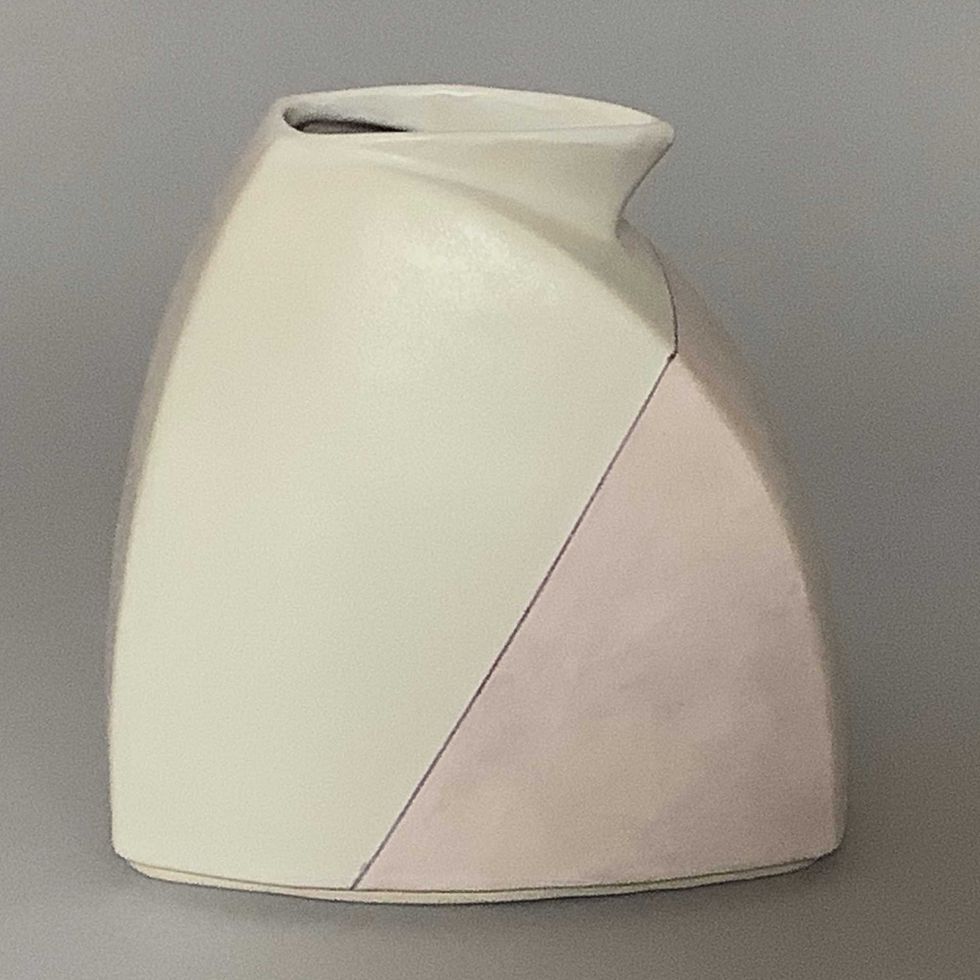 A ceramic vase by Kathleen Heidemann.Provided
 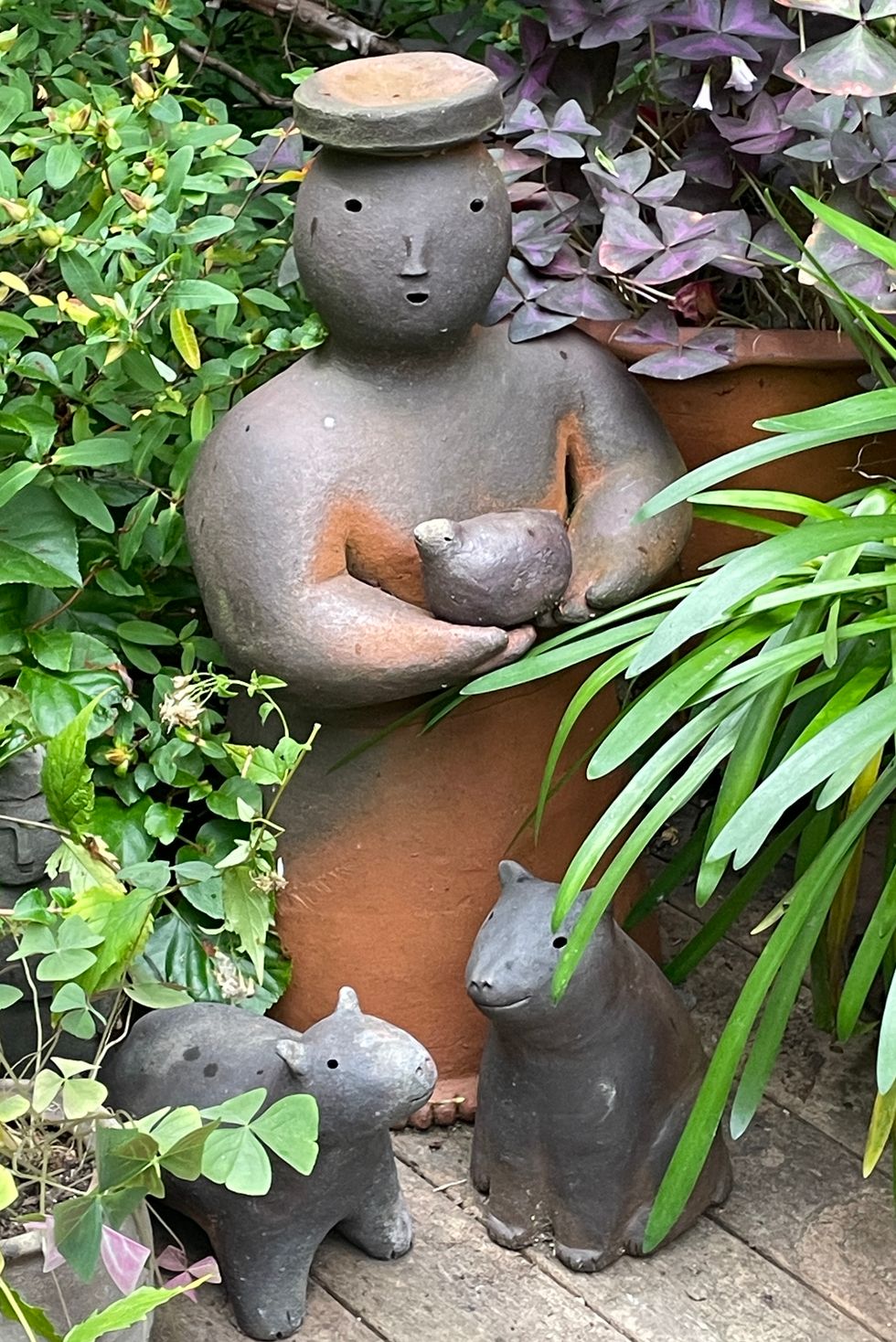 Joy Brown’s delightful ceramic sculptures.Provided
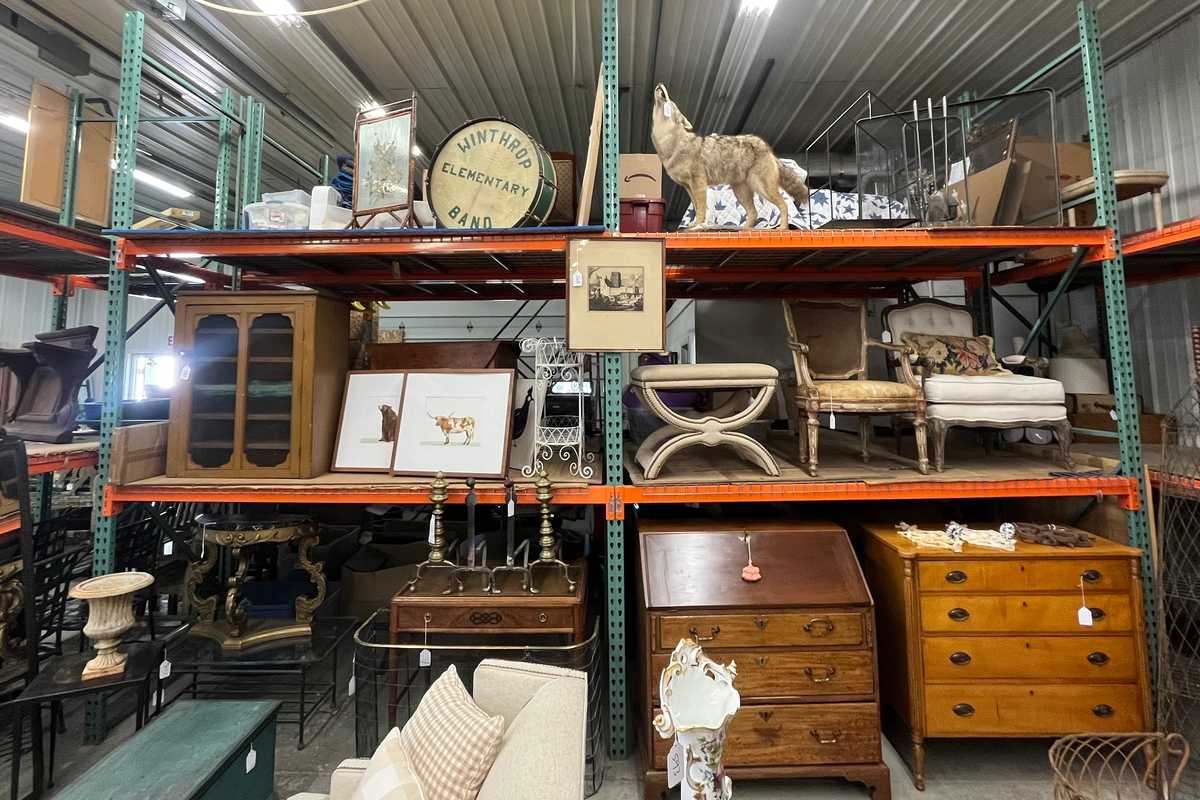
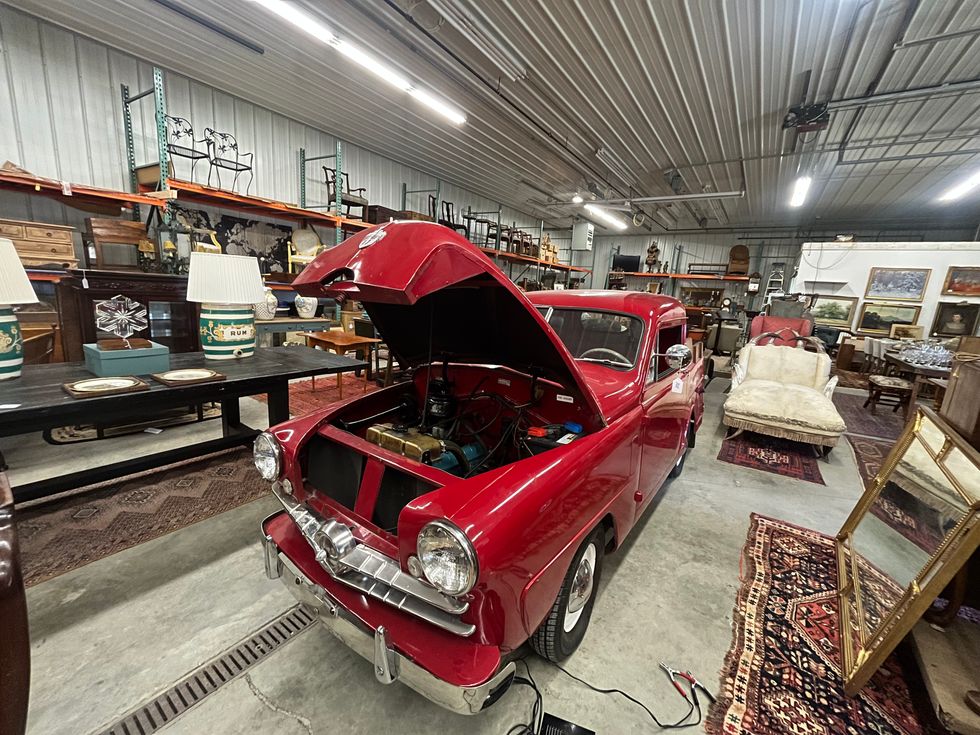 Hundreds of items at Stateline Auctions, including a candy-apple-red Crosley pickup truck.D.H. Callahan