Hecate downsizes Copake solar proposal

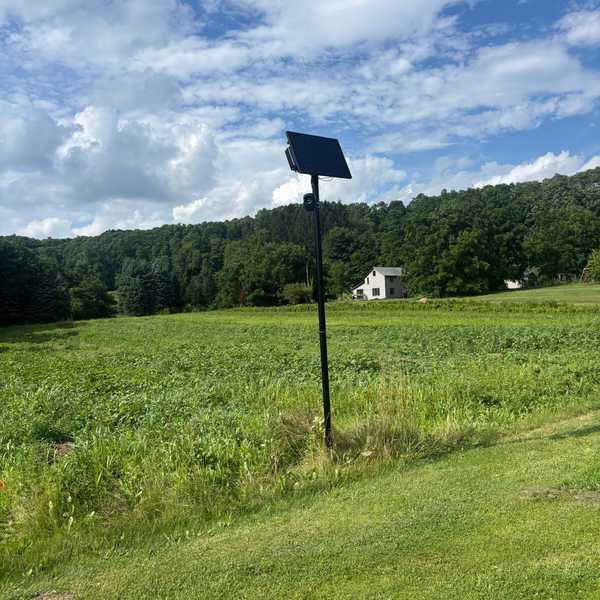
COPAKE – Hecate Energy LLC has proposed a cutback in the capacity of the Shepherd’s Run Solar Farm project to reflect the loss of a 60-acre parcel originally included in planning.

Shepherd Run’s generating capacity would be reduced to 42 megawatts (MW) from 60MW under a suggested new approach.

Slated along routes 23 and 7, the project was on track following the issuance of a determination in August by the New York State Office of Renewable Energy Siting (ORES) that the project application was “complete.”

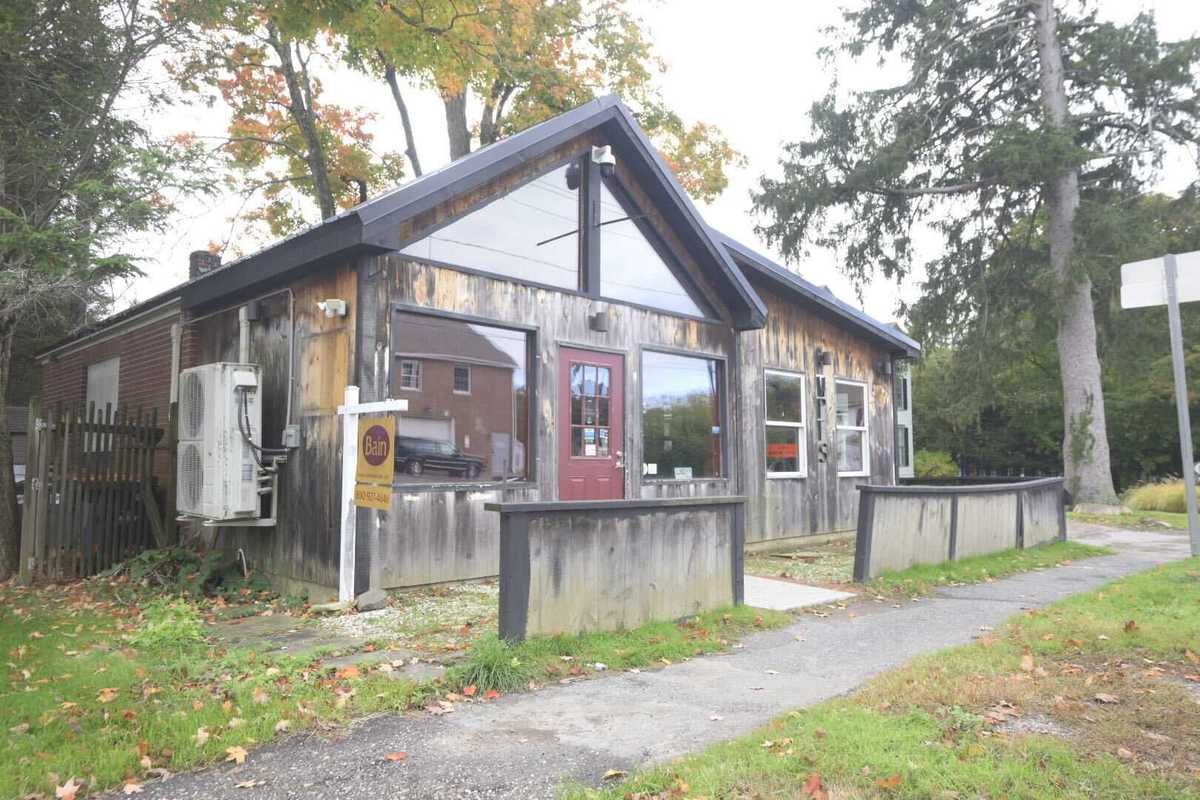
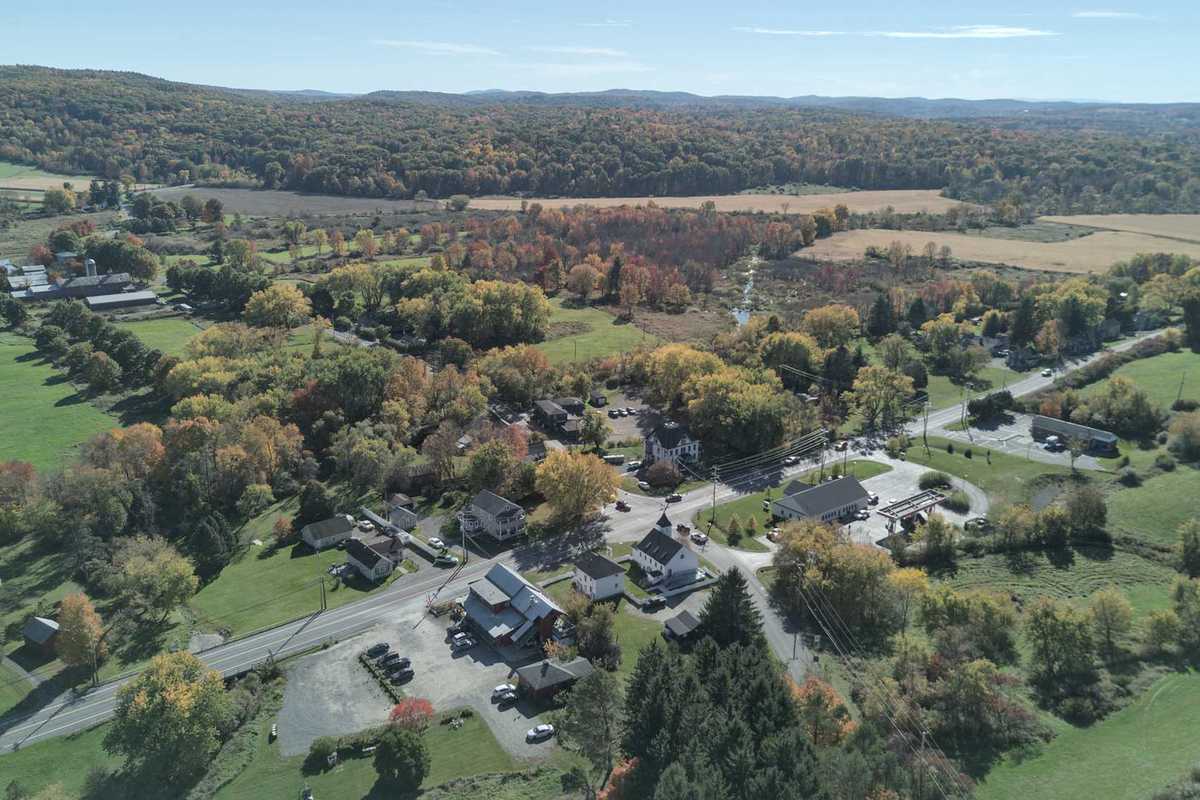
The project footprint spans 880 acres with a solar array covering about 220 acres. The installation would be one of the first things motorists encounter as they enter this agricultural community from the west.

On Jan. 2 it became apparent that Hecate had lost access to close to 60 acres initially included in the project for hosting up to 20% of the farm’s solar panels, and for a “laydown area” and road access to adjacent parcels included in the project. The Town of Copake filed with the ORES office seeking dismissal of Hecate’s application based on the new information and claiming that a redesign of the project is required.

Following the town’s motion, the ORES staff last week responded that it “appears that the applicant [Hecate] may not meet the regulatory requirements necessary to obtain a final siting permit for the facility as initially proposed.”

“Such deficiency,” the staff filing continued, “if not meaningfully rebutted by the applicant, may require denial of the application.”

Diane Sullivan, a senior vice president of environmental and permitting at Hecate Energy, said in a filing to ORES on Thursday, Jan. 25, that the company plans to submit a revised plan within 60 days. Hecate also argued that the executive director of ORES, Houtan Moaveni, has the leeway to “proceed in ways not addressed by the ORES staff response.”

“Hecate has been actively working to develop an updated Project layout, analyze how the removal of the [60 acre] parcel affects Project impacts, and to determine where supplemental information is needed to the Application to make conforming updates,” Sullivan said in the filing.

One approach suggested by Hecate would be for the state agency to issue a notice of incomplete application.

Another approach called for the for issuance of “an abeyance of the proceeding” while Hecate prepares a proposed supplement to its application.

“These options would enable Hecate to update the Project’s Application to reflect a smaller project within the same footprint without requiring an unnecessary, time consuming and potentially complex full withdrawal and resubmission of an entirely new application,” Hecate wrote.

Latest News

Officials divided on allowing restaurants along Route 22

The Irondale district, currently known as Highway Business District III, is comprised of just six parcels along Route 22 that are currently occupied by light industrial businesses.

Photo by Nathan Miller

MILLERTON — Though the Irondale District lies just outside of the Village of Millerton, it has become the center of a divisive conversation as the Town of North East continues to review a significant overhaul of its commercial zoning code.

Irondale, officially known as the Highway Business district under current town code, is a small stretch along Route 22 south of the village that some officials and residents believe could support additional businesses, while others argue development there could undermine efforts to boost Millerton’s existing downtown.

Keep ReadingShow less
Robin Wall Kimmerer urges gratitude, reciprocity in talk at Cary Institute

Robin Wall Kimmerer inspired the audience with her grassroots initiative “Plant, Baby, Plant,” encouraging restoration, native planting and care for ecosystems.

Aly Morrissey

Robin Wall Kimmerer, the bestselling author of “Braiding Sweetgrass” and a member of the Citizen Potawatomi Nation, urged a sold-out audience at the Cary Institute of Ecosystem Studies on Friday, March 13, to rethink humanity’s relationship with the natural world through gratitude, reciprocity and responsibility.

Introduced by Cary Institute President Joshua Ginsberg, Kimmerer opened the evening by greeting the audience in Potawatomi, the native language of her ancestors, and grounding the talk in a practice of gratitude.

Keep ReadingShow less
google preferred source

Want more of our stories on Google? Click here to make us a Preferred Source.

Melissa Gamwell’s handmade touch

Melissa Gamwell’s handmade touch
Melissa Gamwell, hand lettering with precision and care.
Kevin Greenberg
"There is no better feeling than working through something with your own brain and your own hands." —Melissa Gamwell

In an age of automation, Melissa Gamwell is keeping the human hand alive.

The Cornwall, Connecticut-based calligrapher is practicing an art form that’s been under attack by machines for nearly 400 years, and people are noticing. For proof, look no further than the line leading to her candle-lit table at the Stissing House Craft Feast each winter. In her first year there, she scribed around 1,200 gift tags, cards, and hand drawn ornaments.

Keep ReadingShow less
Regional 7 students bring ‘The Addams Family’ to the stage

The cast of “The Addams Family” from Northwest Regional School District No. 7 with Principal Kelly Carroll from Ann Antolini Elementary School in New Hartford.

Monique Jaramillo

Nearly 50 students from across the region are helping bring the delightfully macabre world of “The Addams Family” to life in Northwestern Regional School District No. 7’s upcoming production. The student cast and crew, representing the towns of Barkhamsted, Colebrook, New Hartford and Norfolk, will stage the musical March 27 and 28 at 7 p.m., with a 2 p.m. matinee on March 29 in the school’s auditorium in Winsted.

Based on the iconic characters created by Charles Addams, the musical follows Wednesday Addams, who shocks her famously eccentric family by falling in love with a perfectly “normal” young man. When his parents come to dinner at the Addams’ mansion, two very different families collide, leading to an evening of secrets, surprises and unexpected revelations about love and belonging.

Keep ReadingShow less
‘Quilts of Many Colors’ opens at Hunt Library

Garth Kobel, Art Wall Chair, Mary Randolph, Frank Halden, Ruth Giumarro, Project Chair, Maria Bulson, Barbara Lobdell, Sherry Newman, Elizabeth Frey-Thomas, Donna Heinz around “The Green Man.”

Robin Roraback

In honor of National Quilt Day, a tradition established in 1991, Hunt Library’s second annual quilt show, “Quilts of Many Colors,” will open Saturday, March 21, with a reception from 5 to 7 p.m. The quilts, made by members of the Hunt Library Quilters, will be displayed through April 17. All quilts will be for sale, and a portion of each sale goes to the library.

At the center of the exhibit is a quilt the Hunt Library Quilters collaborated on called the “Quilt of Many Colors,” inspired by Dolly Parton’s song”Coat of Many Colors.” Each member of the Hunt Library Quilters made two to four 10-inch squares for the twin-size quilt, with Gail Allyn embroidering “The Green Man” for the center square. The Green Man, a symbol of rebirth, is also a symbol of the library, seen carved in stone at the library’s entrance. One hundred percent of the sale of this quilt benefits the library.

Keep ReadingShow less
google preferred source

Want more of our stories on Google? Click here to make us a Preferred Source.

google preferred source

Want more of our stories on Google? Click here to make us a Preferred Source.