Thank you!
Your support is sustaining the future of local news in our communities.

Donors give Stanford $2 million for ambulance; $150,000 for park

Donors give Stanford $2 million for ambulance; $150,000 for park

The proposed Dot and Ira Burdick Park plan with funding donated by Gayle Bontecou in memory of her late husband Jesse, features among other things a berry patch, beehives, crab apple walk, benches, walkways, a pollinator meadow, split rail fence, a pavilion for field trips and historical society exhibits, a pond with a boardwalk over it, and parking.

Photo provided

STANFORD — When an ambulance arrives in the next three years to save a life in Stanford, it will be doing so largely thanks to the generosity of an anonymous donor who recently gave what Town Supervisor Wendy Burton describes as a “jaw dropping” $2 million to pick up the lion’s share of that service’s annual fee of $750,000.

When families build memories in the soon to be created Dot and Ira Burdick pocket park, named respectively after the former historian and town supervisor, their appreciation should go to Gayle Bontecou for the $150,000 donation she made in memory of her late husband Jesse — one of many they made over the years.

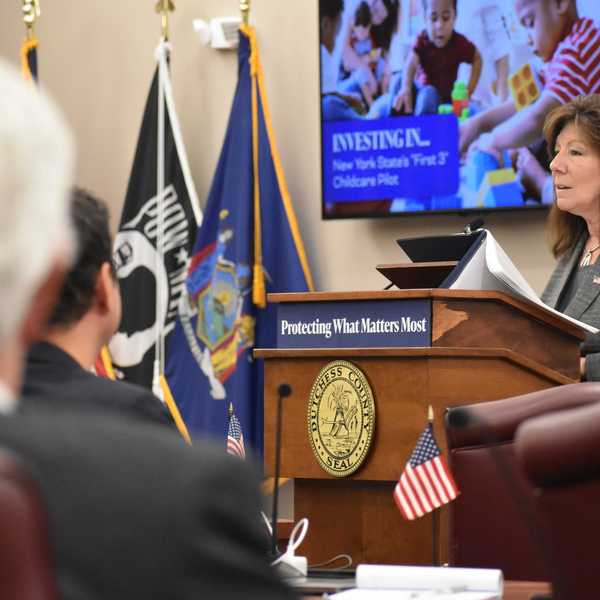
Both contributions were announced in a recent newsletter by Burton who says, “we have something going on here” with the gifts representative of the way in which the once fractured town has “come together” and is now a “town that just wants to take care of itself” with citizens stepping up to manage the many needs.

In discussing the donations, she explained that in the past, the “must have” ambulance service had been provided by volunteers such as those currently at the fire department whom she says are “the best ever.” However, when the volunteers needed to be replaced by a professional service, it came with an eye-popping $62,000 cost per month — 92% of which will now be covered for the next three years by the donation.

The other contribution, the new park, will adapt wetlands for nature trails, a pond, historic and nature kiosks, bird houses and a pollinator field. When the donated land was accepted five years ago, it was with the provision that tax money would not be used on it.

When Bontecou, whom Burton describes as “an incredibly generous woman” asked what the town could use, Burton showed her the park plans. She reported Bontecou “said, ‘I’ll write a check for $150,000’ and one of us started crying.”

Burton feels that citizens stepping up is typical of Stanford and believes it may have begun with the privately funded library which is now the “center of the town,” with the “best programming in the world.”

Similarly, the recreation park was built by some 200 citizens sharing their talents in everything from carpentry to hole digging to child care with the efforts under the direction of the organizing company.

Burton also pointed with pride to the way in which the community came together to support the Kemmerer family after a horrendous fire destroyed the heart of their 100 year old farm, raising $100,000 through Go Fund Me with local goods and services donated to a $25,000 auction.

Burton, a 17 year resident of Stanford, who has been supervisor for the past five years says that some days are filled with people complaining that “a garbage truck dropped garbage in front of their house or they don’t like the way a tree was trimmed or there’s a pothole and you’re just going, ‘I’m not the Master of the Universe here.’ And then you have a day like this and you go, ‘Wow! I love my job.’”

Latest News

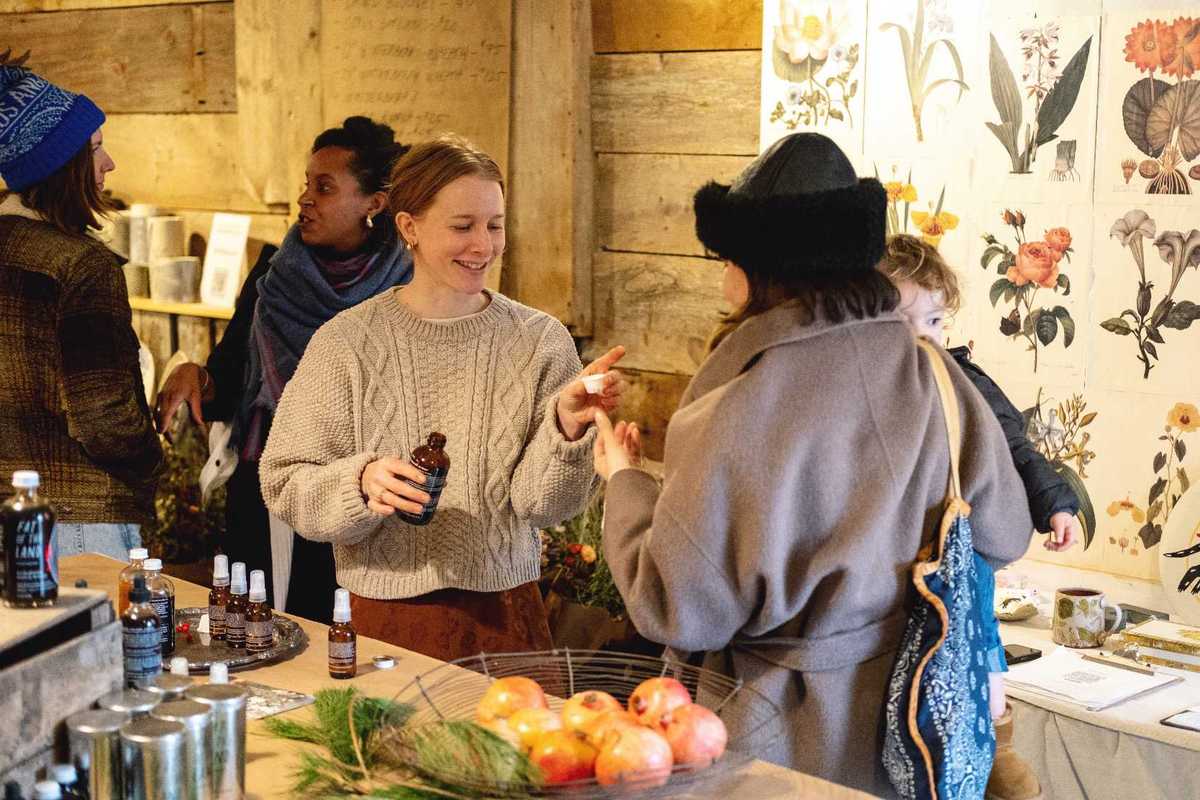
Farm & Friends: a holiday market that gives back

The Farm & Friends holiday market returns Nov. 21 and 22, featuring local makers, food producers and seasonal gifts.

Provided

According to PBS, “More than 5 million people have lost their Supplemental Nutrition Assistance Program, or SNAP, benefits since President Trump’s so-called One Big Beautiful Bill passed last year.” Combined with rising costs and new eligibility requirements, these cuts have placed additional pressure on families struggling to make ends meet. As more people turn to food banks and pantries for assistance, local farms are playing an increasingly important role in meeting that need. Hungry Reaper Farm in Morris, for example, supplies food and CSA shares to a variety of nonprofit organizations and schools.

In Dutchess County, The Webatuck Valley Farm Collaborative is working to strengthen the pipeline from farms to foodbanks. Led by Rock Steady Farm, Sweet Freedom Farm and Wildseed Community Farm and Healing Village, the collaborative hopes to double the infrastructure capacity for at least 15 local farms. This will allow them to increase supplies for food pantries and regional schools while expanding the farms’ reach to industrial buyers and distributors. By their estimation, the food hub “will supply and impact 9 school districts, 13 food pantries, and partner with 6 institutional buyers and 8 aggregators and distributors.”

Keep ReadingShow less

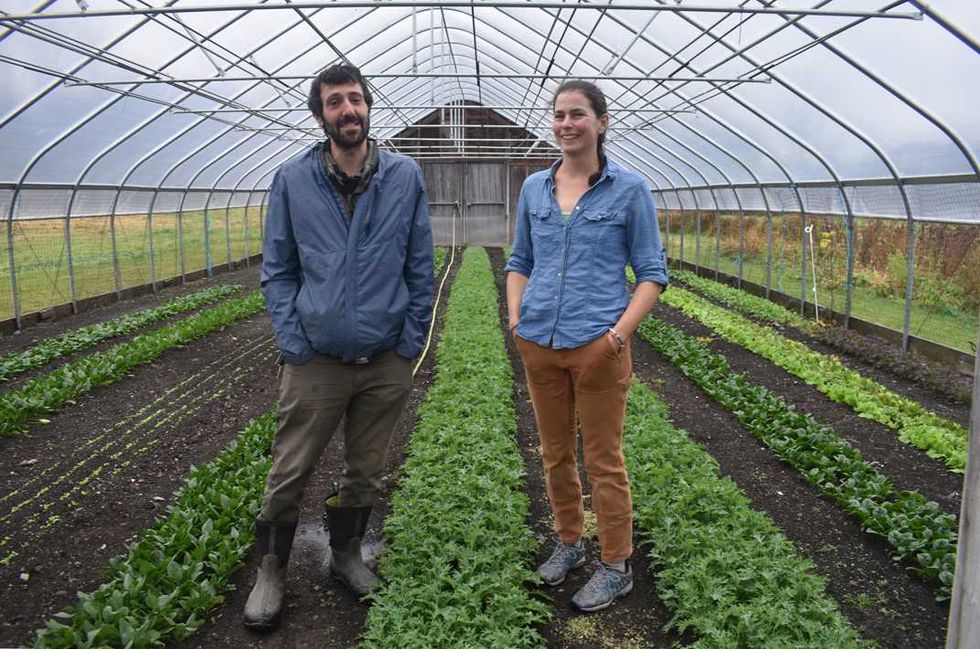
Under the big top at Full Circus Farm

Under the big top at Full Circus Farm

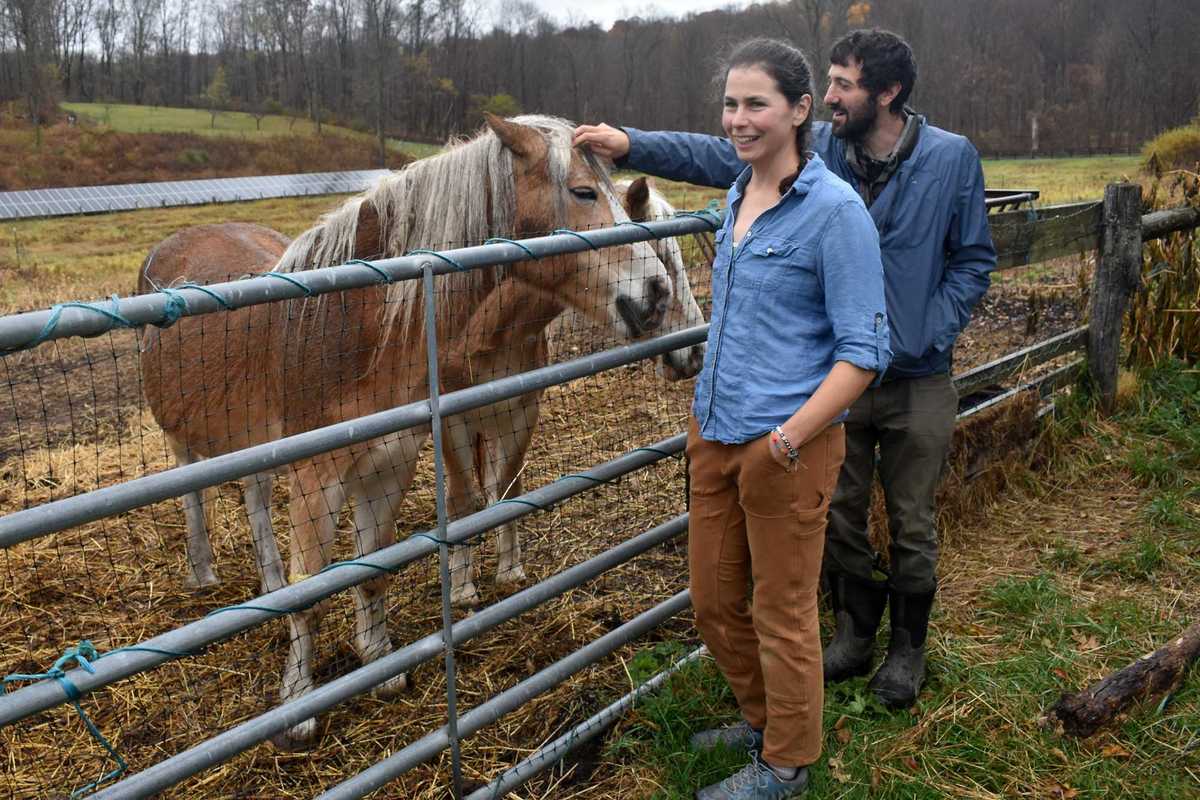
Miriam Goler and Mark Stonehill with their Haflinger horses, Sunshine and Sandy, at Full Circus Farm in Pine Plains.

L. Tomaino
We share this farm with such amazing human and nonhuman neighbors.
— Mark Stonehill

For Mark Stonehill and Miriam Stonehill Goler, the founder of Full Circus Farm in Pine Plains, farming has always been about more than what comes out of the ground.

“From the very beginning, we’ve envisioned the farm as a place not only for food production, but also merriment and community,” they said.

Keep ReadingShow less
At Ancram Center, community takes center stage
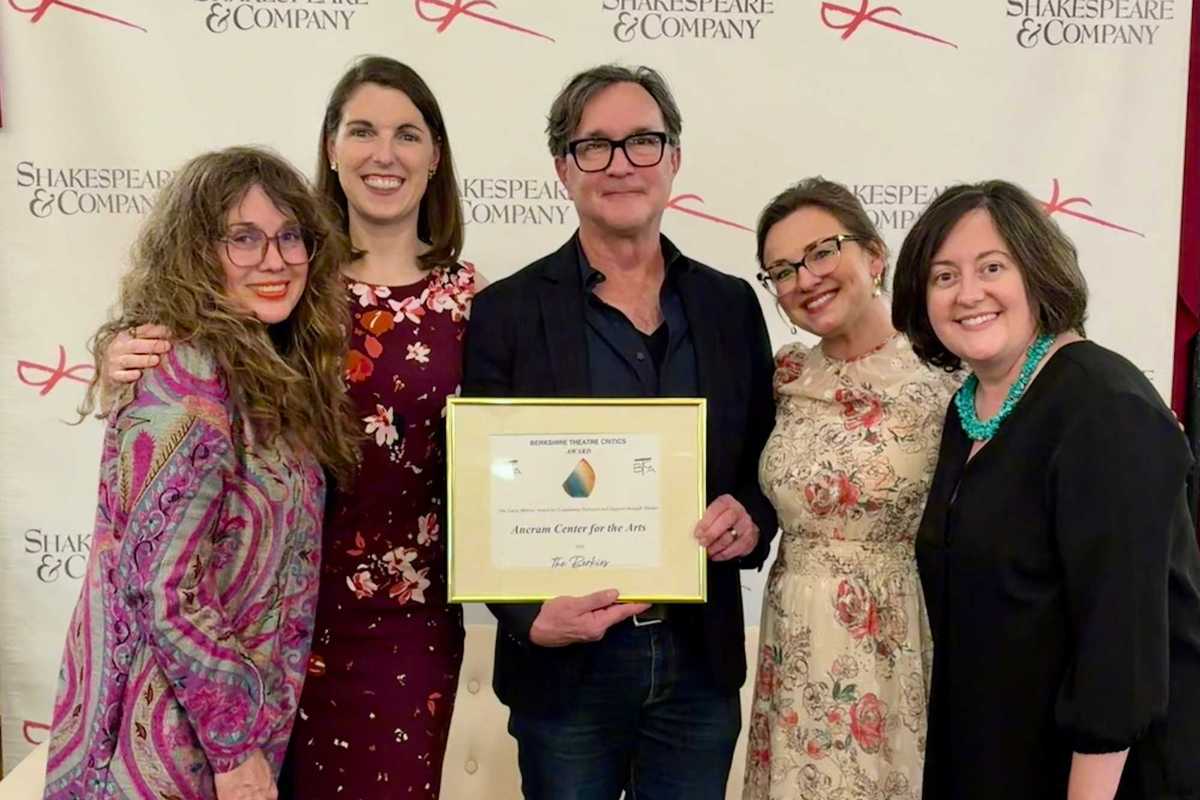
Ancram Center staff and teaching artists after the ceremony.From left to right,Simone Stevens, Sarah Katan, Jeffrey Mousseau, Erin Krom and Chris McCoy.
Provided

At the Ancram Center for the Arts, the stage has been host to numerous award winning professional actors, but it also often belongs to a neighbor with a story to tell. Other times, the performance moves out of the theater altogether, transforming a pond, a field or a corner of town into a stage.

That commitment to bringing theater into the community — and the community into the theater — has earned the Ancram Center the Larry Murray Award for Community Outreach and Support through Theater, one of the Berkshire Theatre Critics Association’s annual Berkie Awards.

Keep ReadingShow less
google preferred source

Want more of our stories on Google? Click here to make us a Preferred Source.

The Cornwall Whale resurfaces in West Cornwall

The Cornwall Whale is the brain-child of visual and experiential designer Lindsay Stadig.

D.H. Callahan

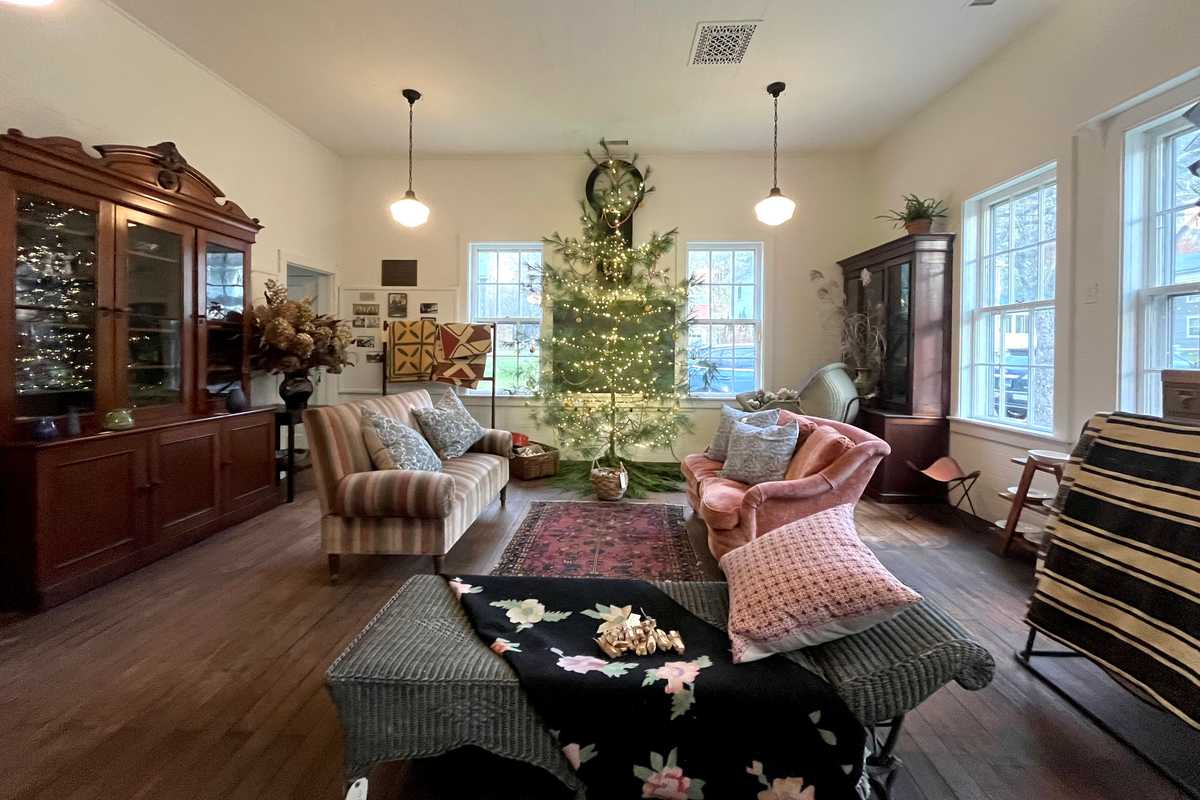
There’s something oddly familiar yet intangibly foreign about the Cornwall Whale. It’s not an interiors store, even though there are chairs and furnishings for sale. It’s not an art gallery, though there are paintings and sculptures occupying every corner of the space. It’s not a boutique, even with locally handmade shoes and carefully selected garments. No, The Cornwall Whale is something truly unique in the world of the truly unique.

The enigmatic shop popped up in the early winter of 2025 at the Hughes Memorial Library, right on the bank of the Housatonic River in West Cornwall. It is the brain-child of visual and experiential designer Lindsay Stadig.

Keep ReadingShow less

Social justice songwriting fall retreat

Social justice songwriting fall retreat

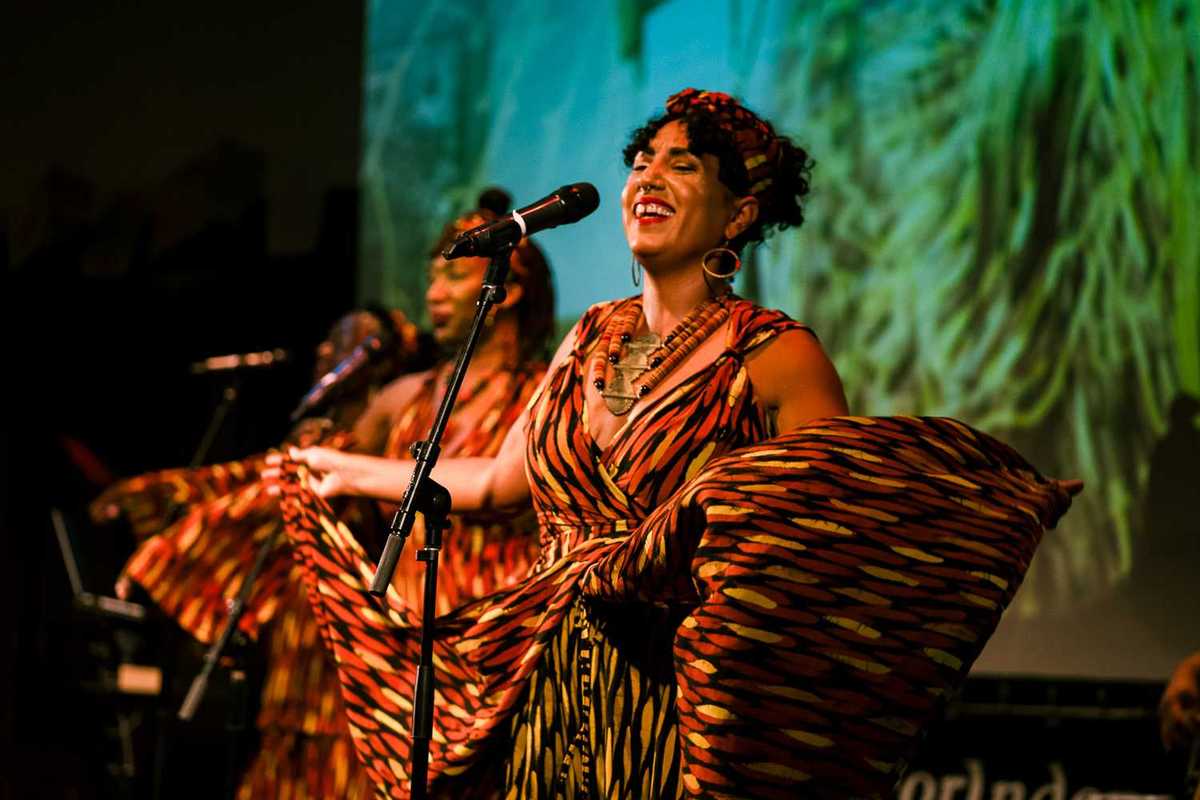
Singer, songwriter and activist Taína Asili leads a social justice songwriting retreat Nov. 20-23 at Soul Fire Farm in Petersburgh, N.Y.

Provided

Music has long been a powerful tool for protest, solidarity and social change. From civil rights anthems to contemporary songs of resistance, songwriting has helped give voice to movements and inspire collective action. Singer, composer and activist Taína Asili will explore that tradition during a four-day Social Justice Songwriting Retreat, Nov. 20 to 23, at Soul Fire Farm in Petersburgh, New York.

The retreat comes amid a renewed interest in collective singing as a form of activism. Organizations such as Singing Resistance are bringing people together across the country to use songs as tools for solidarity, nonviolent resistance and community building. The movement draws on the long history of music in social justice struggles, emphasizing the power of singing together to overcome fear, strengthen connections and inspire collective action.

Keep ReadingShow less
Where Calvin, Hobbes and Rockwell meet

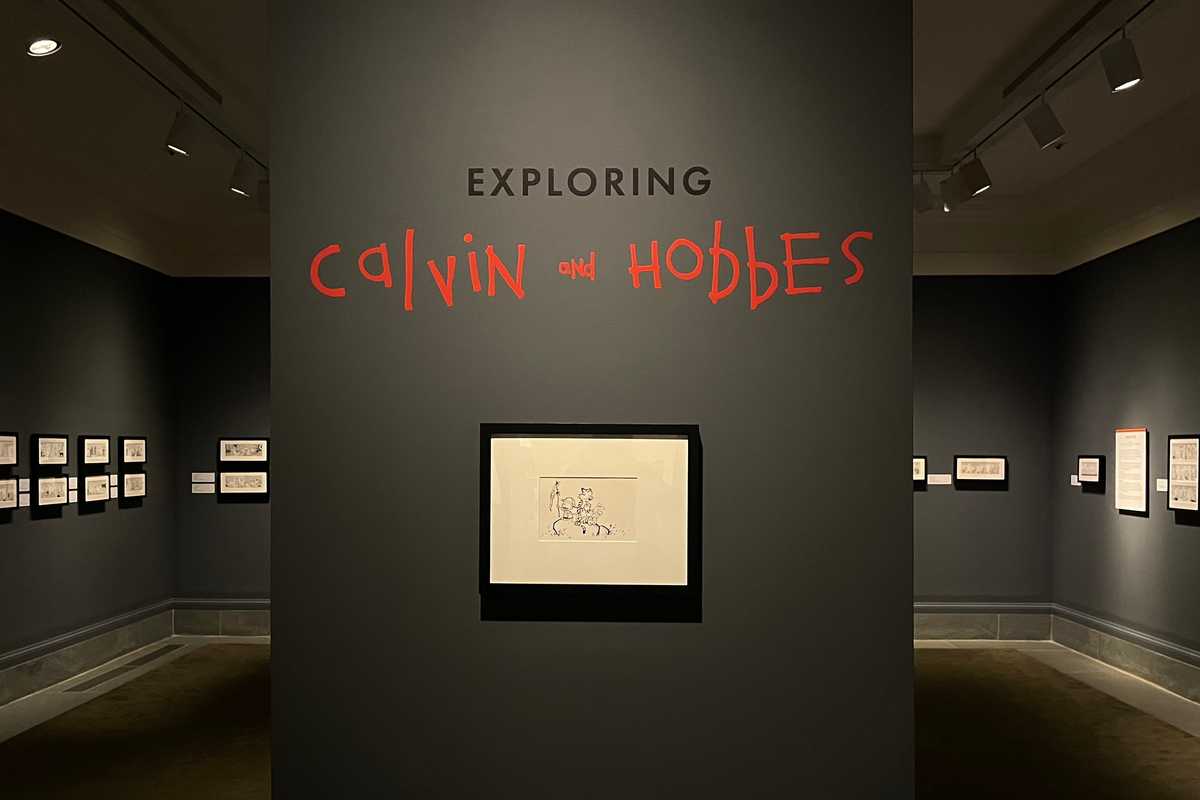
Original “Calvin and Hobbes” comic strips by Bill Watterson are on view alongside works by Norman Rockwell in “Exploring Calvin and Hobbes” at the Norman Rockwell Museum. Stockbridge. The exhibition runs through May 31, 2027.

D.H. Callahan

Two distinctive approaches to American life and storytelling come together in a new exhibition at the Norman Rockwell Museum in Stockbridge, Massachusetts. Opening Saturday, Nov. 14, the exhibition brings the imaginative world of Bill Watterson’s “Calvin and Hobbes” into conversation with the familiar scenes of everyday life captured by Norman Rockwell. Though separated by generations and working in different mediums, both artists found humor, humanity and complexity in the seemingly ordinary.

Norman Rockwell skyrocketed to popularity when he started painting the covers for the Saturday Evening Post, a magazine with a history spanning more than two centuries.Its last print edition ran this past September, transitioning the publication to an online-only format. From 1897 until 1963, it published a new issue every week. Over that time, it published writings by literary legends like F. Scott Fitzgerald, Kurt Vonnegut, Agatha Christie, William Faulkner, Edgar Allan Poe, Louis L’Amour, John Steinbeck and Lenox, Massachusetts resident Edith Wharton, and featured comics by “Peanuts” creator Charles M. Schultz. In 1916, the magazine first featured one of Rockwell’s illustrations. He was just 22 years old.

Keep ReadingShow less
google preferred source

Want more of our stories on Google? Click here to make us a Preferred Source.

google preferred source

Want more of our stories on Google? Click here to make us a Preferred Source.