Thank you!
Your support is sustaining the future of local news in our communities.

Blues Project Is Back, and Taking it on the Road

Blues Project Is Back,  and Taking it on the Road
Steve Katz, a founding member of Blues Project, can still spend all day noodling around with his guitars in his home studio in Kent, Conn.  His band, Blues Project, returns this summer with a concert June 25 and a new album. 
Photo by Cynthia Hochswender

Out of the ashes of Blues Project — one of the most influential bands of the mid 1960s — rose another amazing and influential band of that era: Blood, Sweat & Tears, started by Blues Project founding members Steve Katz and Al Kooper.

Katz and Kooper remained with BST for its early glory years (including the band’s performance at the original Woodstock). They then went their own ways, though the band continues to tour — with all new and much younger members.

“It’s essentially a tribute band now,” said Steve Katz, politely, sitting in his music studio/home office in Kent, Conn., where he lives with his wife, the ceramic artist Alison Palmer.

Make no mistake: Katz isn’t sitting around at home strumming his (many) guitars and talking about The Good Old Days. He keeps busy, making music, doing live solo shows (where he feeds his audience’s nostalgia for the exciting early days of rock and roll in Greenwich Village). He recently wrote a well-received autobiography, “Blood, Sweat and My Rock & Roll Years.”

And now he’s getting his old band back together — but that band is Blues Project, not Blood Sweat & Tears. Katz still speaks weekly with Blues Project drummer Roy Blumenfeld, who now lives in California. More than a half century after they first began making music together, they decided that now was the time to do some live shows and record an album.

The new Blues Project band also includes Chris Morrison (vocals and lead guitar), Ken Clark (piano and vocals) and Scott Petito on bass. All three are younger than Katz and Blumenfeld — but old enough to have experienced live music in a pre-computer age.

Referring especially to the drum machines that have added a more machine-made element to music, Katz said, “Drum machines lack soul. Today’s records lack soul.”

He isn’t talking about soul as a musical genre; he’s referring to the spontaneous magic that occurs when a bunch of musicians come together on a stage or in a studio and unexpected things just … happen.

Blues Project itself is largely electric, not at all an unplugged throwback to the early days of American roots music.

Rob Buccino, who writes about music for Compass arts and entertainment, described the band as, “anchored (like Cream) in high-volume cover versions of blues classics. Blues Project was also among the first bands to blend jazz themes with rock instrumentation, an early forerunner to jazz-rock fusion, at a time when psychedelia/acid rock was washing over the country.”

The new Blues Project began touring last year, and they will meet up in a couple weeks at Petito’s recording studio in Woodstock, N.Y.

True to the roots of Blues Project, the plans for the album are not exactly set in stone.

There is no definite list of songs. All the musicians are coming up with ideas; some of the final choices will probably get made on Saturday, June 25, at 7 p.m. when the band is doing a live gig at The Falcon in Marlboro, N.Y. (www.liveatthefalcon.com).

No one is overly stressed out about what the album  will eventually become. Part of the fun of Blues Project and of live music in general, Katz believes, is the unique chemistry that happens when a bunch of musicians get together.

“I’m as curious as anyone else might be as to what will happen,” Katz said happily. “That’s the thing about Blues Project: We never know how it will turn out, but we know it will be fun.”

Buccino agrees that this  fluid approach to making plans lies deep in the DNA of Blues Project.

“They were among the first ‘jam bands,’ inspiring others to break out of the then-dominant 3-minute popular song mold,” he said.

Also true to the legacy of Blues Project, much of what the band plays will be electric — but not all of it, Katz said,  noting with understatement that, “We’re pretty eclectic.”

Blues Project will continue to tour this year, primarily in the Northeast. A West Coast tour is a possibility next year.

And this October, there will be a new album — pressed on CDs.

“CDs still seem like a new thing to me,” Katz sighed. He assumes the album will eventually become available on streaming.

The band is also using a modern innovation to raise money for studio time: They need $12,500 and have started a Kickstarter campaign. Anyone who would like to contribute can go to www.kickstarter.com/projects/bluesproject/the-blues-project-the-new-albu....

Latest News

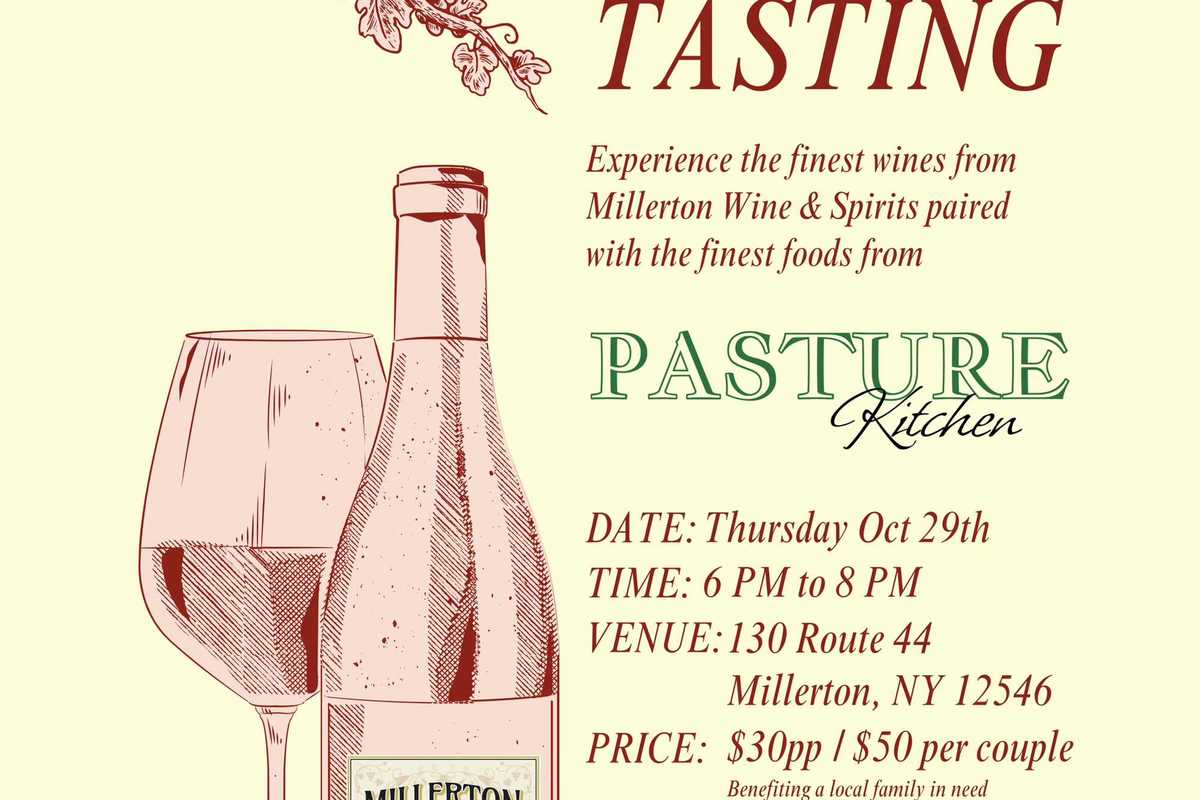
Millerton wine shop owner organizes charity wine tasting for local child

Millerton Wine & Spirits owner Chris Jeans has organized a charity wine tasting to benefit the family of Crew Slater, a Millerton native with congenital kidney disease. The wine tasting is set for Thursday, Oct. 29, from 6 to 8 p.m. at Pasture Kitchen on Route 44 just east of the Village of Millerton.

Illustration provided

MILLERTON — Two local business owners have joined forces to put on a charity wine tasting benefitting Millerton's Slater family.

Crew Slater, a 5-year-old Millerton native, needs a kidney transplant to survive congenital kidney disease. Millerton Wine & Spirits owner Chris Jeans and Pasture Kitchen founder Austin Cornell have organized a charity wine tasting at Pasture Kitchen on Route 44 next Thursday, Oct. 29, from 6 to 8 p.m.

Keep ReadingShow less
Cornwall Historical Society celebrates Connecticut’s Black patriots

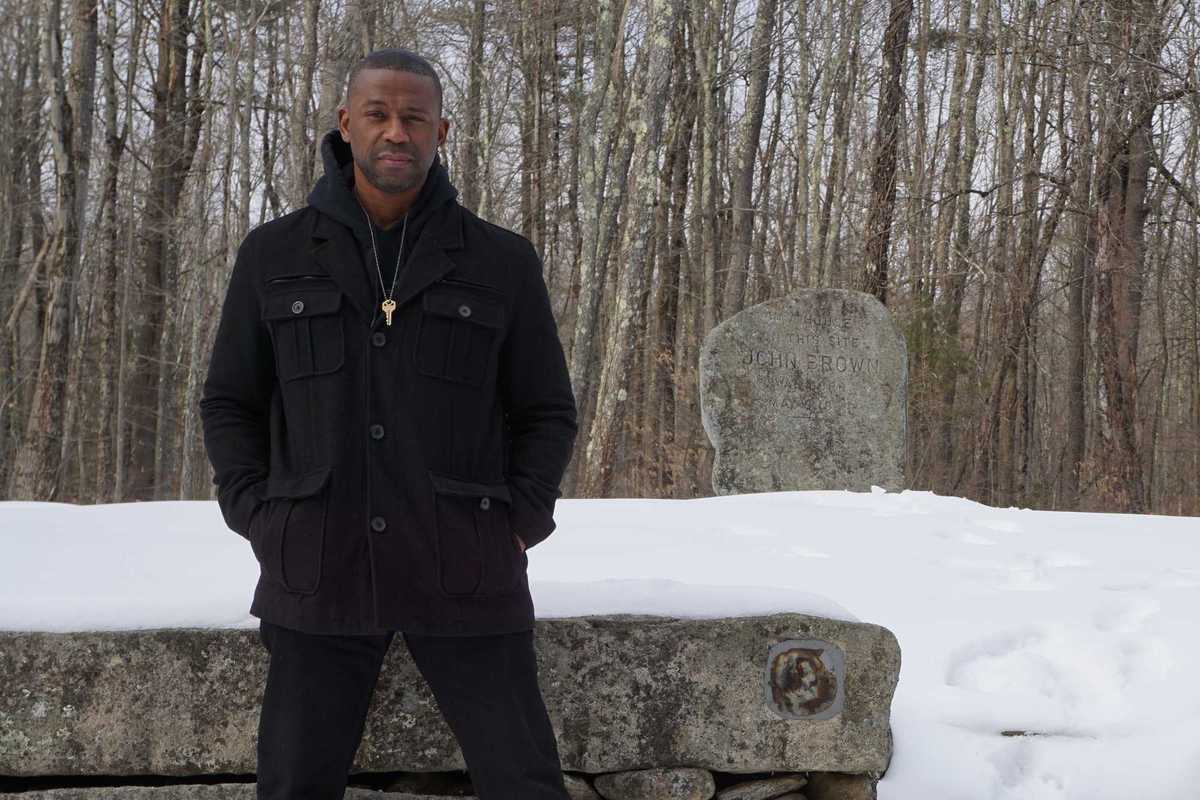
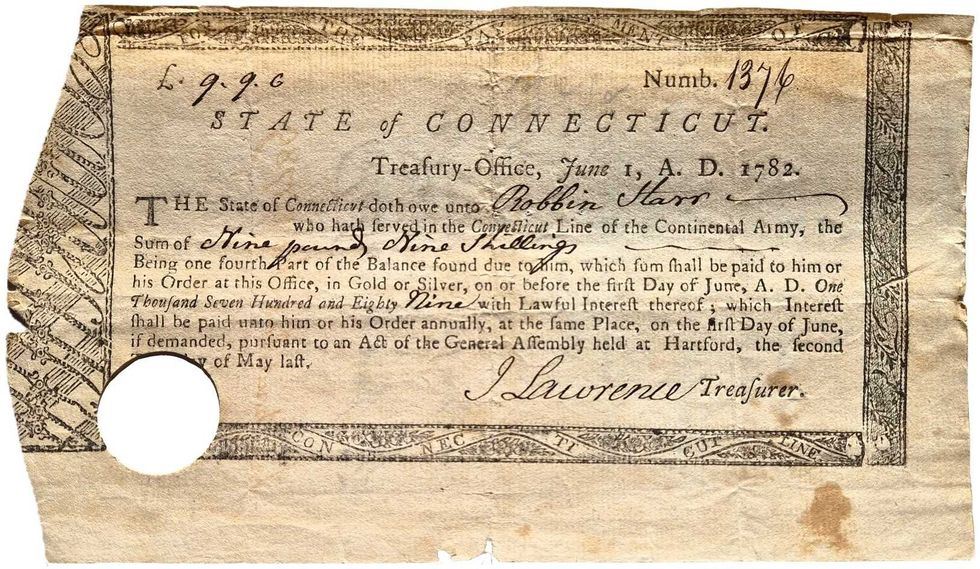
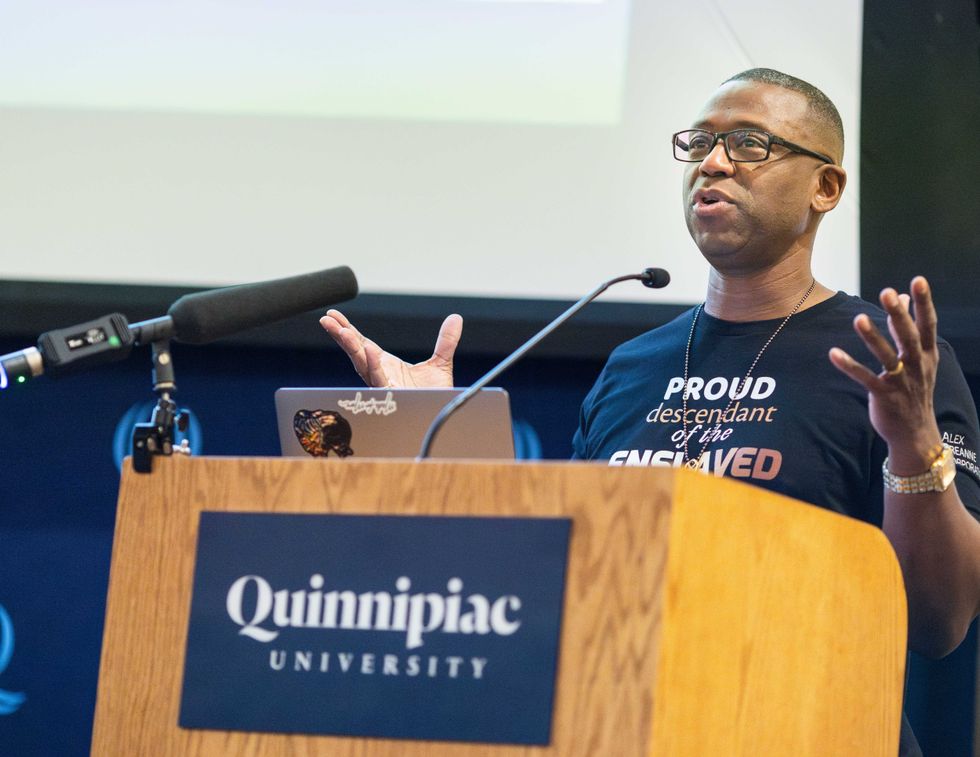
On Saturday, Oct. 24, at the Cornwall Historical Society, author and genealogist John Mills will breathe new life into the stories of some of Connecticut’s more underappreciated patriots. The reason these heroes were forgotten? They were Black.

At a time when white colonists were fighting for their own liberty and political independence, many Black men who fought alongside them remained enslaved. Some risked their lives only to return to bondage. Though enslaved people were promised freedom from both sides of the Revolutionary War in exchange for their service, Great Britain, too, was still deeply dependent on slavery. For Black people in America, the war presented both extraordinary risks and uncertain paths to the freedom that white colonists were demanding for themselves.

Keep ReadingShow less
google preferred source

Want more of our stories on Google? Click here to make us a Preferred Source.

A sanctuary for second chances

A sanctuary for second chances

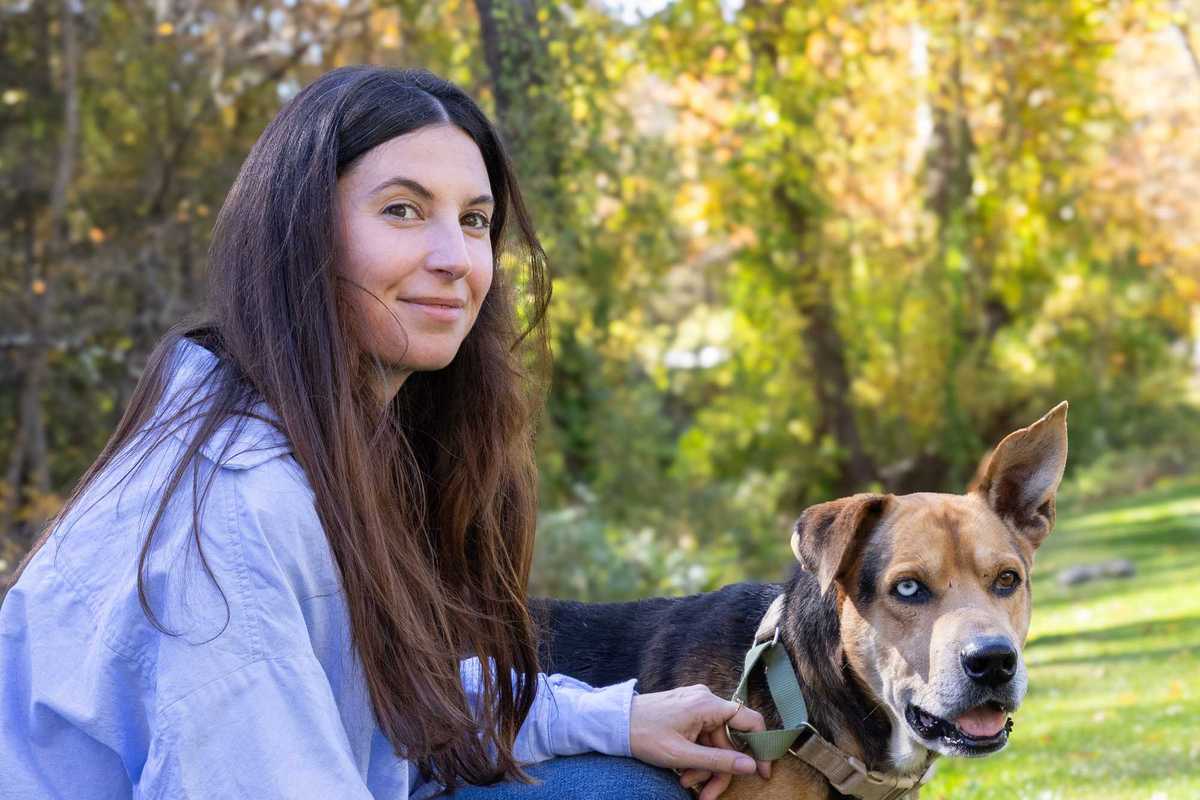
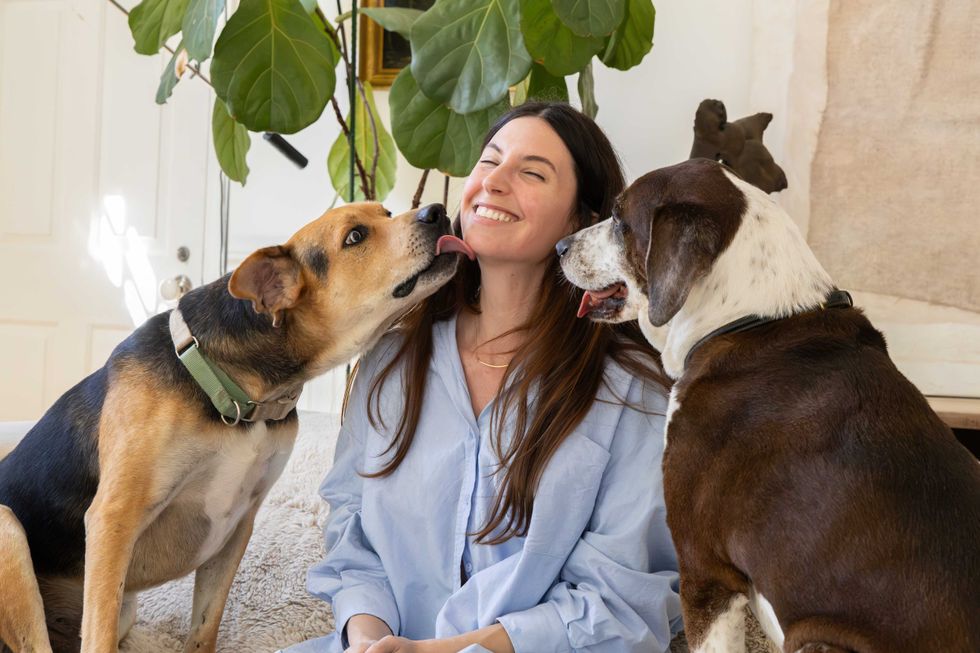
Stephanie Saetta runs Charlie Chicken Bones, a sanctuary in Salisbury.

Madi Long
You only get one or two of these soul connection dogs, so I do this in his honor.
— Stephanie Saetta

Stephanie Saetta has spent much of her life caring for others. A physician at White Plains Hospital, she has another calling at home in Salisbury — one that has four legs and a wagging tail. She runs Charlie Chicken Bone Sanctuary, a nonprofit dog rescue that brings dogs from overcrowded pounds and the streets of Texas to foster homes in northwestern Connecticut, where they can begin again.

The sanctuary is named for Charlie, the dog who taught her how special a bond between a person and rescue animal can be.

Keep ReadingShow less
Big ideas come to Lenox for inaugural field festival

Hunter Runnette, founder and board chair of field, has spent years fostering arts and cultural programming in the Berkshires.

Provided

What do joy, gardening, artificial intelligence, the American experiment and the creative process have in common? Quite a lot, as it turns out, at least when some of the world’s most compelling thinkers get together to talk about them.

From Friday, Oct. 23, through Sunday, Oct. 25, Lenox, Massachusetts, will host the inaugural field festival, a three-day gathering of writers, artists, scholars and cultural figures at Shakespeare & Company. Billed as a festival of ideas, entertainment, learning and discovery, field brings together an impressive roster of voices to explore everything from the deeply personal to the profoundly political.

Keep ReadingShow less
The Pink House AM is serving up community

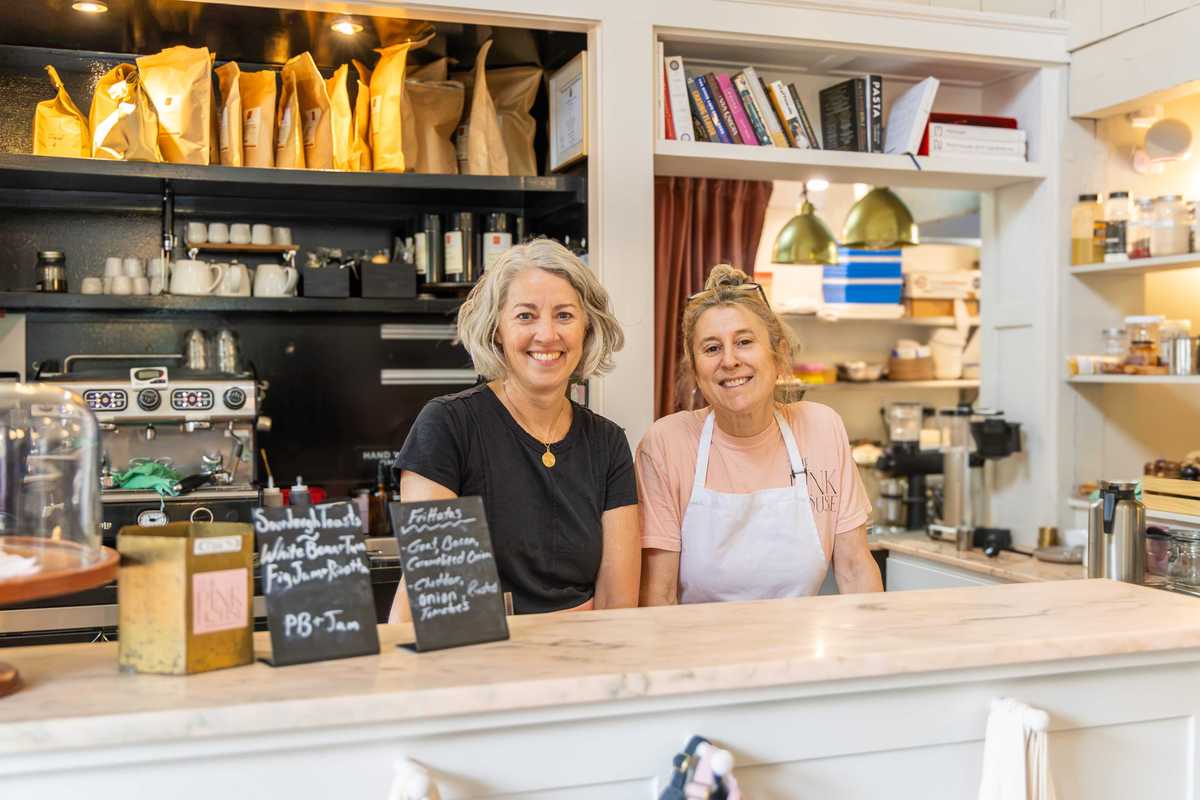
Mare Rubin and Maggie Levine of the Pink House AM.

Madi Long

It all started with a yoga class. Mare Rubin was working on her second act after leaving the Upper West Side, where she’d raised a family and worked in corporate marketing. Newly empty nesters, she and her husband decided to move to the wilds of northwestern Connecticut, where they had spent 15 years as weekenders, to see what life in the woods had in store for them.

Rubin started teaching yoga classes at the Union in West Cornwall, a space designated by the town of Cornwall as a community hub with couches, Wi-Fi, occasional events and a growing yoga class schedule. She was adjusting well but missed one important thing about city life: a casual coffee shop.

Keep ReadingShow less
google preferred source

Want more of our stories on Google? Click here to make us a Preferred Source.

google preferred source

Want more of our stories on Google? Click here to make us a Preferred Source.