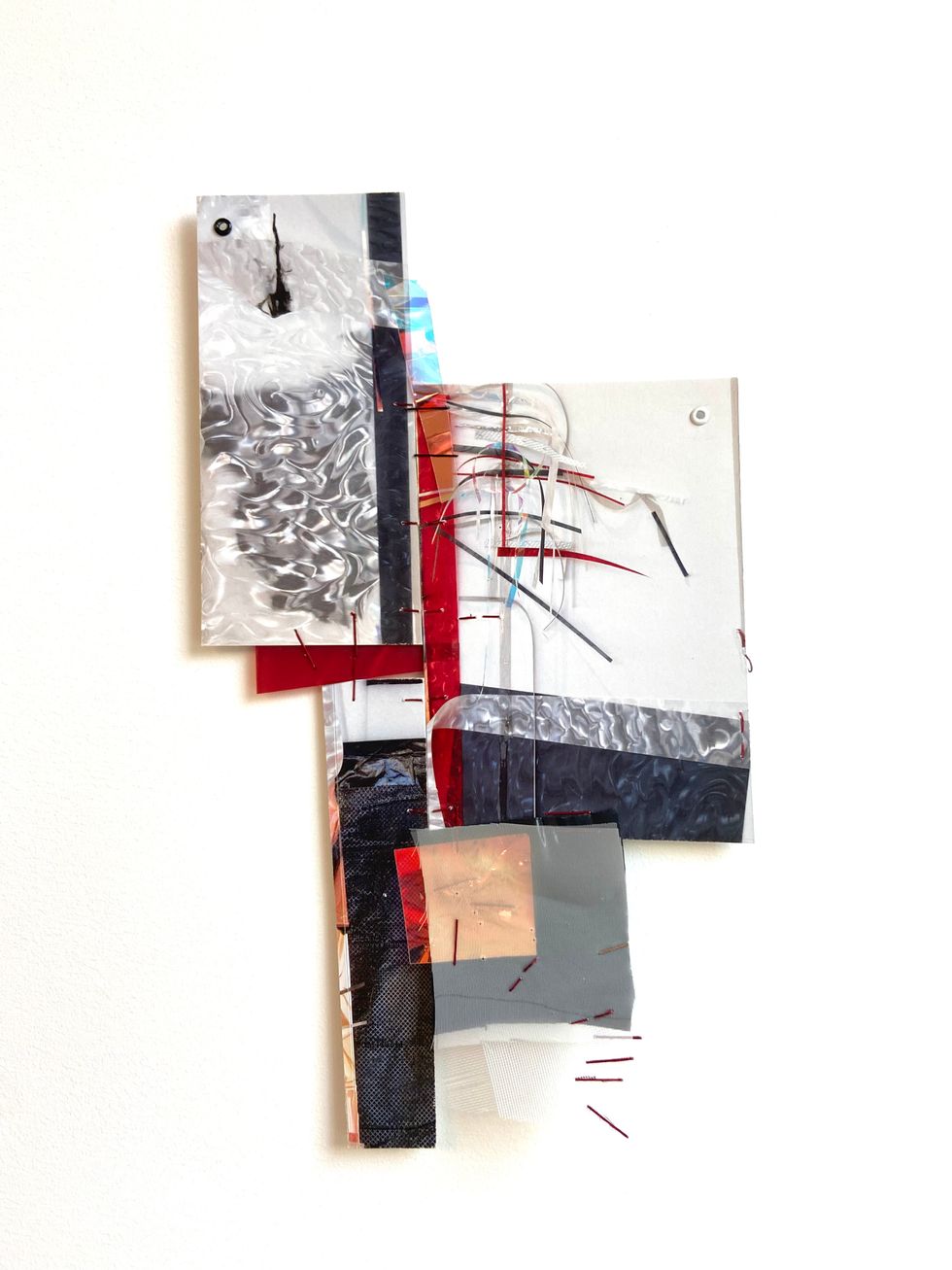
American post-war and contemporary artist Gelah Penn continues her abstract contemplation on Samuel Richardson's 18th-century epistolary novel with the second installment of "Notes on Clarissa" opening at Cornwall Library in Cornwall, Conn., on Saturday, Sept. 16. Each piece corresponds to a letter in the novel.
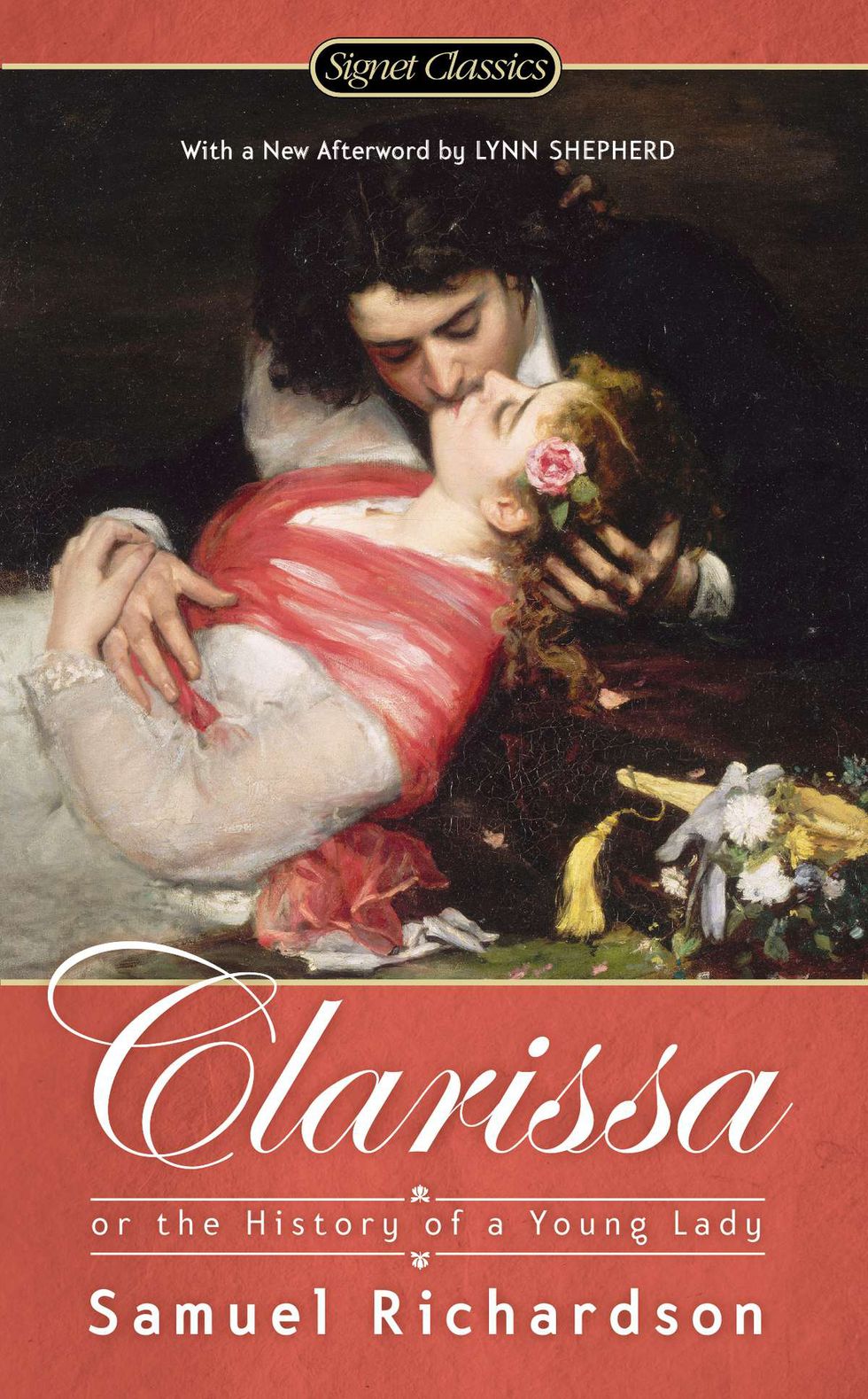
"Clarissa, or, The History of a Young Lady" was Richardson's follow-up to his smash-hit "Pamela, or Virtue Rewarded," a publication whose significance can't be understated. Considered to be the first modern English novel (and the first novel printed in America), the unfolding saga was read by clergymen and rural countrymen alike, transfixed by its suspense, its psychological love story, and its instruction on maintaining defined gender roles within marriage and English society at large.
While "Pamela" ends in what is considered to be a triumph in the marriage plot novel — the maid weds the master of the house — the 1,500 pages of letters that make up the story of Clarissa Harlowe are ripe with tragedy. Beautiful Clarissa, aged eighteen, becomes the object of pursuit by the charming yet emotionally corrupt Lovelace, a wealthy libertine whose seductive words entice her to elope. Although she swiftly recognizes her error, her family disowns her, and in Lovelace's grasp, exhausted by attempts to manipulate her into truly loving him, he rapes her. The profound emotional distress that ensues leads to her untimely demise.
Dark sexuality and a battles of wills in a treacherous game of morality ensnared audiences then, and the weighty tome is still considered to be Richardson's opus. It's bleakness is its appeal, as Clarissa realizes what a dangerous time it is to be a girl in the world.


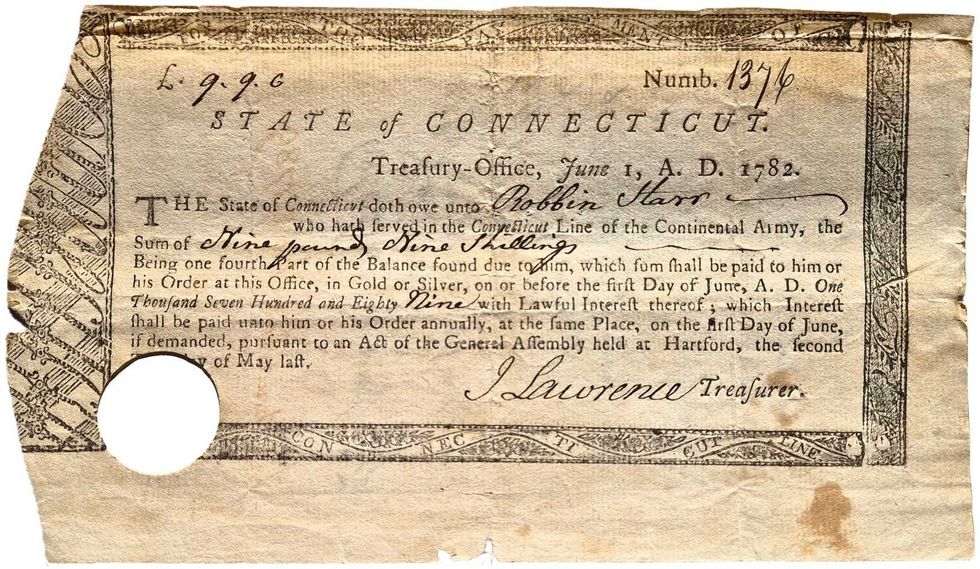 Pay Bill for Robin Starr’s service in the Continental Army.Courtesy the Alex Breanne Corporation
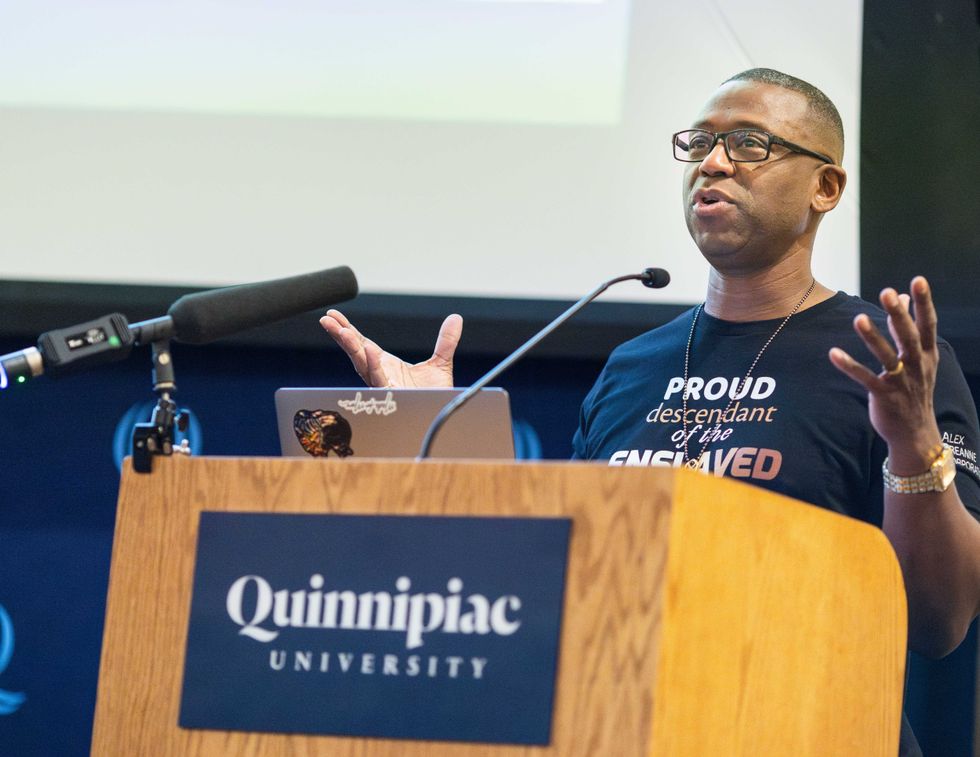 John Mills speaking at Quinnipiac University.Courtesy the Alex Breanne Corporation
 Stephanie Saetta,with her rescue dog George and Blue (left), a shepherd mix awaiting his forever home.Madi Long