Proud Songster
Thomas Hardy
The thrushes sing as the sun is going,
And the finches whistle in ones and pairs,
And as it gets dark loud nightingales
In bushes
Pipe, as they can when April wears,
As if all Time were theirs.
These are brand new birds of twelvemonths’ growing,
Which a year ago, or less than twain,
No finches were, nor nightingales,
Nor thrushes,
But only particles of grain,
And earth, and air, and rain.
As a young man, Thomas Hardy wrote poetry before putting poetry aside to write the novels for which he became famous. At the end of the 19th century, when he was well over 50, he put the novel aside to devote the rest of his long life to poetry.
For many years Hardy’s poetry was viewed with condescension, but that has changed. A product of the Victorian era, he is now recognized as having refashioned himself into a highly individual poet of modern unease.
“Proud Songsters” is characteristic of Hardy’s poetry in its combination of bluntness and subtlety. The poem is plainspoken and unpretty. The first stanza presents a list — thrushes, finches, nightingales — and the second reviews that list before offering a new list that reduces the birds to their component elements.
The poem is nothing if not matter of fact, starkly so. How much further away from the opulent music of Keats’s “Ode to a Nightingale” can you get than “nightingales/In bushes/ Pipe”?
And yet it’s by sticking to such bare particulars that Hardy quietly shocks us into renewed recognition of how extraordinary it is that year after year something as intricate and beautiful and ephemeral as birdsong should spring from nothing, or at least things that are nothing like it, before returning to nothing again.
It is a transformation that the poem, written when Hardy was in his 80s and published after his death, in its own way enacts on the page, and of course in poems birdsong is always also a figure for poetry.
Edwin Frank is the editorial director of New York Review Books, which publishes the NYRB Classics and the NYRB Poets series, and the author of a book of poems, “Snake Train.”





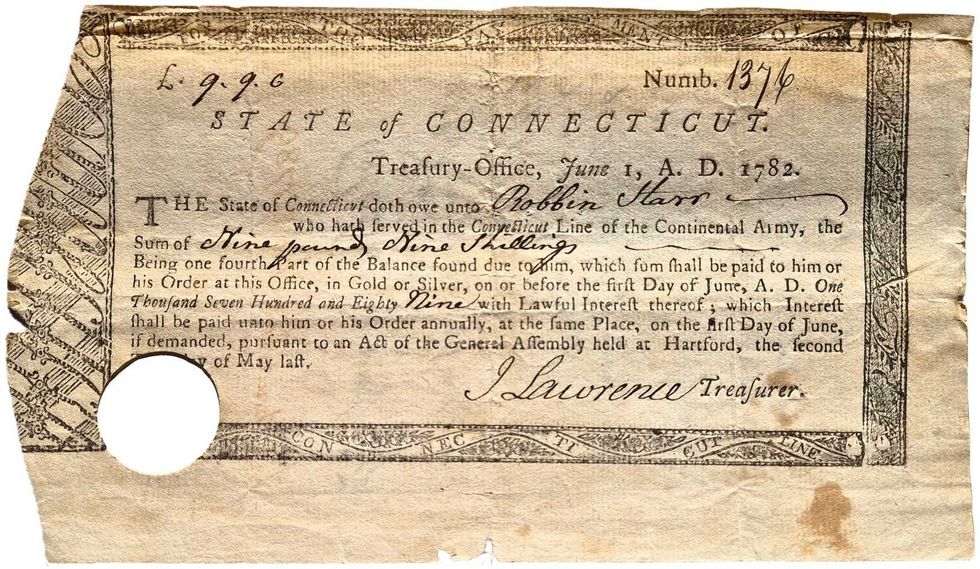 Pay Bill for Robin Starr’s service in the Continental Army.Courtesy the Alex Breanne Corporation
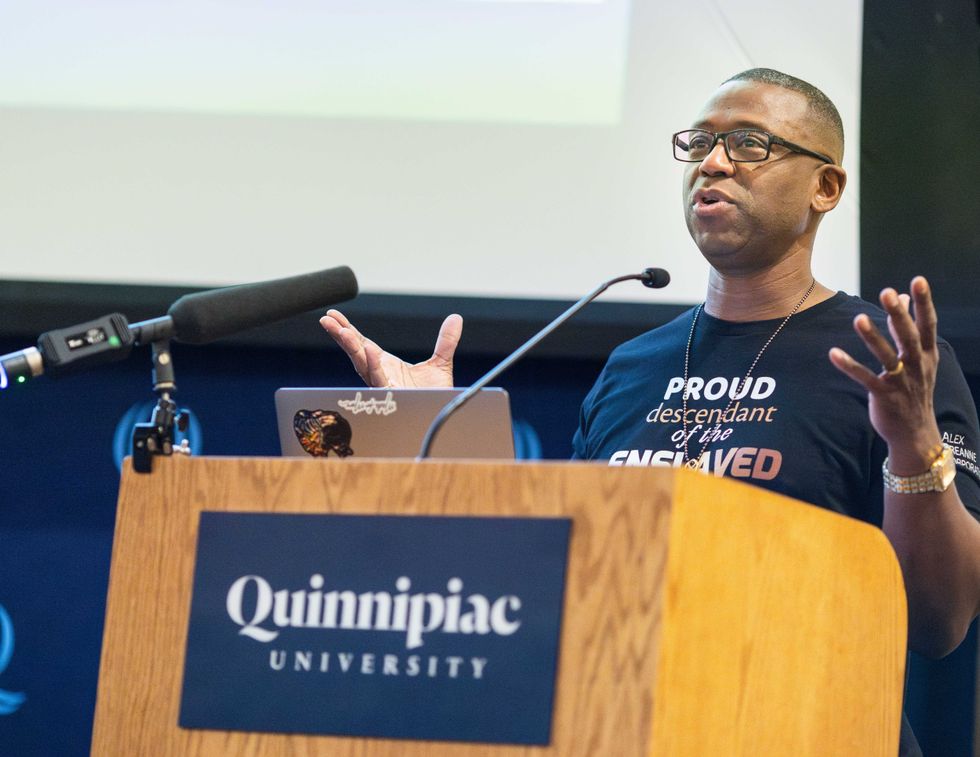 John Mills speaking at Quinnipiac University.Courtesy the Alex Breanne Corporation

 Stephanie Saetta,with her rescue dog George and Blue (left), a shepherd mix awaiting his forever home.Madi Long