From the Bronx to Pine Plains: How a war changed two lives

From the Bronx to Pine Plains: How a war changed two lives
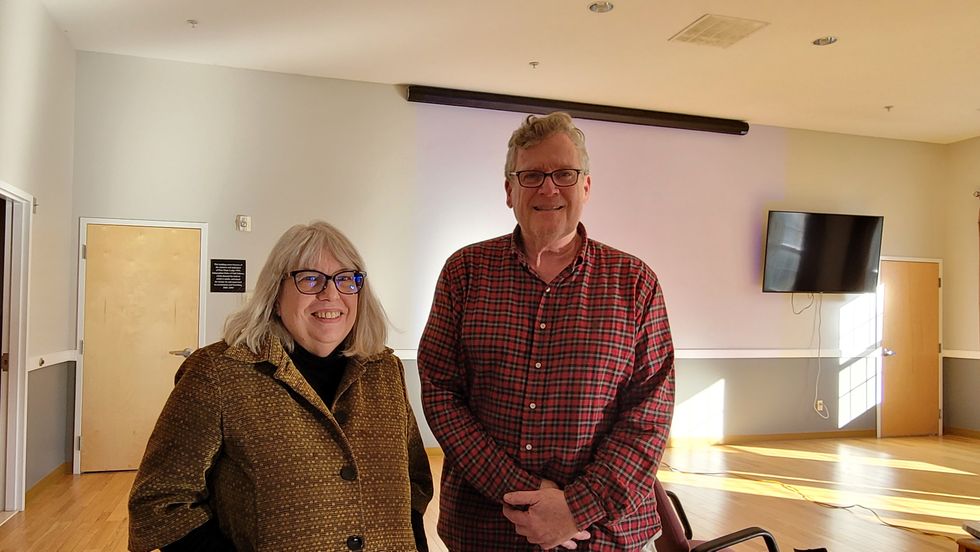
From left: Dyan Wapnik and Bill Jeffway at the final Pine Plains bicentennial event hosted by the Little Nine Partners Historical Society on Saturday, Nov. 18, at the Pine Plains Library. The program, “Reversal of Fortune,” was about Morris Graham and Andrew Frazier, who were born in Morrisania and moved to Pine Plains before the Revolutionary War. 
Photo by Judith O’Hara Balfe
PINE PLAINS — With Pine Plans being about a two-hour drive from the Bronx, one might wonder how there can be a connection between the two places. 

For the answer to that, the Little Nine Partners Historical Society (LNPHS) invited Bill Jeffway, executive director of the Dutchess County Historical Society, to give a talk on the subject on Saturday, Nov. 18, in the Pine Plains Free Library’s Community Room.

Introduced by LNPHS President Dyan Wapnik, Jeffway presented a treasure trove of slides containing pictures, documents and historical tidbits that gave the audience of more than 50 a look into how the Revolutionary War turned the fortunes of wealthy landowner Morris Graham and enslaved individual Andrew Frazier. The lecture was the final event in a year-long celebration of Pine Plains’ bicentenary.

The two men, instrumental in settling Pine Plains, were very different, but with the common denominator of both having been born in Morrisania, or as it is known today, the Bronx. Frazier was born enslaved, possibly of European-African ancestry, and his birth was noted in the Graham family Bible, as was often the case of slave births at that time. The Grahams were known to be large slave owners, and may also have been in the slave trade.

Frazier became a wagoner during the Revolutionary War, serving with Morris Graham, whose family “owned” him. Frazier was a wagon team leader, and some of his duties entailed transporting prisoners, and delivering captured arms to the furnaces in Amenia to be melted down for reuse. The story that evolves from the time of the onset of the war, through the very long life of Frazier, who died at around the age of 103, was the tale that was told at the event. It is not only the story of two men, it is the story of the beginning of Pine Plains, of one man obtaining his freedom, and the legacy he left behind. It is also the tale of how fate plays a part in the important aspects of history, and determines the continuity and fortunes of a family and a town.

Graham built a stone house, the first in Pine Plains, in 1772, which stands to this day, after his father, one of the original Nine Partners, died, leaving his holdings to his many children. His is not the famous Graham-Brush House we hear so much about — that house is associated with Graham’s brother Lewis — but another one situated just off Route 82. 

During the war, both men — Graham and Frazier — fought in the battles of Harlem and White Plains. Graham’s funding of the militia he raised may have cost him much of his wealth; he was declared “insolvent” and his house was sold off in 1798. He died in 1804 at the age of 58, single and childless in Deerfield.

Frazier, on the other hand, lived to a ripe old age, married, bought land, settled and farmed in Milan, where he raised a family of 11 children. He spoke often of the war, and recounted having met Gen. George Washington. 

His great-granddaughter Susan Elizabeth Frazier was active on the issues of women’s and African Americans’ rights. She was a substitute teacher in New York City Public Schools  when opportunities for African American women were extremely limited. Eventually, after going through the legal system and courts, she was appointed a teacher in the New York City schools. During World War I, she was president of the Women’s Auxiliary of the Old Fifteenth National Guard, an African American troop; she continued to work with it after it became the 369th Infantry. 

Jeffway lives in Milan and serves on the research committee of Celebrating the African Spirit in Poughkeepsie and the committee of the Vassar College Inclusive History Initiative.

Latest News

A new life for Barrington Hall

A new life for Barrington Hall

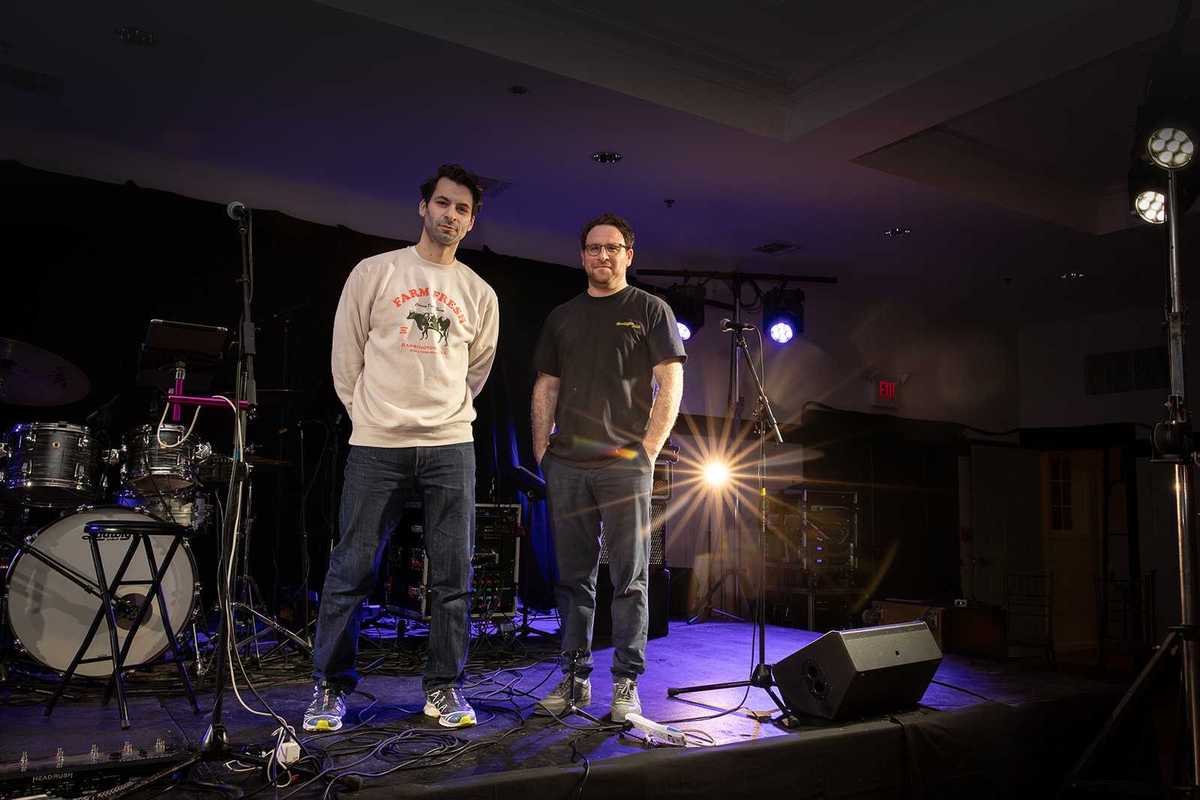
Dan Baker, left, and Daniel Latzman at Barrington Hall in Great Barrington.

Provided

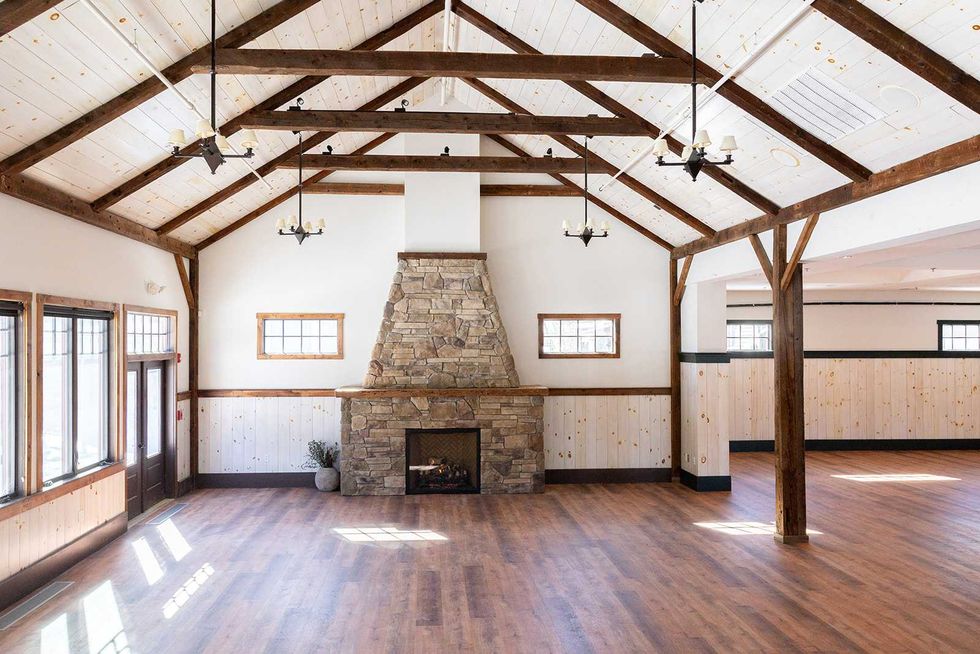
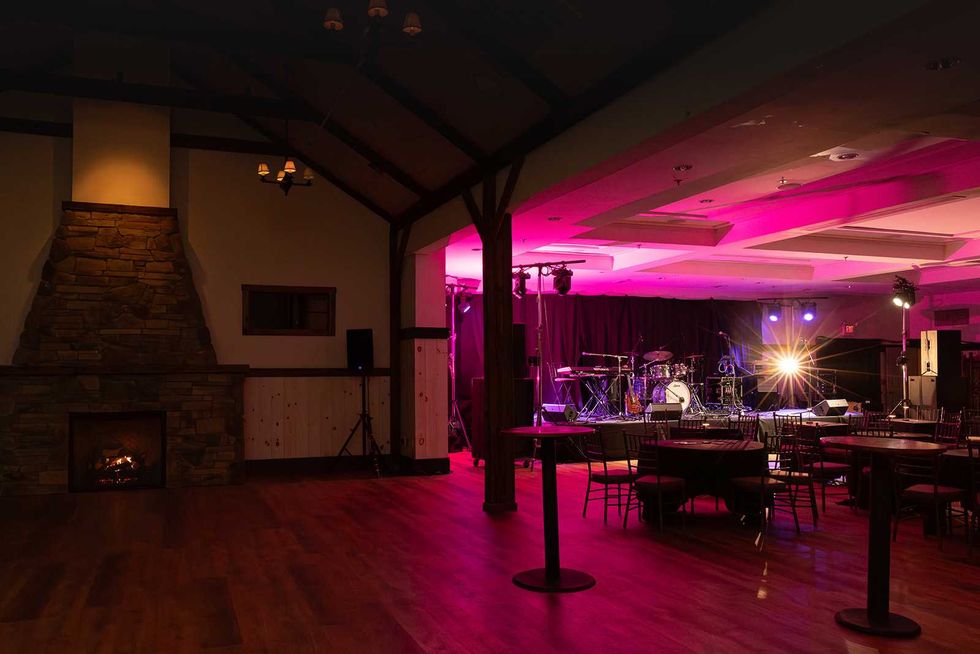
Barrington Hall in Great Barrington has hosted generations of weddings, proms and community gatherings. When Dan Baker and Daniel Latzman took over the venue last summer, they stepped into that history with a plan not just to preserve it, but to reshape how the space serves the community today.

Barrington Hall is designed for gathering, for shared experience, for the simple act of being together. At a time when connection is often filtered through screens and distraction, their vision is grounded in something simple and increasingly rare: real human connection.

Keep ReadingShow less
Paley’s Farm Market opens season, signaling start of spring

Paley’s Farm Market, located near the New York–Connecticut border on Amenia Road in Sharon, Conn.

Photo by Aly Morrissey

SHARON, Conn. — For many local residents, spring doesn’t truly begin until Paley’s Farm Market opens its doors, and customers turned out in force for its 44th season opening on Saturday, March 28.

Located on Amenia Road in Sharon, Paley’s is a seasonal destination for residents of New York and Connecticut and, over the past four decades, has evolved from a locally grown produce center into a full-scale garden center, farm market and fine food market.

Keep ReadingShow less

Gail Rothschild’s threads of time

Gail Rothschild’s threads of time

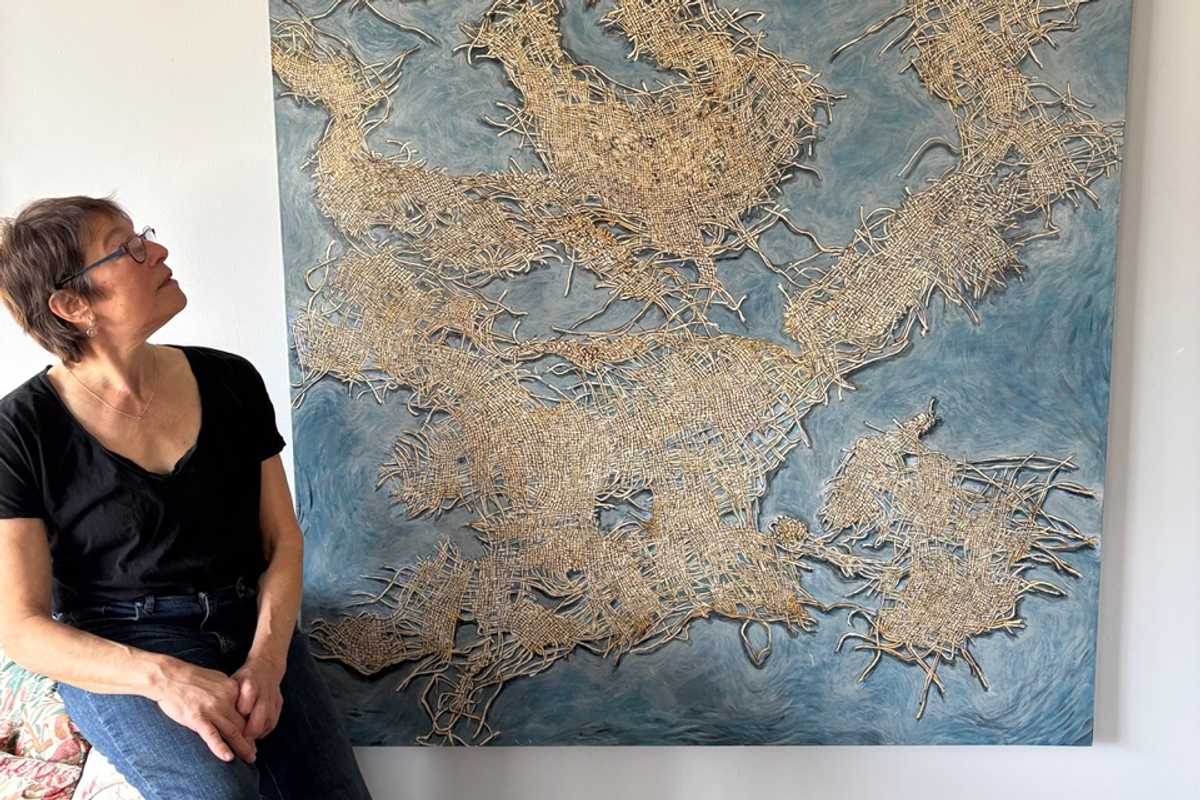
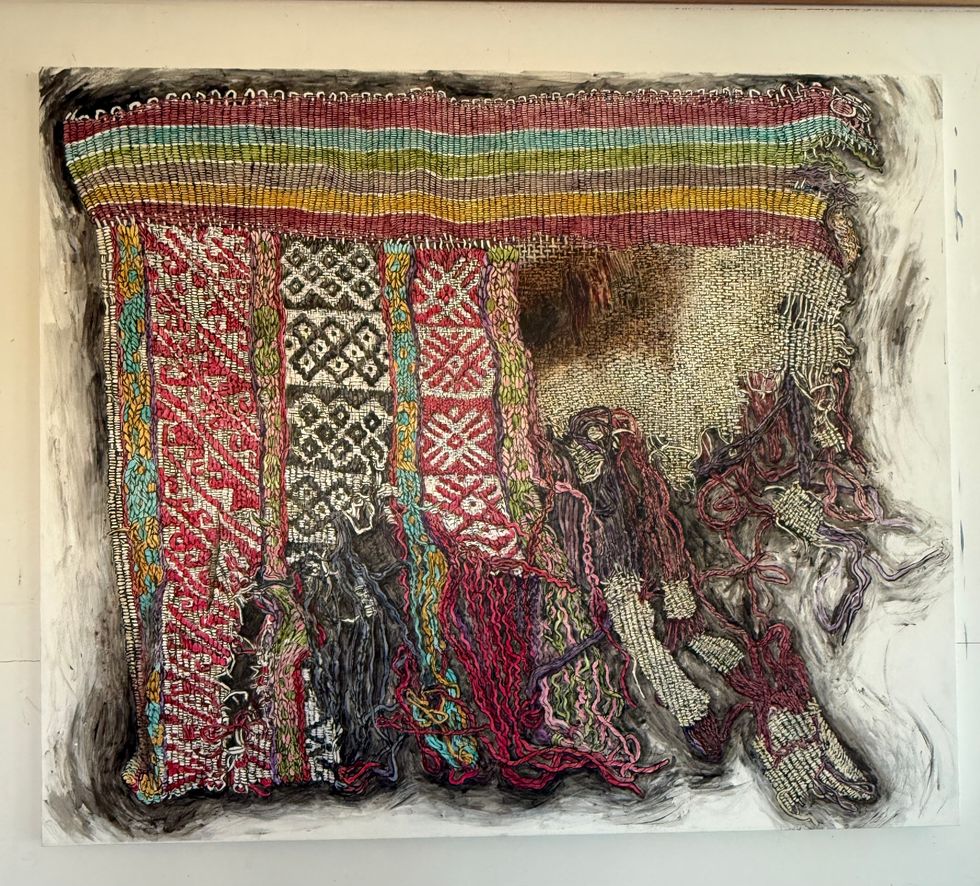
Gail Rothschild with her painting “Dead Sea Linen III (73 x 58 inches, 2024, acrylic on canvas.

Natalia Zukerman

There is a moment, looking at a painting by Gail Rothschild, when you realize you are not looking at a painting so much as a map of time. Threads become brushstrokes; fragments become fields of color; something once held in the hand becomes something you stand in front of, both still and in a constant process of changing.

“Textiles connect people,” Rothschild said. “Textiles are something that we’re all intimately involved with, but we take it for granted.”

Keep ReadingShow less
google preferred source

Want more of our stories on Google? Click here to make us a Preferred Source.

Four Brothers Drive-In kicks off season with lower prices, expanded offerings

The Four Brothers Drive-In on Route 44 in Amenia.

Photo by Aly Morrissey

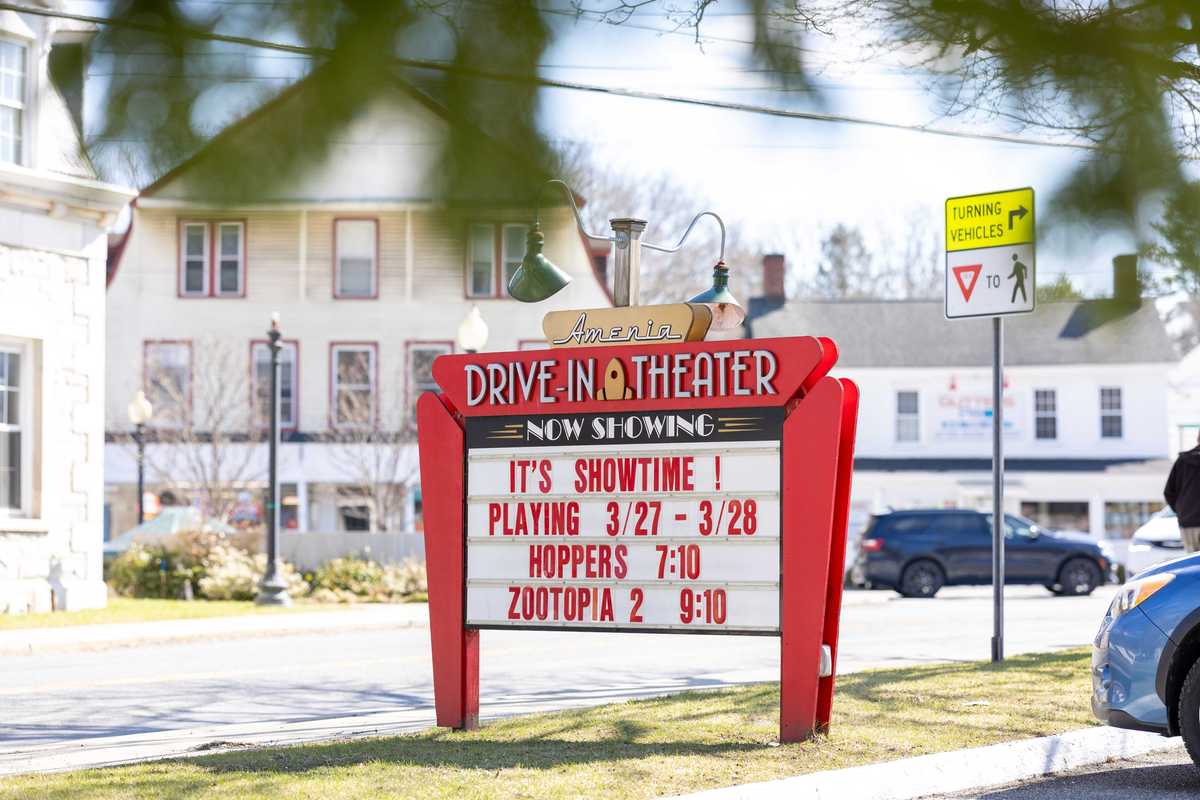
AMENIA — The Four Brothers Drive-In quietly opened its 2026 season with a “soft launch,” offering a family-friendly double feature on Friday, March 27 and Saturday, March 28, while signaling a broader push to keep the experience affordable amid economic uncertainty.

Though the towering movie screen was back in action last weekend, casting a glow over downtown Amenia, the full property — including The Shack, mini golf, and the Hotel Caravana airstreams— will officially open April 17.

Keep ReadingShow less

Sherman Players celebrate a century of community theater

Sherman Players celebrate a century of community theater

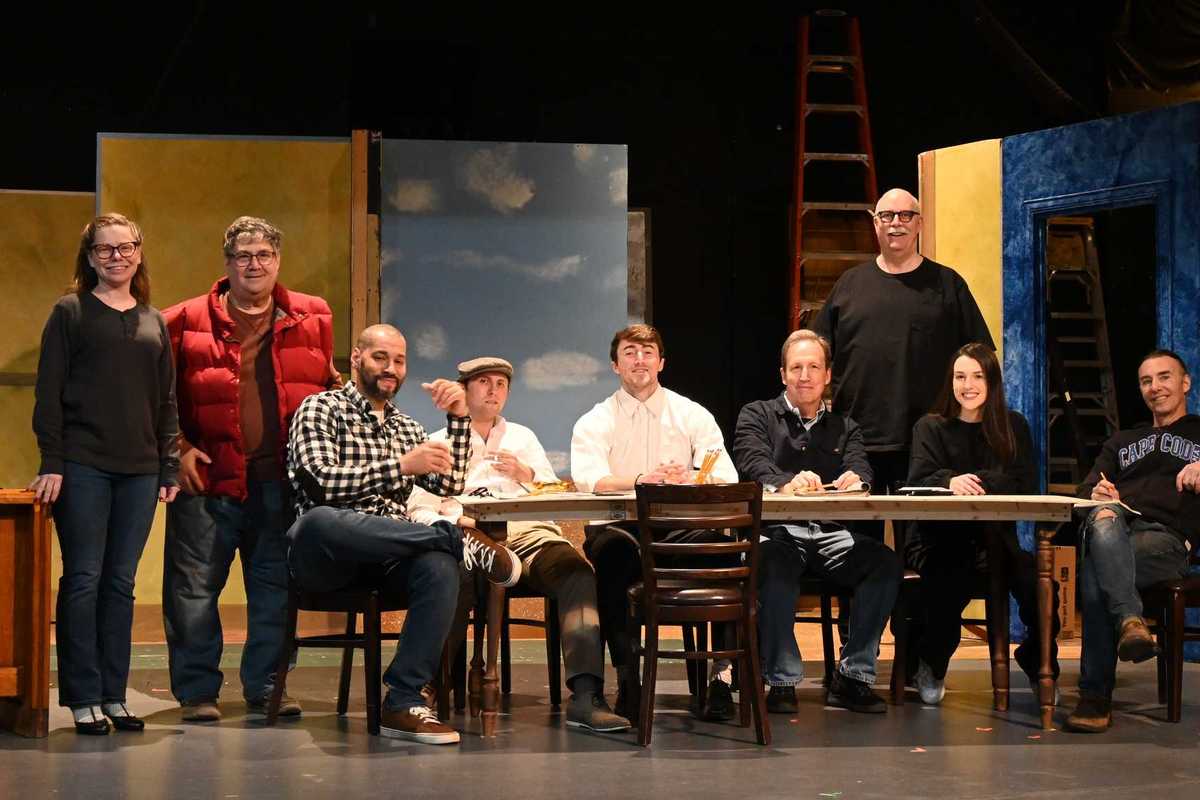
Cast of “Laughter on the 23rd Floor” from left to right. Tara Vega, Steve Zerilli, Bob Cady (Standing) Seated at the table: Andrew Blanchard, Jon Barker, Colin McLoone, Chris Bird, Rebecca Annalise, Adam Battlestein

Provided

For a century, the Sherman Players have turned a former 19th-century church into a stage where neighbors become castmates, volunteers power productions and community is the main attraction. The company marks its 100th season with a lineup that blends classic works, new writing and homegrown talent.

New England has a long history of community theater and its role in strengthening civic life. The Sherman Players remain a vital example, mounting intimate, noncommercial productions that draw on local participation and speak to the current cultural moment.

Keep ReadingShow less

Reimagining opera for a new generation

Reimagining opera for a new generation

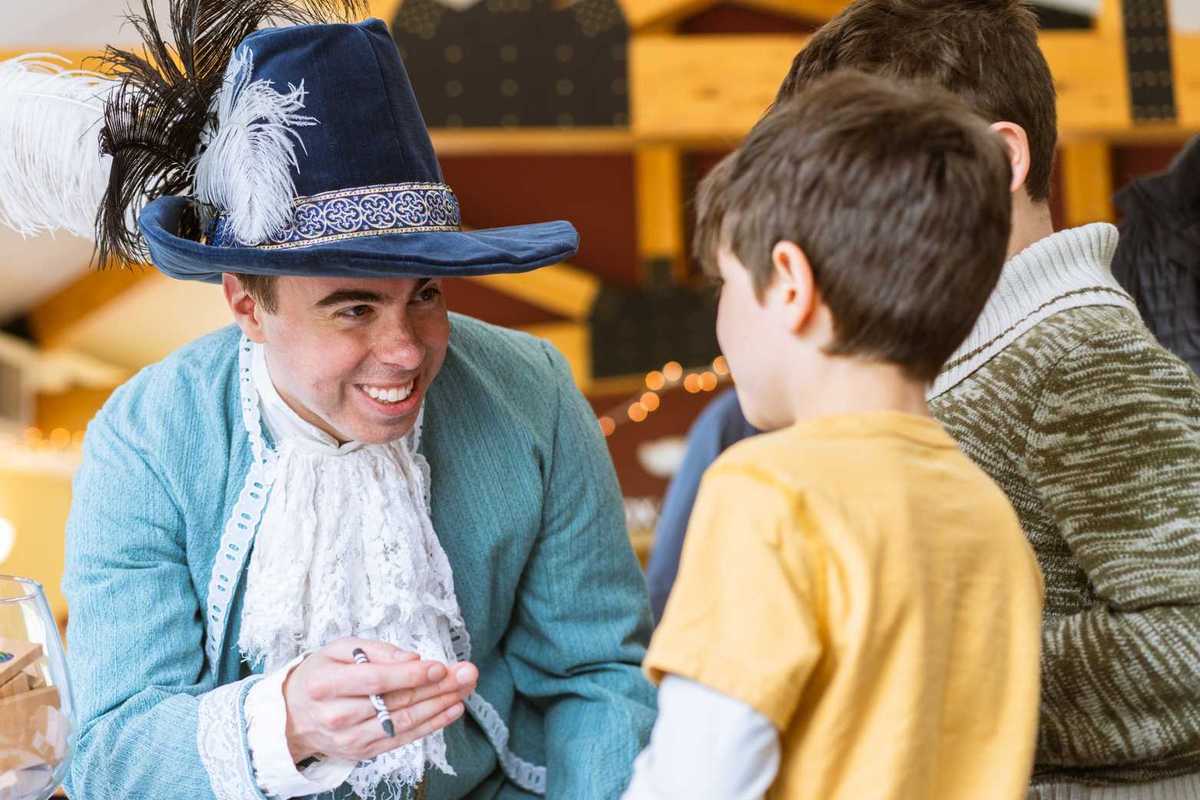
Stage director Geoffrey Larson signs autographs for some of the kids after a family performance.

Provided

For those curious about opera but unsure where to begin, the Mahaiwe Theater in Great Barrington will offer an accessible entry point with “Once Upon an Opera,” a free, family-friendly program on Sunday, April 12, at 2 p.m. The event is designed for opera newcomers and aficionados alike and will include selections from some of opera’s most beloved works.

Luca Antonucci, artistic coordinator, assistant conductor and chorus master for the Berkshire Opera Festival, said the idea first materialized three years ago.

Keep ReadingShow less
google preferred source

Want more of our stories on Google? Click here to make us a Preferred Source.

google preferred source

Want more of our stories on Google? Click here to make us a Preferred Source.