At a time when questions of representation, cultural legacy and historical narratives are at the forefront of public conversation, the Norfolk Library’s upcoming screening of the award-winning documentary “Coming to Light” offers a timely opportunity for reflection.
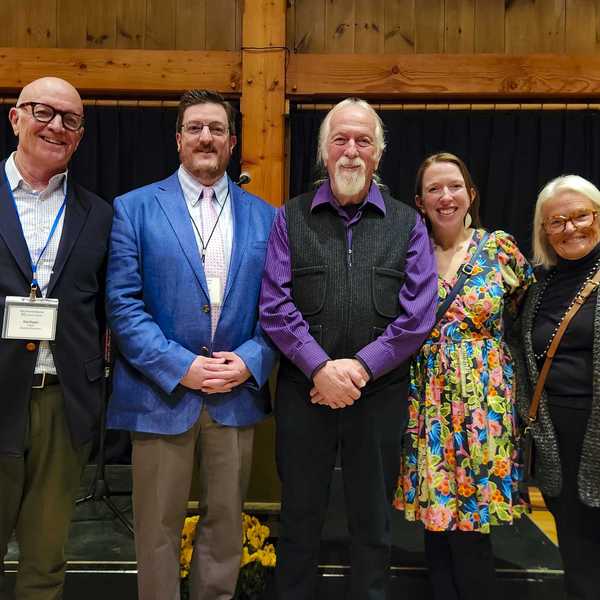
The event will be held on Thursday, Nov. 6, at 5:30 p.m., and will include a post-screening discussion with the film’s director, Lakeville resident Anne Makepeace.
“Coming to Light” offers a deeply researched, visually rich portrait of photographer Edward S. Curtis, whose early 20th century mission to record Native American life resulted in tens of thousands of images, sound recordings and texts.
But the film goes beyond biography, critically examining Curtis’ romanticized vision of Native American life and engaging with the descendants and communities whose lives and traditions the photo archives continue to affect.
Between 1896 and 1930, Curtis photographed over 80 tribes from Arizona to Alaska in an effort to capture Native American cultures he feared were disappearing..
“Curtis saw cultural genocide going on, and he feared these cultures would disappear,” Makepeace said. “He wanted to show these people are still here and these traditions are still happening.”
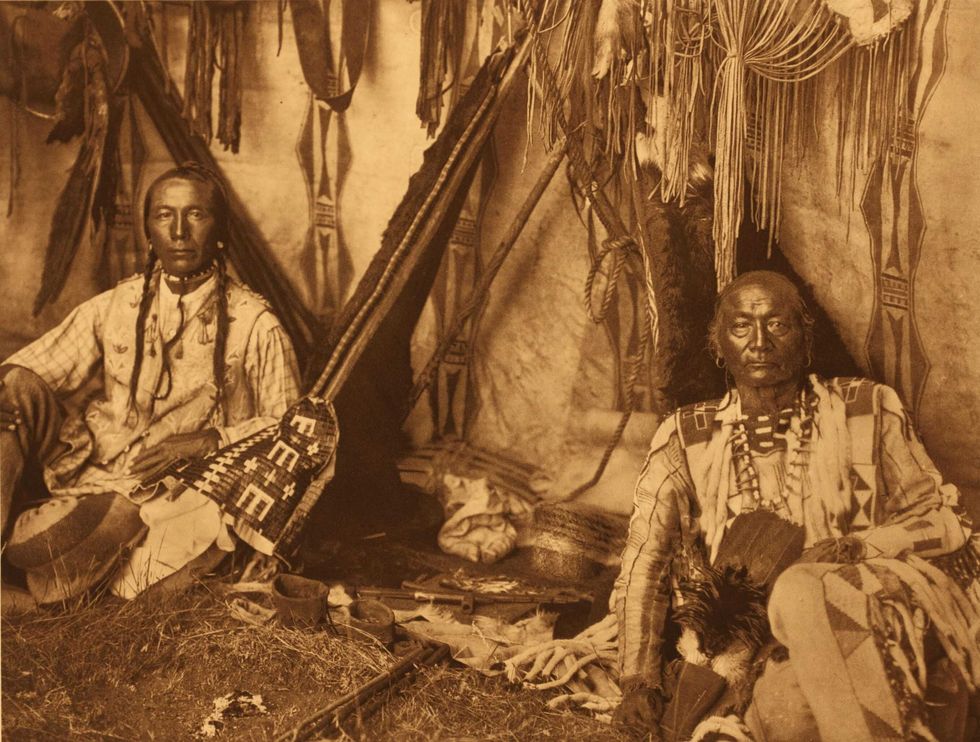 Little Plume with his son Yellow Kidney (1911)Edward S. Curtis
In the late 1990s, when Makepeace was developing her film on Curtis — about a century after he had started his photographic work — she wanted to see how present-day Native Americans felt about his photographs. She found that while academics had long derided Curtis’ work as extractive, colonialist, and often staged, most Native Americans she spoke with were overwhelmingly appreciative of his work. In fact, some of Curtis’ photographs ultimately helped certain tribes revive specific ceremonies.
“Coming to Light” premiered at the Sundance Film Festival, was shortlisted for an Academy Award in 2000, and was later aired on PBS’ “American Masters” in 2001. As the documentary nears its 25th anniversary, Makepeace reflected on the significance of the film and its lasting impact.
“The film shows the beauty and resilience of these cultures and the diversity of each of the varied tribes that were documented,” she said.
At a time when cultural preservation, national identity and documentary ethics are more important than ever, Makepeace said she believes the film’s message remains especially relevant in 2025.
For further details on the screening and to reserve a seat, visit: norfolklibrary.org/events/documentary-film-coming-to-light/
To see more of Makepeace’s work, visit: makepeaceproductions.com/index.html
This article has been edited to correct the date range of Edward S. Curtis’s photographic work.



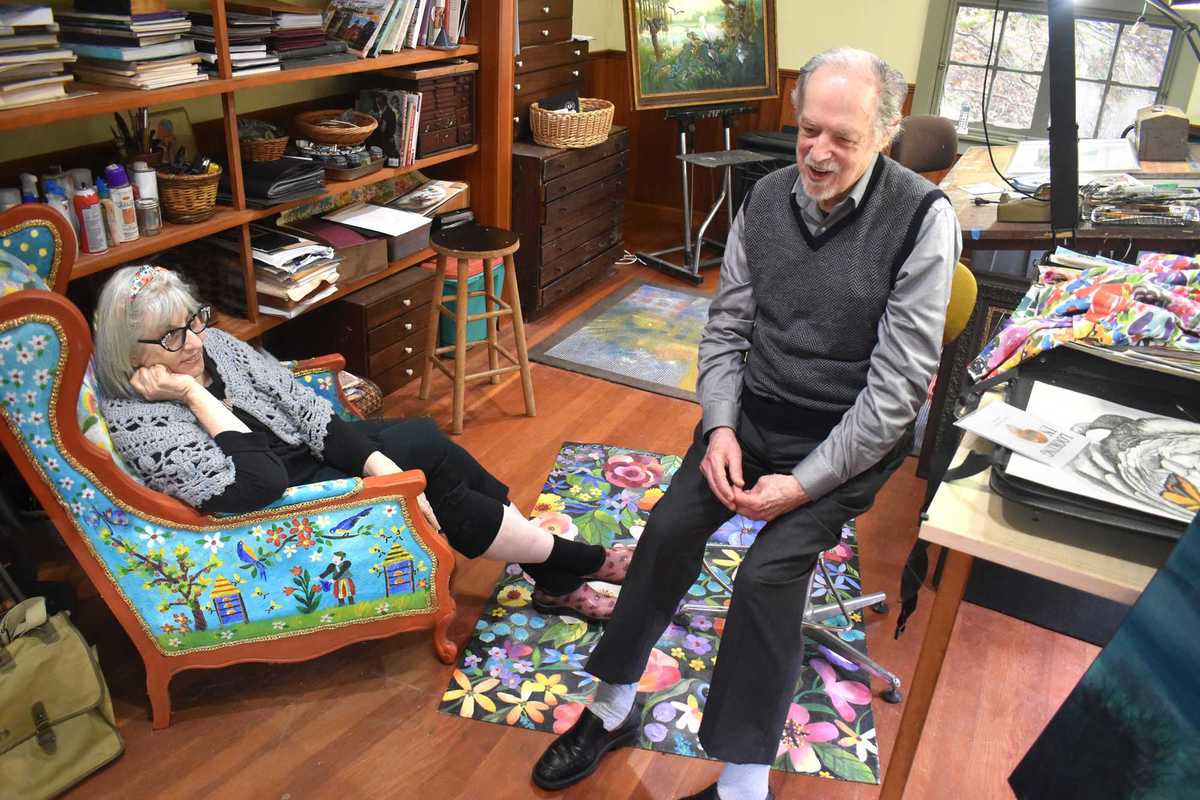
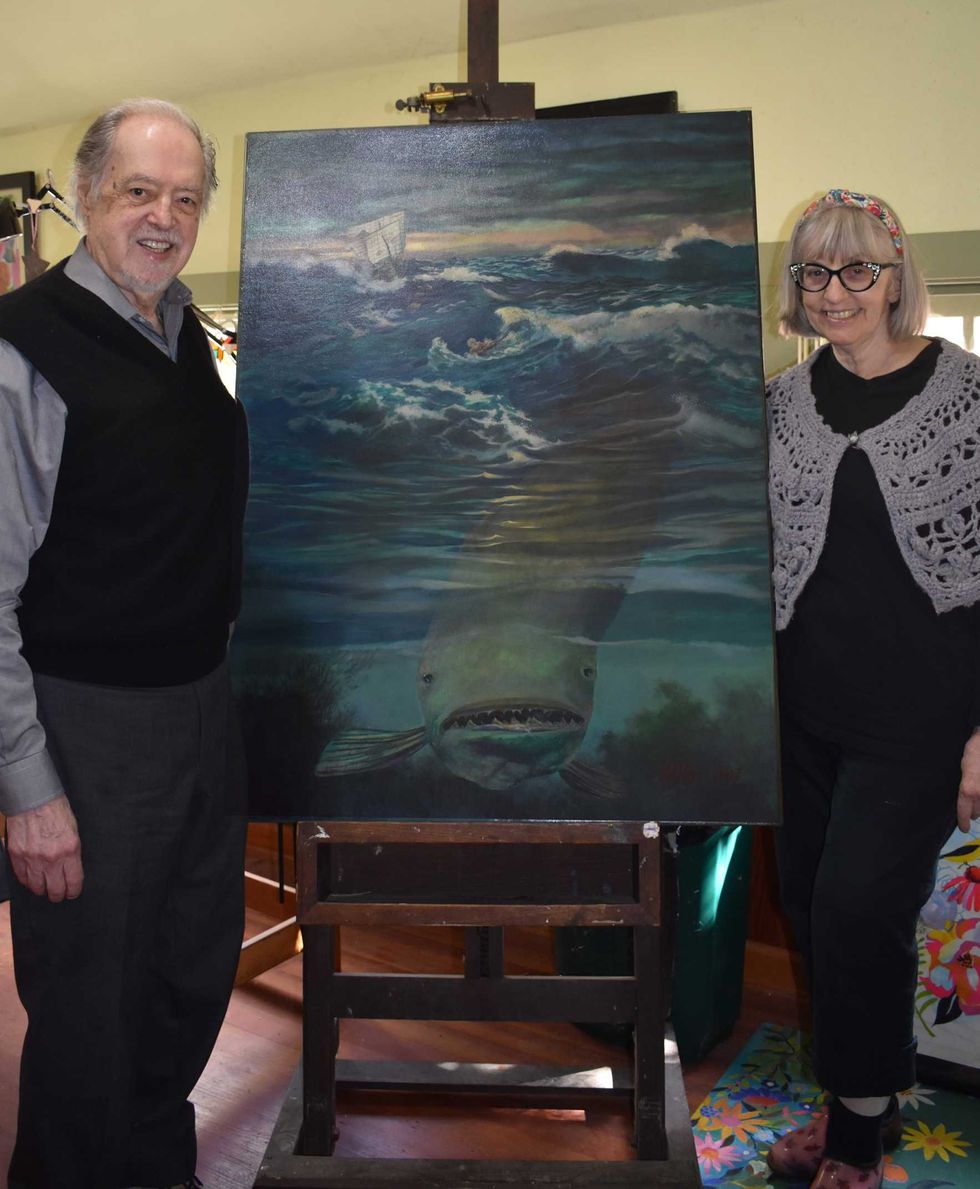 Justine and Victor Valla in their studio with a painting of Victor’s,”Jonah and the Whale.” Robin Roraback
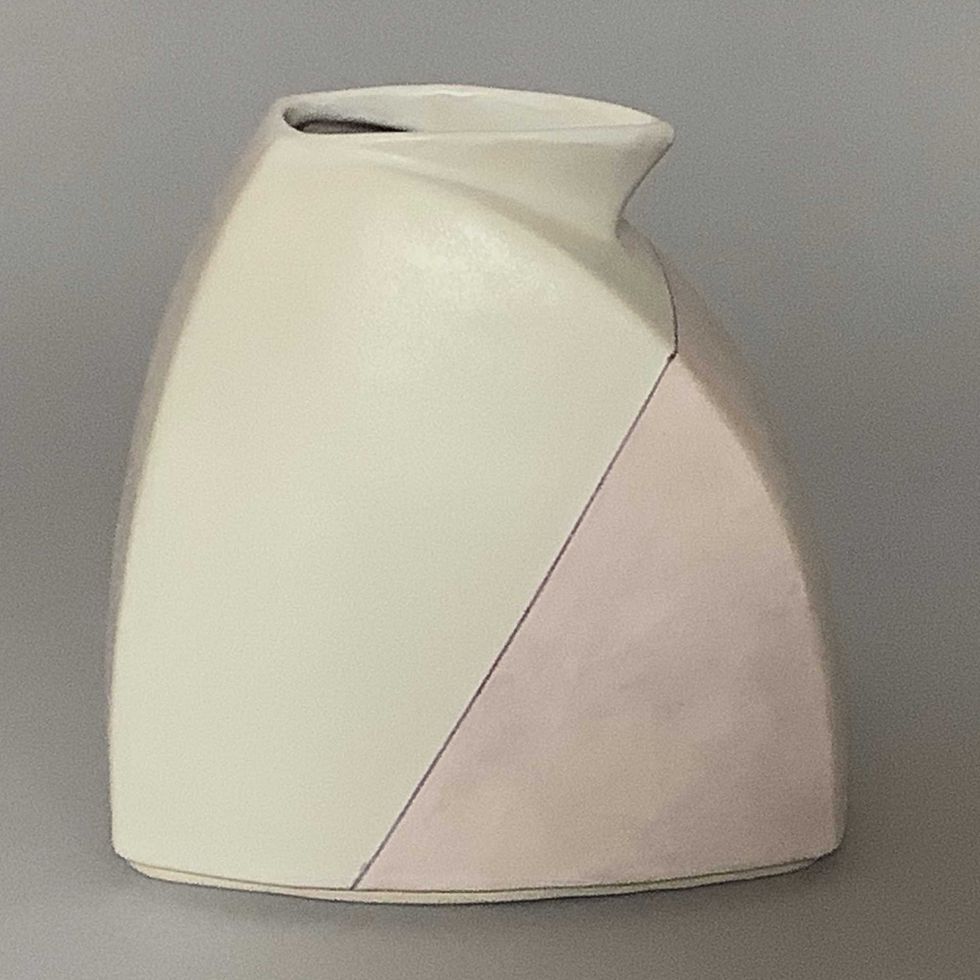 A ceramic vase by Kathleen Heidemann.Provided
 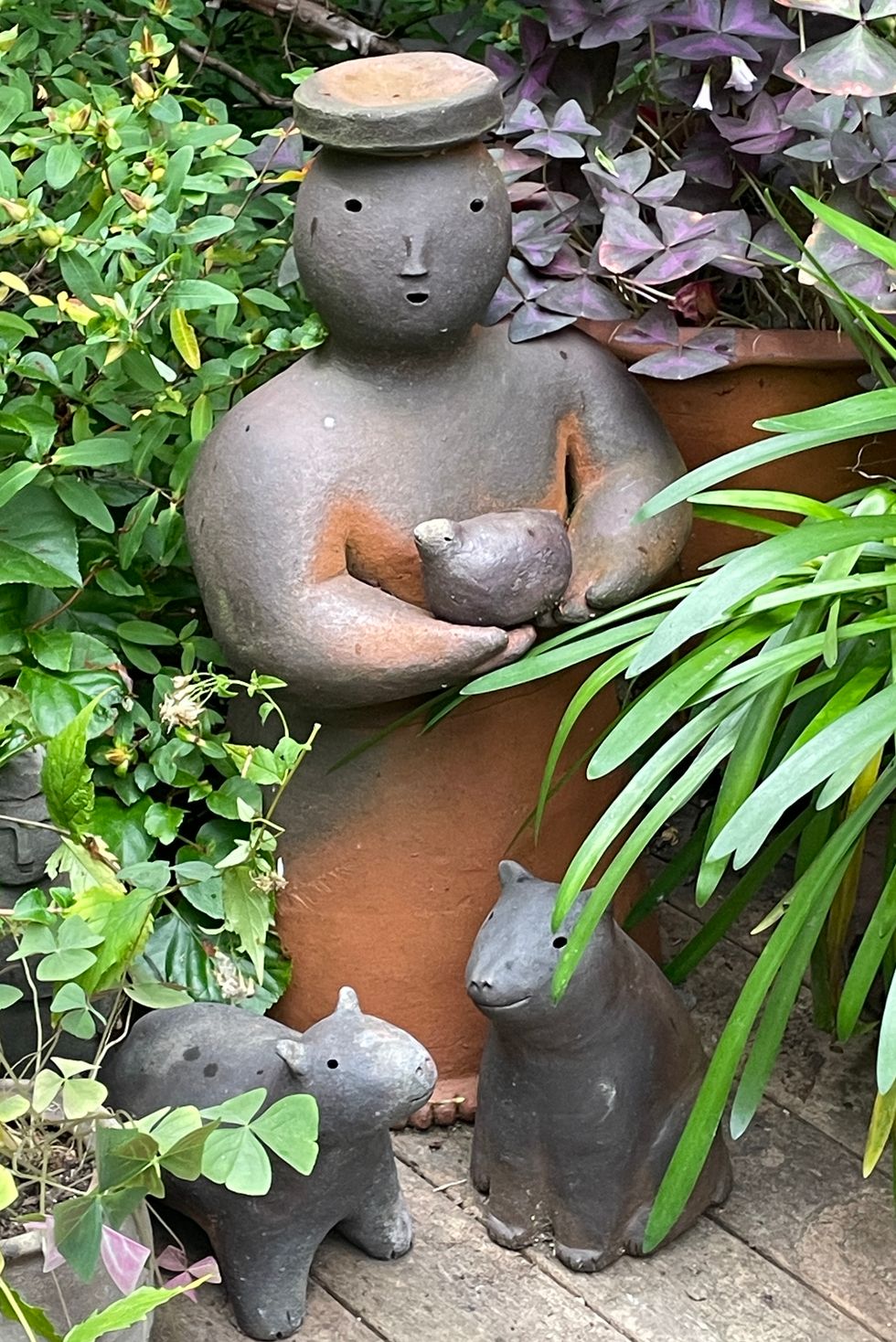 Joy Brown’s delightful ceramic sculptures.Provided