MILLBROOK — Local nonprofit research center the Cary Institute announced this month a $2.7 million grant that will expand its wildfire research program into the grasslands of the American West.
Tucked into the woods above Millbrook, the Cary Institute of Ecosystem Studies has spent more than four decades building a reputation as a powerhouse of environmental research. The funding will grow the Western Fire & Forest Resilience Collaborative, a research initiative headquartered at Cary Institute and led by ecologist Dr. Winslow Hansen. Since its launch, the research group has worked to translate fire science into practical tools for land managers across the western United States. Until now, the mission has largely centered almost entirely on forests.
But the two-year grant, which builds on a 2024 investment from Lyda Hill Philanthropies, will allow the Millbrook-based team to expand its models to include grassland and shrubland. “There are lots of other ecosystems out there,” said Dr. Hansen, “and often they burn in ways that are more impactful to people than forest fires…the fires that have the greatest potential for destruction are often grassland. It’s in closer proximity to where people live.”
For Hansen, the subject hits close to home. When he was 13 and growing up in Boseman, Montana, a forest fire forced his family to evacuate. But a year or two later, hiking through the burn area, he also saw the revitalizing aspects of the fire — tree seedling and mushrooms were growing in the empty spaces.
According to the Cary Institute, recent WFFRC research found that the fastest-moving wildfires in the country are disproportionately grassland and shrubland fires: of the 20 fastest fires recorded nationally between 2001 and 2020, 90 percent burned in grasslands or shrublands, and a fifth of those occurred in Texas alone. “There’s a lot more private land ownership in Texas,” Hansen said, “and it needs a different kind of science to help support the management of those lands.”
Unlike forest fires, which are largely driven by drought and a century of fire suppression, blazes in grassland and shrubland ecosystems are shaped more by human ignition sources, sprawling development, and the spread of invasive grasses, according to the institute.
The new funding will support three priorities: building relationships with Texas land managers like state agencies and private ranchers, extending Cary’s forest fire-vegetation modeling to grass- and shrub-dominated ecosystems, and using satellite data to track fire behavior in real time. “We’re embedding full-time staff in key regions,” said Hanson. “We just hired a Texas liaison, and we have one in Colorado, the Pacific Northwest. Their job is to find the most action-oriented land managers that want to work with us, and figure out what their biggest needs are…Being nimble and providing accessible science is really essential.”
One of the program’s most helpful features, according to Hansen, is providing those land managers with the scientific support to make decisions about their land. From all the way in Millbrook, Hansen and his team can summarize and analyze data sets to give a wider view of the problems facing land managers nationally. “We’re really the glue that helps bring the pieces together,” Hansen said. “We have 12 different research labs across the country, and then I make sure the cats are herded and the pieces fall into place. If something’s working in the Colorado grasslands, we can pass that along to the grasslands in Texas.”
These “local proof points,” as Hansen calls them, helps WFFRC scale to other agencies and geographies. Hansen says working at the Cary Institute has provided a unique ability in his ability to make a wide impact. “Here, we have the privilege of thinking deeply,” he said. “Everybody is focused on research, whereas professors at a university have big teaching loads. We’re really encouraged to think deeply about ecology, and also not be constrained by ecology.”
Looking forward, Hansen says the group is expanding its scope east. In late 2025, the newly-formed Eastern Fire Network secured a $1.74 million, three-year grant to prepare the Northeast for the growing threat of wildfires. “The whole goal is, can we apply the lessons we’re learning in the West now to the East? How can we be proactive, and not reactive?”
In the meantime, Hansen says there’s plenty people can do around their own homes to mitigate fire risk. Clearing brush and gutters, and stacking wood away from the home are good places to start.





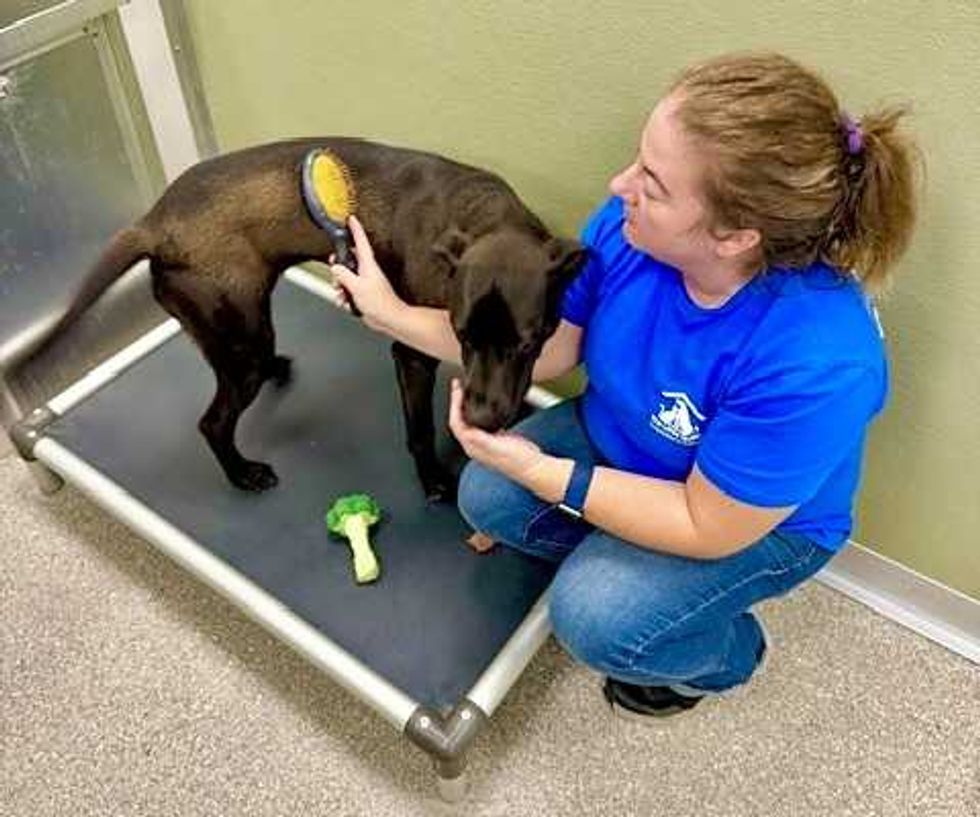 Tiffany Lemelin, shelter manager, brushing Marsala upon arrival.Provided
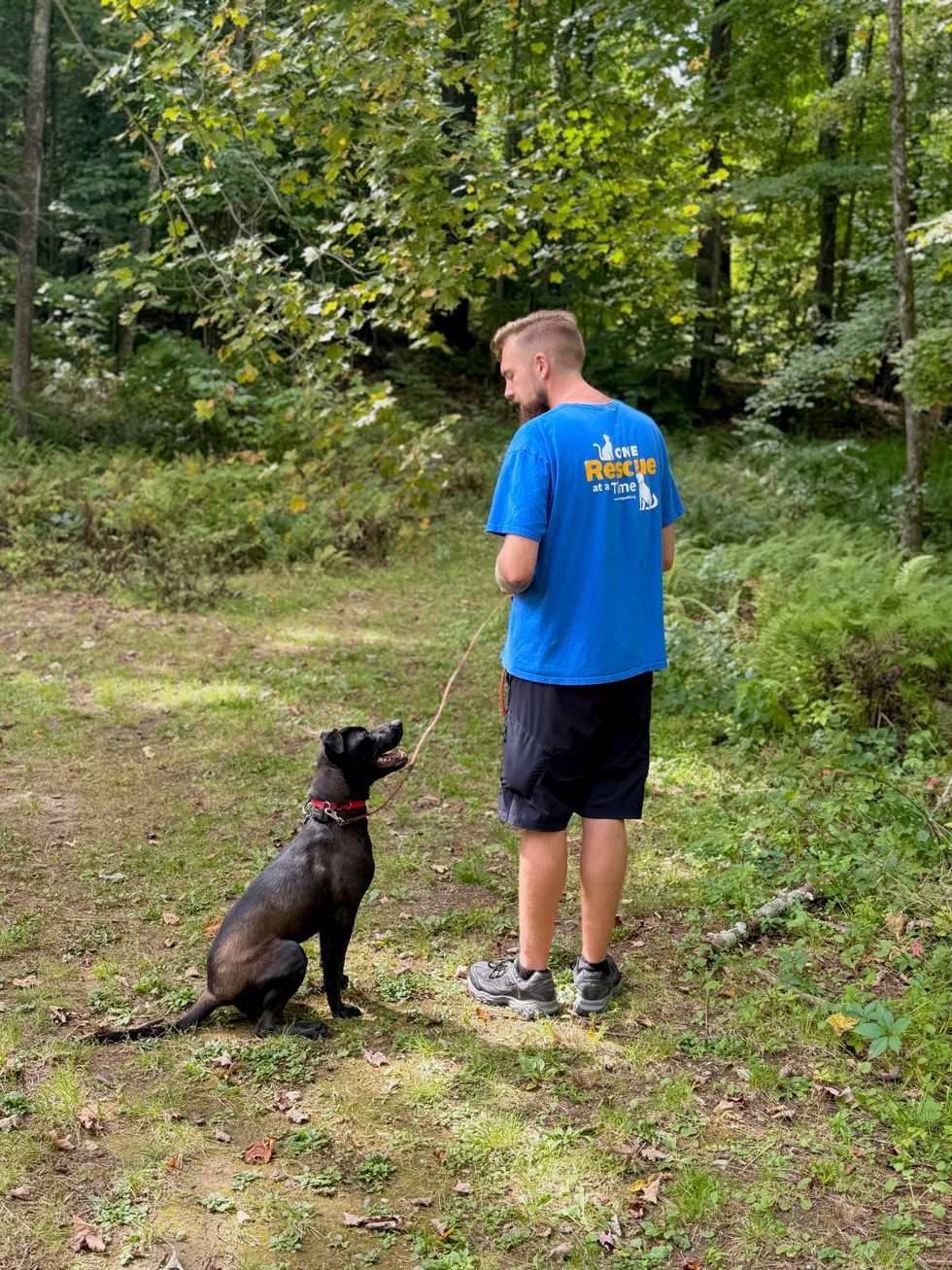 Michael DeBarba, certified dog trainer working with Marsala.Jennifer Almquist
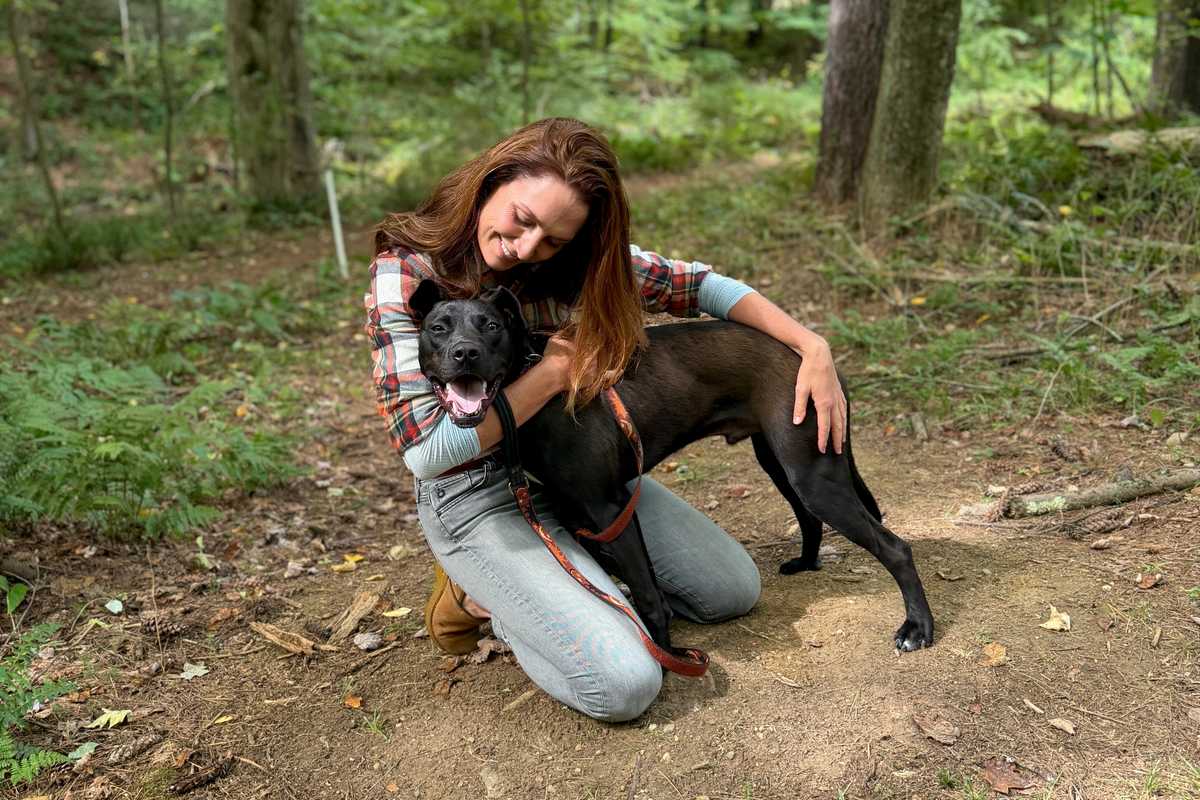 Marsala wins a heart.Jennifer Almquist
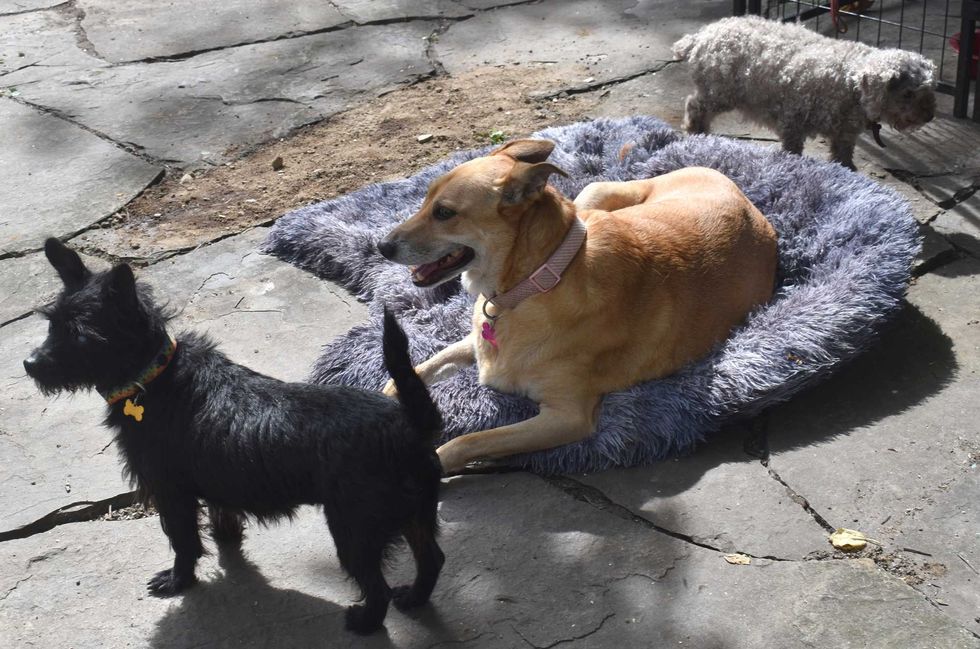 Sadie, center, a Carolina dog, plays with her friend Negra, a terrier mix. Bella Linda, the small poodle, has since been adopted.L. Tomaino
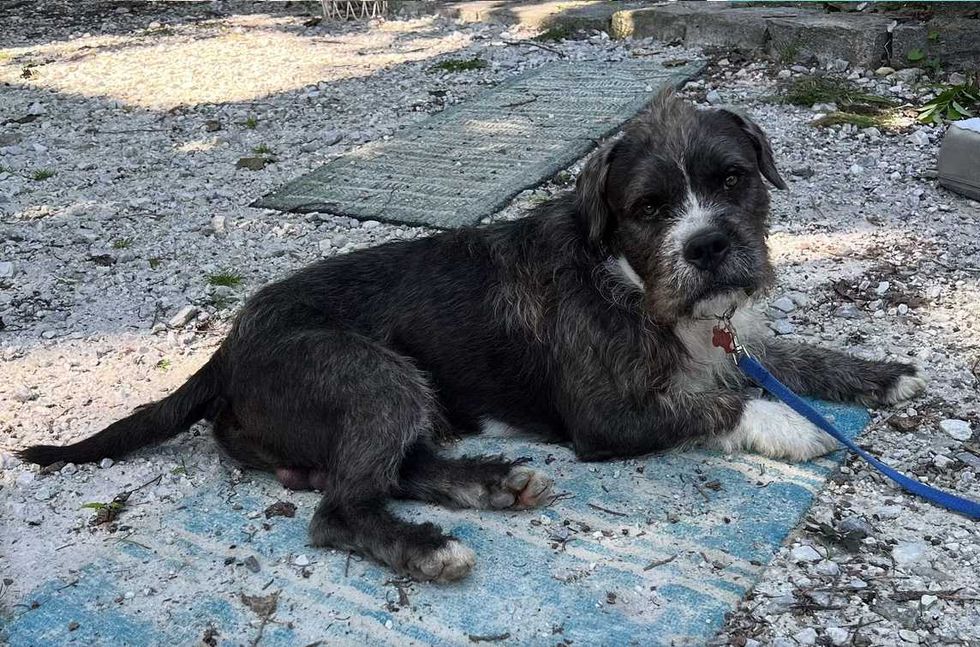 Wesley, a young, exuberant mix, is looking for an active home.L. Tomaino
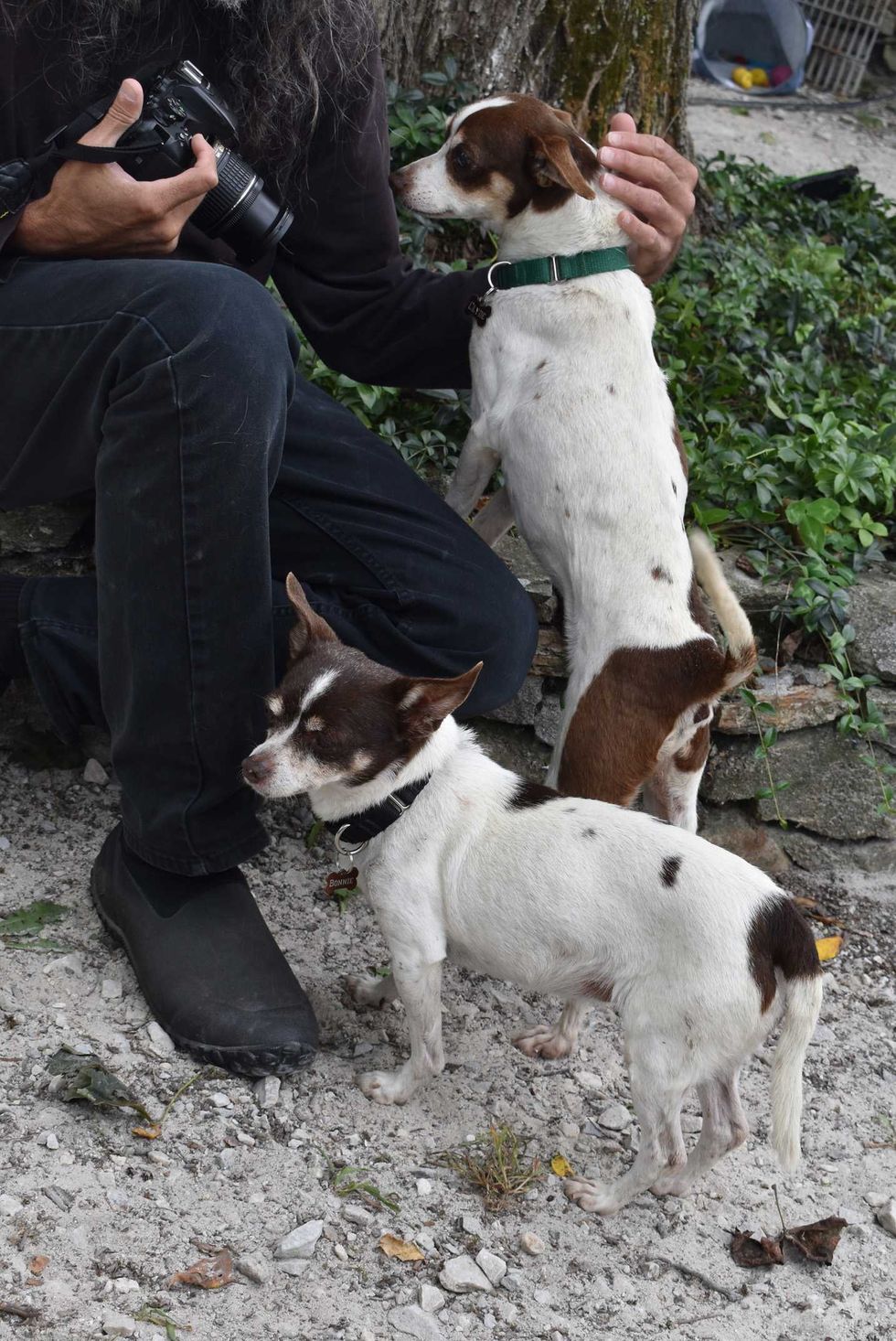 Bonnie and Clyde, an affectionate terrier pair.L. Tomaino