Technology and social media were once a foe to the age-old quest of inspiring young adults to read. Amid the Covid-19 pandemic young women started making short 1-minute TikToks to document and share their reading experiences. A community, known as BookTok, grew roots and began to blossom.
A subgenre of literature that has emerged through this community of readers has been labelled as “weird-girl fiction.” This sub-genre explores the abstract, dark and complex aspects of femininity with the utilization of symbolism, art and metaphors. An example would be "Nightbitch" by Rachel Yoder.
The story follows a young mother of a newborn boy who abandoned her career to be a stay-at-home mom. One day she notices a dark patch of hair emerging from the back of her neck and her canines begin to sharpen. Despite her fear and visible symptoms, her husband dismisses her, as she morphs into a dog. Yoder unravels the shift of motherhood and complicated female characters through magical realism that captivates the reader.
In conversation with popular BookToker Haley, or @whathalesreading, she reflected on Yoder’s ability to cast a light on women who feel caged in the constraints of conventional womanhood.Haley said Yoder’s writing plays with “feeling misunderstood, conflicted, caught between role and intention — these are themes that play out in women’s lives all the time that weird girl fiction is giving voice to.” Weird girl” books flesh out the meaning and importance of womanhood that bring light to darkness.
Somewhere in the darkness young women are feeling seen, safe.
Literature has served many purposes, protest being one. Historically, women have been caged in narratives, expectations and laws to fulfill their role as a child bearer and wife. “Weird girl” books fight against the single purpose role of womanhood being marriage and motherhood.
In these stories, women have the power to choose. The reader may not like the character or agree or understand and it seems that is the point. A woman does not have to be digestible or agreeable to be loved or respected or admired.
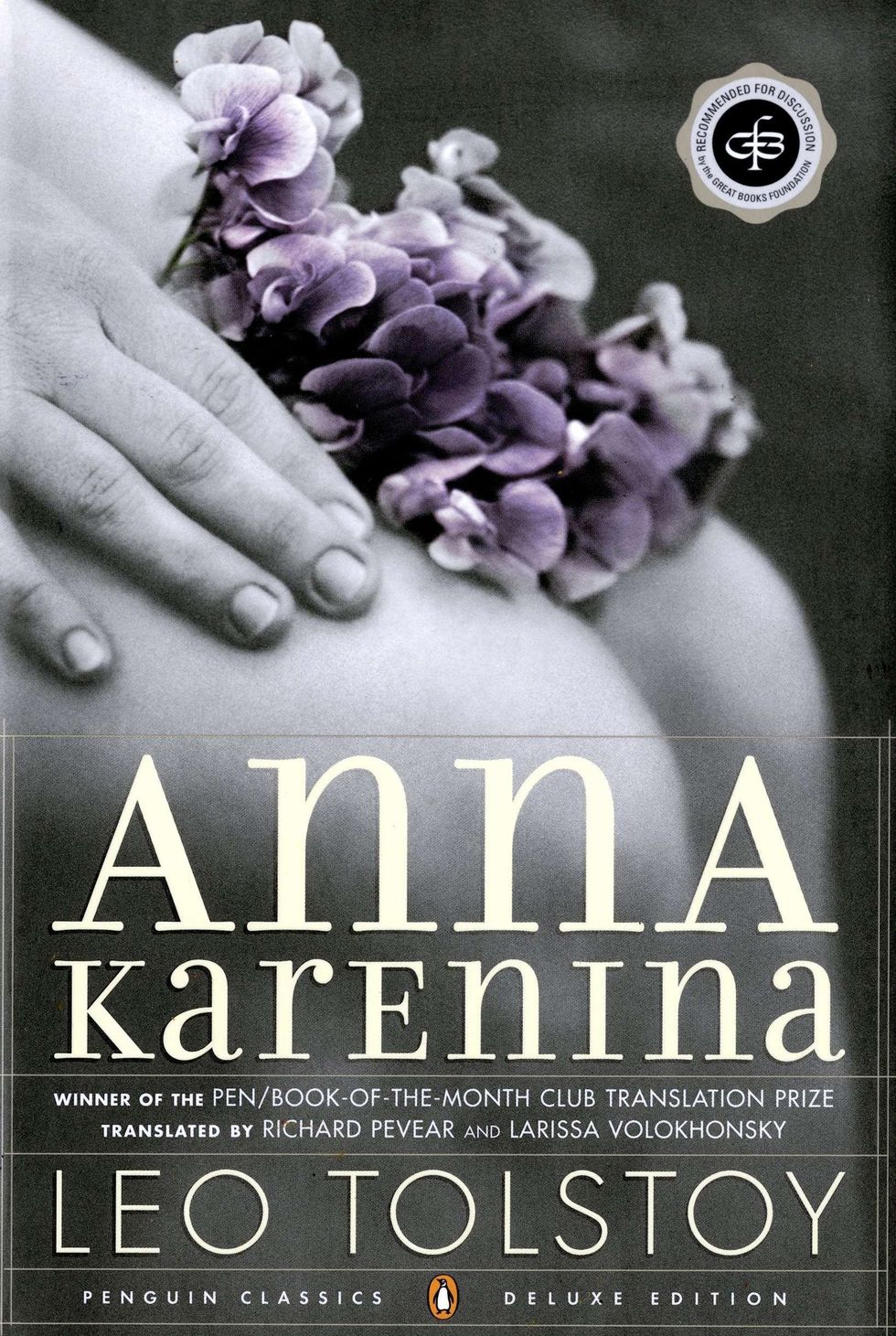
It is important to note that for centuries, women writers have been pushing boundaries and breaking archaic narratives. Executive Director of the Hotchkiss Library of Sharon Gretchen Hachmeister said “these latest writers are part of a centuries-long tradition of works by women about women dealing with their rage, desires and experiences.”Think “The Bell Jar,” “Frankenstein”, “The Days of Abandonment” — works that follow women through imaginative narratives that carved out a new space in the literary world. That set the stage for women to be complicated, to have hate-able qualities, to be human, to be seen.
As the world gets weirder, creativity is a force for change, for escapism, for community. In uncertain times connection is a guiding light through these murky waters. While readers have banned together through TikTok to build a community, there are still brick and mortar spaces to cultivate community.
Local libraries are the cornerstone for the practice of accessible free speech and thought.
As a life-time Lakeville resident I grew up among the shelves of Scoville Memorial Library. Despite my mother’s warning I took out too many books each week and could never finish them all.
In those stories I uncovered pieces of myself in the writers’ words. Not every found piece I enjoyed, but I knew someone else had experienced it and put truth to page so I did not have to feel alone.
As an adult(ish) I still go to the library. I read strange books written by women that concern my loved ones at times but have made me feel free. Free to be the woman I choose to be.
Olivia Geiger is an MFA student at Western Connecticut State University and a lifelong resident of Lakeville.


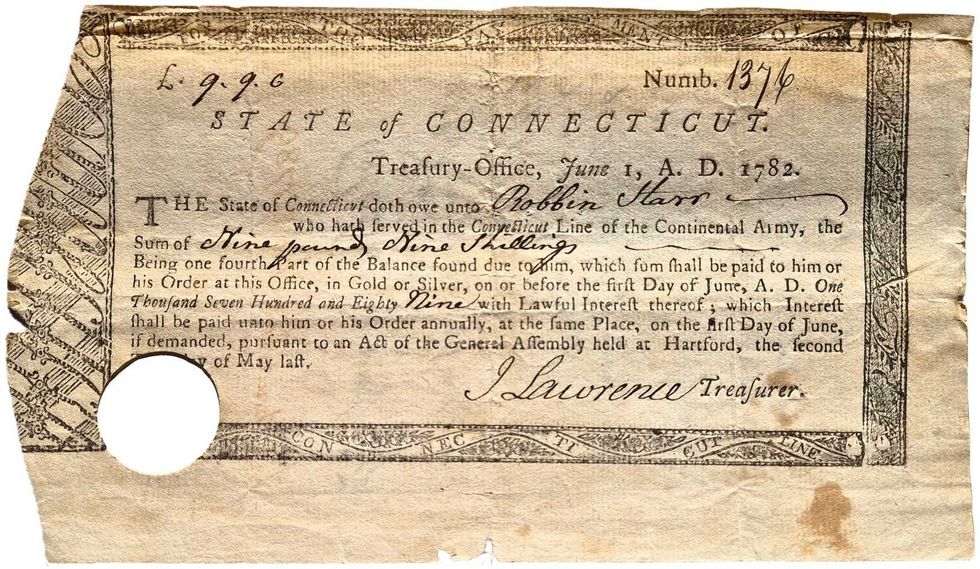 Pay Bill for Robin Starr’s service in the Continental Army.Courtesy the Alex Breanne Corporation
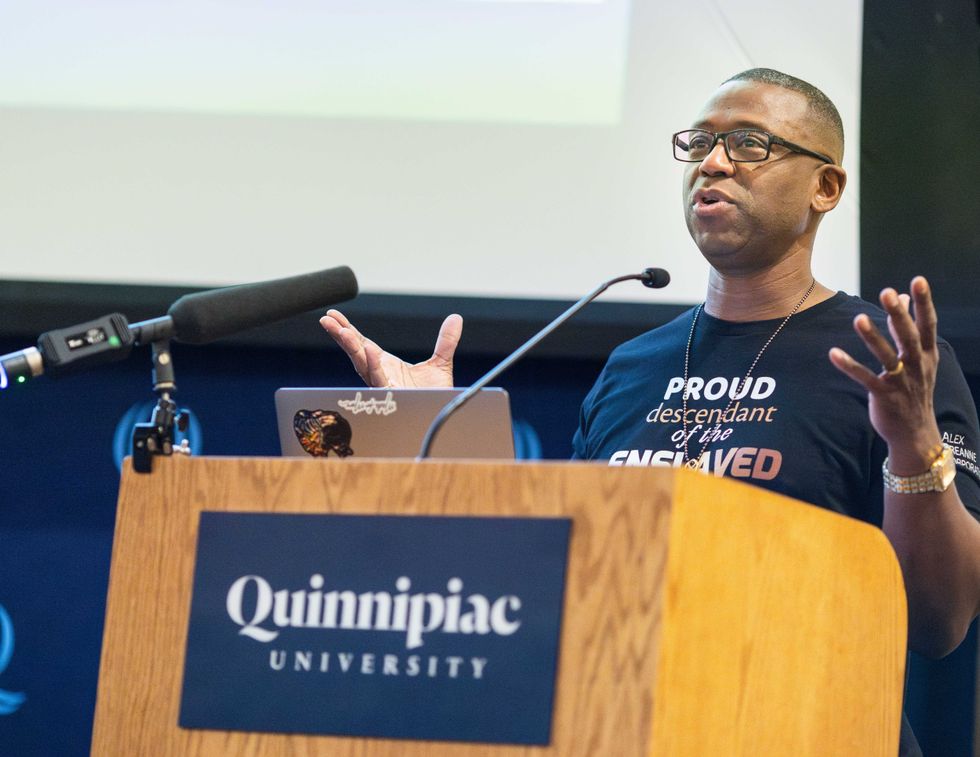 John Mills speaking at Quinnipiac University.Courtesy the Alex Breanne Corporation
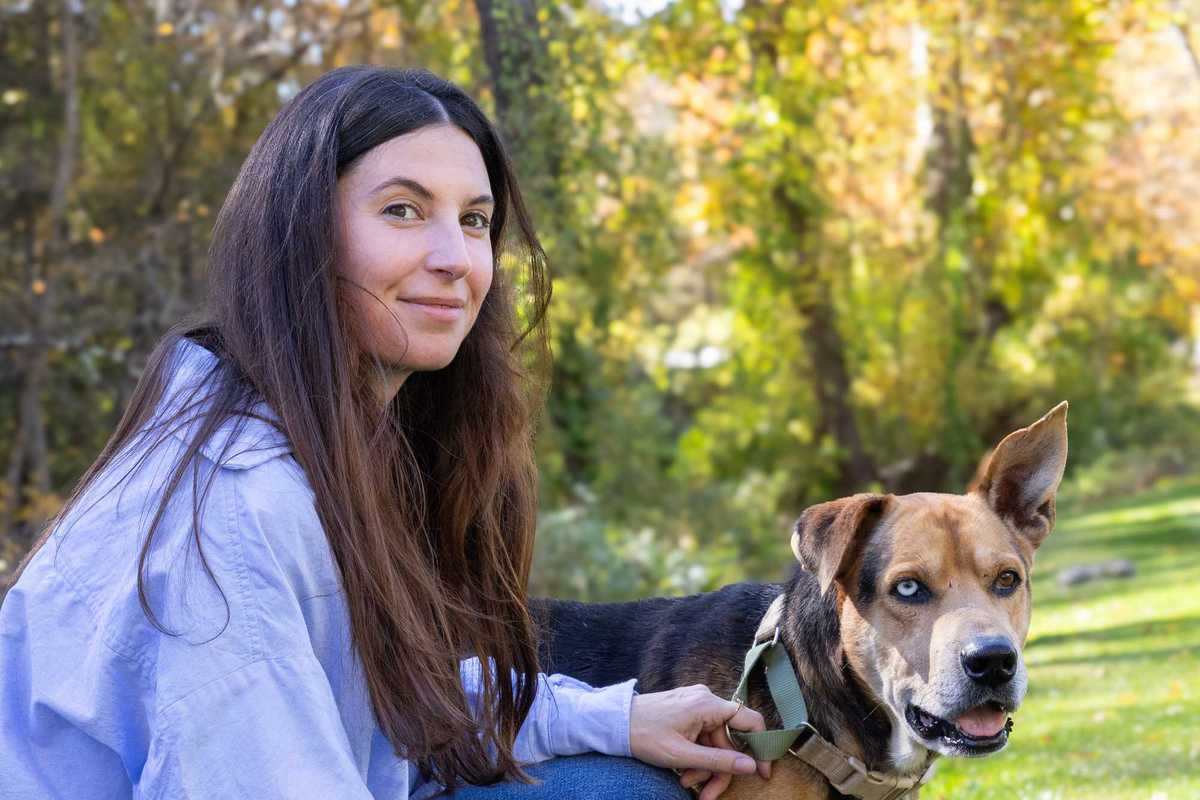
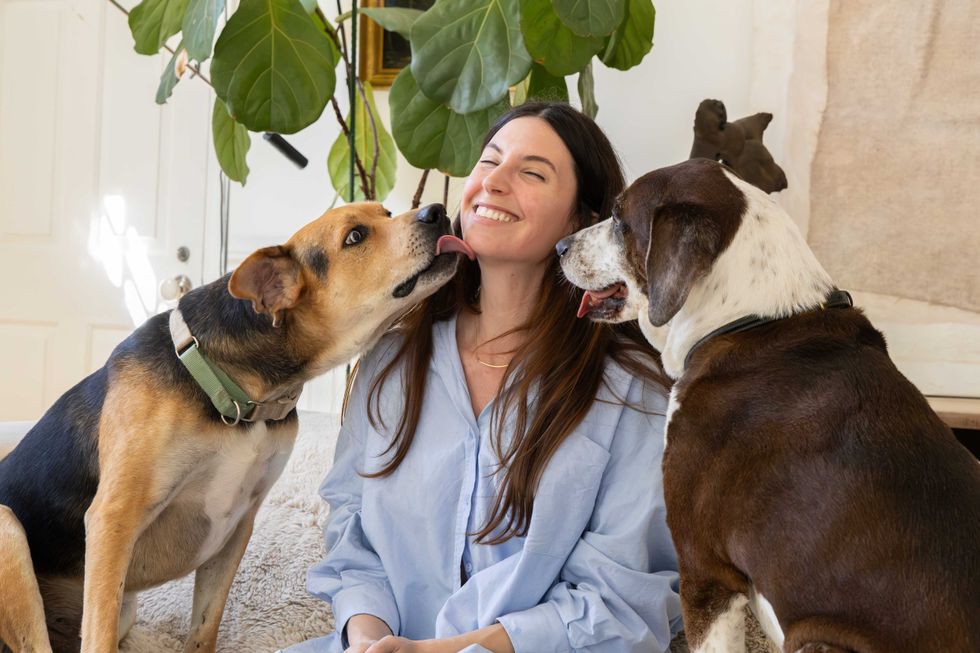 Stephanie Saetta,with her rescue dog George and Blue (left), a shepherd mix awaiting his forever home.Madi Long