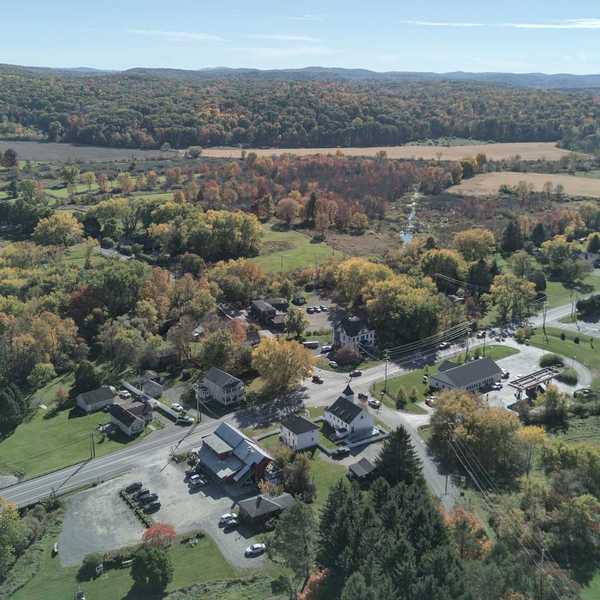
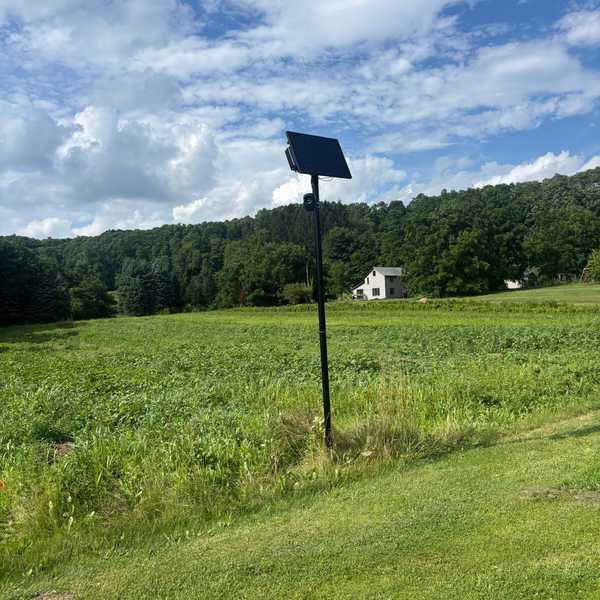
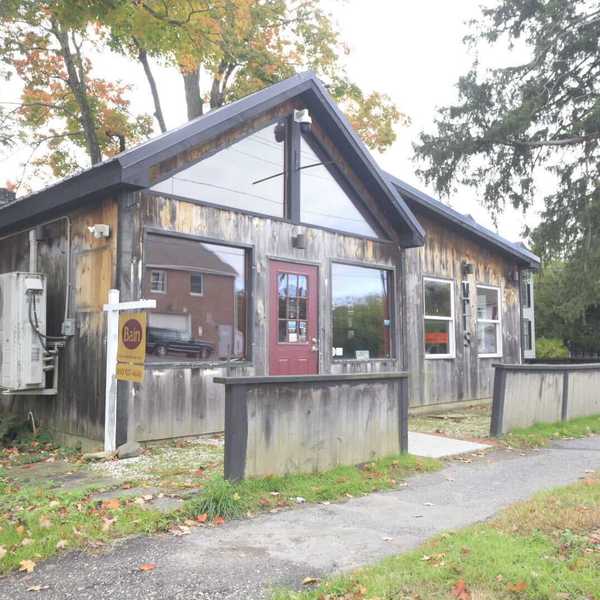
MILLERTON — On Friday, April 26 from 2 p.m. to 5 p.m., facilitators Hana’ Maaiah and Brittany Levers will lead a workshop on beekeeping at Rock Steady Farm, a queer owned and operated vegetable farm at 41 Kaye Road in Millerton. Through games, demonstrations, interactive activities, and discussions, participants will gain hands-on experience and knowledge while exploring decolonizing practices and reimagining the relationship with nature.
Hana’ Maaiah, the Food Systems Manager at Soul Fire Farm in Petersburg, New York, brings a decade of farming experience and a passion for advocating for farmers and educating youth.
Prior to her work at Soul Fire Farm, she was the assistant farm manager at a small urban farm in Birmingham, Alabama, called Jones Valley Teaching Farm where she was paid to take a master beekeeping class.
“I’ve always been entranced by bees,” she shared. “I think they’re fascinating, and we know their power within the food system. They prop us up, right? More than half of our food system wouldn’t even exist without bees.”
The class was comprised almost entirely of older, white men, despite Birmingham’s majority black population, highlighting systemic barriers faced by BIPOC individuals in accessing agricultural resources and knowledge. She reflected, “I kept telling myself ‘You’re here for the bees, you’re here for the bees.’”
Pep talk aside, Maaiah eventually left the class but the experience has informed her teaching style. She shared, “You have to be in a space where you can feel supported, you can learn, you can ask questions, and that the information feels like it’s something you want to continue to pass forward.”
Maaiah found a new class, a bee mentor, and after four years of beekeeping at Jones Valley, she kept bees in her own backyard “because they’re just so hypnotic,” she mused.
Maaiah’s perseverance and commitment to beekeeping not only speak to her passion for the craft but also underscore the importance of creating inclusive spaces within agriculture where diverse voices are valued and supported. She is also thrilled to share that bees will be arriving at Soul Fire farm next month.
Maaiah met Brittany Levers at a mushroom workshop in Troy, New York. When Ainhoa Woodley, a farmer and Farm Education Manager at Rock Steady put out a call for skill sharing in the community, Maaiah and Levers decided to pair up and share their knowledge.
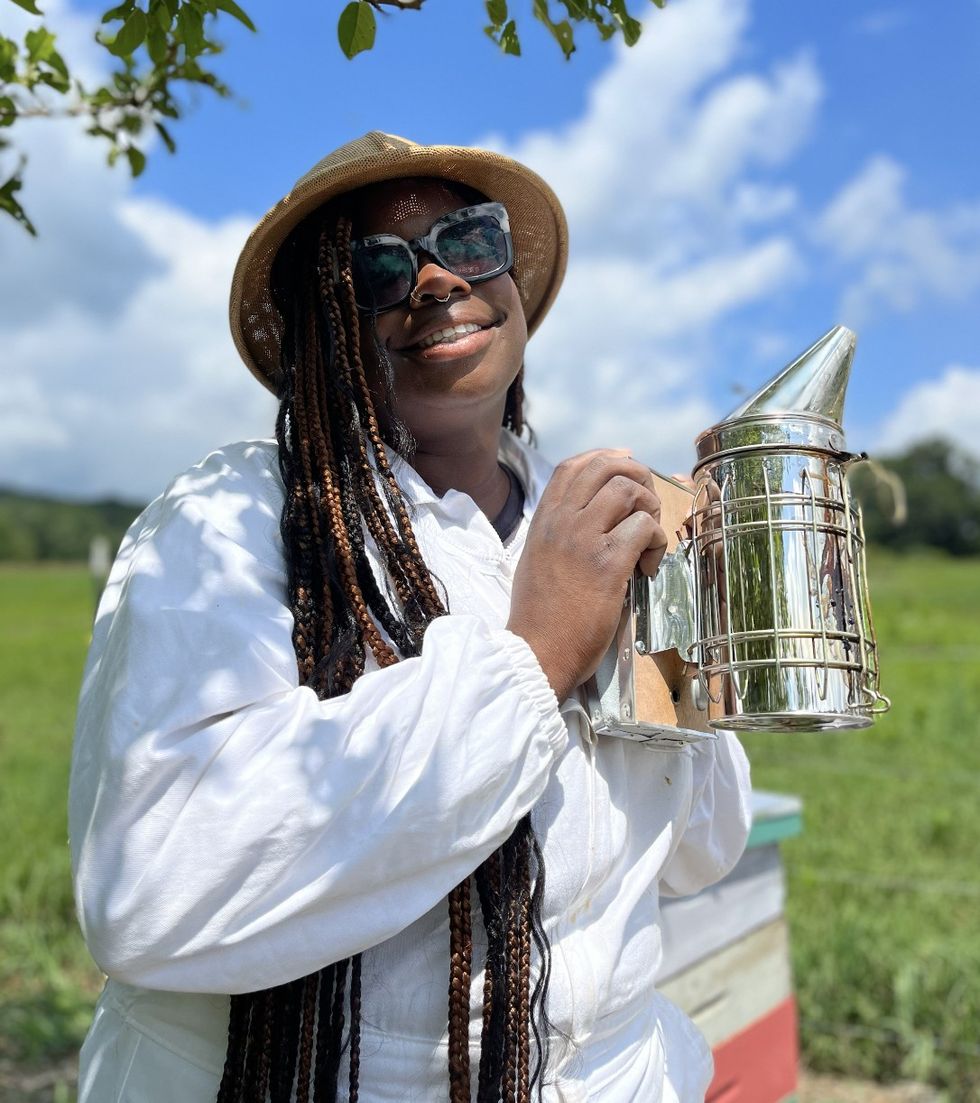 Brittany Levers will also facilitate the April 26 workshop.Noelia Salinetti of Woven Roots Farm
“We’re really trying not to do a crash course in a business sense. It’s not going to be a ‘How to Harvest Honey’ class or something,” Maaiah laughed. “But if you’ve ever been curious to kind of just test the waters, then let’s explore.” Levers added, “Even if they don’t decide to beekeep themselves, they serve a pertinent purpose in our ecosystem. I’m looking forward to spreading the joy and wonder that bees give me.”
In this beginner’s workshop, simplicity is key. “We want it to feel as possible as possible to be a beekeeper,” said Maaiah. She also posed the important question, “How can we reshape our practices to align with the needs of BIPOC (Black, Indigenous, and people of color) communities and future generations of farmers?” She went on to describe that part of the work is to center the decolonization of language around the practice of beekeeping. “What would it look like to rename colony, worker bee, drone bee, and queen bee?” as examples, Maaiah asked.
So, this workshop will be a far cry from the first class Maaiah experienced back in Birmingham.
There will instead be an emphasis on letting people know that they belong, and that beekeeping is ancient wisdom BIPOC people have been practicing for centuries. “We’re gonna just have a lot of fun,” she continued. “We actually have a surplus of information; we just need to share it. And the bees will do the rest.”
For more information and to sign up for the workshop, visit www.rocksteadyfarm.com


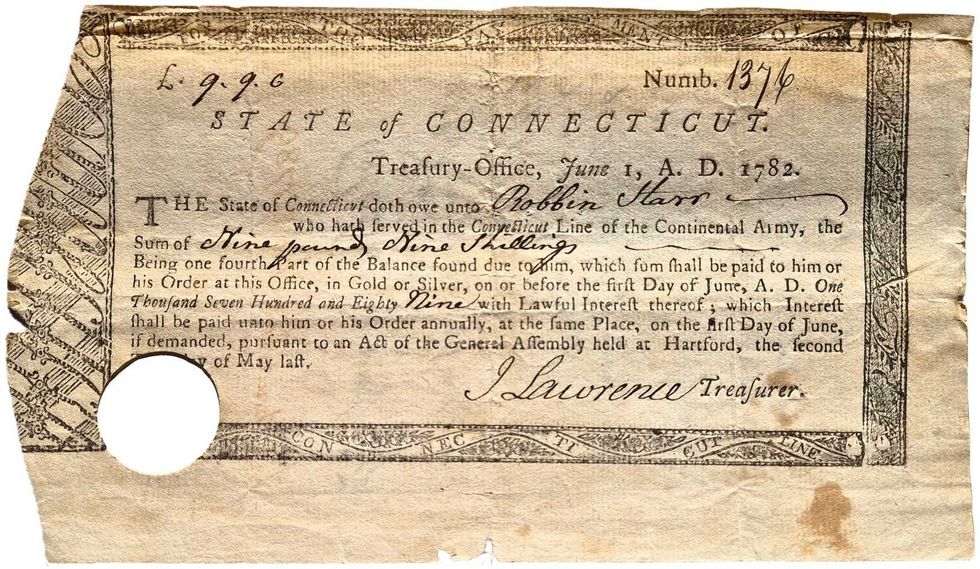 Pay Bill for Robin Starr’s service in the Continental Army.Courtesy the Alex Breanne Corporation
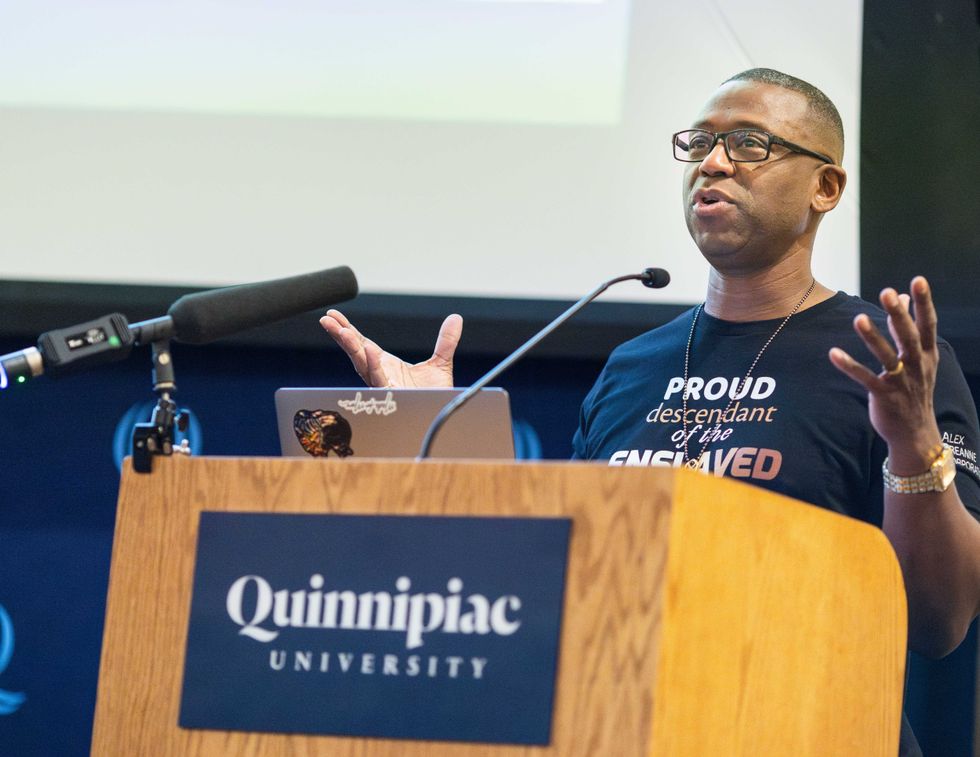 John Mills speaking at Quinnipiac University.Courtesy the Alex Breanne Corporation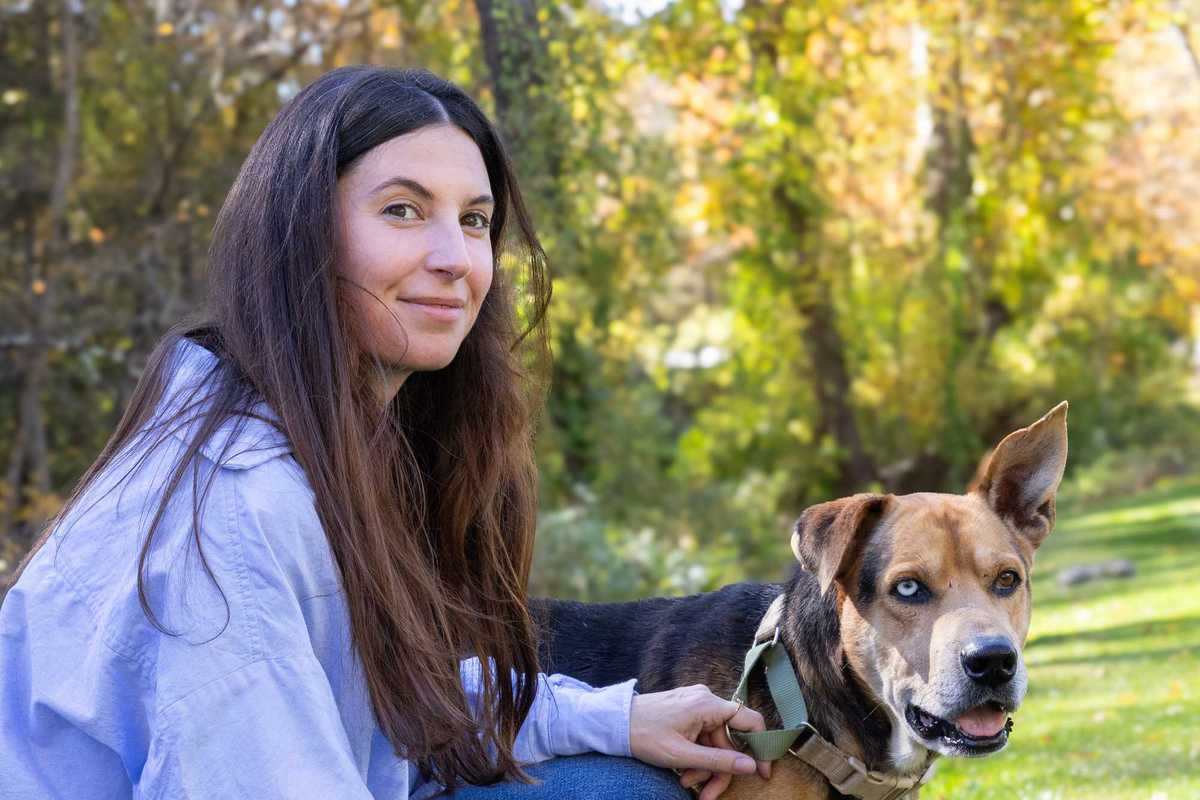
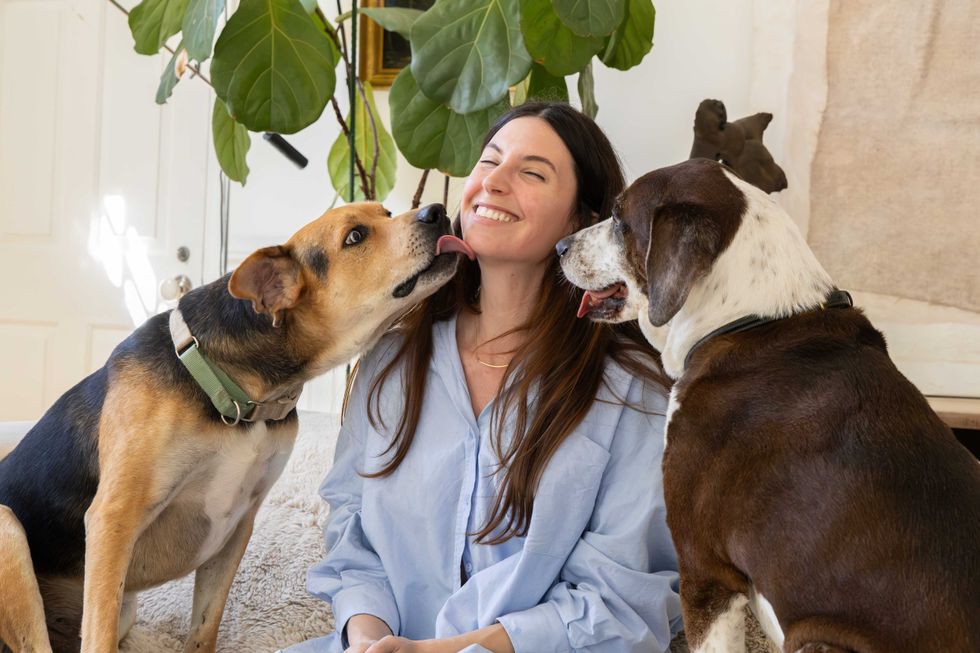 Stephanie Saetta,with her rescue dog George and Blue (left), a shepherd mix awaiting his forever home.Madi Long