AMENIA — Some welcome news kicked off the Thursday, Feb. 16, Town Board meeting: The Board received two applications for membership on the Water Committee. Councilpersons again urged the community members to apply to join the committee.
Supervisor Victoria Perotti and Town water operator Marco D’Antonio also secured the town a $481,000 grant for the upcoming lead service line project inventory, a success that solves the financial woes of an expensive, federally mandated project.
The meat of the meeting came during a nearly 45-minute discussion of Resolution 38, which moved to allocate American Rescue Plan Act (ARPA) funding to the purchase of a parcel of land to be used in the town’s affordable housing efforts. The town received $480,000 in ARPA funding — which can be used for infrastructure fixes, affordable housing, and a few other related areas — and is planning to allocated $200,273 of it, alongside an as-yet unawarded $150,000 grant from the Community Development Block Grant program (CDBG), to purchase a 4-acre parcel that includes a well-maintained house. Pivotally, the site could also be used in the future for the town’s much needed wastewater infrastructure improvements. The discussion revolved primarily around concerns raised by Councilperson Damian Gutierrez that the ARPA funds should perhaps be used to fix other inclement infrastructure issues plaguing the town.
“My concern [is] that we have a tall mountain to climb on the water district when it comes to finding funding. … If we’re going to take these funds that we have today and use them for something else, I just want to be sure that we, as the Town Board, have some plan or some commitment to address that upcoming need in the water district.”
Town attorney Ian Lindars also raised concerns about the fact that the current plan involves owning a unit which would then be rented out as affordable housing, an arrangement that would make the town a landlord. Rather than directly maintaining the unit, the town currently has a memorandum of understanding (MOU) established with nonprofit partner Hudson River Housing which states that HRH would handle all aspect of rental, including maintenance and selection of renters, though the town would be the owner.
Both Councilman Leo Blackman, and Wastewater and Housing Board member Charlie Miller assured the Town Board that HRH is a capable partner in the effort and that providing actual affordable housing now is crucial element in solving the township’s housing crisis.
On the subject of the use of ARPA funds, Blackman mentioned some additional sources of funding available to the town for water district infrastructure fixes and also spoke of the need for the town to take concrete action on issues that have plagued it for decades. Efforts to improve wastewater infrastructure have previously been stymied by the fact that the town hasn’t owned any viable land, and that purchasing actual property that could be used for such projects in the future represents a necessary and material step forward.
“The reason that we have not been able to move ahead on wastewater for 62 years, as far I know, is that no one is willing to take that leap. Until there’s a little bit of faith in the future, a little bit of willingness to take a little bit of risk, nothing will ever happen. . . It’s time to see what we can do to move the needle,” said Blackman.
With only Perotti abstaining, as she serves on the Dutchess County panel that awards the CDBG grant, the resolution to allocate the funds, the actual use of which are contingent upon the town receiving the grant, passed otherwise unanimously.
The next Town Board meeting will take place on Thursday, March 2, at 7 p.m. Attend in person at Town Hall or watch the livestream at .






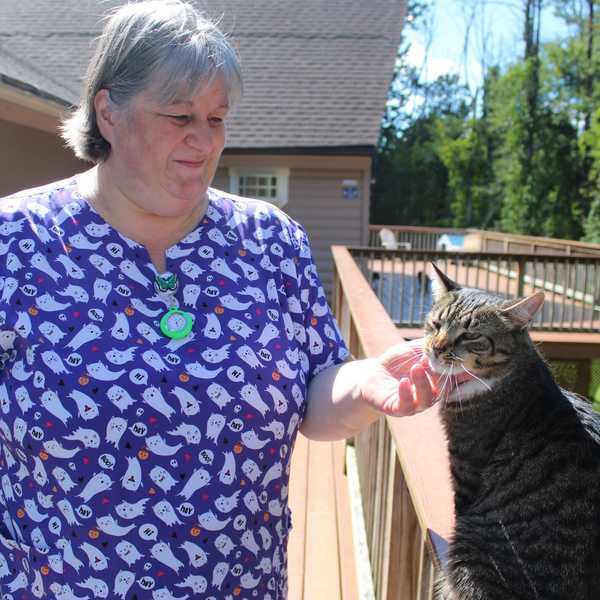
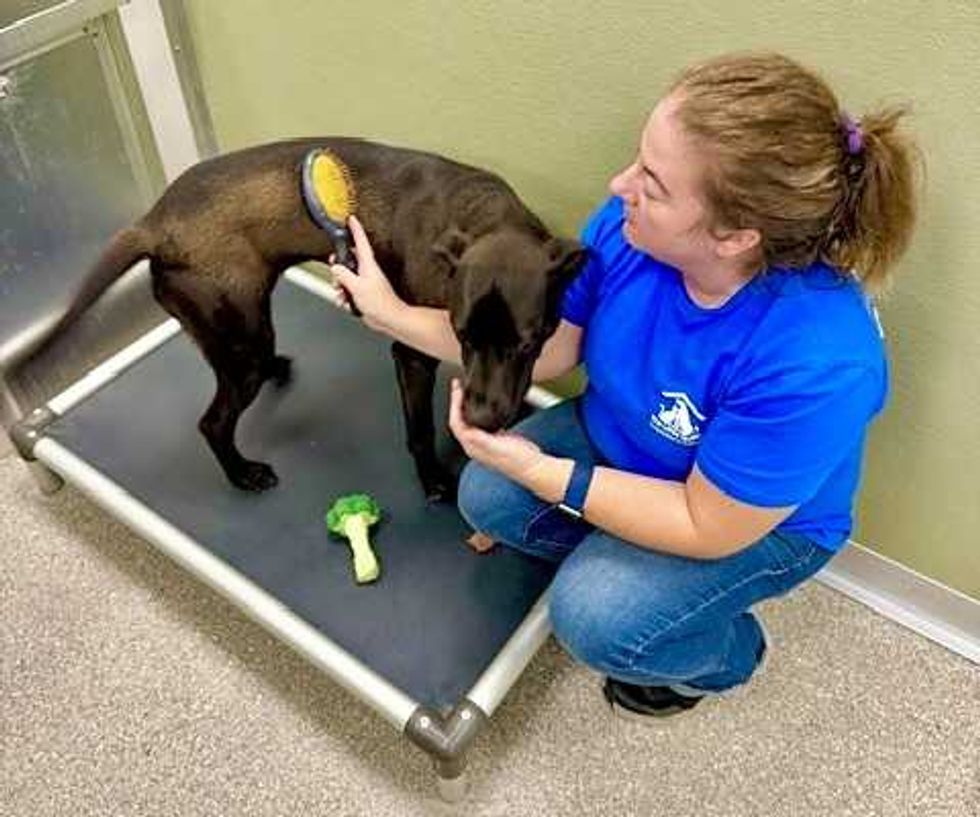 Tiffany Lemelin, shelter manager, brushing Marsala upon arrival.Provided
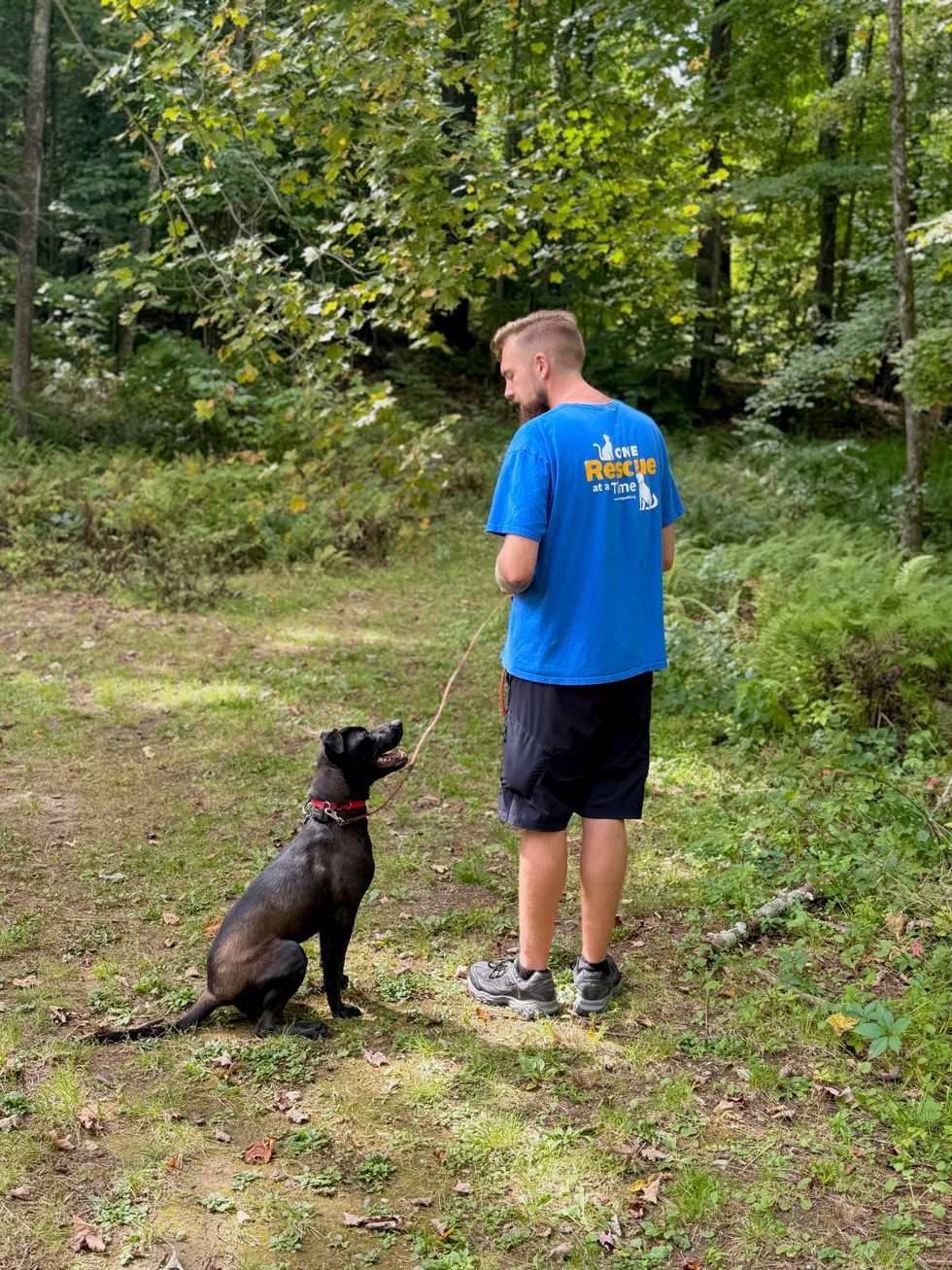 Michael DeBarba, certified dog trainer working with Marsala.Jennifer Almquist
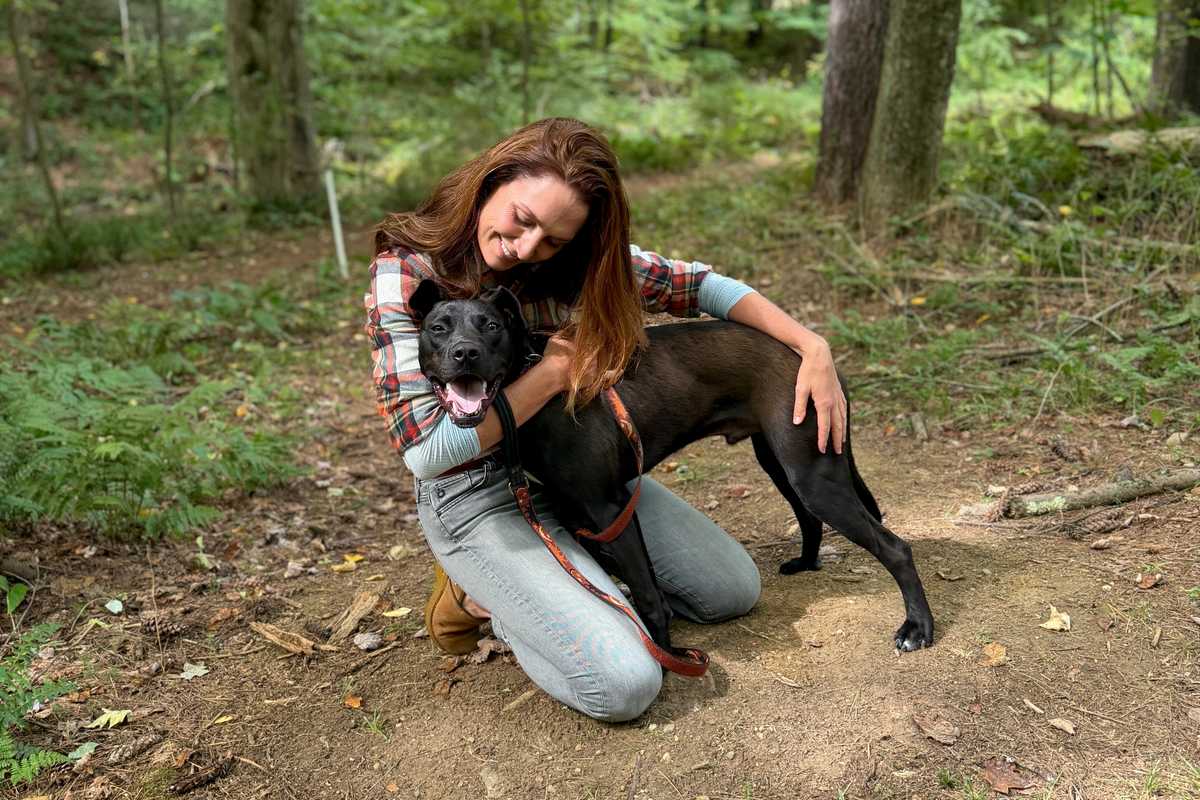 Marsala wins a heart.Jennifer Almquist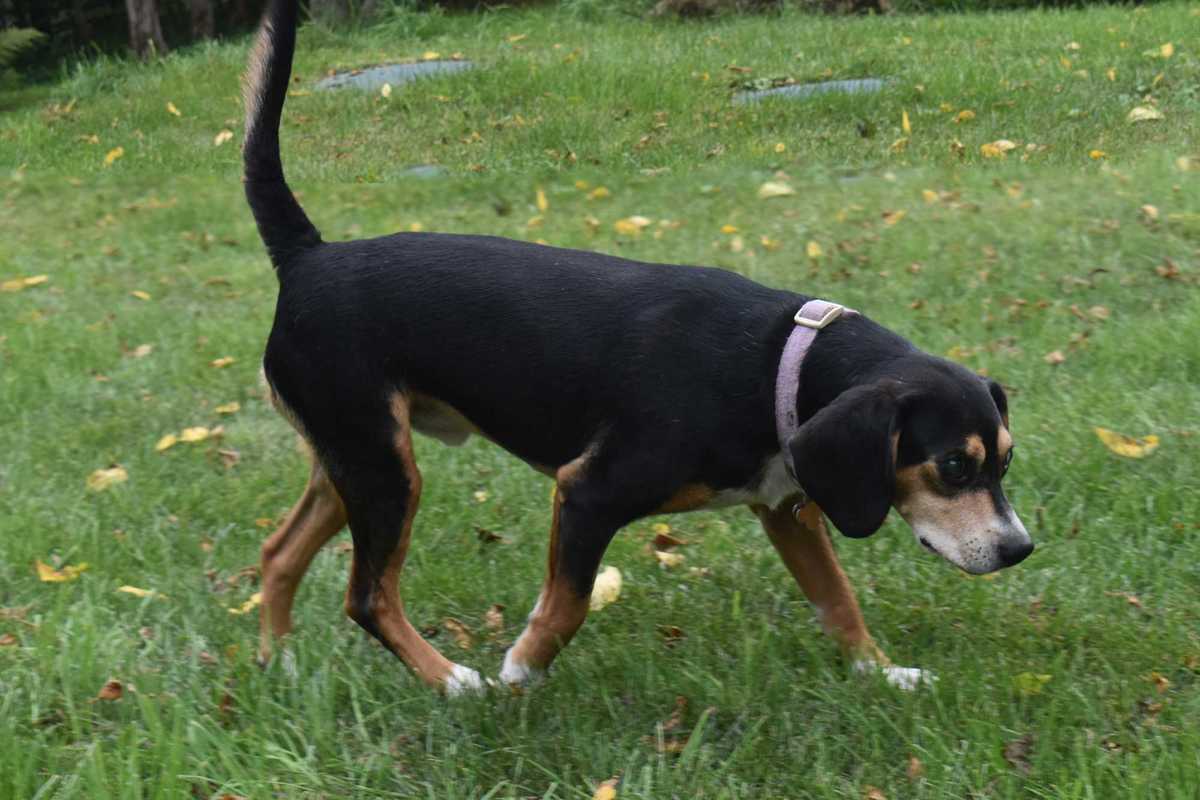
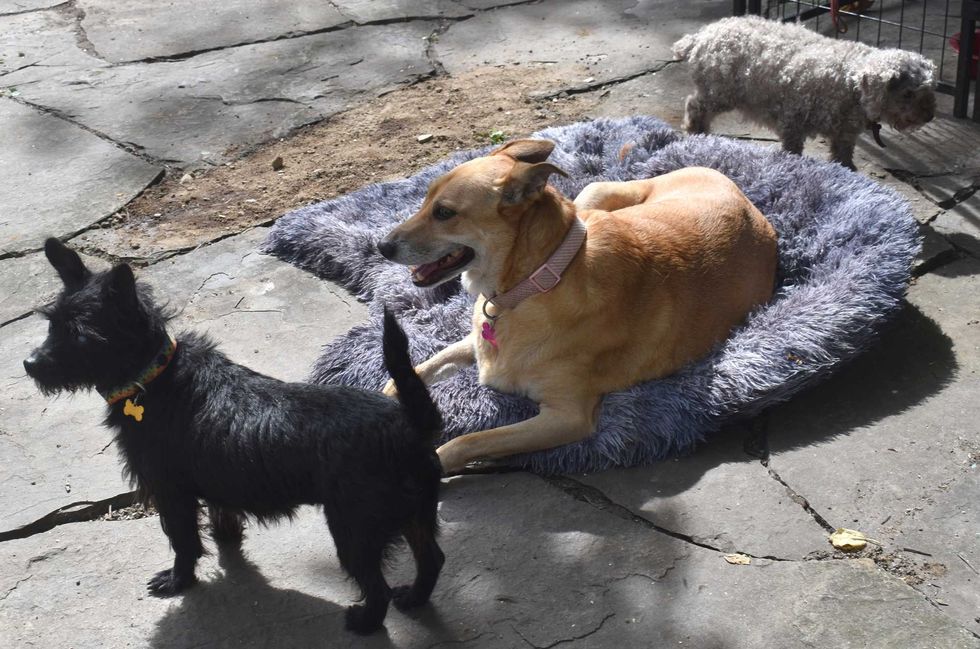 Sadie, center, a Carolina dog, plays with her friend Negra, a terrier mix. Bella Linda, the small poodle, has since been adopted.L. Tomaino
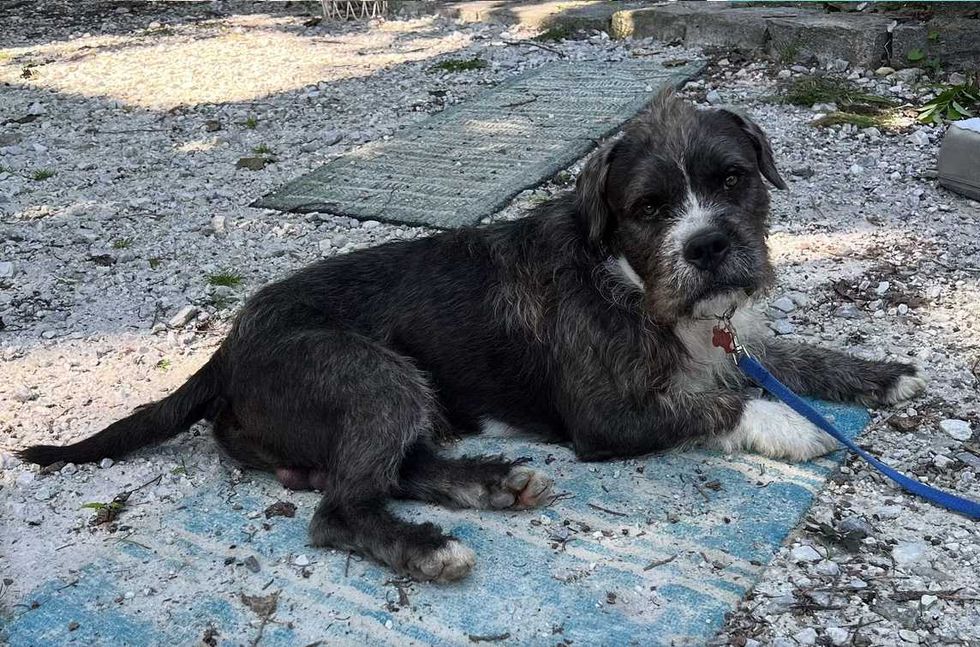 Wesley, a young, exuberant mix, is looking for an active home.L. Tomaino
 Bonnie and Clyde, an affectionate terrier pair.L. Tomaino