AMENIA — Working to develop a logical timetable for planning and funding of a wastewater project for the town, the Wastewater Committee discussed the next steps at its regular meeting on Thursday, April 4.
Committee chairman Charlie Miller reported those planned steps to the Town Board at its regular meeting later in the evening.
Essential to the planning process for the wastewater project is funding application strategy. Miller described the work of the state Environmental Facilities Corporation (EFC) through which federal funding is channeled to a local wastewater project.
Miller reported the results of a recent telephone meeting with the EFC during which he and local town officials, including Town Supervisor Leo Blackman had sought information on the process of successfully applying for maximum federal funding.
“We need a higher score,” Miller said of the importance of documented surface water contamination caused by failed or failing septic systems locally and a demonstrable adverse effect on local streams and waterways.
The EFC relies on test results prepared by the state Department of Environmental Protection (DEP), but the DEP only conducts testing during even-numbered years, and two years’ worth of sampling is needed. Surface water testing currently underway through the Housatonic Valley Association (HVA) can also be helpful.
Miller reported to the Town Board that early results of HVA testing has shown the presence of the E. coli bacterium in surface waterways, indicating the likely presence of failed or failing septic systems.
Committee member Shannon Roback suggested that additional sampling might be advisable to strengthen any funding application, that if successful can fund up to 75% of project costs.




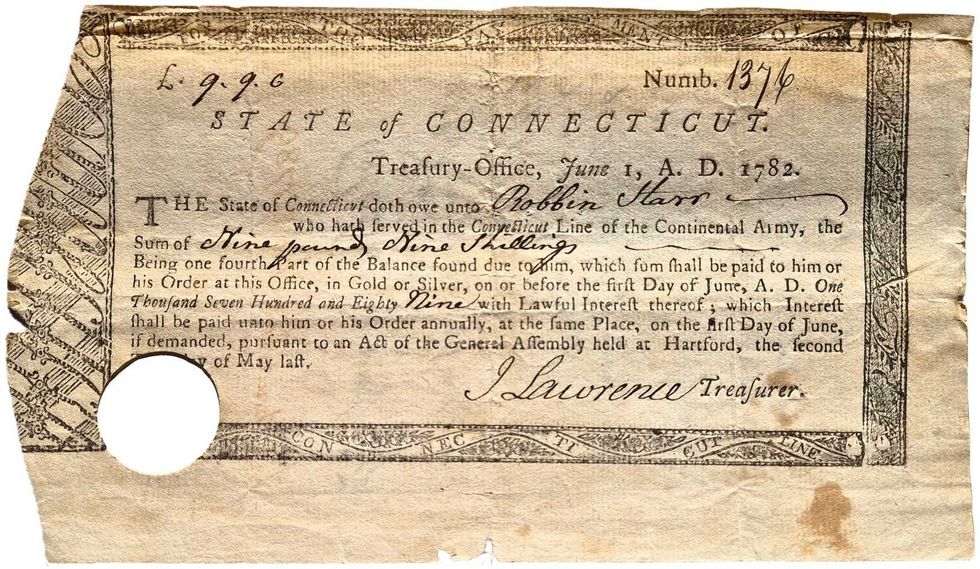 Pay Bill for Robin Starr’s service in the Continental Army.Courtesy the Alex Breanne Corporation
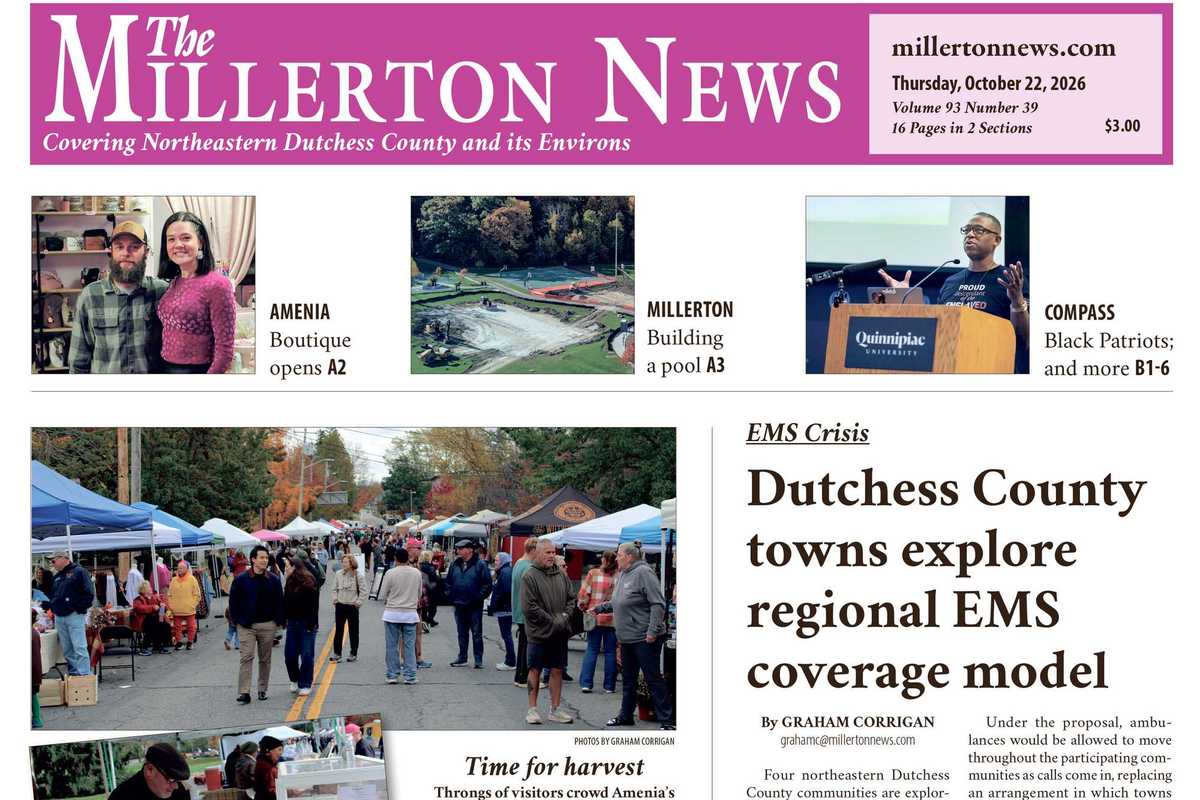
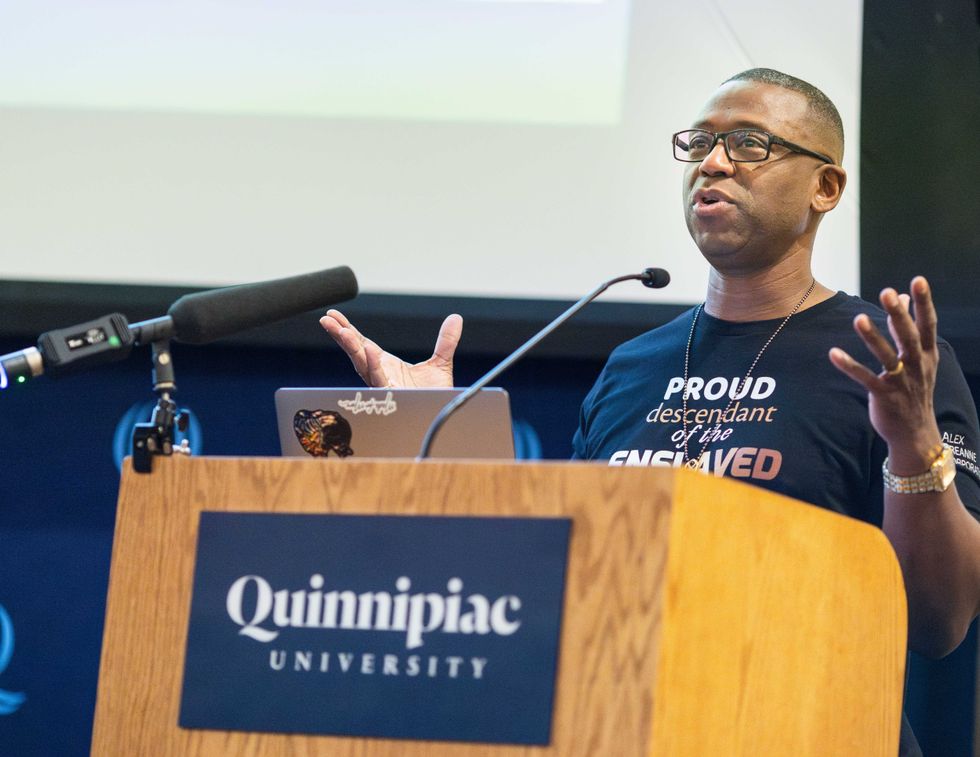 John Mills speaking at Quinnipiac University.Courtesy the Alex Breanne Corporation

 Stephanie Saetta,with her rescue dog George and Blue (left), a shepherd mix awaiting his forever home.Madi Long