AMENIA — Planning Board members have again delayed action on a proposed workforce housing subdivision, citing unresolved concerns over firefighting water capacity and the project’s potential impact on the town’s character.
Citing those two unresolved areas of concern, the Planning Board voted against approving a resolution that would have concluded the conservation analysis aspect of the application for the 28-unit proposed Cascade Creek subdivision, which would go up on 18 acres along Route 22 near the Freshtown Plaza. The conservation analysis step has been underway since 2024.
Passage of the resolution would have satisfied New York’s State Environmental Quality Review Act requirements by certifying that the project would not have a significant adverse impact on the environment.
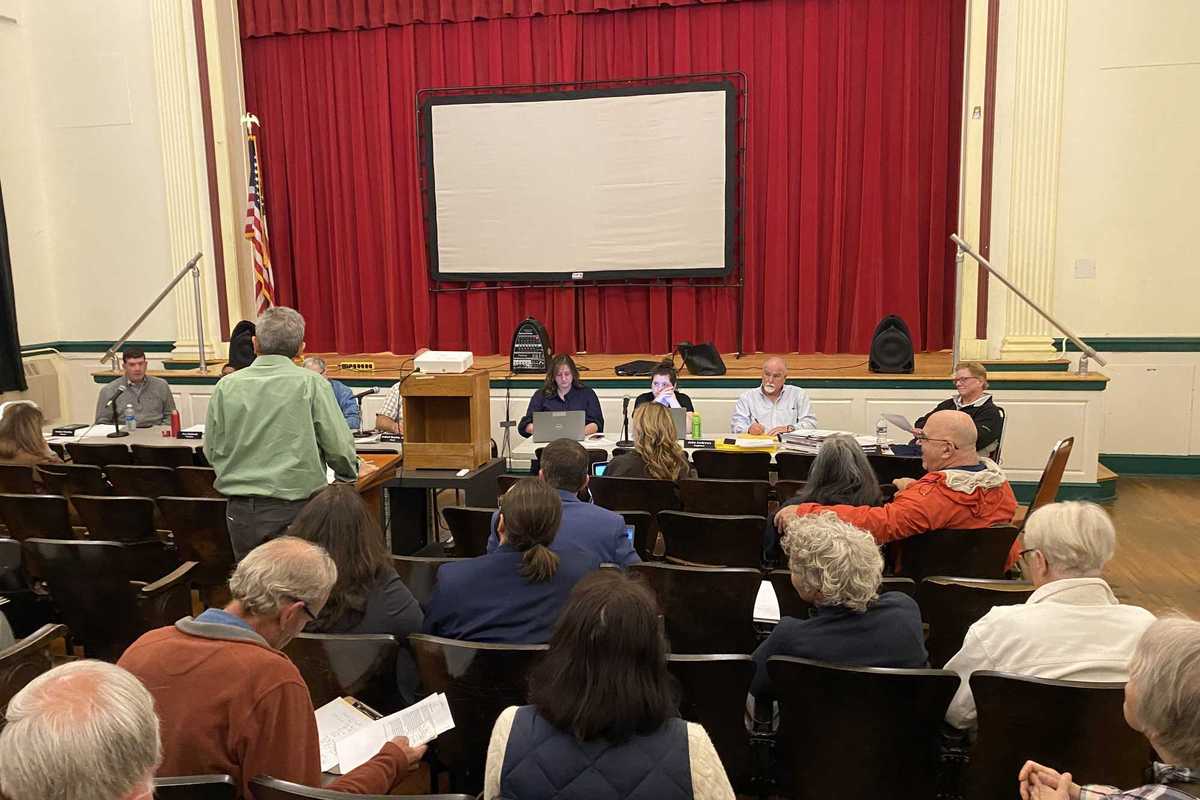
Reaching its vote of 4-2 against passage of the negative declaration resolution at its regular meeting on Wednesday, June 10, the Planning Board went on to ask the developer, Hudson River Housing, for more assurances about plans for an adequate supply of firefighting water storage and its concerns about impact on the town’s character as a whole.
Casting negative votes were chairman Robert Boyles, John Stefanopoulos, Ken Topolsky and Jamie Vitiello. Voting affirmatively were Nina Peek and Fox Bullock. James Walsh was absent.
If the negative declaration had passed, the action would have cleared the way for the Cascade Creek developer to submit site plans for the 24.13 acres where 59% of the land would be conserved. The development would contain 28 house lots.
“There is a balancing point between what’s reasonable and what will do the job,” said board engineer John Andrews, favoring the idea of moving ahead with the declaration, while stressing that the decision is up to the board.
Substantial discussion centered on the amount of water storage capability necessary for adequate fire protection.
Representing the developer, Engineer Richard Rennia said that the firefighting water supply would be available for the local fire department’s use to fight fires in the wider area, not just within the Cascade Creek development. Firefighters could use the supply to refill tanker trucks, Rennia said.
“So it’s going to be 60,000 gallons for community use,” Rennia told the board.
During a March meeting, the developer had first proposed 40,000 gallons and the fire district had recommended 180,000 gallons.
Discussion broadened to the number of planned lots, focusing on water supply within each lot’s well and any potential effect on neighbors’ wells.
“The number of lots presumes successful wells,” said Peter Sander, Senior Planner for Rennia Engineering.
“We don’t know until we drill test wells,” Rennia added. “The number of units is determined by well testing.”
Responsive to the variety of residents’ concerns heard during public hearings, planning board member Jamie Vitiello recalled the range of conflicting opinions voiced.
Board attorney Cassandra Britton noted that more public hearings will be held to hear comments on non-SEQRA issues during the site plan review phase.
“Once you start the subdivision site plan process,” Andrews told the board, “you have the ability to re-look at all this stuff. There are many issues that could bring a stumble. This is part of the process.”
Regarding concerns over impacts to the town’s character, Board member Ken Topolsky commented that the language within the code regarding community character is subjective.
Residents have voiced concerns over density, saying the proposed site is an agricultural field and that the surrounding neighborhood cannot support 28 additional homes.
As a next step, Andrews said that the applicant is expected to continue discussion with fire department officials to resolve the water storage issue. The developer will examine plans for any modifications to make the impact analysis acceptable.
“I would like for them to come back, so that we do not need to delay,” Topolsky said.



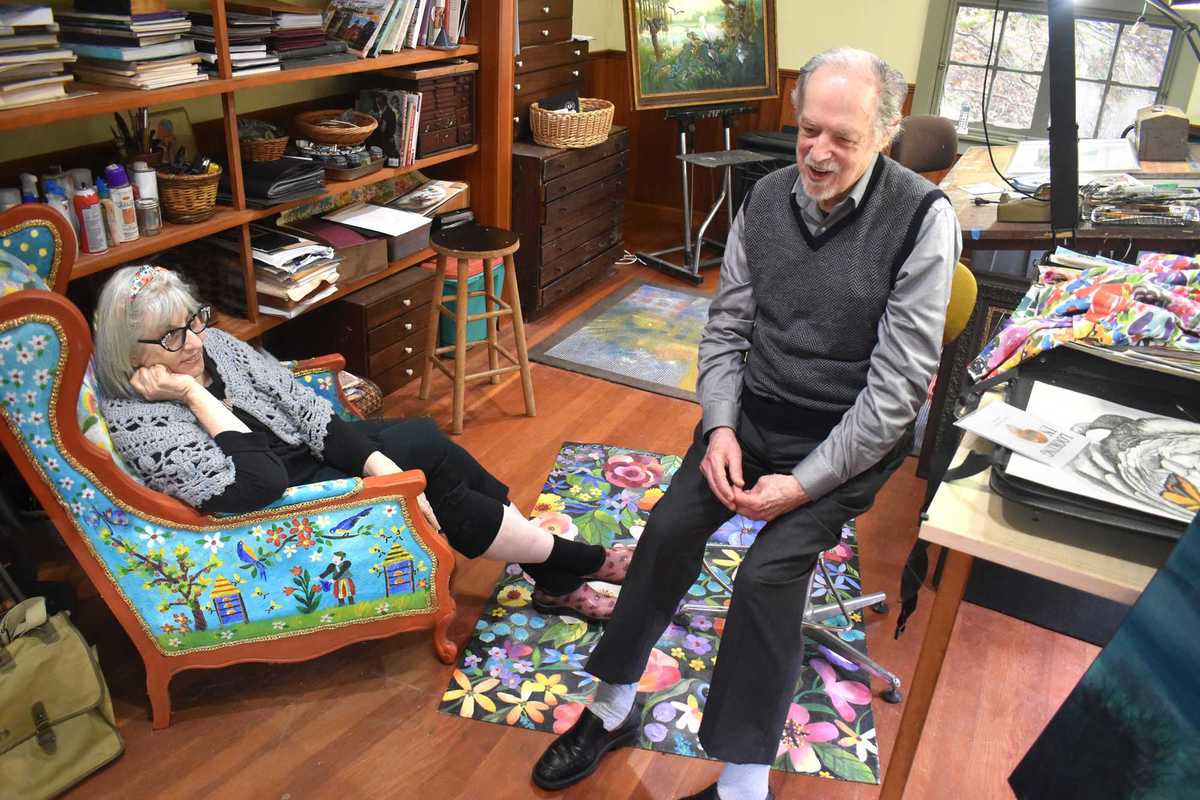
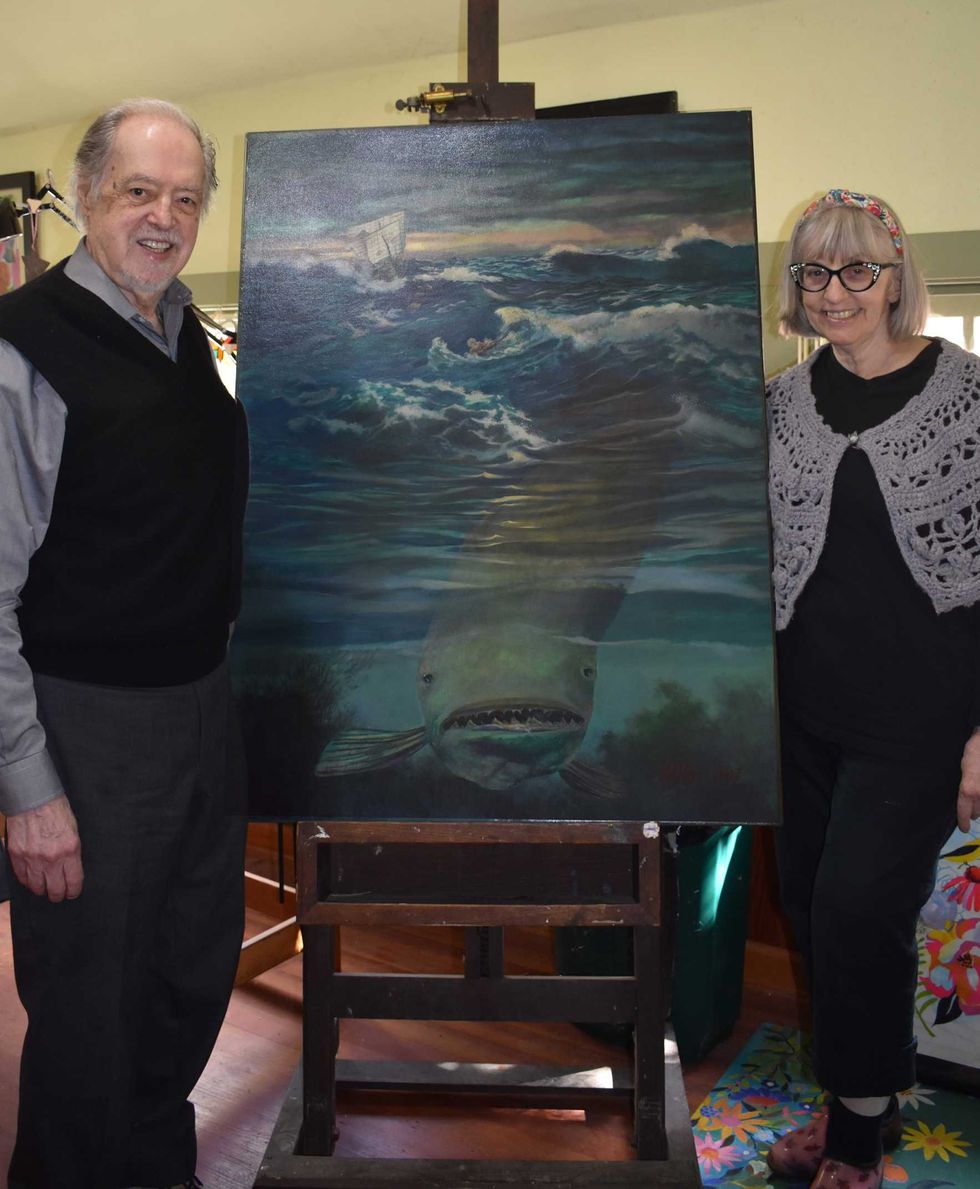 Justine and Victor Valla in their studio with a painting of Victor’s,”Jonah and the Whale.” Robin Roraback
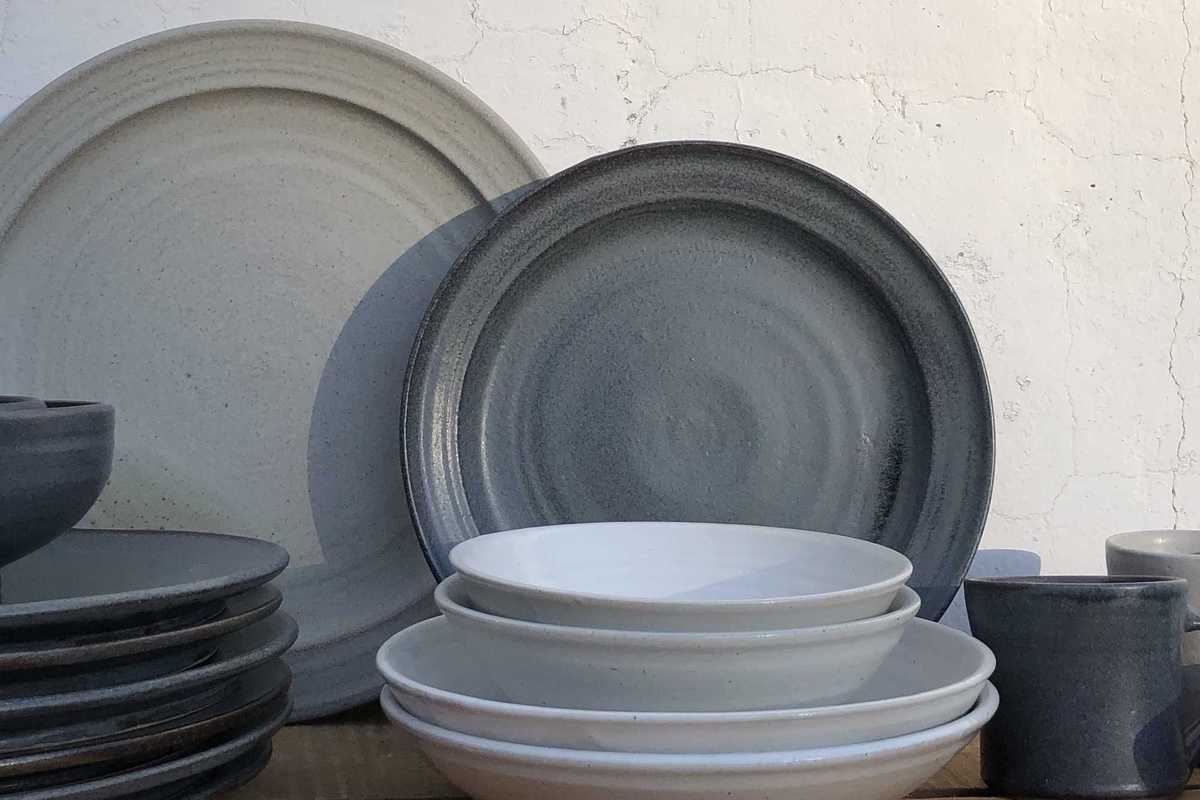
 A ceramic vase by Kathleen Heidemann.Provided
 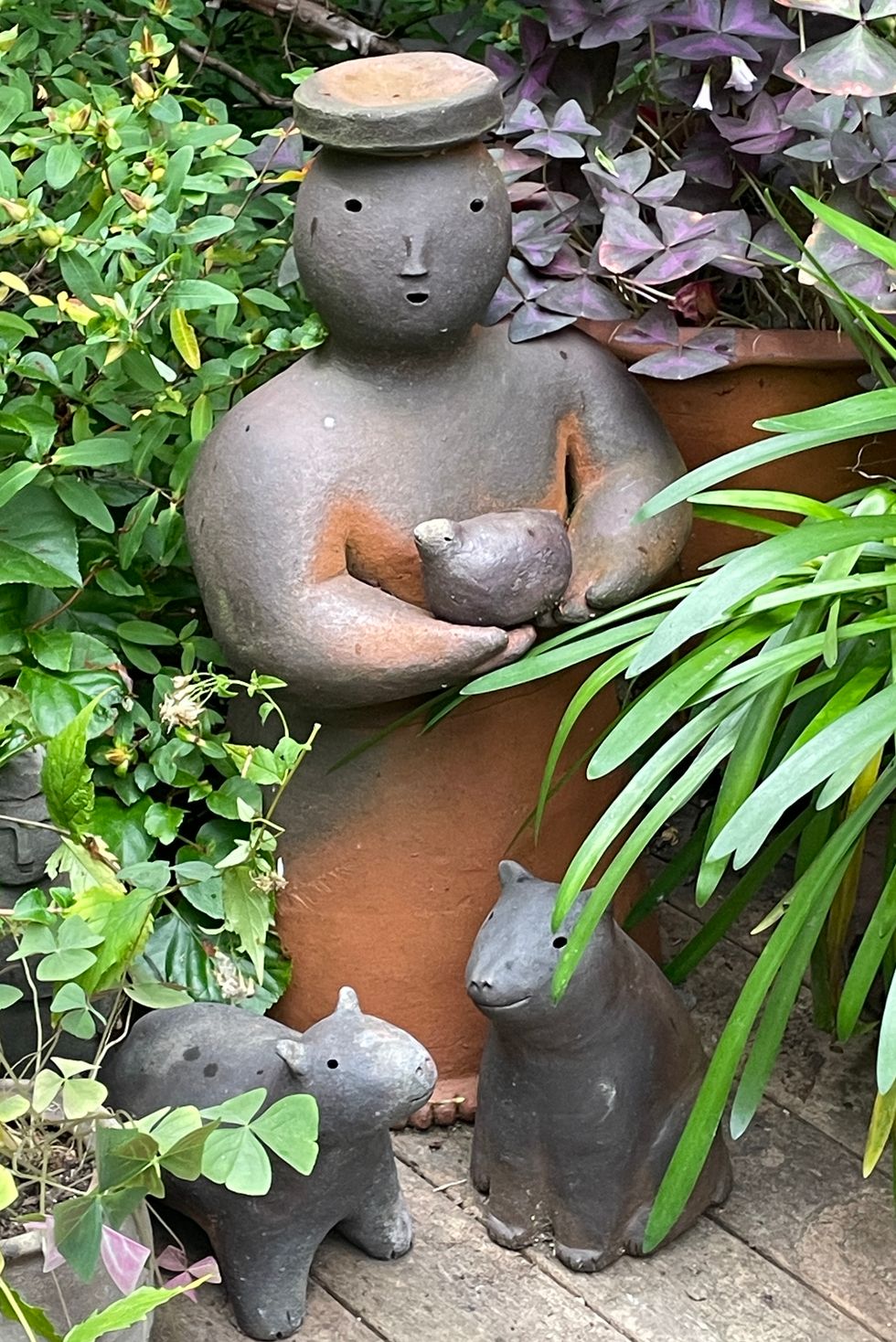 Joy Brown’s delightful ceramic sculptures.Provided