I fear we’ve all got it wrong. The changes we are seeing are not about traditional authoritarianism nor about new-Nazism, nor fascism. To understand the global changes we’re seeing, you have to go back into history to see the great expansions, the great empire building, the great periods of innovation and discovery. I am not sure which came first, happenstance technological innovations or the need for those innovations but the outcome was always the same: conquering of new peoples, socio-economic benefit at home with the advantage of exploitation abroad, and, never least, corrupted morals in the headlong pursuit of riches for nations and the very few. If you have any doubt of that, just look at the stately homes of Britain — all bought, paid for, off the backs of the labor of the poorest and other countries’ peoples and resources.
Out of the Industrial Revolution in Britain came iron rule of the seas, the British Colonies, and pillage of resources and labor across the globe. Sure, much was undertaken in the name of the East India Company (a quasi-governmental corporation), but Belgium had a similar foreign enterprise in the Congo, Spain in S. America and Meso-America, France in parts of Africa and S. America, Portugal in Brazil, the Dutch in the East Indies and India, Russia in northern Europe and the Balkans, Italy in Ethiopia, and so on. China and Japan went for self-isolation (much as Trump professes to be doing for America — which may be a ruse) and it took China and Japan 150 years to change their minds and come out roaring and causing global instability.
To see where we, as a planet, are heading, you have to stop and ask the purpose of the sudden, dramatic, expansion of new inventions, the huge financial profits and benefits only flowing into even newer technologies for their owners. Specifically, technology is now making the impossible possible and that is raw power that has no control. Like the products of the Industrial Revolution (steam power, electricity, metalworking, inventions galore), today’s new tools are the backbone of the new elite, the new barons of industry, and they are following a well tread path of past industrialists of conquer, subdue, reap rewards only for the few and their hangers-on. To do that, they either have to control the power brokers and governments or they have to so corrupt the political systems across the globe so as to gain free reign over the resources they need to achieve their goals.
The earth will suffer. Culture will suffer. People will suffer. Take Britain’s 1800s past for example: Think of the pea-soup smog fogs in Britain, think of the Victorian cultural strictures, think of the 75-year battle to outlaw slavery, most of which was a British enterprise at the time — although Portugal, Brazil, Spain, France, and the USA were deeply involved. Think the suffering of the new industrial revolution is over? See the modern pea-soup smog in Beijing? Or today’s famine in Gaza and the Sudan? How about the Ukraine? The current list is long and lengthening.
Now we see Putin, Xi, Modi, along with a handful of world leaders including Iran, Slovakia, Malaysia, Turkmenistan, Tajikistan, Serbia, and North Korea chumming it up as they begin the industrial two-step of carving out personal (not national) power possibilities. Some of those possibilities may well be setting conditions for populations to decrease as reliance on machines becomes commonplace (factories) — why have to support the poor? Some of those possibilities may be medical advances to only prolong the lives of the richer elite at the cost of stopping vaccines and better medicine for the masses (think R.F. Kennedy Jr.). And, top of the list of control changes these new industrialists are pushing is cultural control. They know they have to change our open liberal society — forged at the close of WWII — to a more controllable one. And so perversion of the media is paramount across every platform. All across the planet, culture is under attack, from killing journalists, to book burning, to twisting facts and truth. It is not just in America, although here in MAGA world, that is plenty obvious.
This new industrial revolution has set out to change the globe, destroy liberal morals, build the elite, and change followers into believers desperate to “fit in.” Brown and black shirts of the 30’s become red hats with acronyms. The evidence is already there, but most western media is focused on the truthful day-to-day legal/political travesties, the political corruption of elections, the buying up of media conglomerates, and sexual deviant stories all the while the new barons of technology enjoy the political and media smoke screen to hide what they are truly up to: strategizing, globally, with allies, to secure a non-liberal future at the cost of most of the mores, values, and chances for most of us. Ask 99% of the British, French, Dutch, Spanish populations in the mid-1800s if they had any living comfort, control, or life-expectancy hopes and dreams. Ask their kids back then, many in forced labor, or families in debtor’s prisons.
It was not by accident that the great culturalist Charles Dickens wrote the industrial-age moral truth of these elitists in “A Christmas Carol,” quoting Scrooge: “If they would rather die, they had better do it, and decrease the surplus population…” Sadly, his words ring evermore true today.
Peter Riva, a former resident of Amenia Union, New York, now lives in Gila, New Mexico.


 Firefighters and other uniformed first responders stand alongside flag bearers during Stanford’s ceremony marking the 25th anniversary of the Sept. 11 terrorist attacks. Nearly 3,000 American flags covered the hillside at Stanford Recreation Park.Photo by Graham Corrigan
 Bean Bank Coffee is now open at Freshtown Plaza, offering drive-through service with a selection of pastries, coffee and tea.Photo by Leila Hawken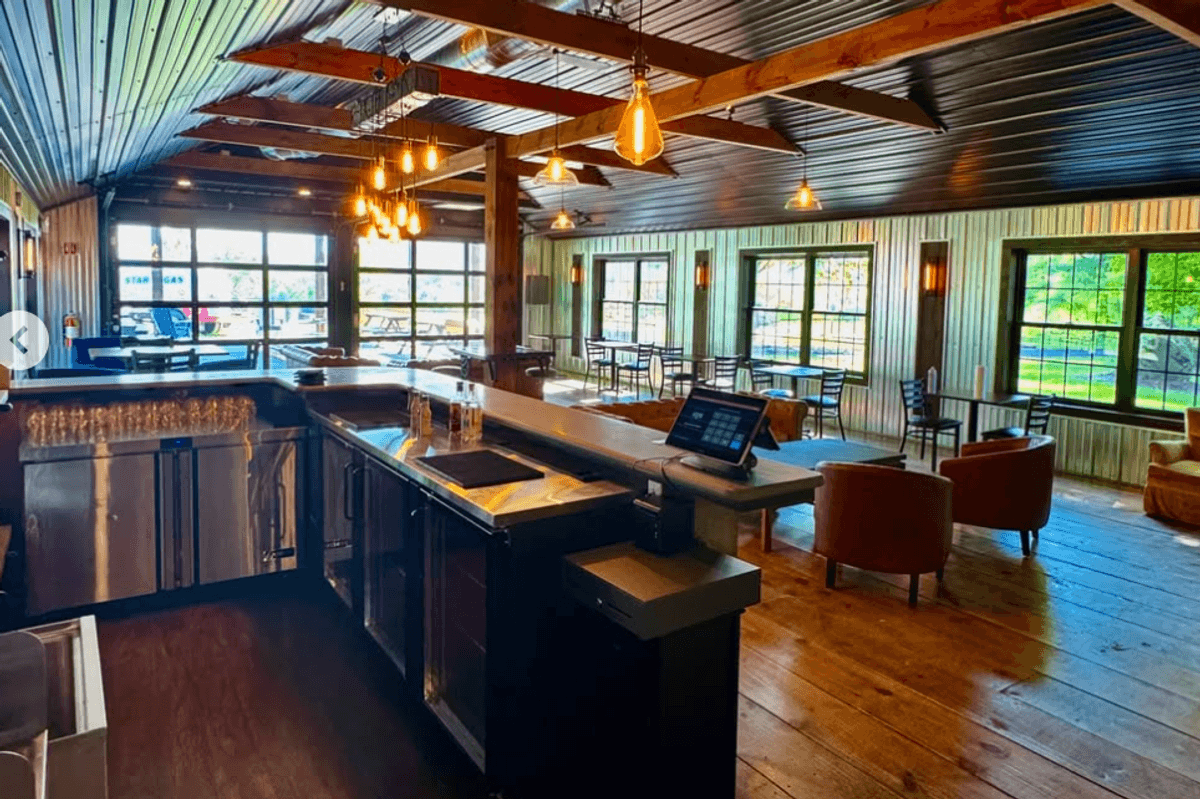

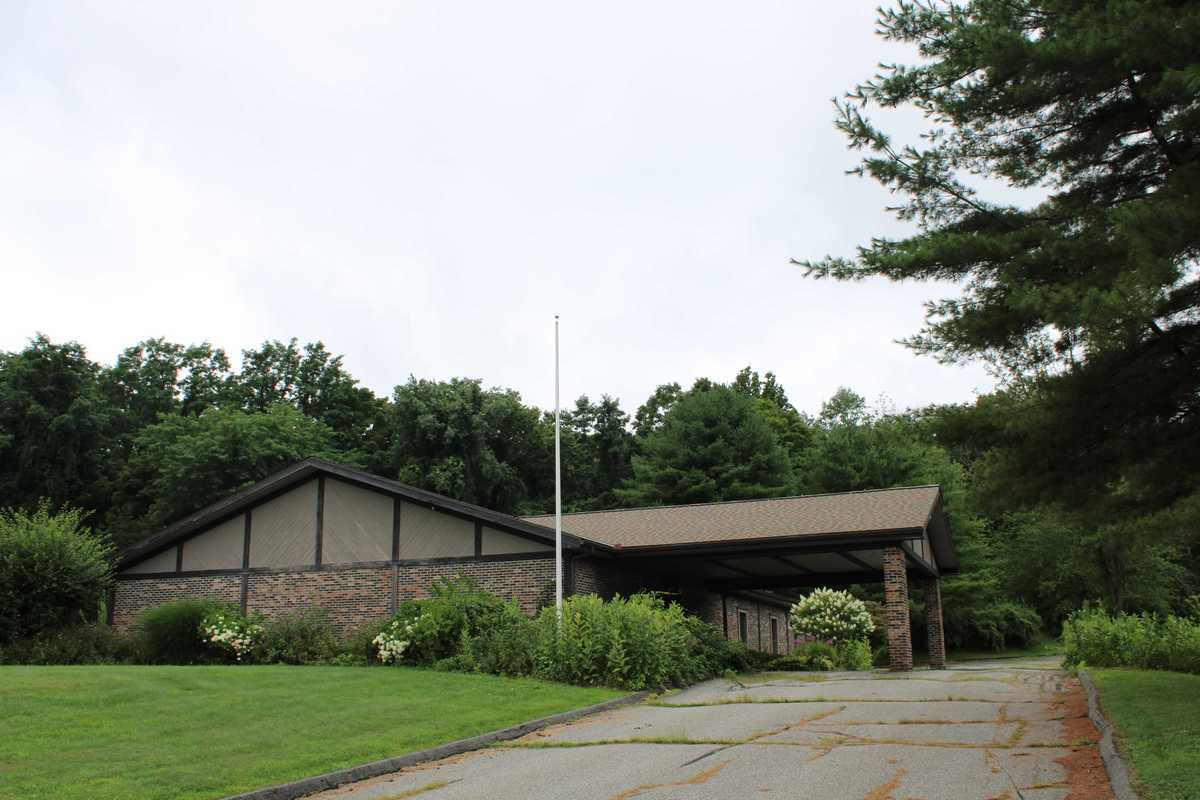
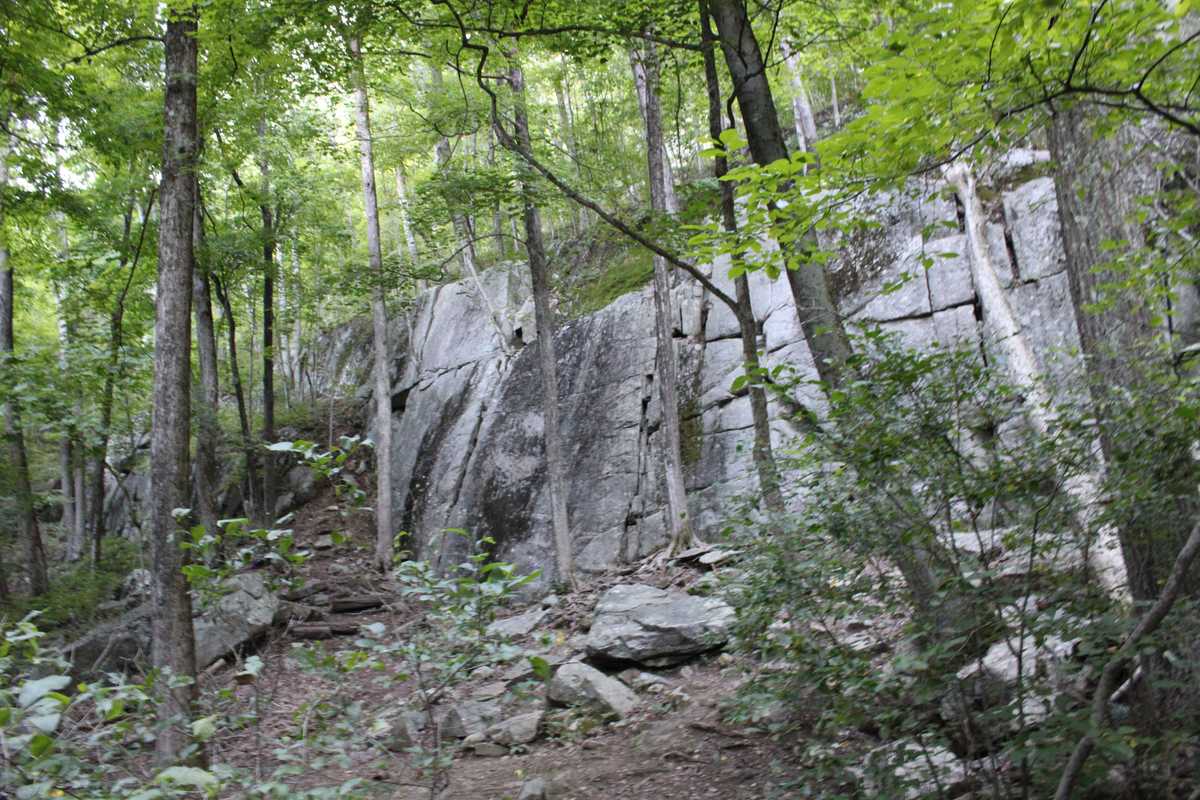
 Emergency responders gather near St. Johns Ledges in Kent on Thursday, Sept. 10, after a 30-year-old rock climber fell to his death.Photo by Graham Corrigan