A happy day on the trail all starts with a good night’s sleep the night before. That’s local trekking guide Mat Jobin’s mantra, and he affirms that a good night’s sleep is possible even if it has to be on the trail itself – with the right preparation, that is.
Jobin, of Simsbury, Connecticut, is a 16-year professional guide and the founder and owner of Reach Your Summit, an outdoor experiences company that promotes self-confidence and leadership skills through a variety of excursions and educational workshops in the forests of New England. On Saturday, April 11, Jobin hosted the inaugural Campsite Selection & Skills workshop just off the Falls Village section of the Appalachian Trail.
While preparing for the course, Jobin said that the underlying principle of his workshops is to help make the outdoors more accessible and enjoyable for people by teaching them the skills they need to be prepared. He explained that the point is to make mistakes, “but doing it in a safe environment rather than making all the mistakes I made growing up without having anyone to provide me with guidance and feedback.”
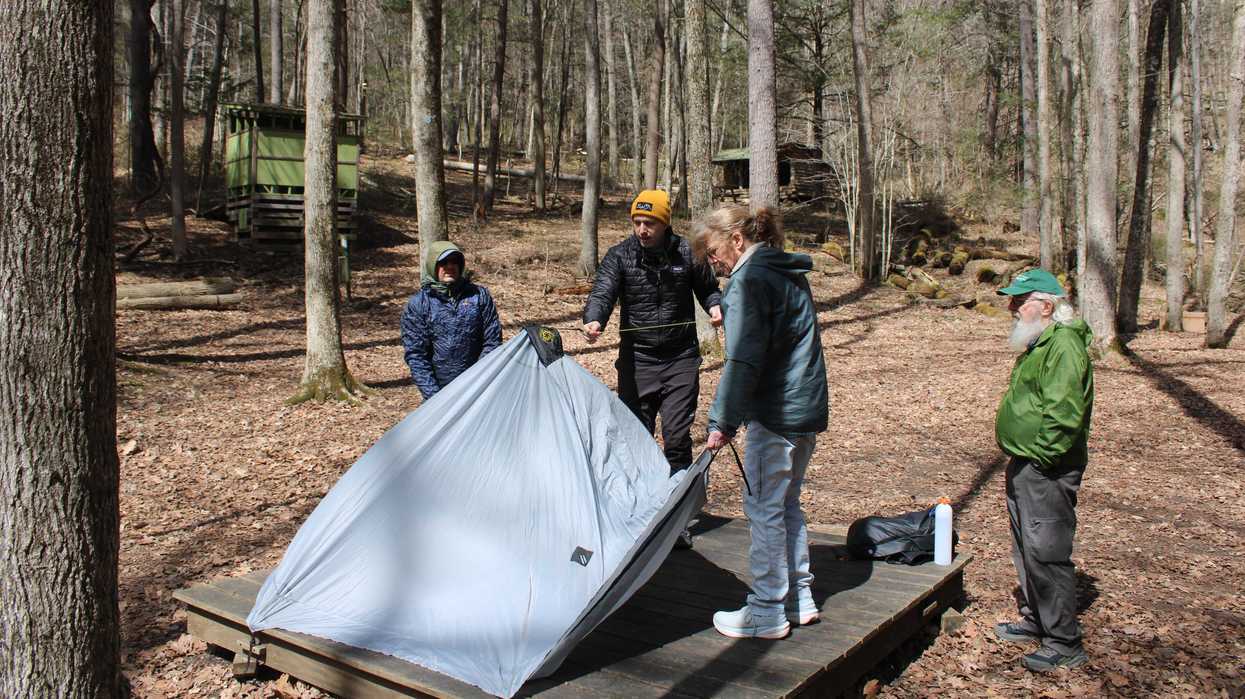
Saturday’s course was all about “how you can get a better night’s sleep” when you overnight on the trail, Jobin told Mike, Karen and Andy, the three attendees whose experience varied from beginner to experienced shelter-setters.
Even though the weather was fair, fast clouds hid the sun overhead and blustery winds tore through the spacious grove surrounding the Limestone Spring shelter site, a hiker’s resource managed by the Appalachian Mountain Club. Jackets were zipped and arms crossed as the group braced against the chill.
Jobin explained that while not the most comfortable conditions to spend a day standing around in the forest, the weather made for a good learning opportunity. If a camper set up a tarp shelter the wrong direction that evening, he said, it would mean a ruined night’s sleep, and subsequently a wrecked next day.
Jobin began with fundamentals, running through the essential figure 8 and clove hitch knots as well as the “bearmuda triangle,” a cheeky term for a campsite tenet that combines Leave No Trace sensibilities with wildlife safety.
The sleeping area should be positioned 200 feet from the cooking and food area, which should then be 200 feet from the bathroom site, forming a rough triangle. The whole system should be set back at least 200 feet from the nearest water source for minimal disturbance to the ecosystem, Jobin said.
He then instructed the group to account for weather and topography when choosing a site. On a cool, windy day like Saturday, use the landscape for shelter, he said, while during hot and buggy weather, campers may want to find a spot with more exposure. “Use nature to the best of your ability to provide comfort and safety,” he said.
Jobin then demonstrated several ways to use a simple tarp for a quick shelter on the trail, his preferred method given its versatility and that it offers a “deeper connection to the surroundings.”
While he hitched the tarp with some cordage to a system made of trekking poles and trees, the wind whipped through the site. “I’m going under this tarp when you’re done!” Karen announced over the sound of flapping plastic.
Once it was completed, she kept her word and huddled inside. “It works!” she announced.
For the remainder of the four-hour session, Jobin gave tips on how to set up a tent on a wooden platform, the reason he had chosen the Limestone Spring site for the course. He also taught the group how to rig a hammock system using trees and safe food storage using bear bags and bear boxes.
He urged the group to practice their shelter setups in a variety of weather conditions and locations as often as possible before debuting a system miles from the trailhead. Backyards and local parks, where allowed, are great options, he said.
“My whole thing is helping people feel more prepared and comfortable when they’re heading out, and not having to learn from really bad situations or mistakes when they’re out there for the first time,” Jobin said.
Saturday’s class was the first of its kind for Jobin, though he said he expects to run other similar campsite selection and safety workshops in the future. It’s just one of many experiences Reach Your Summit offers, which range from hiking essentials courses to 5-day backpacking adventures. A complete list of the company’s offerings can be found on its website, www.reachyour
summit.net.







 Tiffany Lemelin, shelter manager, brushing Marsala upon arrival.Provided
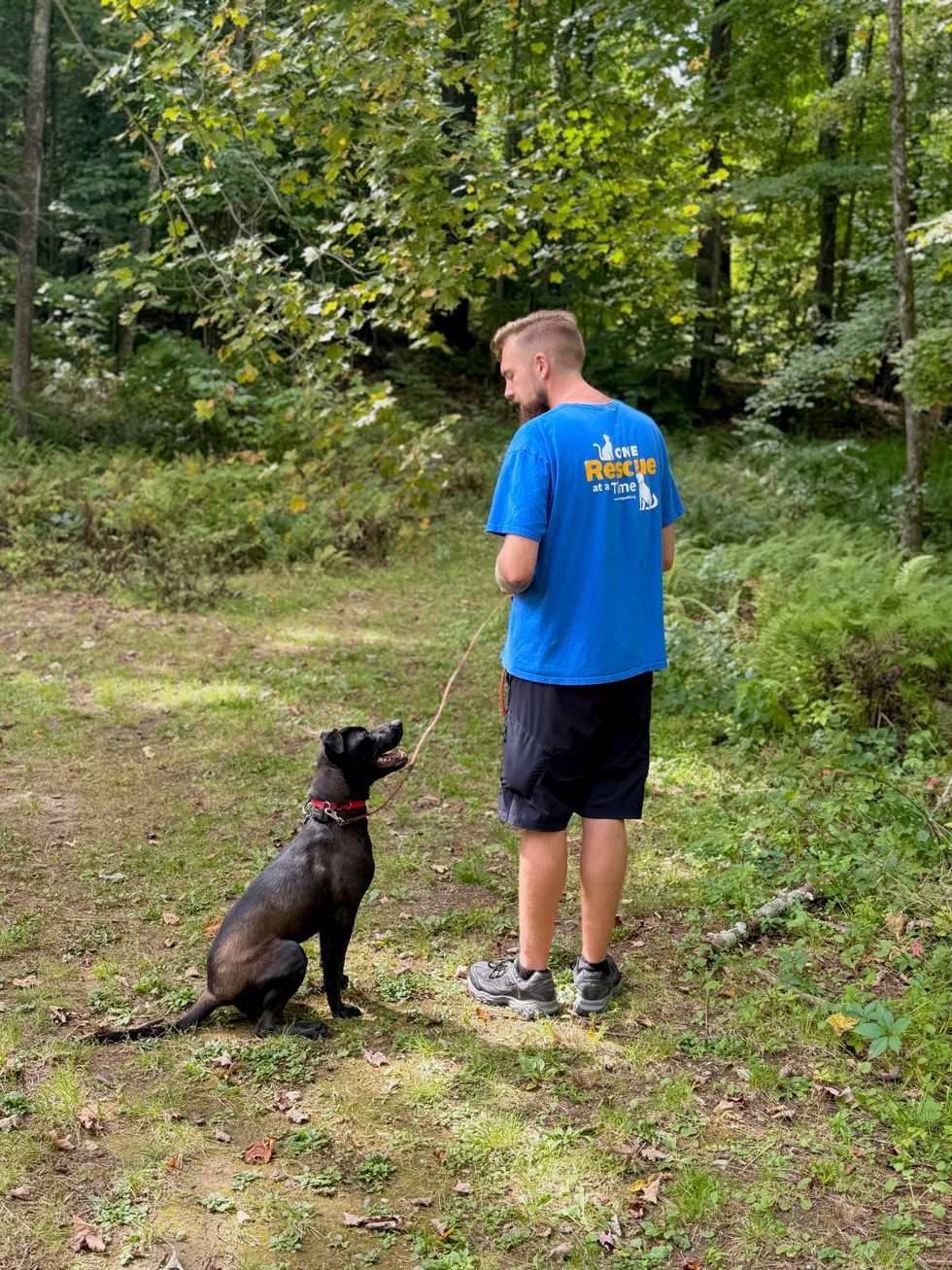 Michael DeBarba, certified dog trainer working with Marsala.Jennifer Almquist
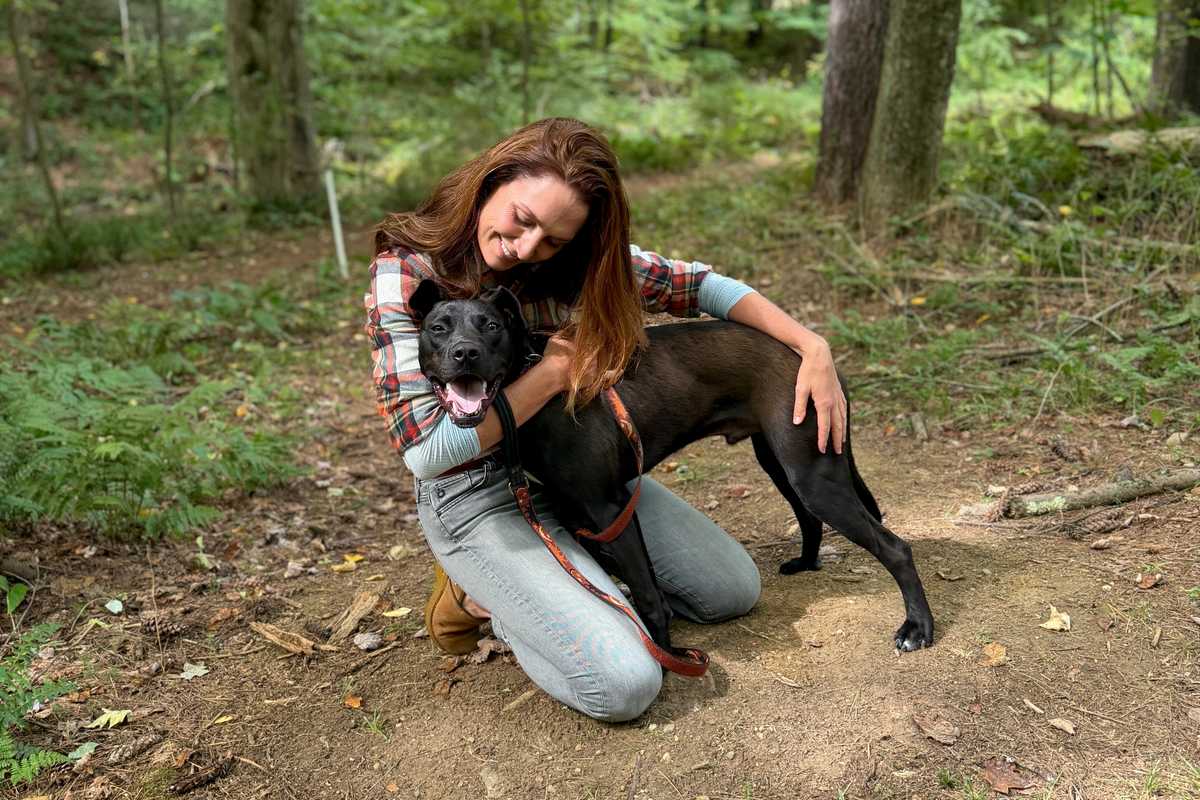 Marsala wins a heart.Jennifer Almquist
 Sadie, center, a Carolina dog, plays with her friend Negra, a terrier mix. Bella Linda, the small poodle, has since been adopted.L. Tomaino
 Wesley, a young, exuberant mix, is looking for an active home.L. Tomaino
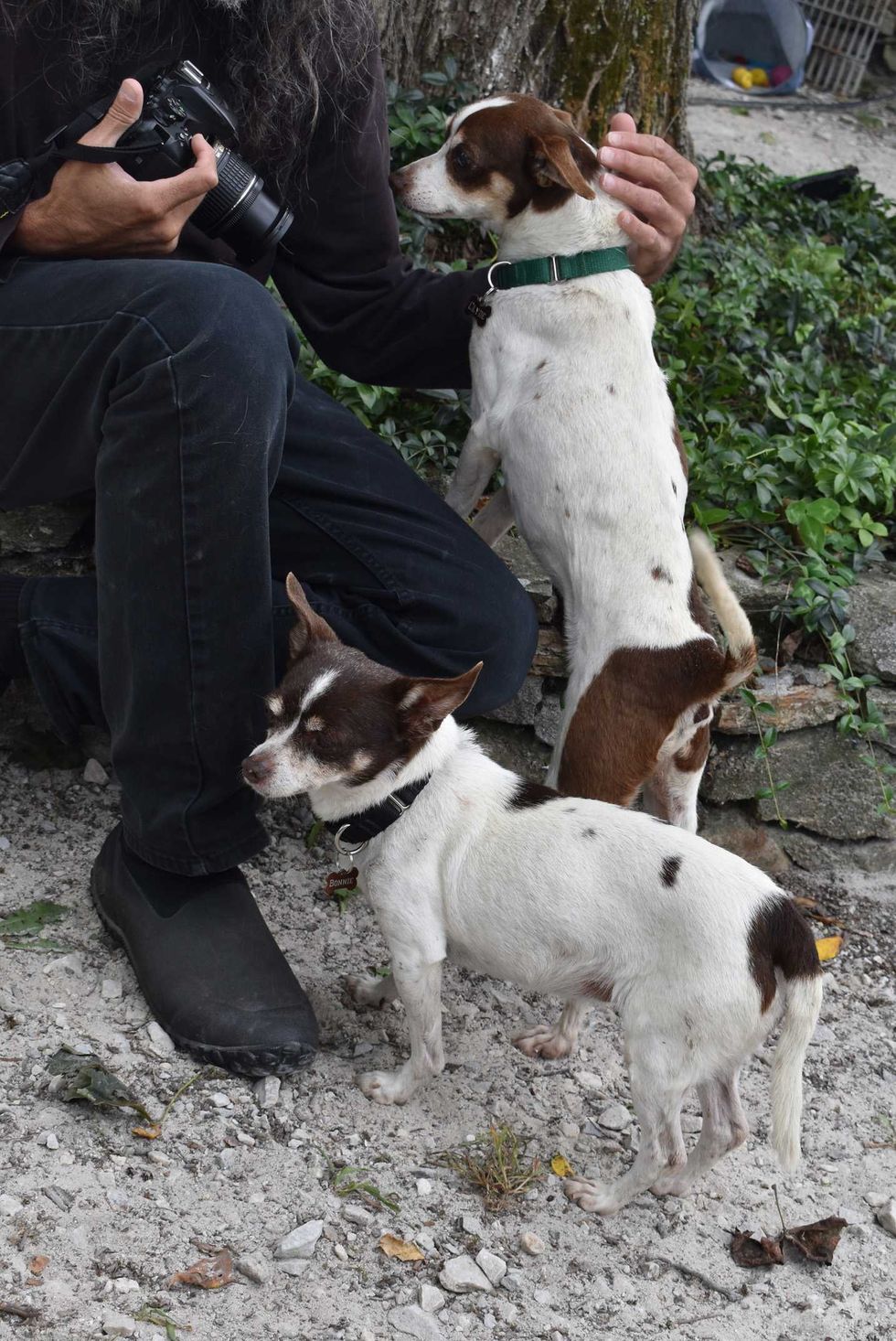 Bonnie and Clyde, an affectionate terrier pair.L. Tomaino