Thank you!
Your gift keeps The Millerton News in our towns.

Wassaic Project co-founder Eve Biddle presents her “Field Notes”

Wassaic Project co-founder Eve Biddle presents her “Field Notes”

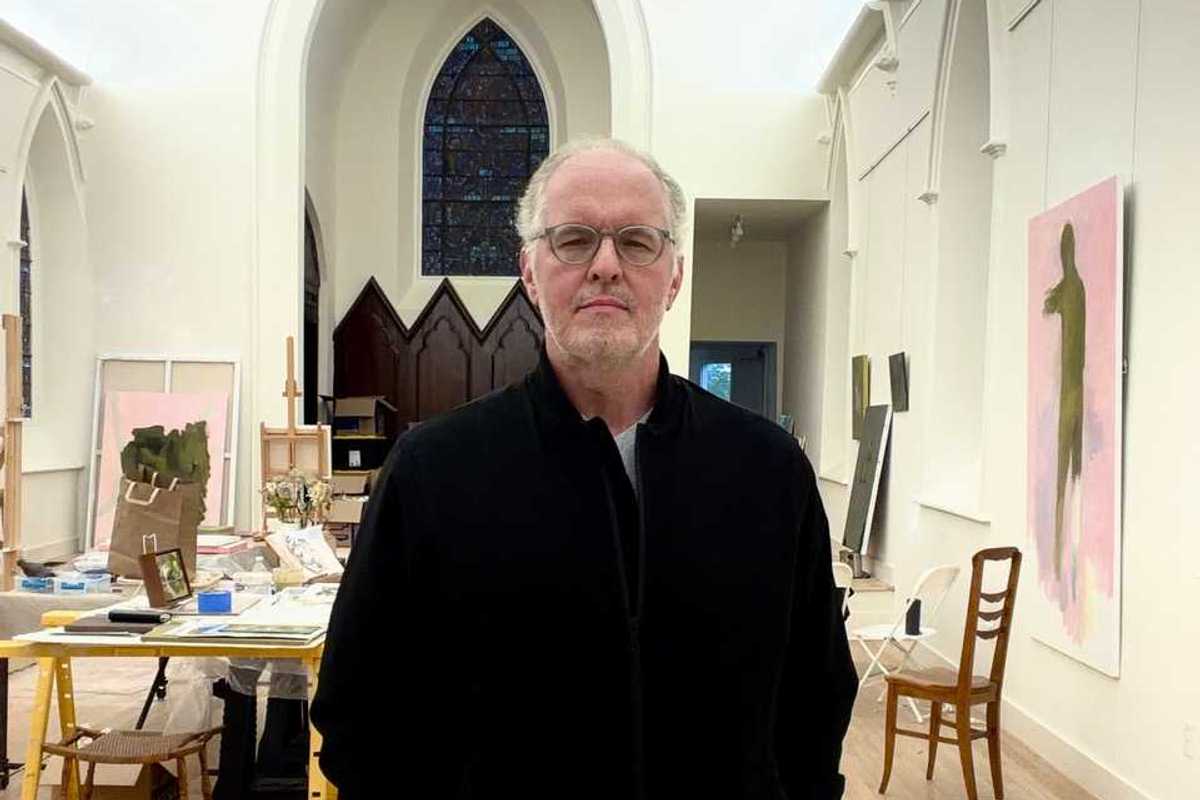
Artist Eve Biddle and Tremaine Gallery Director Terri Moore.

D.H. Callahan

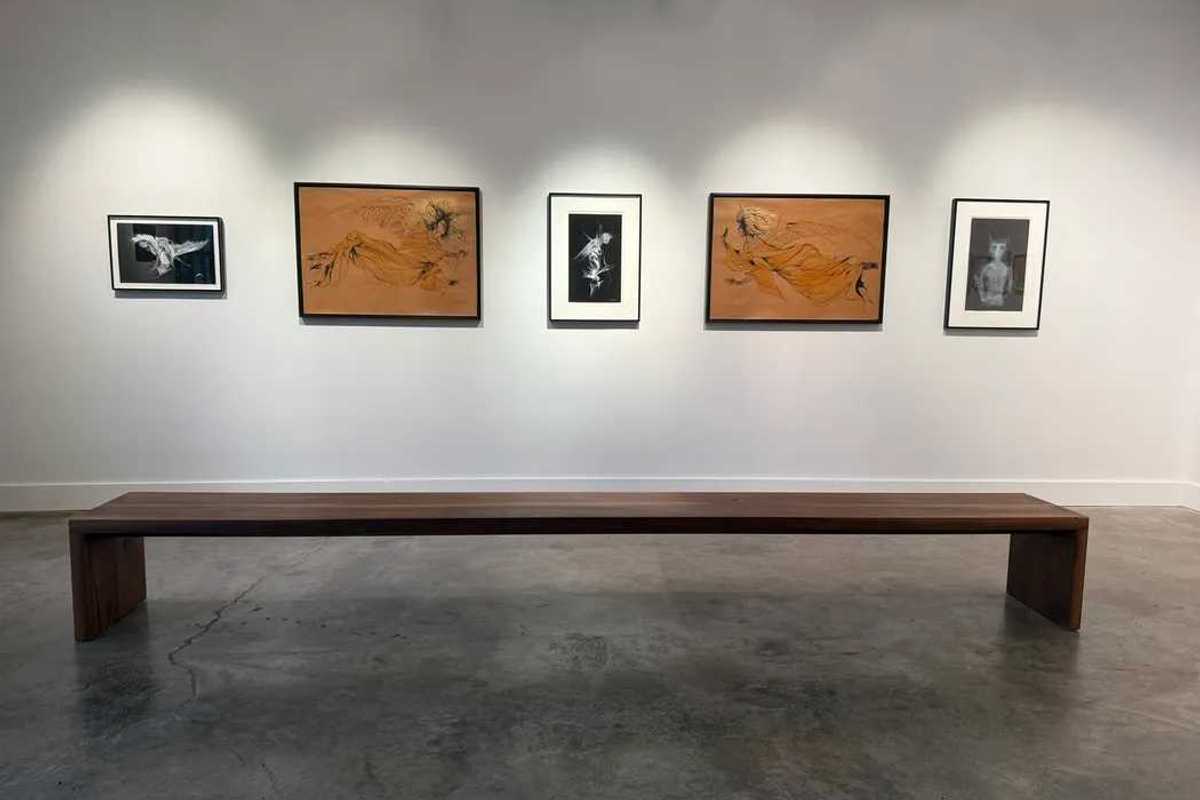
On Wednesday, Sept. 2, the Tremaine Gallery at the Hotchkiss School in Lakeville opened its new show, “Field Notes,” with works by multidisciplinary artist Eve Biddle.

Biddle is best known in the area as one of the founders of the iconic Wassaic Project in the hamlet of Wassaic, New York. The project, which is part art incubator, part gallery, part studio and a whole lot of community, is housed in an old converted grain elevator right next to the Metro North train tracks. It’s credited by many as the spark that revitalized the hamlet, which now boasts a craft bakery, a curated wine and liquor store, a pizza hot spot, the Lantern.

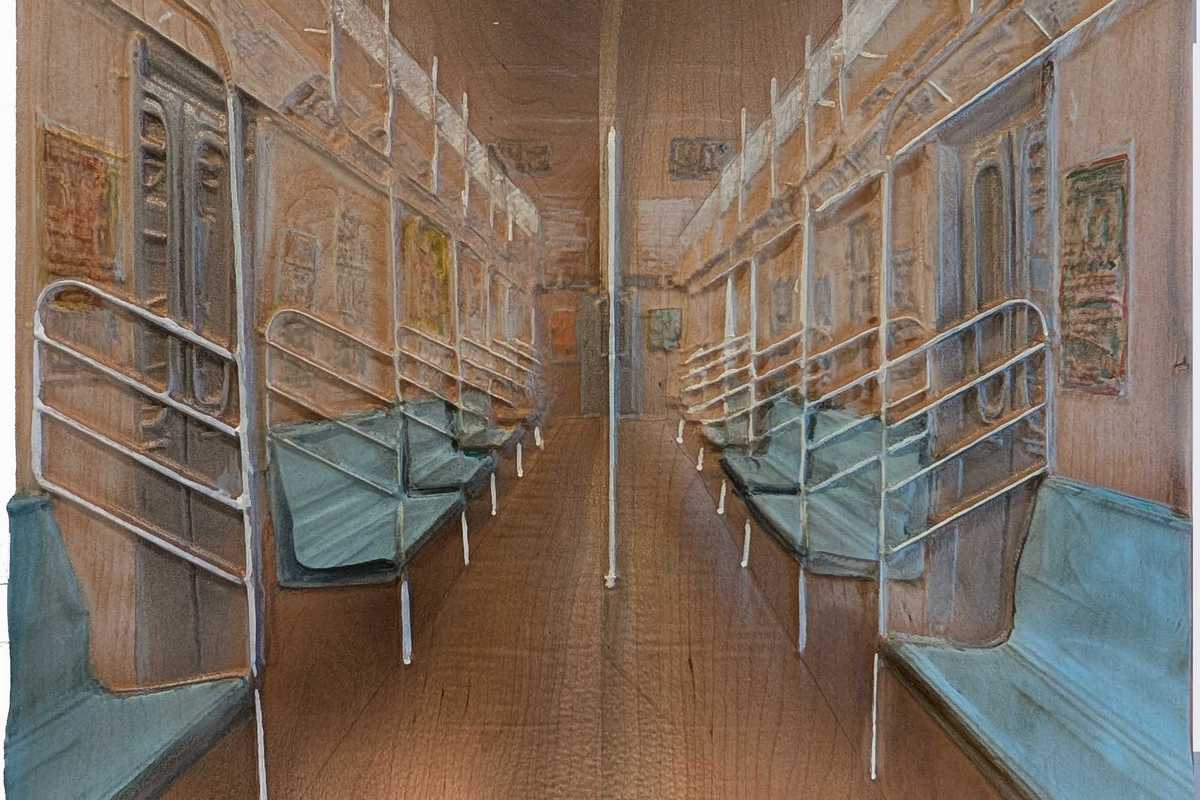
But Biddle is not just a community builder. She’s an artist herself with a robust tool belt of skills. Of those tools, sculpture, object-making, photography, and screen printing are highlighted in “Field Notes.” It’s partially due to her robust skillset, and multiple medium pieces that she hesitates to call herself a sculptor or photographer. Biddle is an artist, and to her, that means finding ways to bring her ideas to life, independent of specific disciplines.

The ambiguity of her categorization can be seen in her work as well. She seems to focus on the space between what is natural and how the human hand, or even technology can alter it in ways that turn it into art. One piece features a picture of flowers growing in the dirt. But Biddle takes this natural, innocuous plant and processes the photo through software that allows her to use small dots to rebuild the image, then silkscreens the result onto board. Yes, it’s still a photo of flowers, but it’s been manipulated by man and machine to create something unlike its original form.

Clearly, the artist’s hands play a major role. This is sometimes implied in the imperfections of a ceramic sculpture, or in the knowledge that she held a camera to snap a shot, but it’s also literal. Multiple pieces feature her hands, and the hands of fellow artists interacting with or even manipulating nature. While just one of many apparent themes in “Field Notes,” it’s even more central in Biddle’s show at the Portland Museum of Art in Maine, which runs through January of next year.

Her hands can also be seen in the finger imprints she left on a cast of a spine. The sculpture was made of molten glass poured over a sand and silica mold at the RISD Hot Shop in Rhode Island. The thematic implications of a glass spine that resembles an amorphous jellyfish might make a Hotchkiss art student want to raise their hand, confident they have the right answer. Biddle rejects the notion of right or wrong meanings in art and doesn’t see it as the artist’s job to define it. It’s one of the reasons the show features snakes, which have been used throughout history to mean wildly different things. Are they evil incarnate, or do they represent fertility? Both can work depending on your perspective.

These are some of the intangible lessons that Biddle and Tremaine Gallery director Terri Moore want to impart to the students. Beyond Biddle’s show is a short tenure as Hotchkiss artist in residence, but she’ll be the first to point out that she is not a teacher. That’s exactly what Moore is looking for. She wants the young artists to get experience from a working professional who has not trained to teach. From Biddle, students will get a different perspective than the ones they’re used to from faculty. And thanks to her role in facilitating the growth of young artists at the Wassaic Project, she might be the perfect person for such a task.

“Field Notes” will be on view at the Tremaine Gallery through Oct. 18 with an opening reception on Saturday, Sept. 19. and an artist’s talk on Thursday, Sept. 17. To learn more about Eve Biddle, visit
evebiddle.works.
Latest News

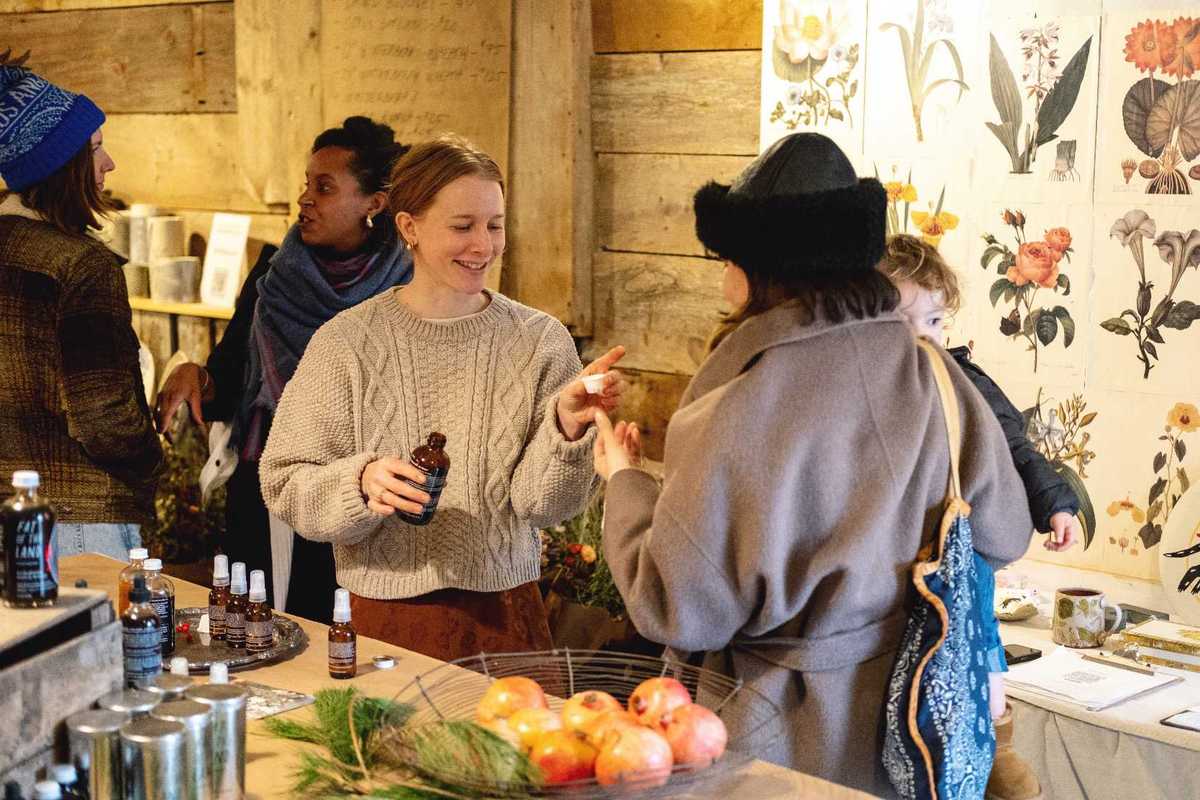
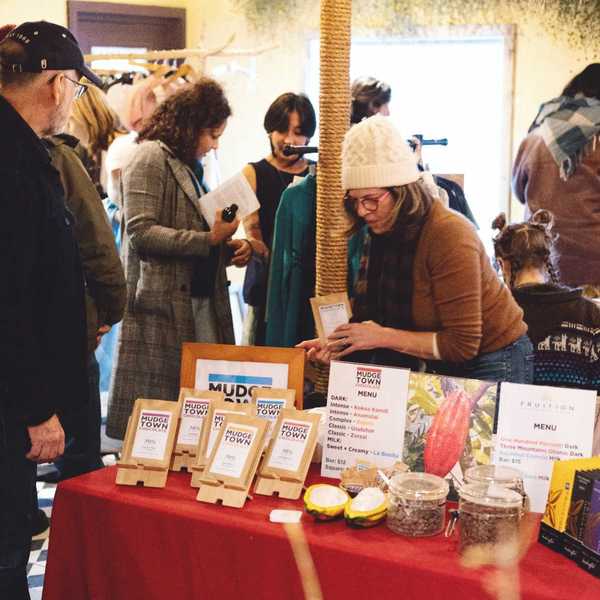
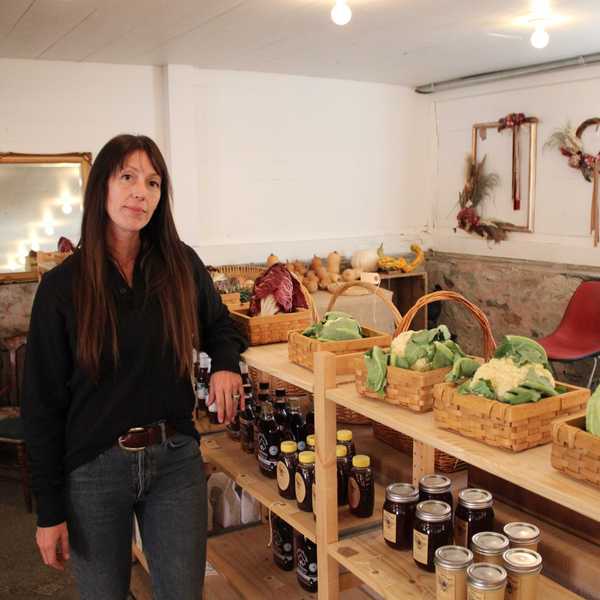
Farm & Friends: a holiday market that gives back

The Farm & Friends holiday market returns Nov. 21 and 22, featuring local makers, food producers and seasonal gifts.

Provided

According to PBS, “More than 5 million people have lost their Supplemental Nutrition Assistance Program, or SNAP, benefits since President Trump’s so-called One Big Beautiful Bill passed last year.” Combined with rising costs and new eligibility requirements, these cuts have placed additional pressure on families struggling to make ends meet. As more people turn to food banks and pantries for assistance, local farms are playing an increasingly important role in meeting that need. Hungry Reaper Farm in Morris, for example, supplies food and CSA shares to a variety of nonprofit organizations and schools.

In Dutchess County, The Webatuck Valley Farm Collaborative is working to strengthen the pipeline from farms to foodbanks. Led by Rock Steady Farm, Sweet Freedom Farm and Wildseed Community Farm and Healing Village, the collaborative hopes to double the infrastructure capacity for at least 15 local farms. This will allow them to increase supplies for food pantries and regional schools while expanding the farms’ reach to industrial buyers and distributors. By their estimation, the food hub “will supply and impact 9 school districts, 13 food pantries, and partner with 6 institutional buyers and 8 aggregators and distributors.”

Keep ReadingShow less
google preferred source

Want more of our stories on Google? Click here to make us a Preferred Source.

Under the big top at Full Circus Farm

Under the big top at Full Circus Farm

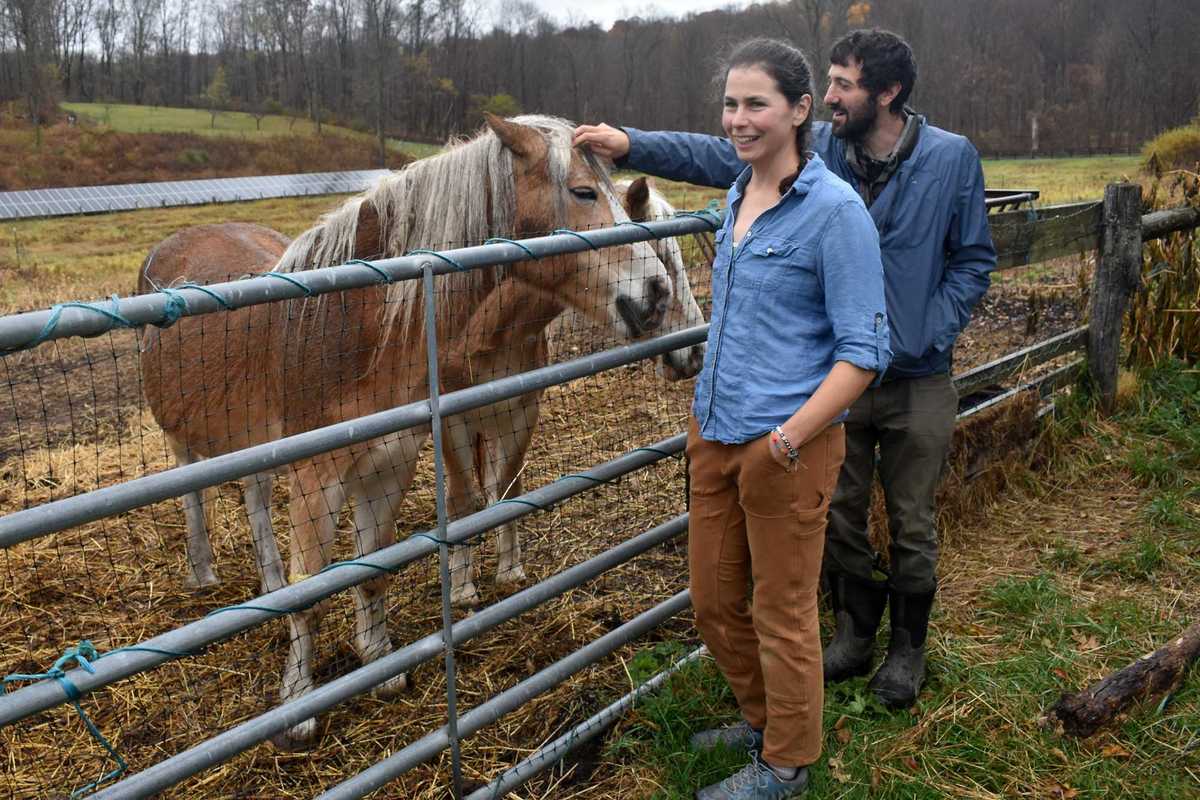
Miriam Goler and Mark Stonehill with their Haflinger horses, Sunshine and Sandy, at Full Circus Farm in Pine Plains.

L. Tomaino
We share this farm with such amazing human and nonhuman neighbors.
— Mark Stonehill

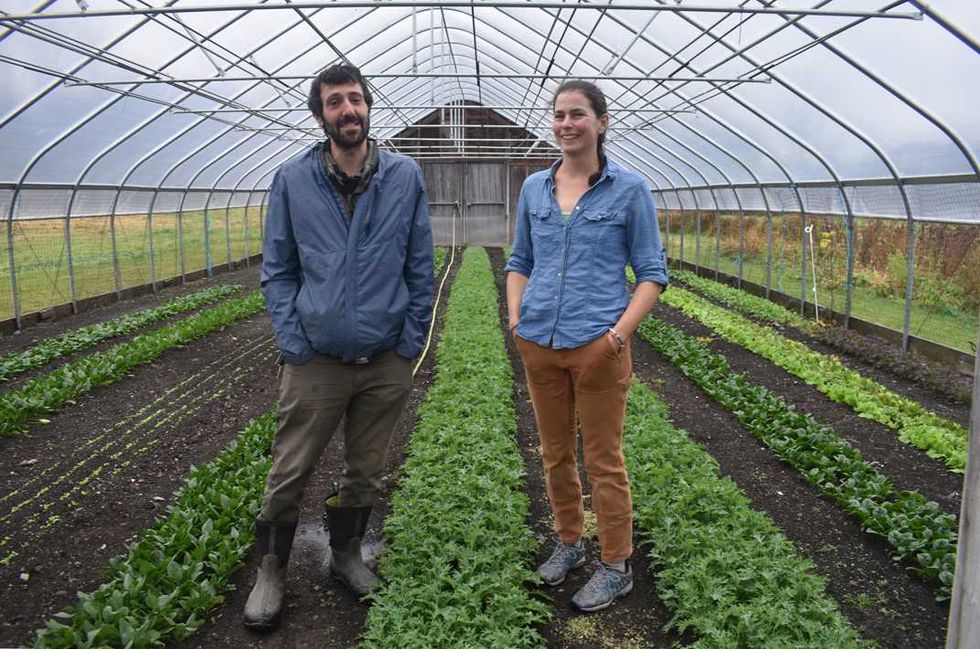
For Mark Stonehill and Miriam Stonehill Goler, the founder of Full Circus Farm in Pine Plains, farming has always been about more than what comes out of the ground.

“From the very beginning, we’ve envisioned the farm as a place not only for food production, but also merriment and community,” they said.

Keep ReadingShow less
At Ancram Center, community takes center stage
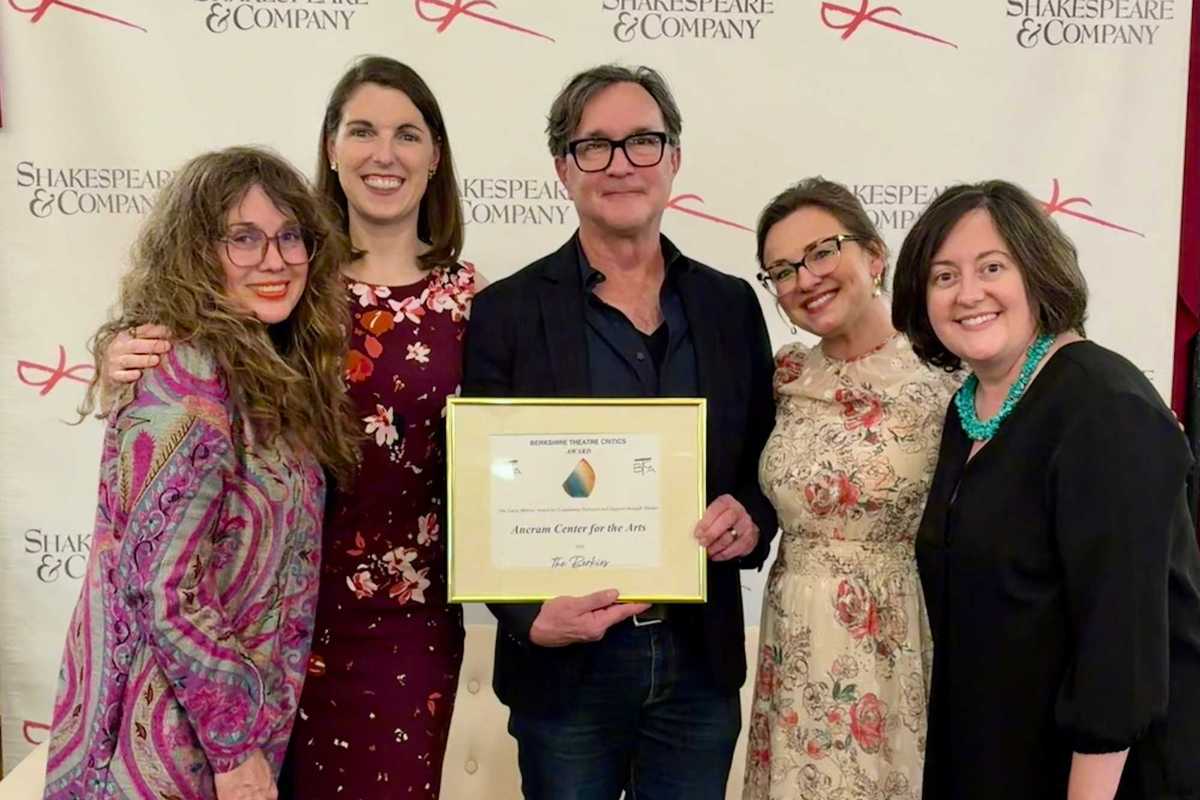
Ancram Center staff and teaching artists after the ceremony.From left to right,Simone Stevens, Sarah Katan, Jeffrey Mousseau, Erin Krom and Chris McCoy.
Provided

At the Ancram Center for the Arts, the stage has been host to numerous award winning professional actors, but it also often belongs to a neighbor with a story to tell. Other times, the performance moves out of the theater altogether, transforming a pond, a field or a corner of town into a stage.

That commitment to bringing theater into the community — and the community into the theater — has earned the Ancram Center the Larry Murray Award for Community Outreach and Support through Theater, one of the Berkshire Theatre Critics Association’s annual Berkie Awards.

Keep ReadingShow less
The Cornwall Whale resurfaces in West Cornwall

The Cornwall Whale is the brain-child of visual and experiential designer Lindsay Stadig.

Provided

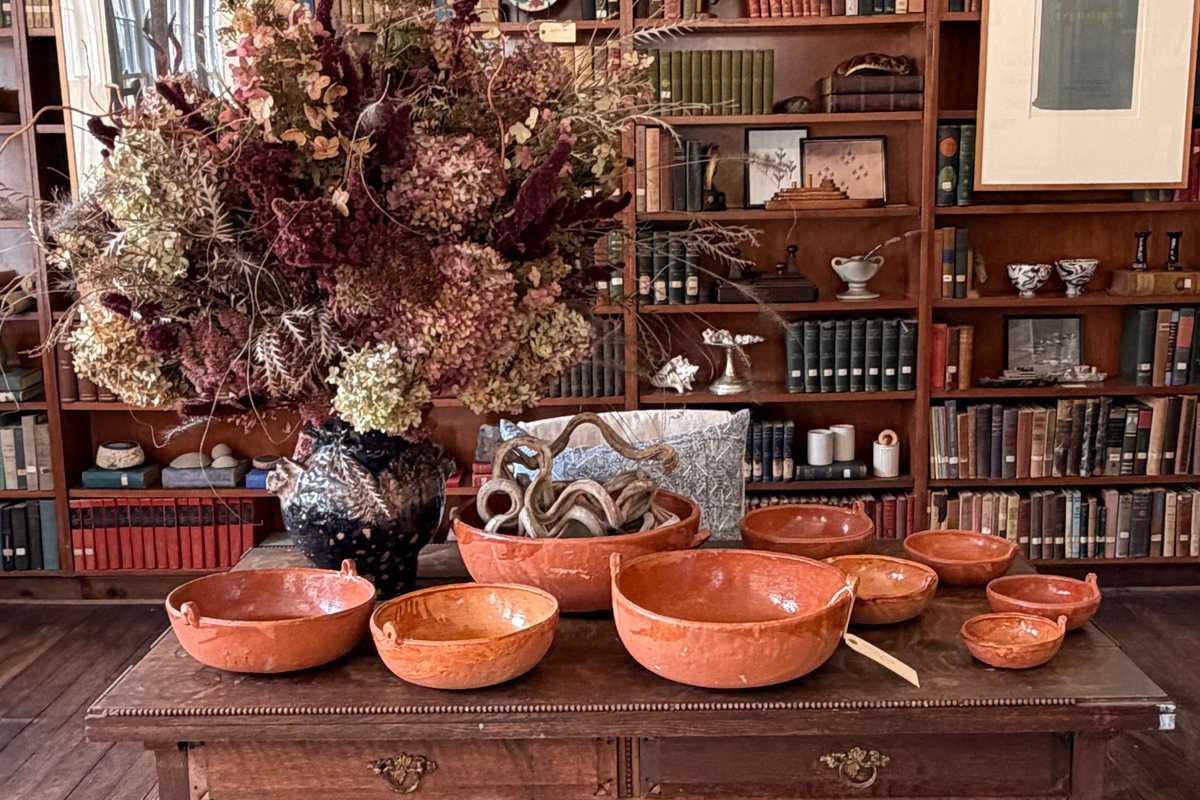
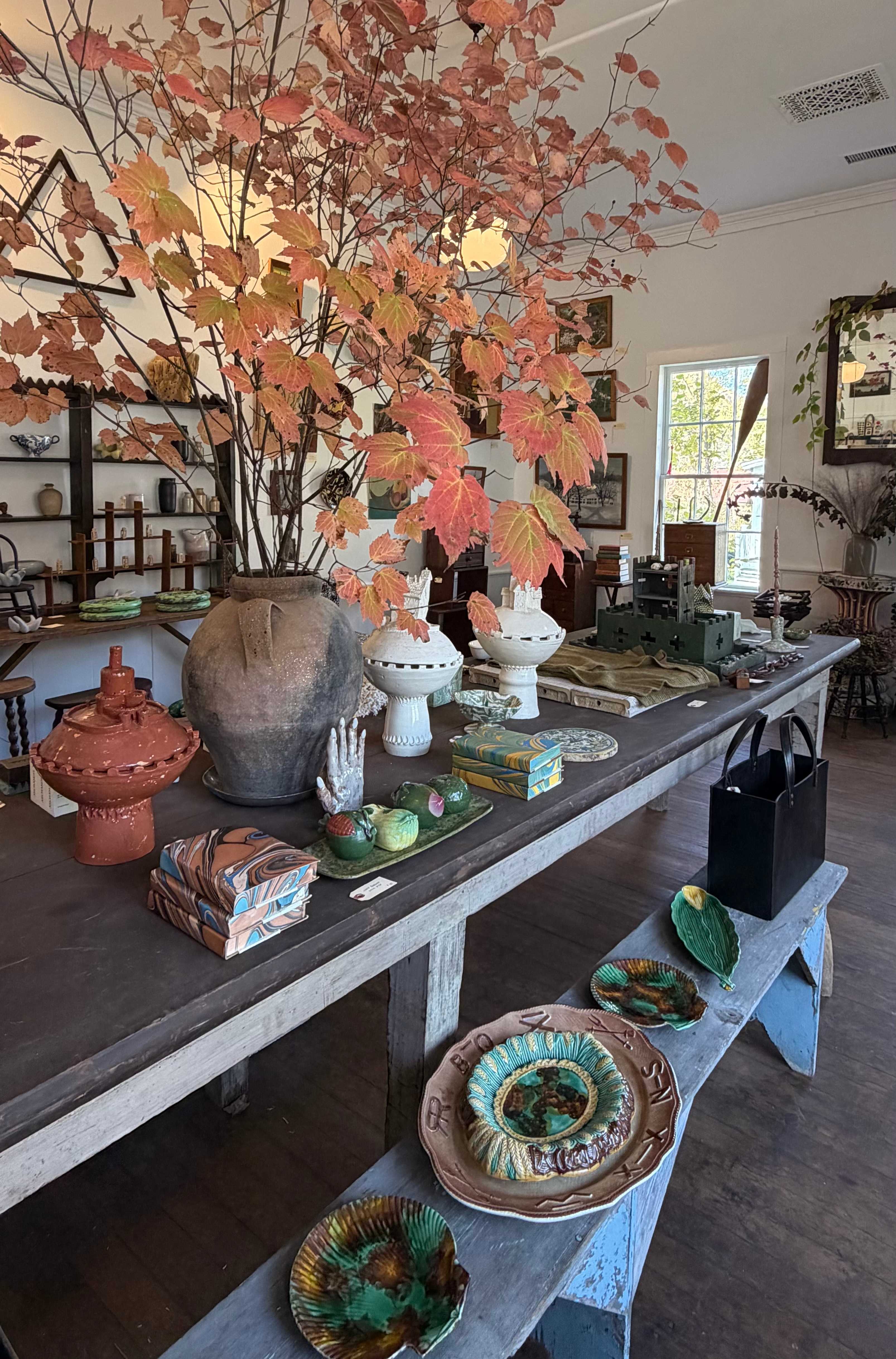
There’s something oddly familiar yet intangibly foreign about the Cornwall Whale. It’s not an interiors store, even though there are chairs and furnishings for sale. It’s not an art gallery, though there are paintings and sculptures occupying every corner of the space. It’s not a boutique, even with locally handmade shoes and carefully selected garments. No, The Cornwall Whale is something truly unique in the world of the truly unique.

The enigmatic shop popped up in the early winter of 2025 at the Hughes Memorial Library, right on the bank of the Housatonic River in West Cornwall. It is the brain-child of visual and experiential designer Lindsay Stadig.

Keep ReadingShow less
google preferred source

Want more of our stories on Google? Click here to make us a Preferred Source.

google preferred source

Want more of our stories on Google? Click here to make us a Preferred Source.