There’s a corner of YouTube populated by real-time footage of high-dollar art sales from prestigious New York and London auction houses like Sotheby’s, Christie’s and Phillips. Hundreds of thousands of viewers routinely watch with rapt attention, popcorn and cocktails in hand, as recognizable pieces from art history make their way to the upper echelons of grossly unattainable hammer prices. Pieces can often start with opening bids of tens of thousands of dollars and work their way up to multiple millions. Bidding increments alone can grow to sums unattainable for the average American family in several lifetimes.
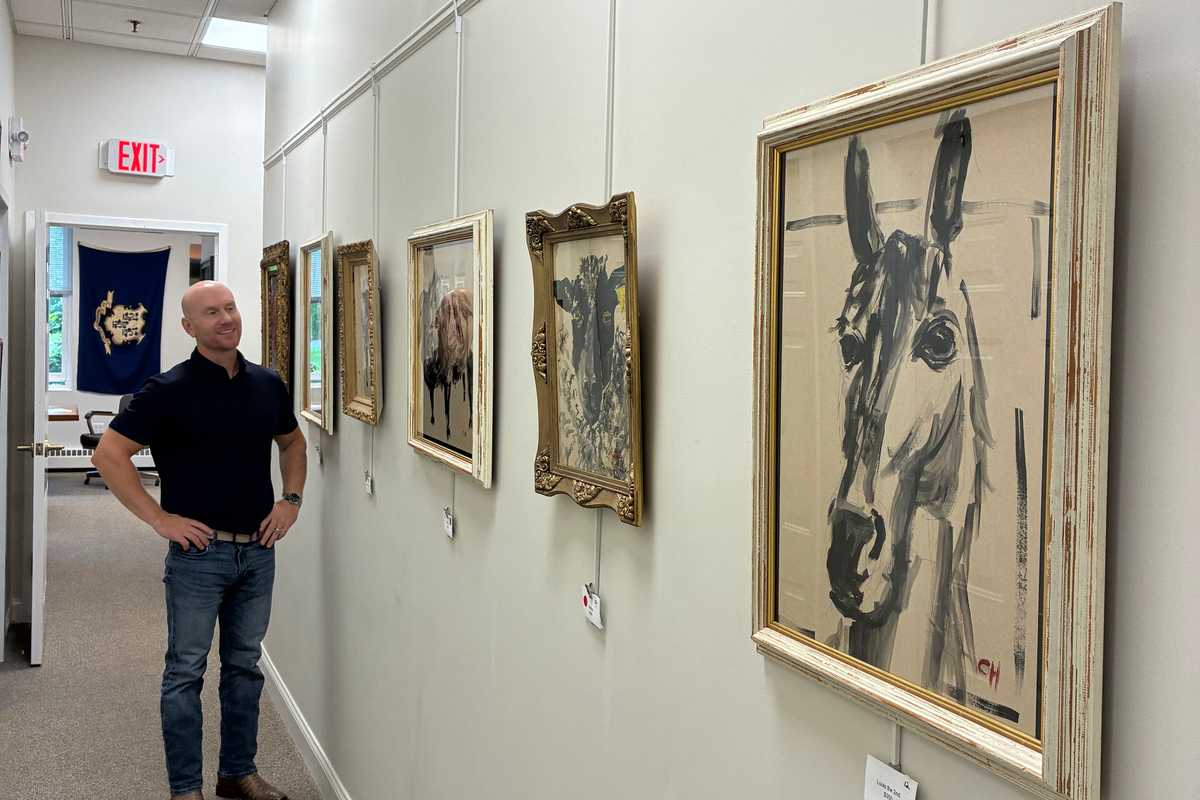
Kenise Barnes Fine Art in Kent, Connecticut, wants to help make fine art more accessible. The 2026 version of the gallery’s annual “Cool and Collected” exhibition is subtitled “The Gift Edit” and features dozens of works by fine artists at prices that are much more in reach than an art-world outsider might expect. More than 30 artists contributed pieces to the show. Almost all available works are priced under $2,000, with many below $500. The collection features paintings, drawings, collage and ceramics.
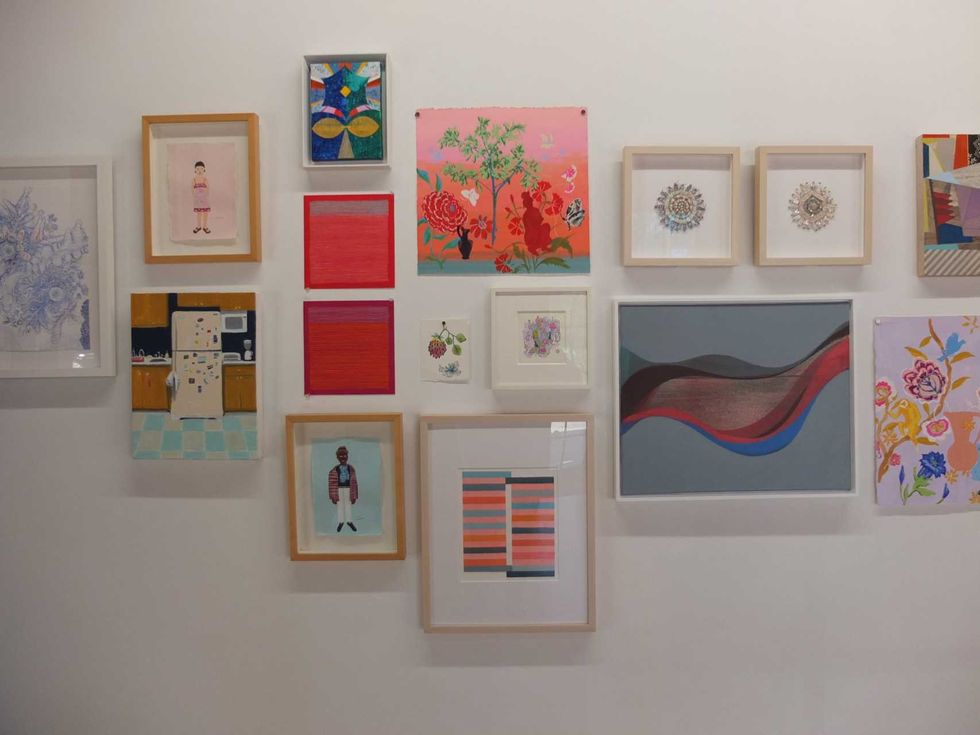 Part of “Cool & Collected” at Kenise Barnes in Kent.D.H. Callahan
Kenise Barnes, the gallery’s owner, has been gifting art to friends and family for years. Now, many of them have their own personal collections, with works carefully selected for and by them.
It’s not just aspiring collectors who benefit from this kind of show. Smaller price tags can often mean less pressure on the artists, giving them more to experiment.
“This exhibition encourages artists to play and explore while giving visitors the opportunity to acquire original artwork at an approachable scale and price,” Barnes said. “It’s a celebration of creativity, generosity, and the pleasure of living with art.”
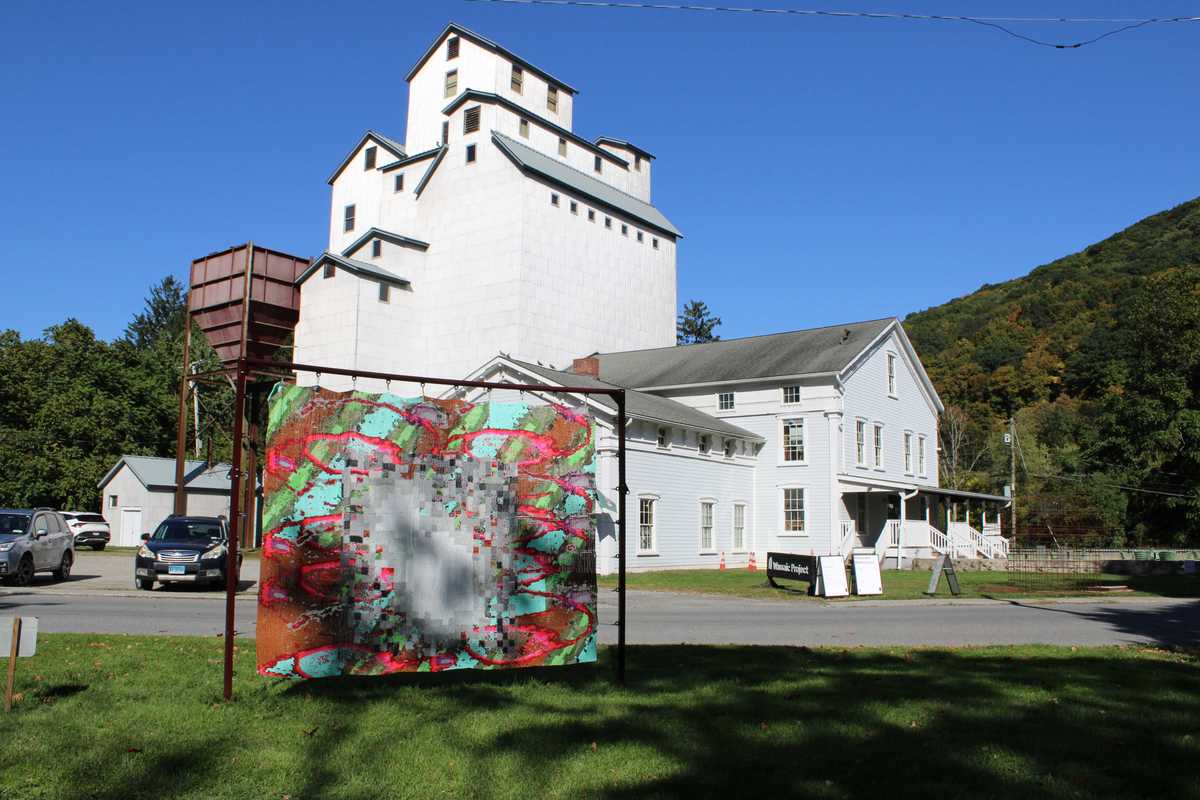
Across the border in Millerton, a similar exhibition is up at The Re Institute. Artist and gallery owner Henry Klimowicz has curated a show that features more than 400 original works of art from more than 200 artists, all priced under $750. The exhibition is a continuation of an accessible art show put on by LABspace in Hillsdale, which routinely had more than 300 pieces in its small, two-room gallery. Klimowicz has also hosted an art gift shop at the Re Institute, with moderately priced art as the shop’s inventory.
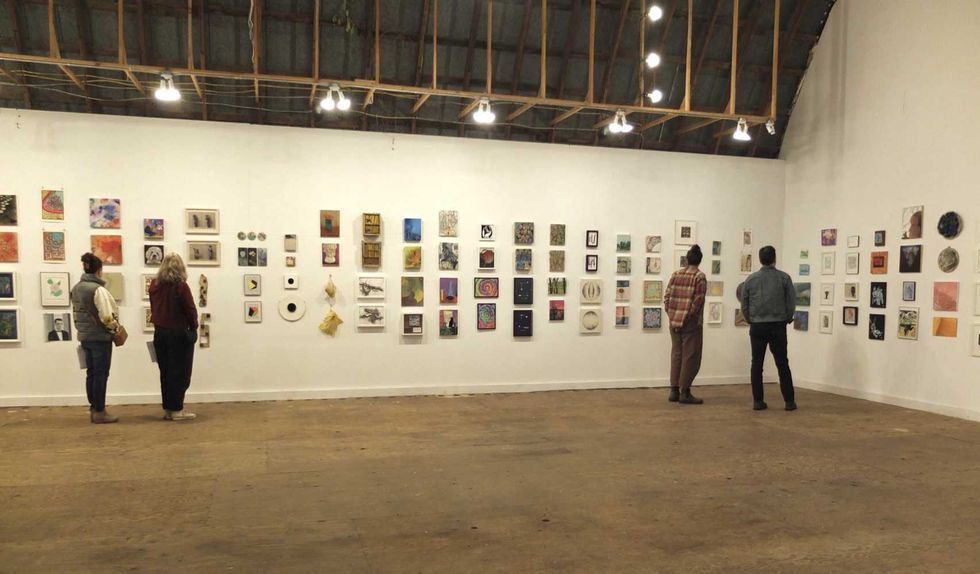 The Re Institute’s Holiday Show features more than 400 works by over 200 artists through Dec. 6, with a closing party from 1 to 4 p.m. that day.D.H. Callahan
Klimowicz understands that even more moderately priced art isn’t necessarily any more accessible to all audiences. The first hurdle, he said, is that “buying art is a privilege. If you’re worried about buying groceries, you’re not buying art.”
With more and more people worried about groceries, the art market’s growth potential seems at least temporarily stunted.
The second hurdle is finding something that speaks to you.
“You have to decide that you like this unique thing. In America, we buy a lot of stuff. Almost everything we buy, we can count on the fact that we’re not the only person buying it.”
But when it comes to art, especially from emerging artists, there’s no market confirmation that what we’re buying is any good. You have to go out on a limb and trust your own taste to guide you.
“You can come here and you can purchase something truly unique, and that takes guts.”
For more information and gallery hours, visit kbfa.com and thereinstitute.com.
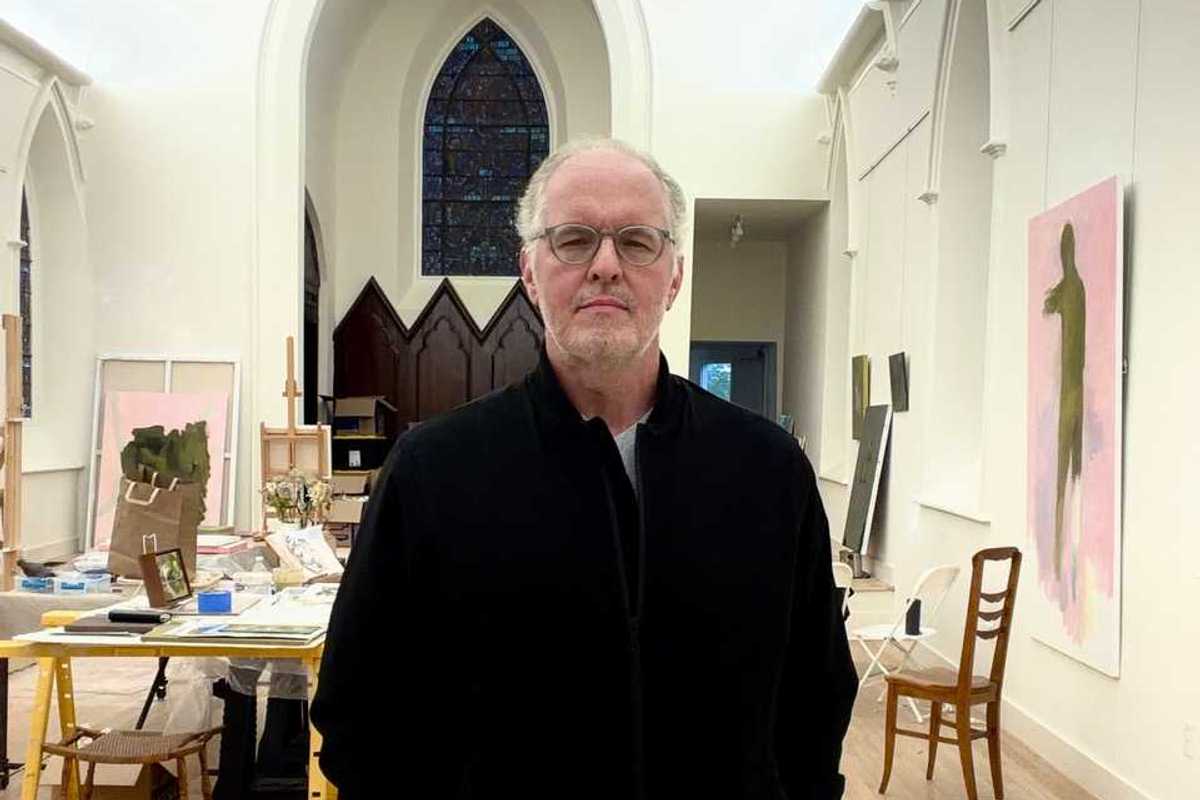
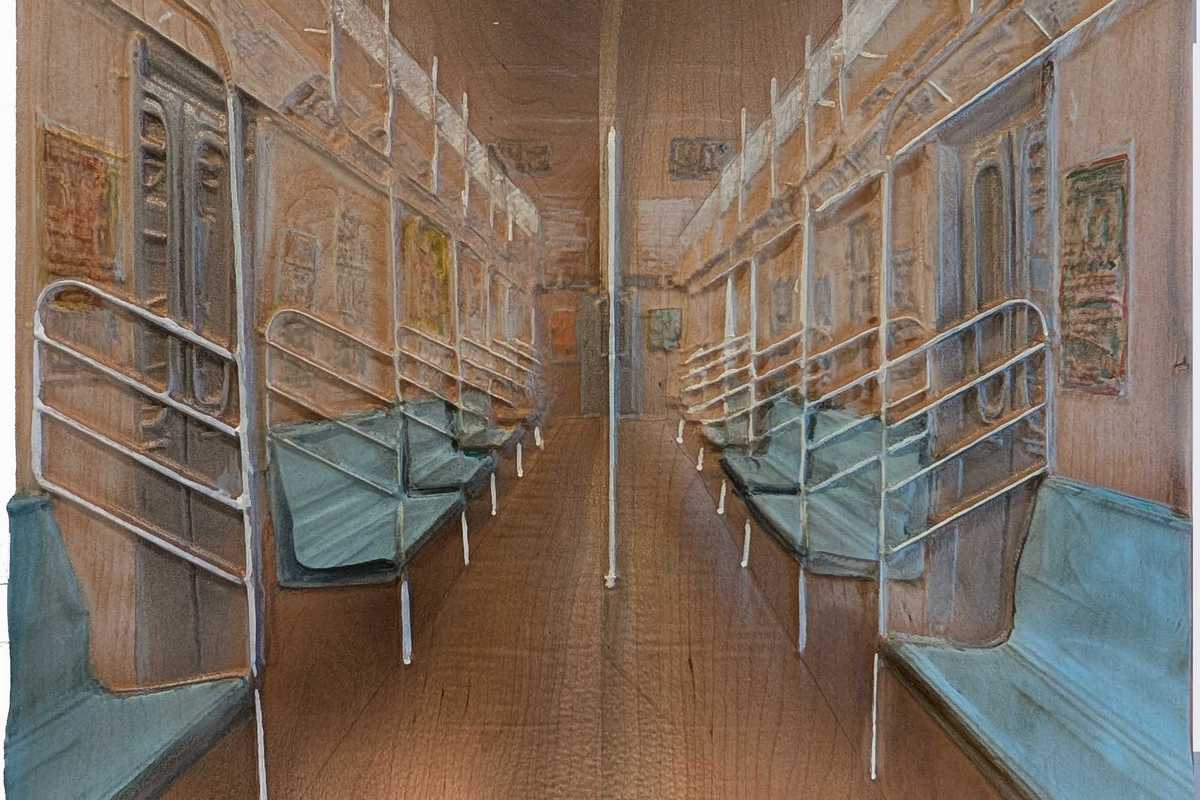

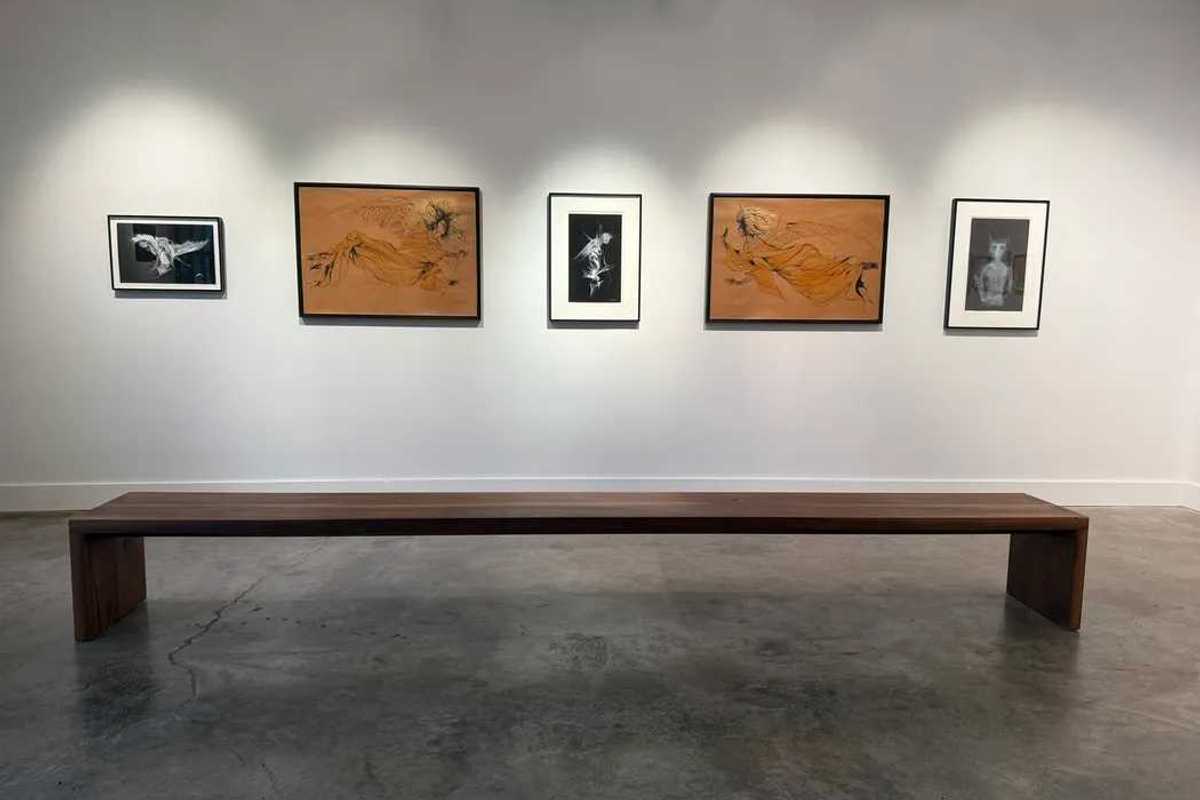

 Jennifer Terzian’s gallery showcases emerging and mid-career artists, with a focus on drawing, works on paper and painting.Provided




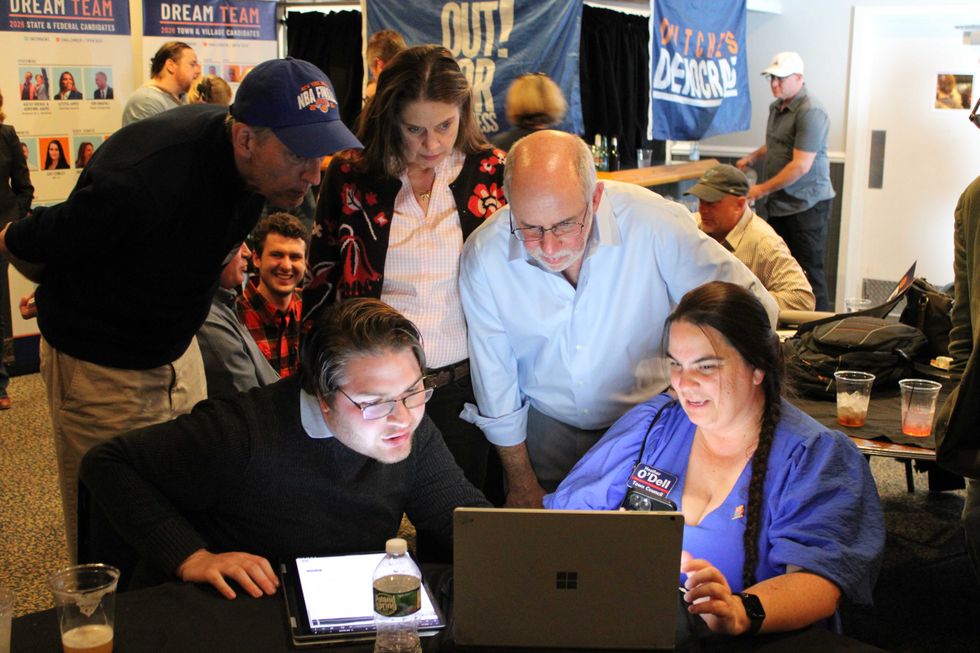 Eric Alexander, back right, examines the latest headlines and election results from the midterms on Election Day, Nov. 3, at the Pirate Canoe Club in Poughkeepsie.Photo by Graham Corrigan
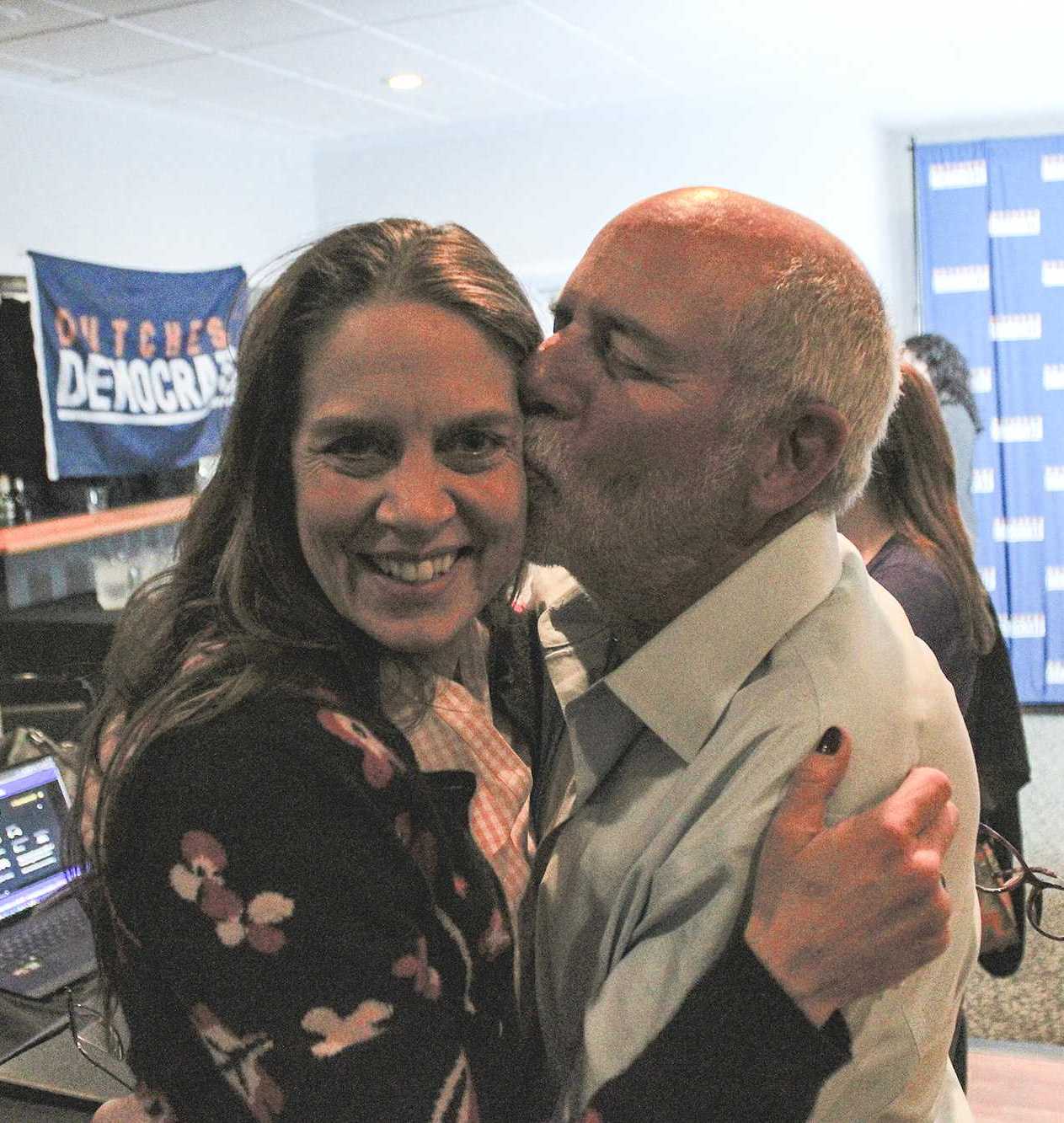 Eric Alexander celebrates an Election Night win with his wife. Alexander won reelection to his seat representing Washington, Amenia and Pleasant Valley.Photo by Nathan Miller
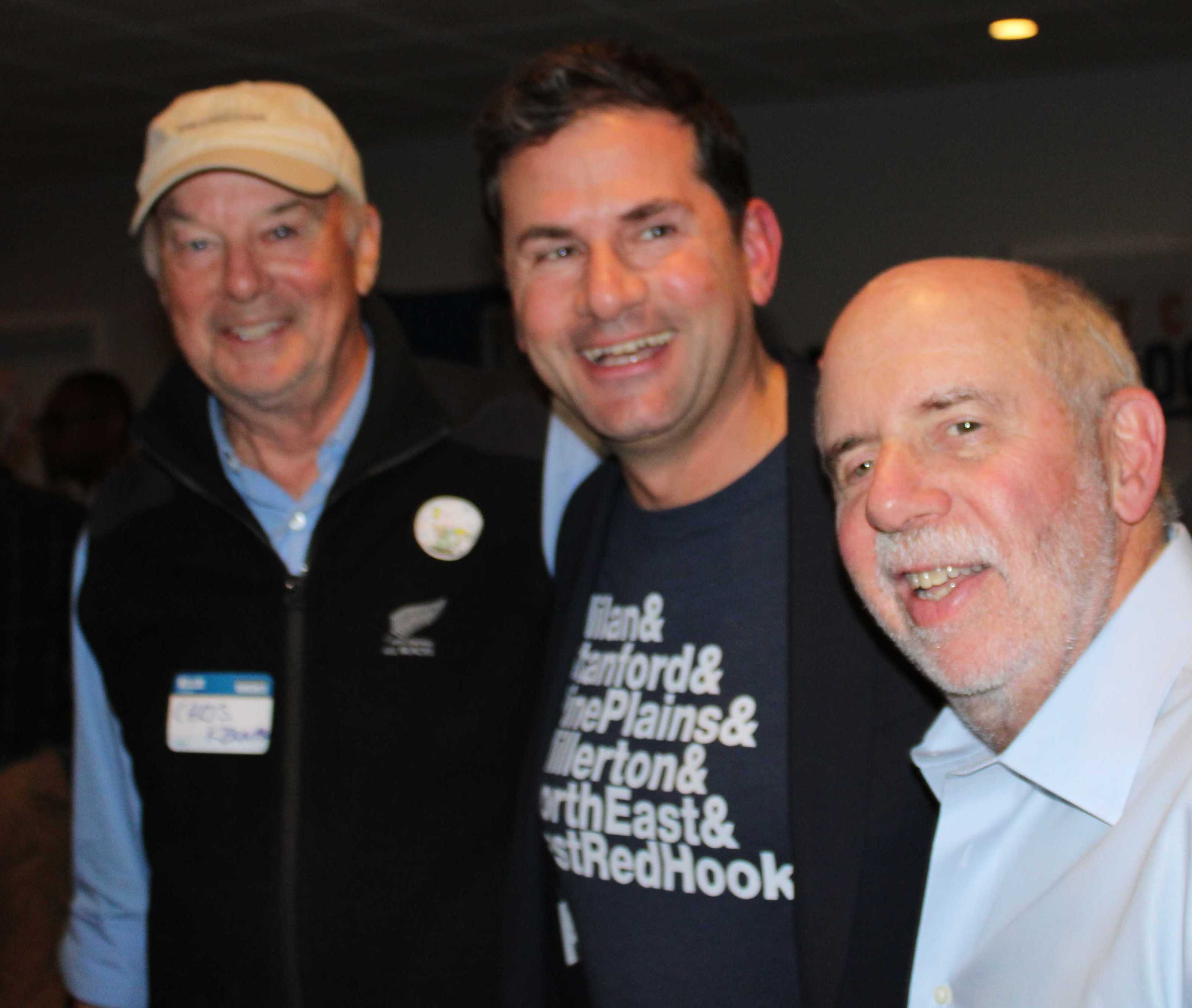 Democratic County Legislators Eric Alexander, right, and Chris Drago, center, pause for a photo with fellow Democrat North East Town Supervisor Chris Kennan.Photo by Graham Corrigan