I liked art and also liked the technical things. Industrial design filled both needs.
—Sergei Fedorjaczenko
Sergei Fedorjaczenko’s studio is filled with paintings in watercolor, acrylic and gouache, along with sculptures made from wood, metal, plastic and found objects. The variety of materials reflects a lifelong fascination with both art and engineering, two disciplines that have shaped his work.
“I liked art and also liked the technical things. Industrial design filled both needs,” Fedorjaczenko said.
Fedorjaczenko and his family came from Germany when he was just 4 years old. They lived first in New York City before moving to Connecticut about 10 years later, in 1960. He has lived in Connecticut ever since.
“I was always drawing,” Fedorjaczenko recalled.
Although he wanted to study art, his parents insisted he pursue something more practical, so he enrolled in an engineering program.
After a year and a half, he dropped out, realizing engineering was not for him. With the Vietnam War underway, he was drafted into the Army, where he became a photographer.
While serving, he thought about what he really wanted to do. The answer: design cars.
He wrote to Chuck Jordan, vice president of design at General Motors. Jordan “responded with a handwritten note,” advising him to pursue industrial design.
After leaving the Army, Fedorjaczenko earned a degree in industrial design from the University of Bridgeport. He then worked for General Electric for 14 years, during which time he was credited with four patents and a trademark.
“I ended up designing everything but cars,” Fedorjaczenko said.
After General Electric, he sought other jobs and other puzzles to solve.
In February 2000, he read an article in the Hartford Courant about Cornwall artist Tim Prentice, known for his kinetic sculptures. The story made a lasting impression.
“I read the article about 20 times, thinking, ‘This is what I want to be when I grow up. A guy living out in the country making sculpture and stuff.’”
In 2001, he and his wife, Zoe, bought a circa 1730 house in Falls Village. A year later, Fedorjaczenko retired. After spending several years restoring the property and creating a studio for himself, he was able to concentrate more on painting and sculpture.
Today, his three-level workshop is equipped with tools for metalworking and woodworking, including an English wheel, a sheet metal brake and other equipment he has used to make components for a full-size car. He can mill and turn parts, bend and cut sheet metal and tubing, and weld and sandblast components for his sculptural work.
By a window sits a table he designed and made from wood offered to artists when Cornwall’s covered bridge was restored. His “Bridge Table” is a simple, clean design, reflecting his interest in both form and function.
Fedorjaczenko enjoys the physical process of creating art “because I am making something, using my hands.”
His work is influenced by the Bauhaus, a German design school that operated from 1919 to 1933 and became an international movement. For his upcoming exhibition, “The Engineering of Art,” Fedorjaczenko used the triangle, square and circle, primary geometric shapes associated with the Bauhaus, in each of the pieces.
On his website, Fedorjaczenko shares a quotation often attributed to Pablo Picasso: “I am always doing that which I cannot do so that I may learn how to do it.”
It seems a fitting philosophy for someone who has spent a lifetime moving between disciplines, learning new skills and finding creative possibilities in unfamiliar territory.
Despite his considerable body of work, Fedorjaczenko resists the label of full-time artist.
“I don’t consider myself a full-time artist. I consider myself a jack of all trades … with many interests.”
“The Engineering of Art” opens Saturday, Nov. 7, at the David M. Hunt Library in Falls Village, with a reception from 5 to 7 p.m. The show runs through Nov. 27. Fedorjaczenko will give an artist talk about his life and work Thursday, Nov. 19, at 5:30 p.m.
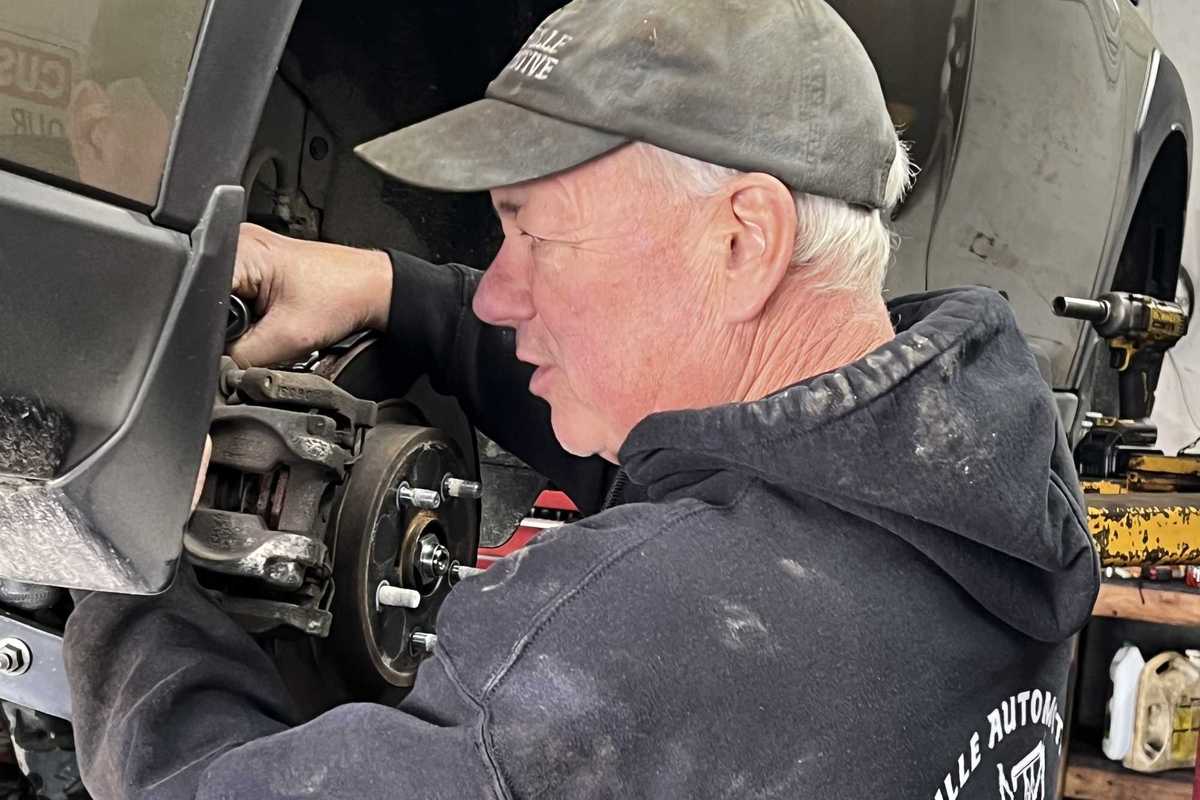
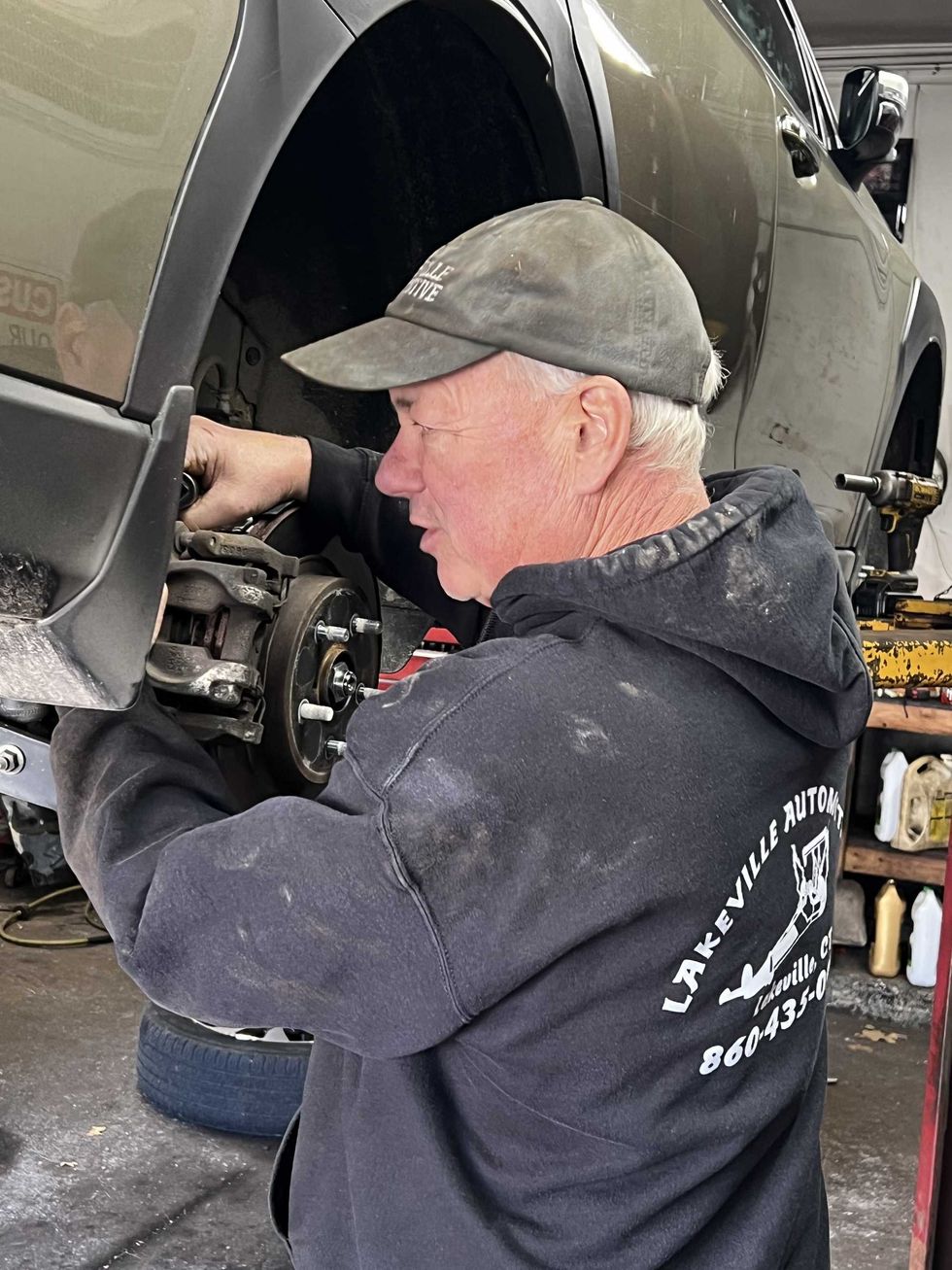 Dave Jones, owner and chief mechanic at Lakeville Auto. Laurie Fendrich
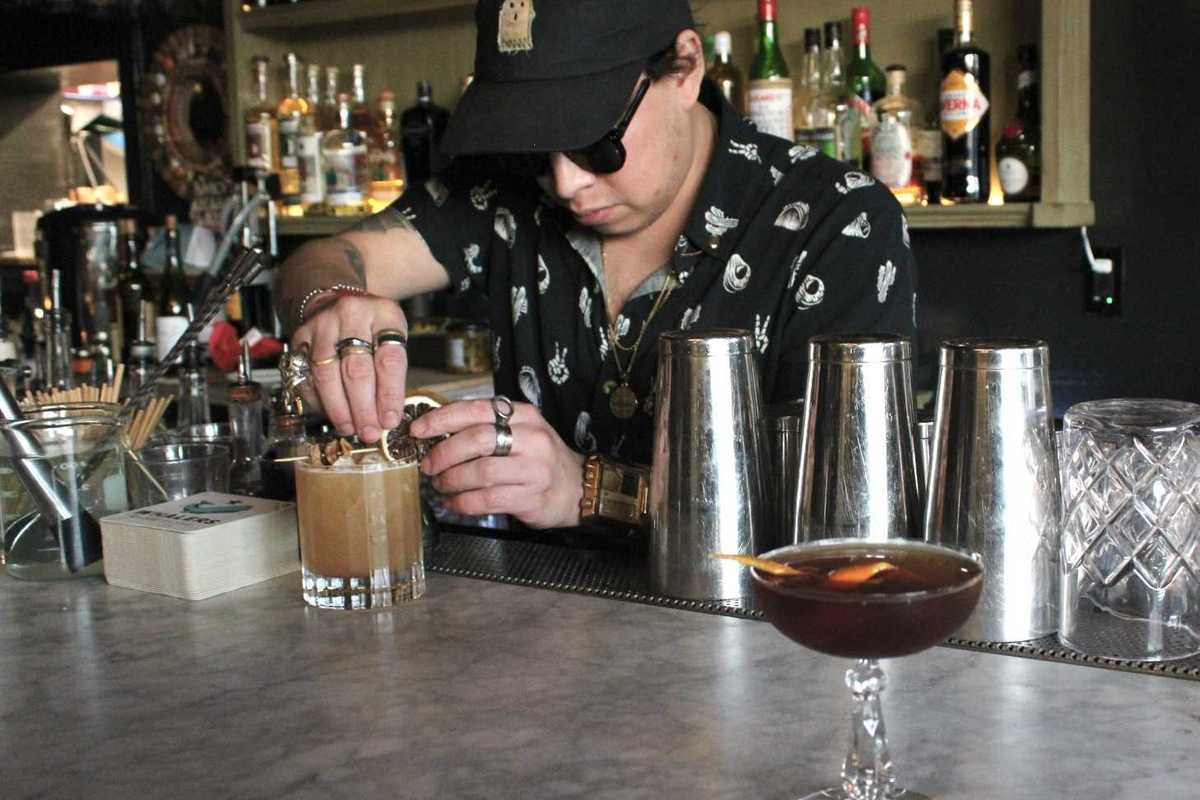

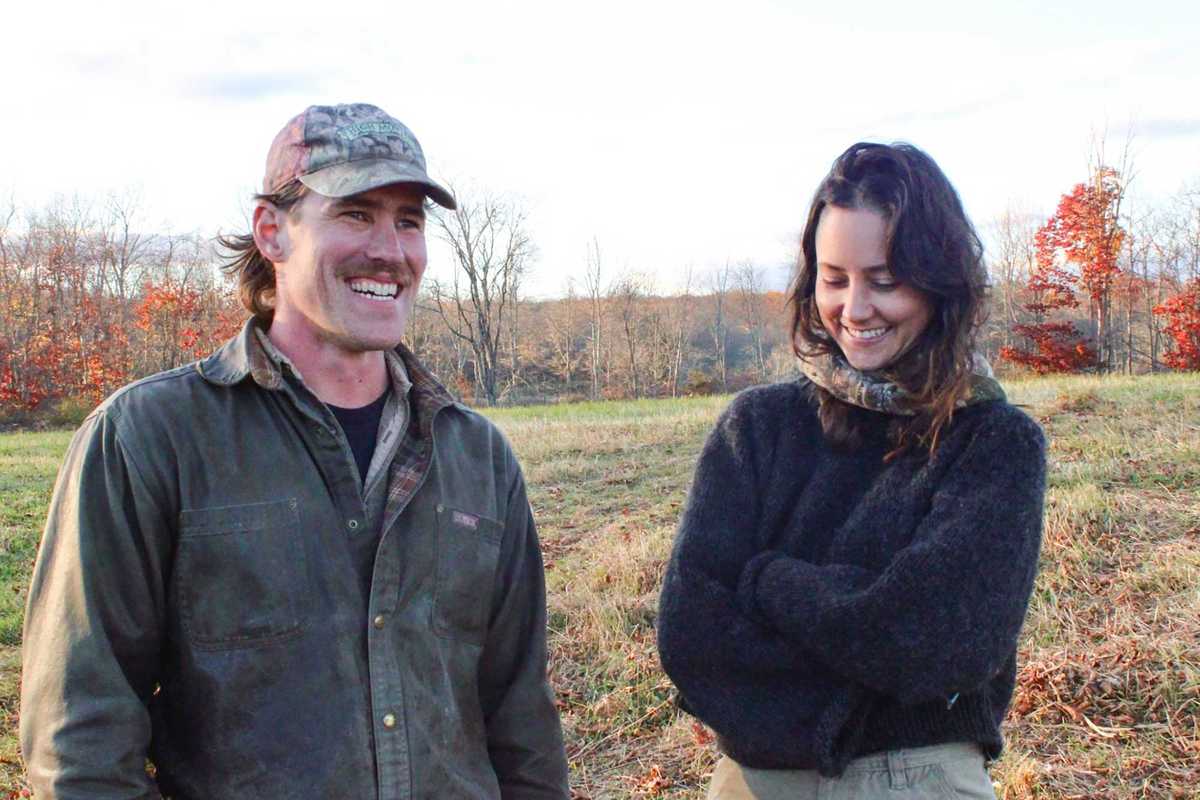
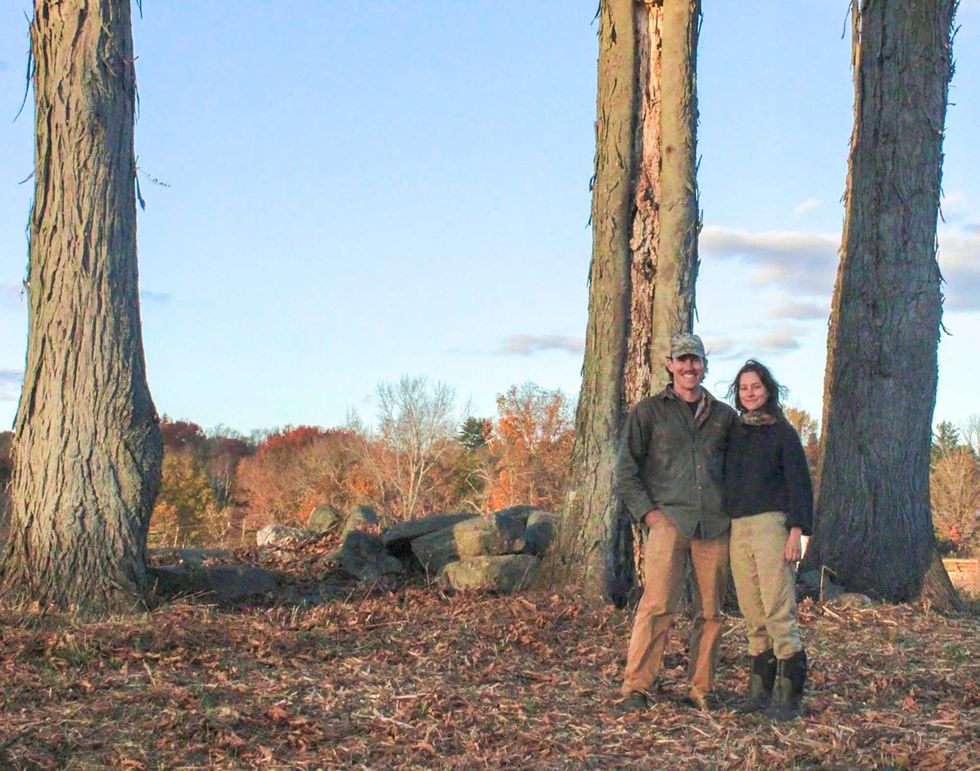 Will O’Meara, Jill Verzino and the three hickories.D.H. Callahan