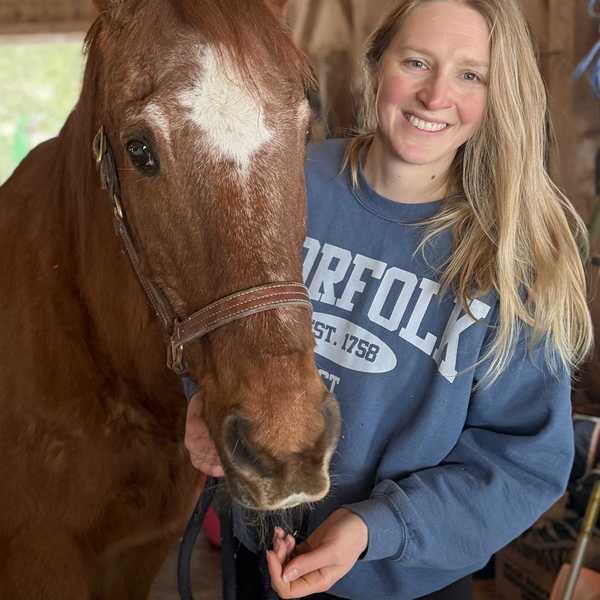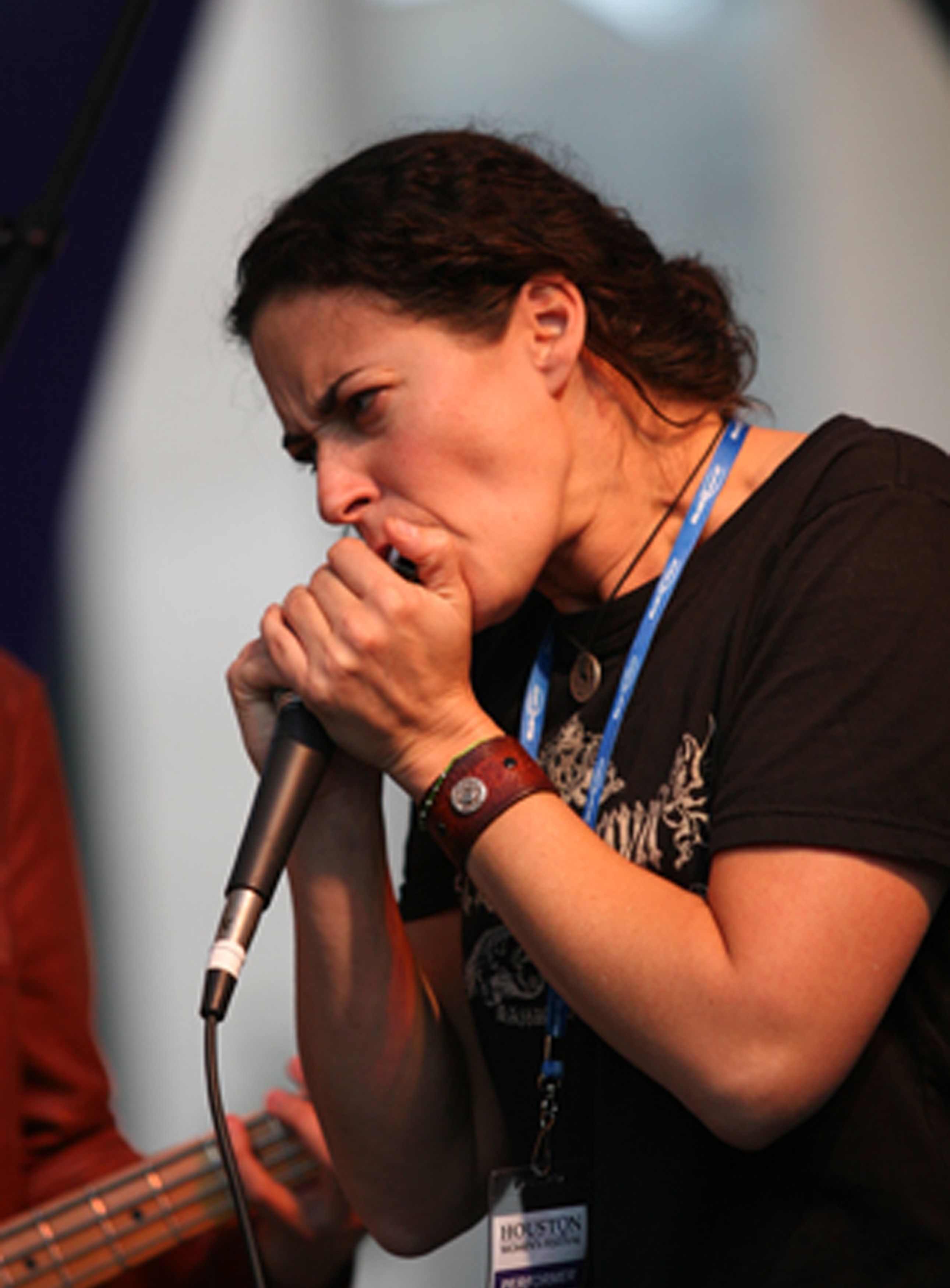
Trina Hamlin is a singer, songwriter, and multi-instrumentalist based in Norfolk, Connecticut. Widely regarded as an accomplished performer, Hamlin has toured the U.S. and abroad for more than two decades with Melissa Etheridge, Dar Williams, Susan Werner, Charlie Musselwhite, and more.
A masterful player, Hamlin will be teaching free, introductory harmonica classes at the Norfolk Library Feb. 3 and 10 from 5:30 to 6:30 p.m.
Her affectionate, playful style on stage and in the classroom have earned her the reputation as a well loved and respected musical force among colleagues and students.
Hamlin loved music from an early age. She took piano lessons from 2nd through 8th grade, sang in her school choir, and over time, moved from piano to guitar and later into playing percussion/small drum kit. She eventually attended the Berklee College of Music in Boston.
“Harmonica was a happy accident. I had a friend who asked me to play it with her. She mentioned ‘bending a note’. That opened up the instrument and my interest in it. It made it feel more like a voice. The second opening was harmonica as a rhythm instrument,” Hamlin said.
Inspired by Boston-based band “The One Eyed Jacks,” Hamlin also observed what Charlie Musselwhite and Junior Wells were doing.
“Listening to that while having no technical idea of how to play the instrument made my head spin! I decided to just play and figure it out on my own,” Hamlin said.
Hamlin primarily plays “Cross Harp” or “Second Position,” which is typically where most blues players begin.
“I like it because it allows me to use the bendable notes for a more expressive sound. I love longer, string oriented lines and grooves. The folk or first position sound of Bob Dylan or Neil Young is not my first choice, but it is very necessary in some cases,” Hamlin said.
Though she is a masterful player, the instrument continues to challenge and inspire her.
“I don’t play a lot of traditional blues at this point. I love trying to play any style. The most challenging thing about it, and music in general, is leaving space for things to breathe and finding lines that add to the whole. I love that it is easy to carry and has such a wide range of expressions,” Hamlin said.
Settling on the darker tones of Tombo’s Lee Oskar Harps, Hamlin has suggestions for students.
“Don’t buy the cheapest harmonica. They can be hard to play. Plan on spending$25-50. Hohner Special 20’s are nice and Lee Oskars are too. I usually tell students to get a C harp. You can find so many videos and tutorials online, which might help you get started. Or maybe I can help!” she said.
“Say yes and learn something new. The beauty of it is that it is set up for success, meaning, you don’t need to have a musical background to make sounds. I love to give people a foundation to work with and see where it goes from there,” Hamlin added.
To register for Hamlin’s class, visit: norfolklibrary.org/library-events




 Tiffany Lemelin, shelter manager, brushing Marsala upon arrival.Provided
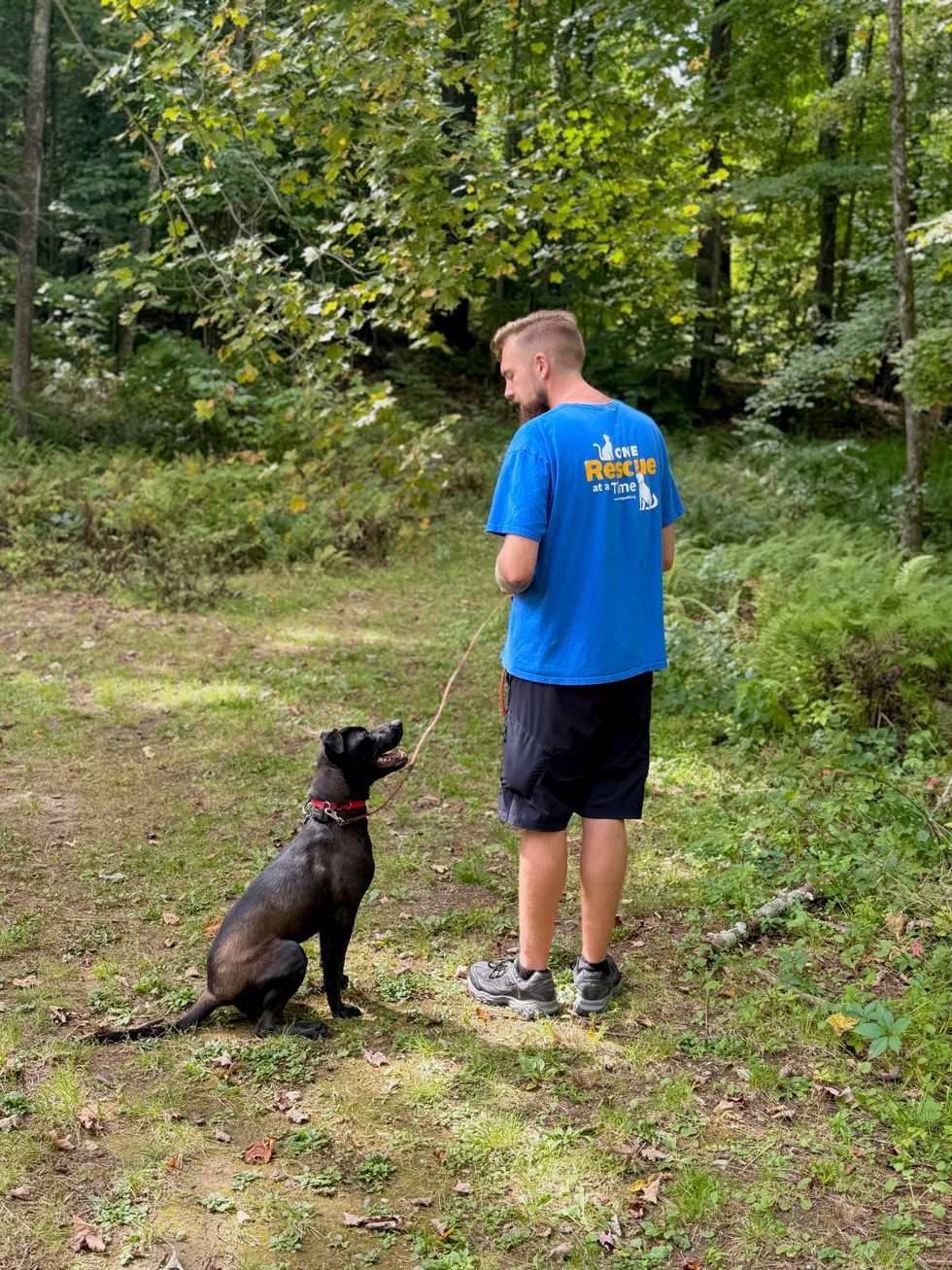 Michael DeBarba, certified dog trainer working with Marsala.Jennifer Almquist
 Marsala wins a heart.Jennifer Almquist
 Sadie, center, a Carolina dog, plays with her friend Negra, a terrier mix. Bella Linda, the small poodle, has since been adopted.L. Tomaino
 Wesley, a young, exuberant mix, is looking for an active home.L. Tomaino
 Bonnie and Clyde, an affectionate terrier pair.L. Tomaino