Of thousands who attempt to walk the entire length of the Appalachian Trail, only one in four make it.
The AT, completed in 1937, runs over roughly 2,200 miles, from Springer Mountain in Georgia’s Chattahoochee-Oconee National Forest to Mount Katahdin in Baxter State Park of Maine.
While a thru hike often begins as a solitary pursuit, hikers weave into one another’s lives on the journey. Hikers Liam Hickes, James Outlaw, Jackson O’Brasky, and Riley Moriarty – Hero, Outlaw, Rabbi, and White Claw as they are known on the trail – were strangers back in March but have now traveled together for months.
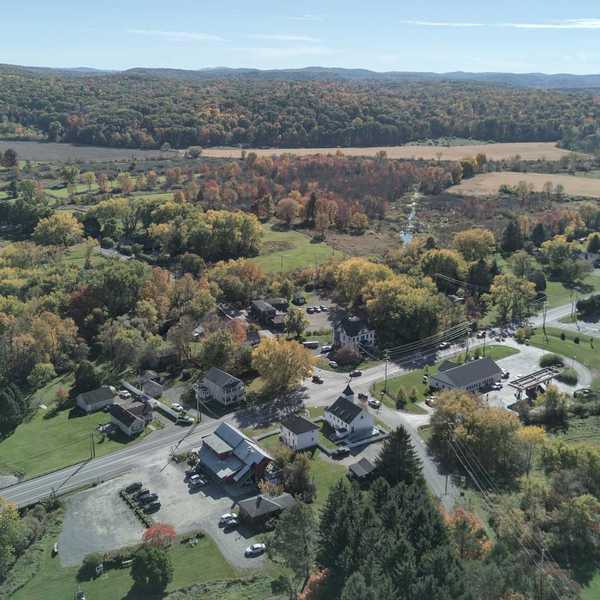
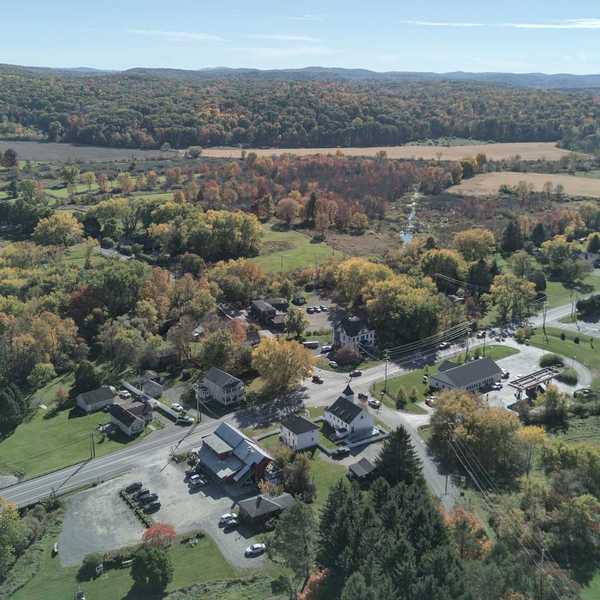
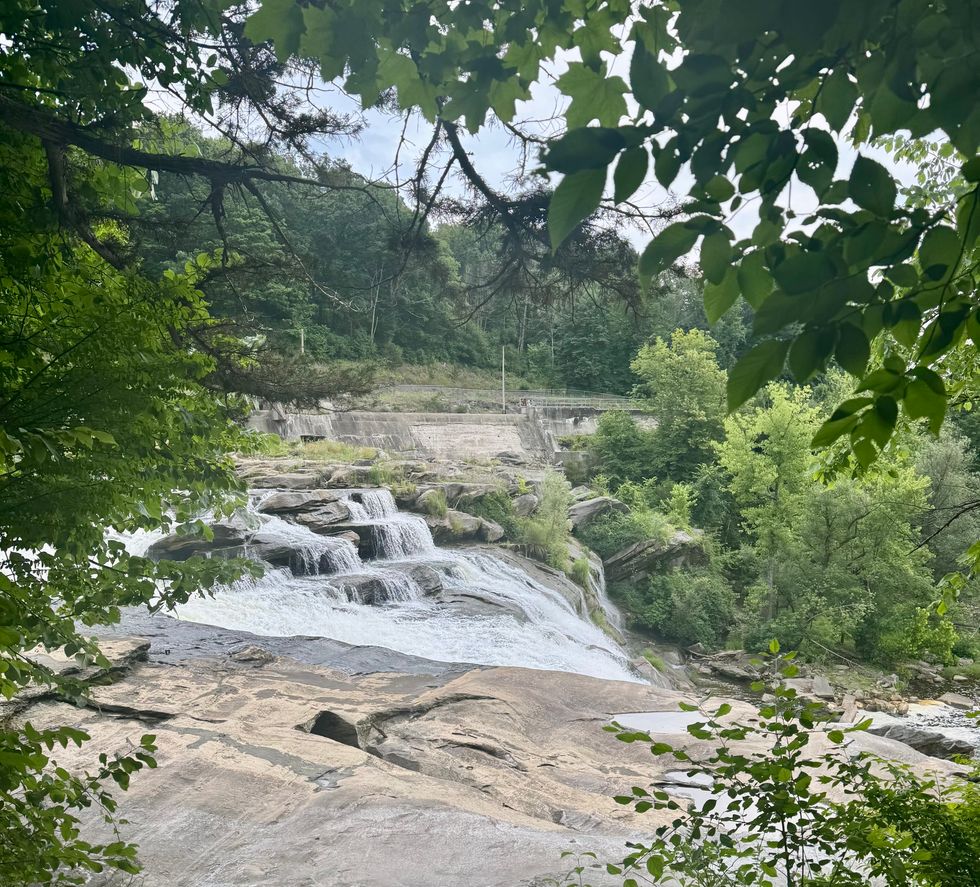 Great Falls, Falls Village.Provided
Before the trail, Moriarty – originally from Columbia, South Carolina – worked as a carpenter and lived in a yurt in Asheville, North Carolina. He went on a weekend long camping trip with friends and dreamed of a longer excursion in the woods.
Outlaw too craved adventure. Growing up in Atlanta, Georgia, he had hiked sections of the AT with his dad and always wanted to do the full trek. While working at a food truck in Boone, North Carolina, he decided to commit to the challenge.
Hickes is also from Atlanta and had no idea the AT started in Georgia until reading author Andy M. Davidson’s book “When Sunday Smiled.” Inspired by the story of a retired Navy officer, he began to plan his own journey. Following service in the Marine Corps, he got on the trail as early as possible, hoping to be surrounded by fellow hikers.
O’Brasky spent much of his life among crowds in the cities of Hartford and New York City and sought the wilderness as an escape. A painter by trade, he applied for the Elizabeth Greenshields Grant with a proposal to hike the AT. After losing his job, O’Brasky received the grant and embarked on this six-month quest.
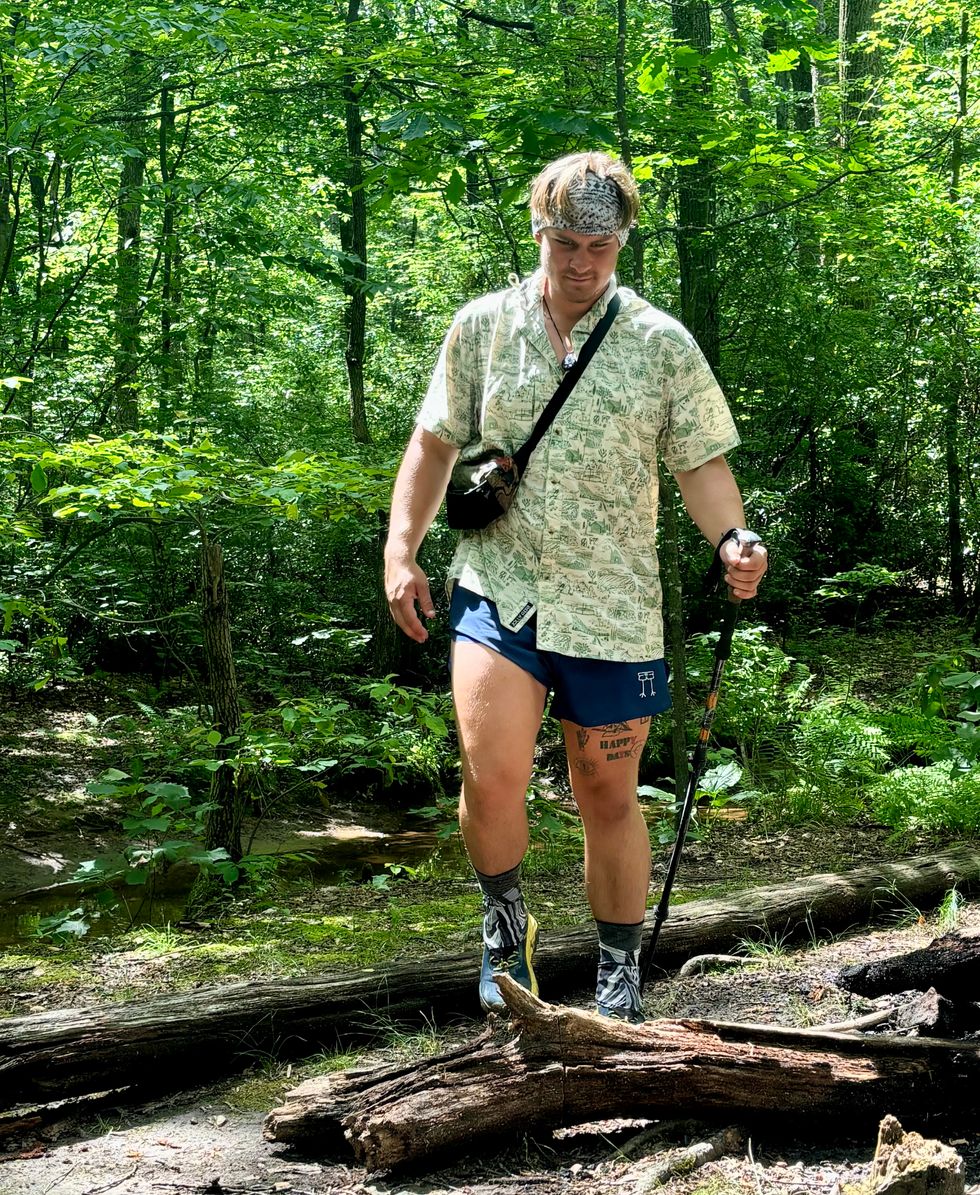 James OutlawProvided
Life on the trail can be monotonous. “People romanticize thru hiking, but it’s important to remember that it’s just walking,” said Outlaw. A night of burgers, beer, and civilization is sure to lift spirits and remedy the backcountry blues.
But mostly the hikers enjoy settling into the steady rhythm of a slower, quieter existence: taking siestas on hot days, letting thoughts wander, and gradually moving forward. “I get bored very easily, and I really have not been bored often out here,” said O’Brasky.
Throughout the journey, these individuals have confronted wildlife, weather, and rugged terrain: praying not to flip while rafting down the Shenandoah River, laughing in delirium through a North Carolina snowstorm, befriending wild ponies, and soaking up stories of strange characters they meet.
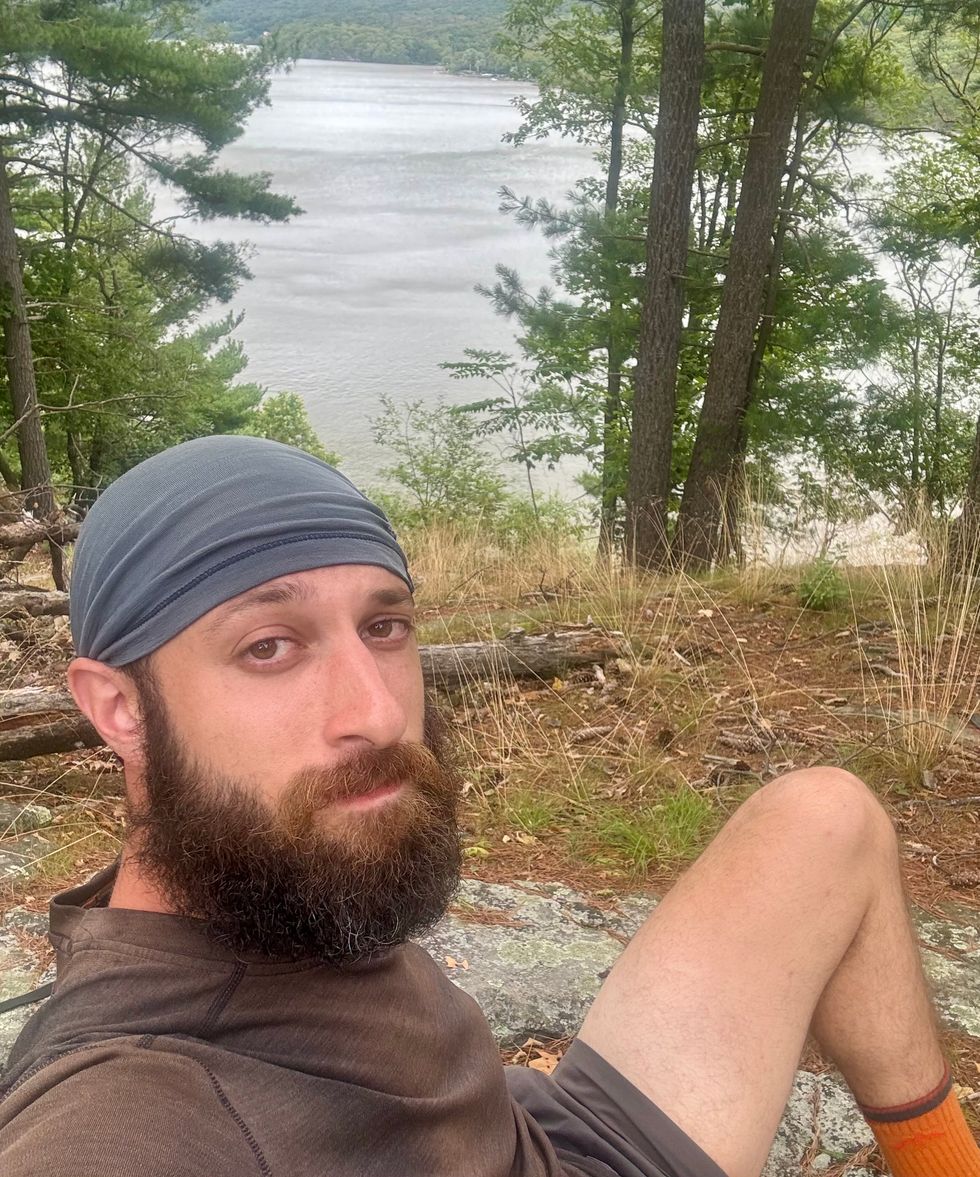 Jackson O'BraskyProvided
When the trail tests their resilience, they manage to sustain a gentle hum of optimism. A moment of sunshine can erase all recollection of the storm that soaked their belongings.
With everything they need in their packs – tents, sleeping bags, three days’ worth of food – they are not tied to societal expectations or any physical place. Each roams freely and independently, deciding when to push and when to rest, but they camp together almost every night. Comradery makes the undertaking less daunting and memories more meaningful. “Being around others who want the same thing I want enhances everything,” said Hickes.
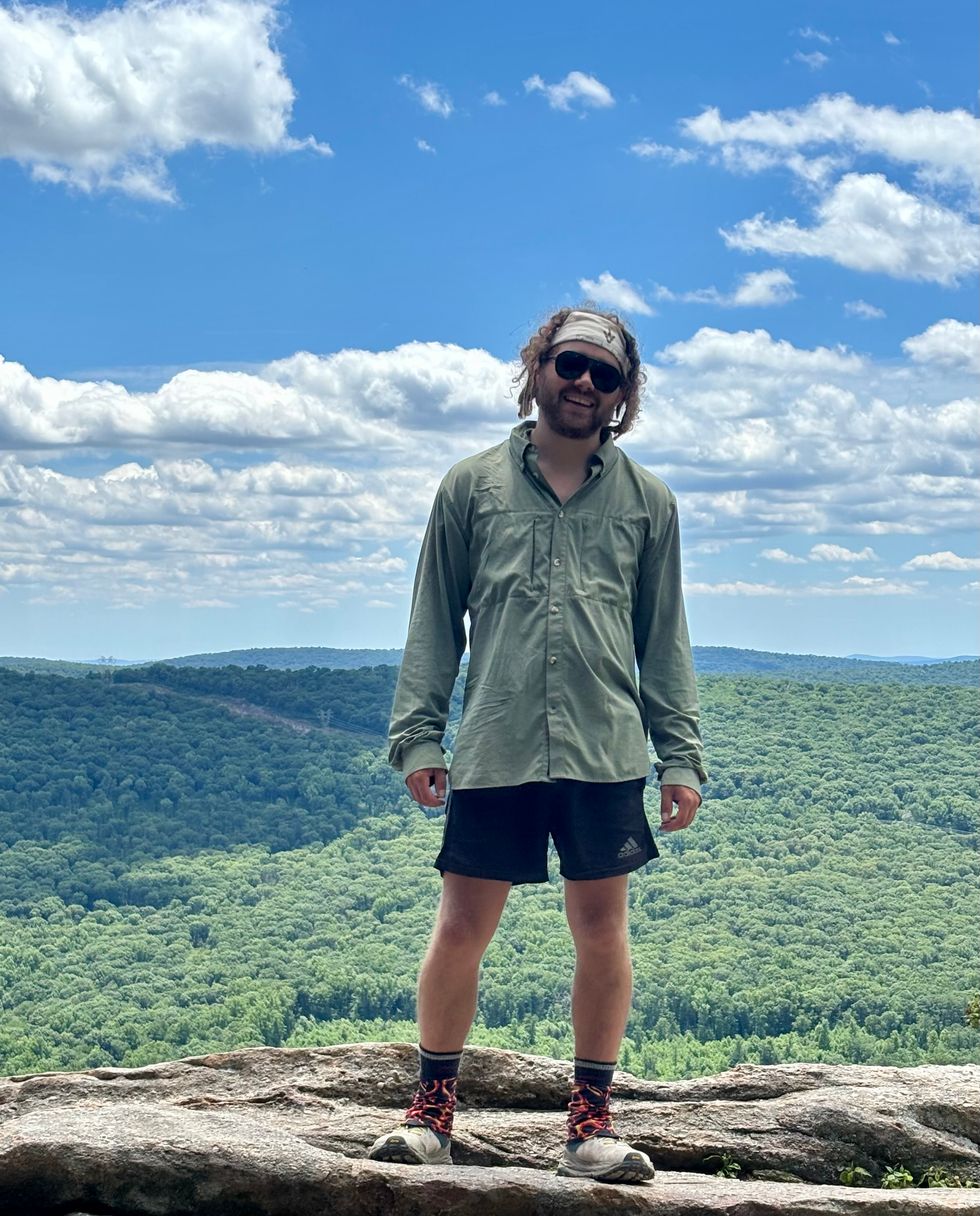 Liam HickesProvided
Chipping away at this objective bestows a rewarding sense of accomplishment. “It’s always a big deal,” said Moriarty, “30 miles was a big deal. 100 miles was a big deal. I was really impressed with myself. Now it’s 1500, but it’s the same kind of feeling.”
As they approach Katahdin, minds wander to life post-trail. Hickes plans to start school in Louisiana with friends, while O’Brasky is unsure whether he will stay in New York City. Moriarty is considering joining the Coast Guard (though first he must figure out exactly what they do) and Outlaw is looking forward to a potential move to Colorado.
While they will put down their packs — at least temporarily — these men will carry willingness to be uncomfortable and determination to persevere wherever they go.



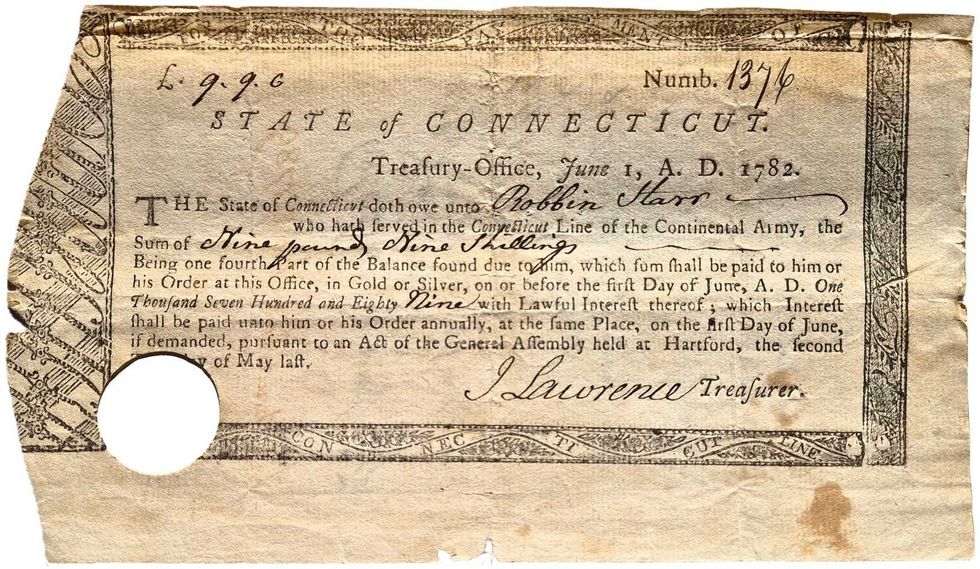 Pay Bill for Robin Starr’s service in the Continental Army.Courtesy the Alex Breanne Corporation
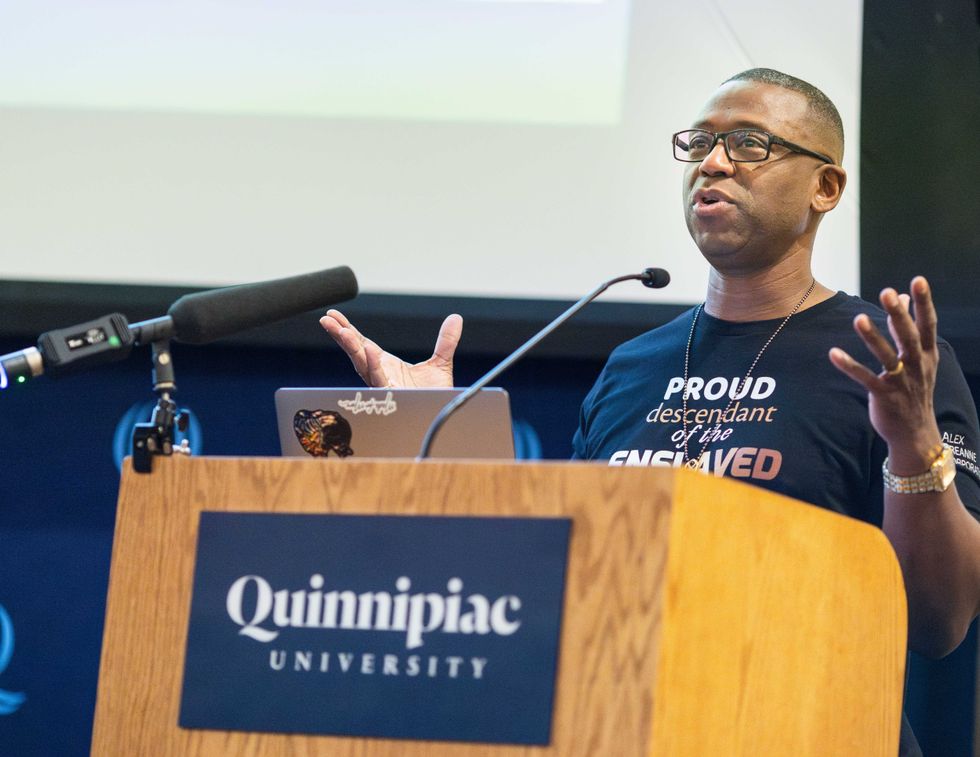 John Mills speaking at Quinnipiac University.Courtesy the Alex Breanne Corporation
 Stephanie Saetta,with her rescue dog George and Blue (left), a shepherd mix awaiting his forever home.Madi Long