Thank you!
Your support is sustaining the future of local news in our communities.

The Mozarts you don’t know at the Mahaiwe

The Mozarts you don’t know at the Mahaiwe

Wolfgang Amadeus Mozart

Provided

For centuries, Wolfgang Amadeus Mozart has overshadowed nearly everyone in classical music, including the talented musicians in his own family: his father Leopold, his sister Maria Anna Mozart and his son Franz Xaver Wolfgang Mozart who were all prolific composers and musicians in their own right.

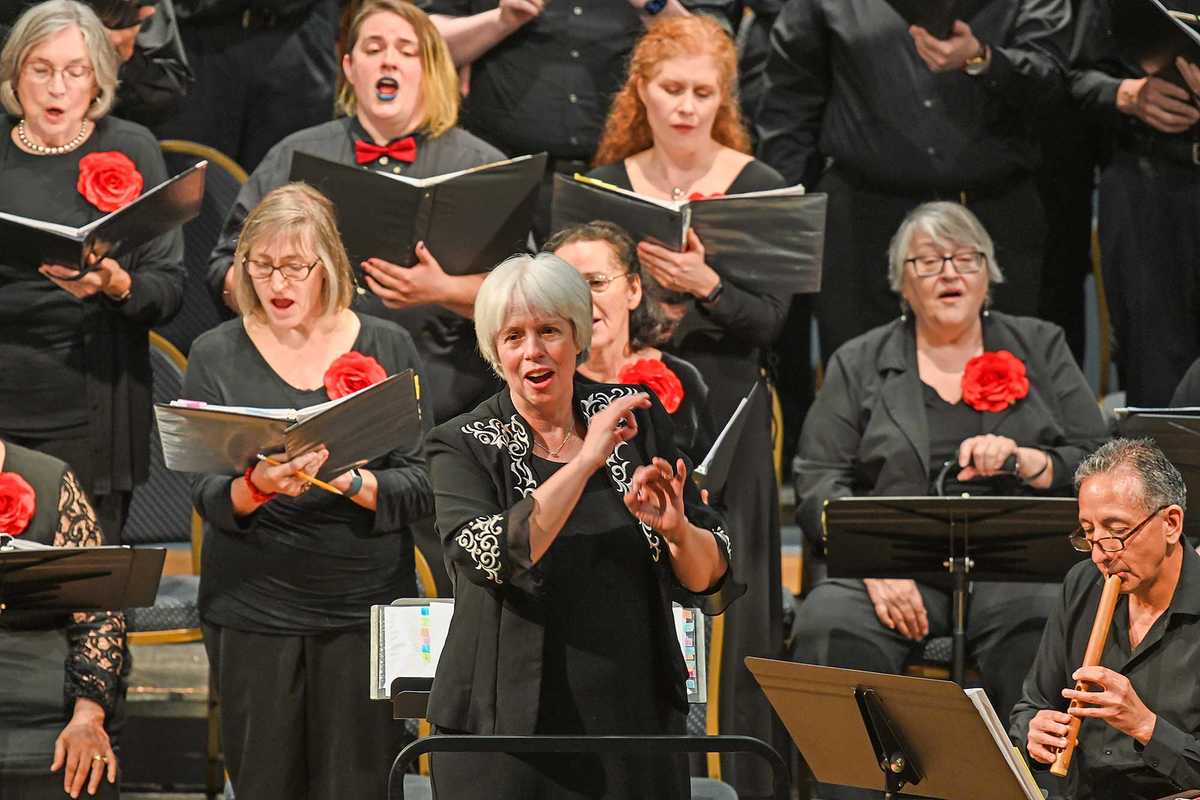
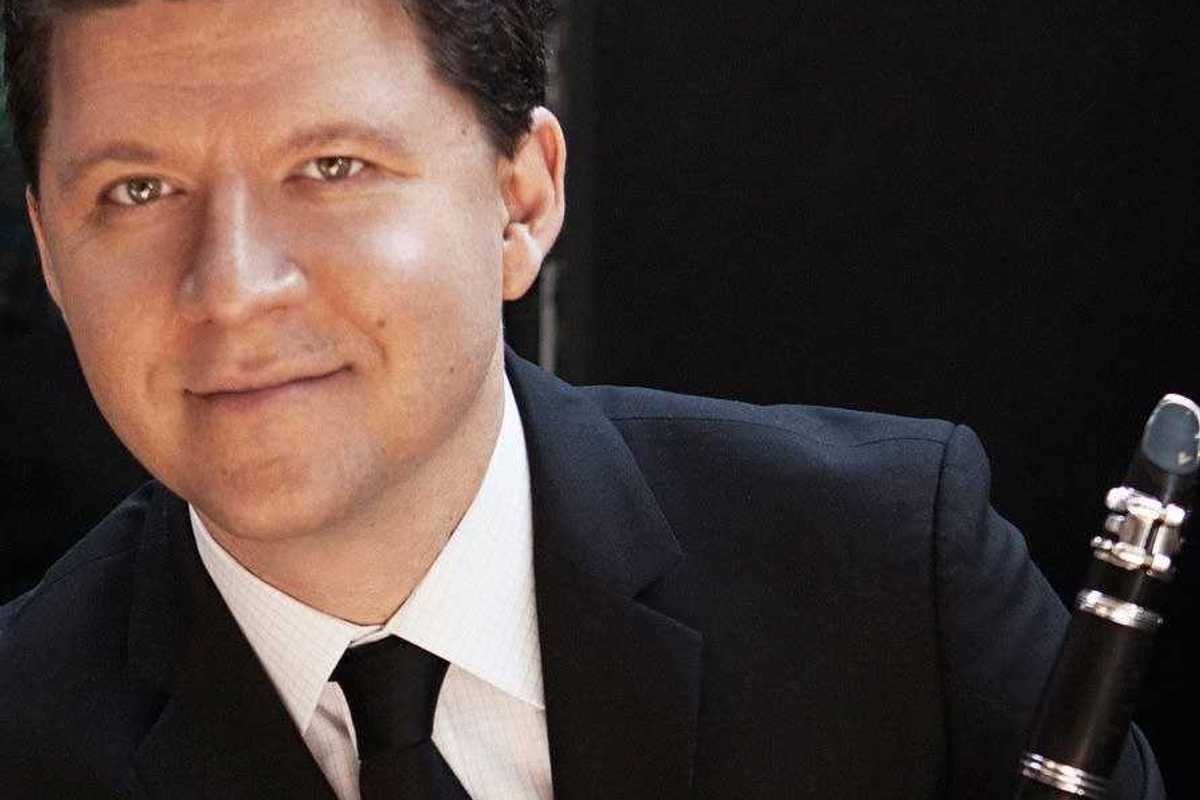
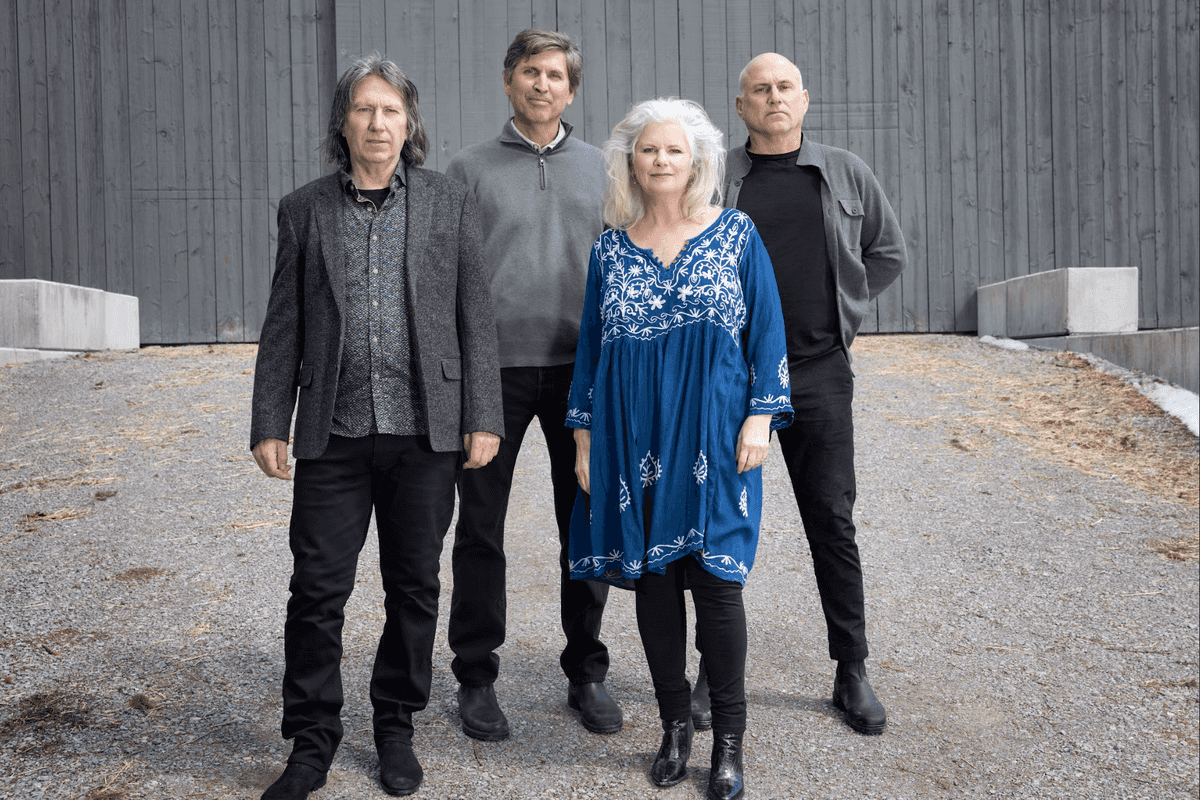
On March 15, Great Barrington’s Mahaiwe Theater will explore the legacy of Mozart with its “Meet the Mozarts” concert. It’s mostly Amadeus — a quartet will perform the maestro’s “Piano Trio in B-flat, KV 502” and “Quartet in G minor, KV 478” — but the evening will feature works from both the elder and younger Mozarts.

“The story of Mozart is forever an enigma,” said Close Encounters with Music’s artistic director Yehuda Hanani. “It’s really a mystery. How did a man who, as a child, dazzled the royals of Europe end up in an unmarked grave?”

Leopold Mozart is best known for writing a foundational textbook on playing the violin. His catalog included church music, opera dances and symphonies, though much of it has been lost over time. Amadeus was his seventh child, and he served as the boy’s primary music teacher after the toddler began imitating the piano lessons taken by his older sister.

“Mozart’s father really made him what he was,” Hanani said. “He was a devoted pedagogue. He drilled him, and he corrected his early pieces. And then, of course, he was a great promoter. He created the legend.”

Mozart’s son, Franz Xaver Wolfgang, was born just four months before his famous father’s death. His musical education included lessons connected to such figures as Joseph Haydn and Antonio Salieri, and he socialized with contemporaries such as Franz Schubert and Robert Schumann. He was a renowned composer in his own right, “and he probably would have been much more acknowledged and known if not for his misfortune of being the son of a great genius,” Hanani added. Wolfgang would often perform his father’s work alongside his own. As his tombstone notes, “May the name of his father be his epitaph, as his veneration for him was the essence of his life.”

The Mahaiwe’s concert will feature a fourth Mozart: AI Mozart. “We are living in a very revolutionary technological, artistic, cultural time with AI, and it’s creating some kind of cultural crisis,” Hanani said. “So, we’re doing something a little whimsical, a little naughty and a little serious at the same time.” The three-minute piece uses Mozart’s existing oeuvre to create a composite work.

Hanani has mixed feelings. “If you compare [AI Mozart] to Leopold and Wolfgang Mozart, it’s not so bad. But next to the real Mozart, it’s full of clichés and platitudes, and it’s really drawing on something that was already there… There’s no spark in it.”

For more information and tickets, visit Mahaiwe.org
Latest News

Original art, attainable prices

Original art, attainable prices

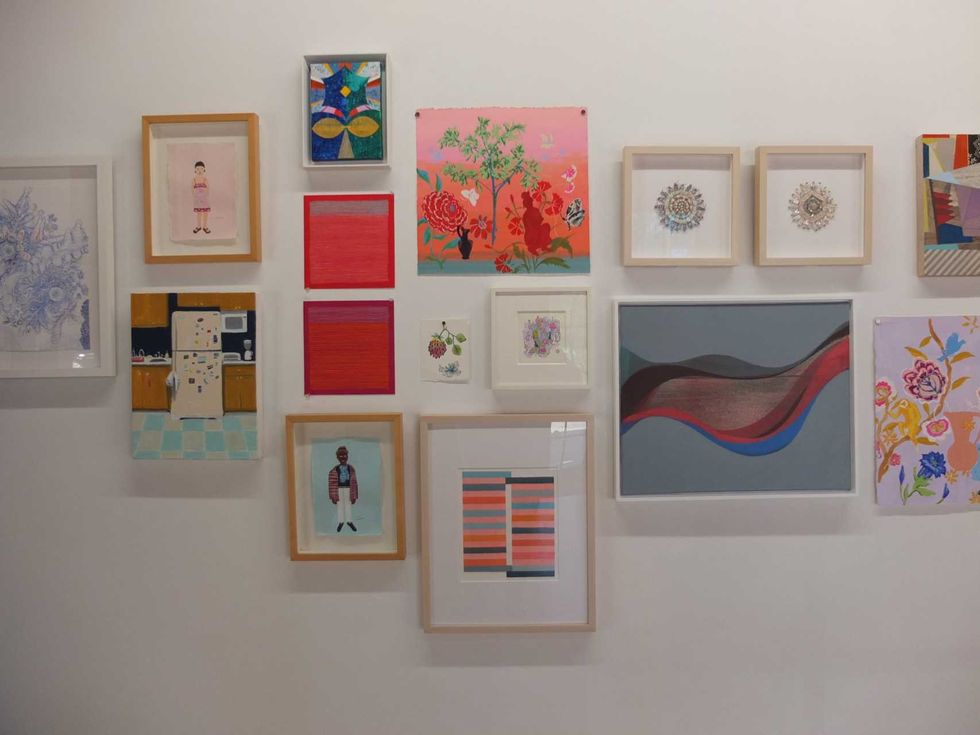
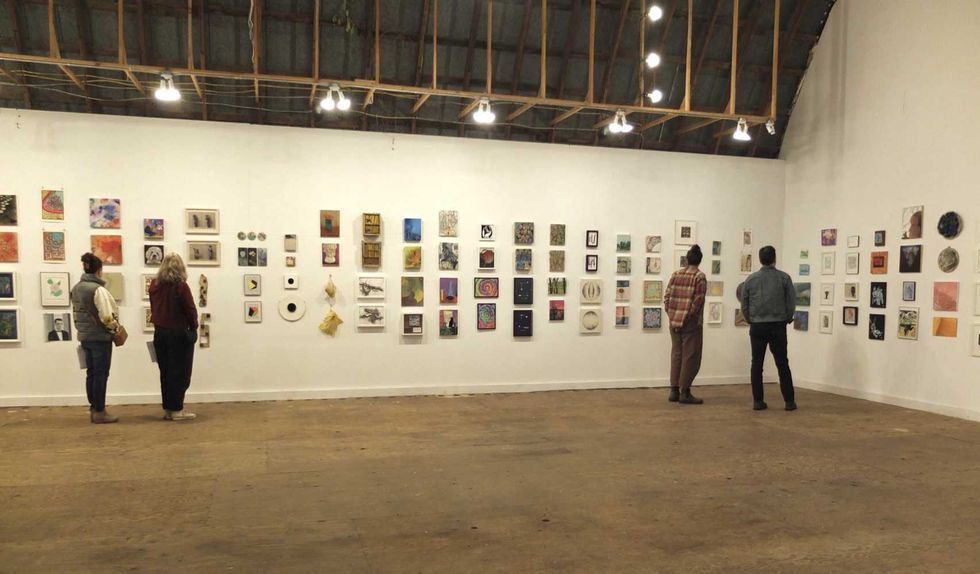
Kenise Barnes Fine Art presents “Cool & Collected ’26,” its annual exhibition celebrating the joy of collecting, featuring works priced under $2,000.

D.H. Callahan

There’s a corner of YouTube populated by real-time footage of high-dollar art sales from prestigious New York and London auction houses like Sotheby’s, Christie’s and Phillips. Hundreds of thousands of viewers routinely watch with rapt attention, popcorn and cocktails in hand, as recognizable pieces from art history make their way to the upper echelons of grossly unattainable hammer prices. Pieces can often start with opening bids of tens of thousands of dollars and work their way up to multiple millions. Bidding increments alone can grow to sums unattainable for the average American family in several lifetimes.

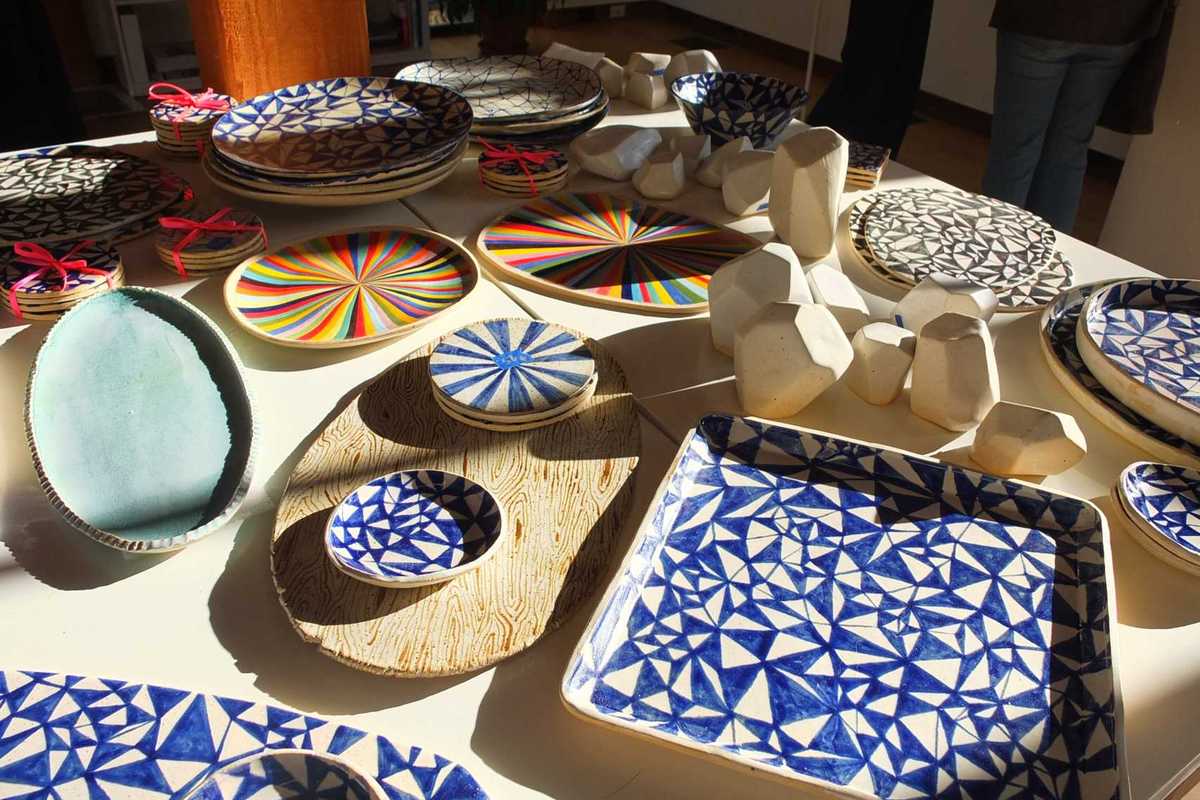
Kenise Barnes Fine Art in Kent, Connecticut, wants to help make fine art more accessible. The 2026 version of the gallery’s annual “Cool and Collected” exhibition is subtitled “The Gift Edit” and features dozens of works by fine artists at prices that are much more in reach than an art-world outsider might expect. More than 30 artists contributed pieces to the show. Almost all available works are priced under $2,000, with many below $500. The collection features paintings, drawings, collage and ceramics.

Keep ReadingShow less
Jennifer Terzian’s sanctuary for contemporary art
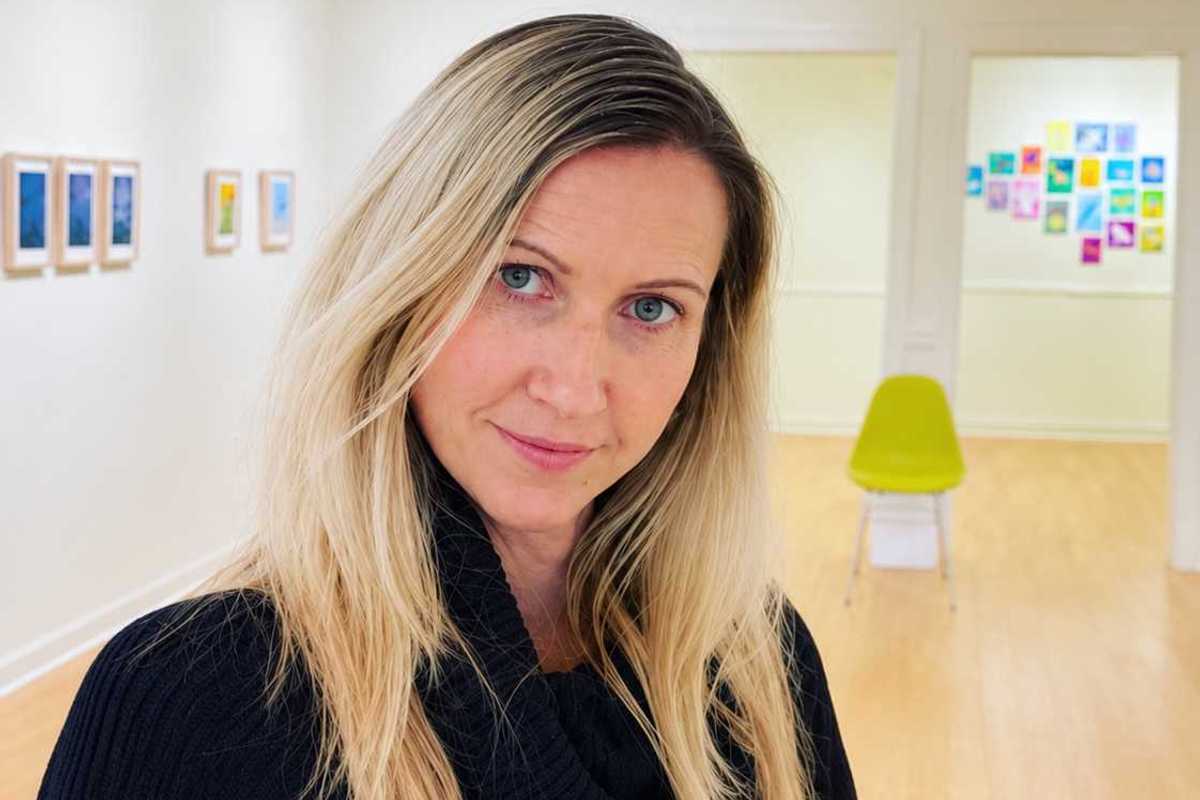
Jennifer Terzian, founder of Jennifer Terzian Gallery in Litchfield.
Provided
The gallery is really meant to create a very intimate relationship with the artist and the story behind their work.
—Jennifer Terzian

On a recent crisp, fall afternoon in Litchfield, Jennifer Terzian welcomed a steady stream of collectors, artists, and art-world insiders into her jewel box of an art space on South Street, just off the town’s manicured historic Green.

The occasion was an opening for Jenny Kemp, an artist noted for balancing fluidity and structure in her abstractions through repetition, variation, and gradual shifts in hue. Hers is exactly the kind of tactile, process-driven work Terzian champions at a subterranean space that feels less like a commercial art gallery and more like stumbling into an impeccably edited sanctuary of contemporary thought.

Keep ReadingShow less
google preferred source

Want more of our stories on Google? Click here to make us a Preferred Source.

Peter Cusack is finding the eternal in North Canaan
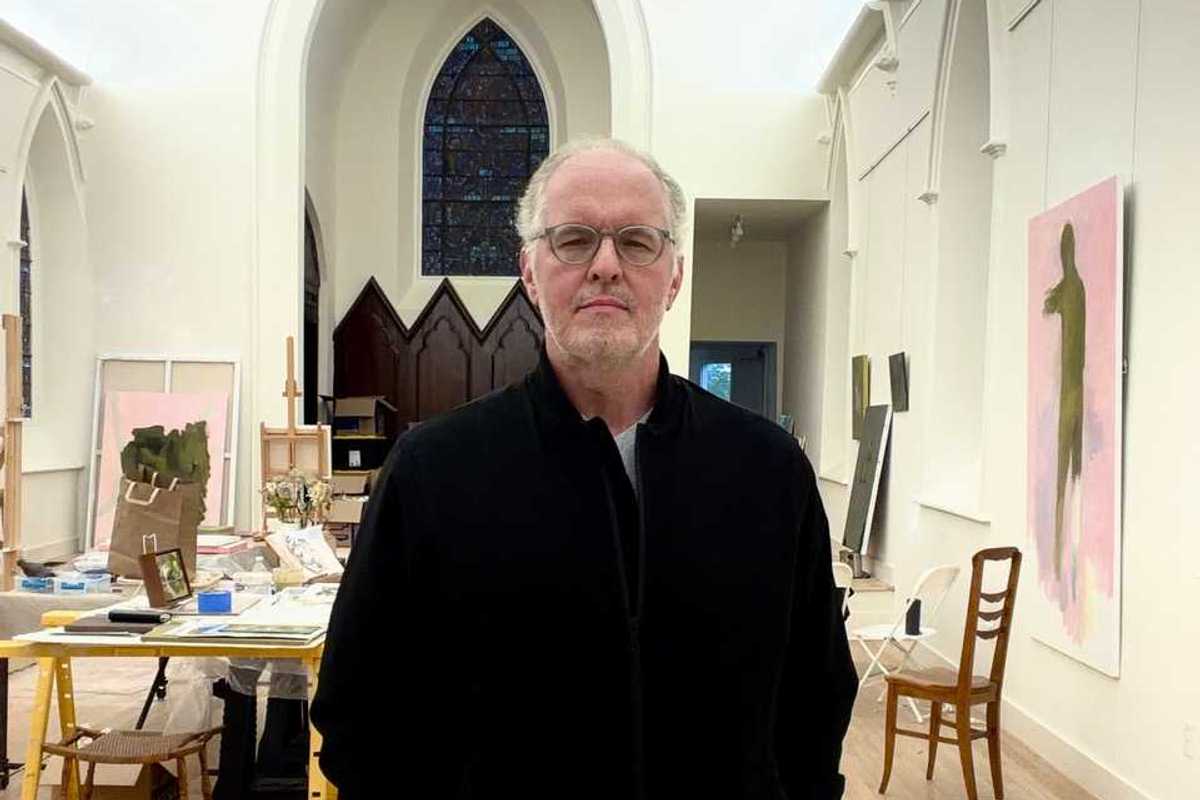
Peter Cusack in his studio.
Provided

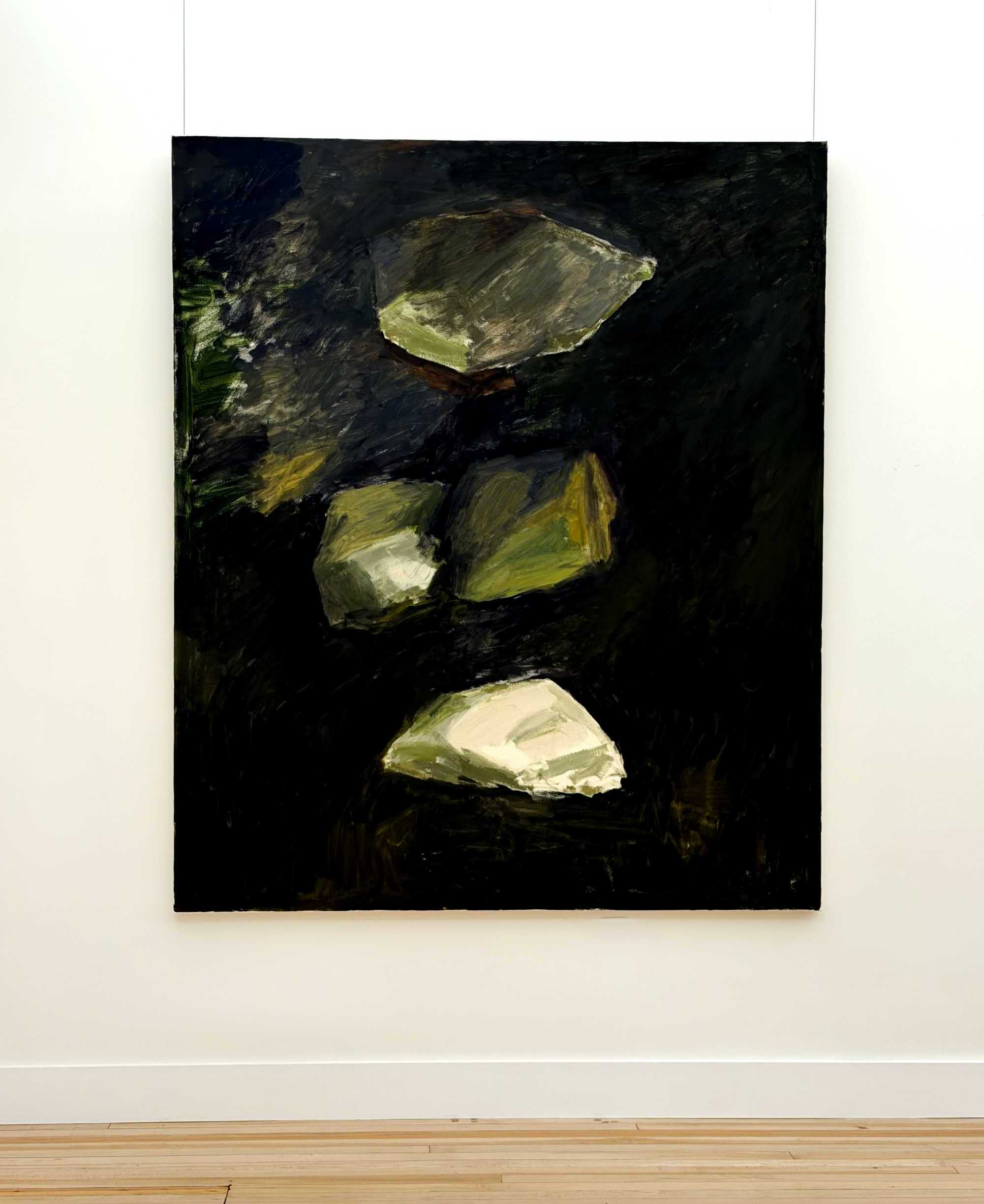
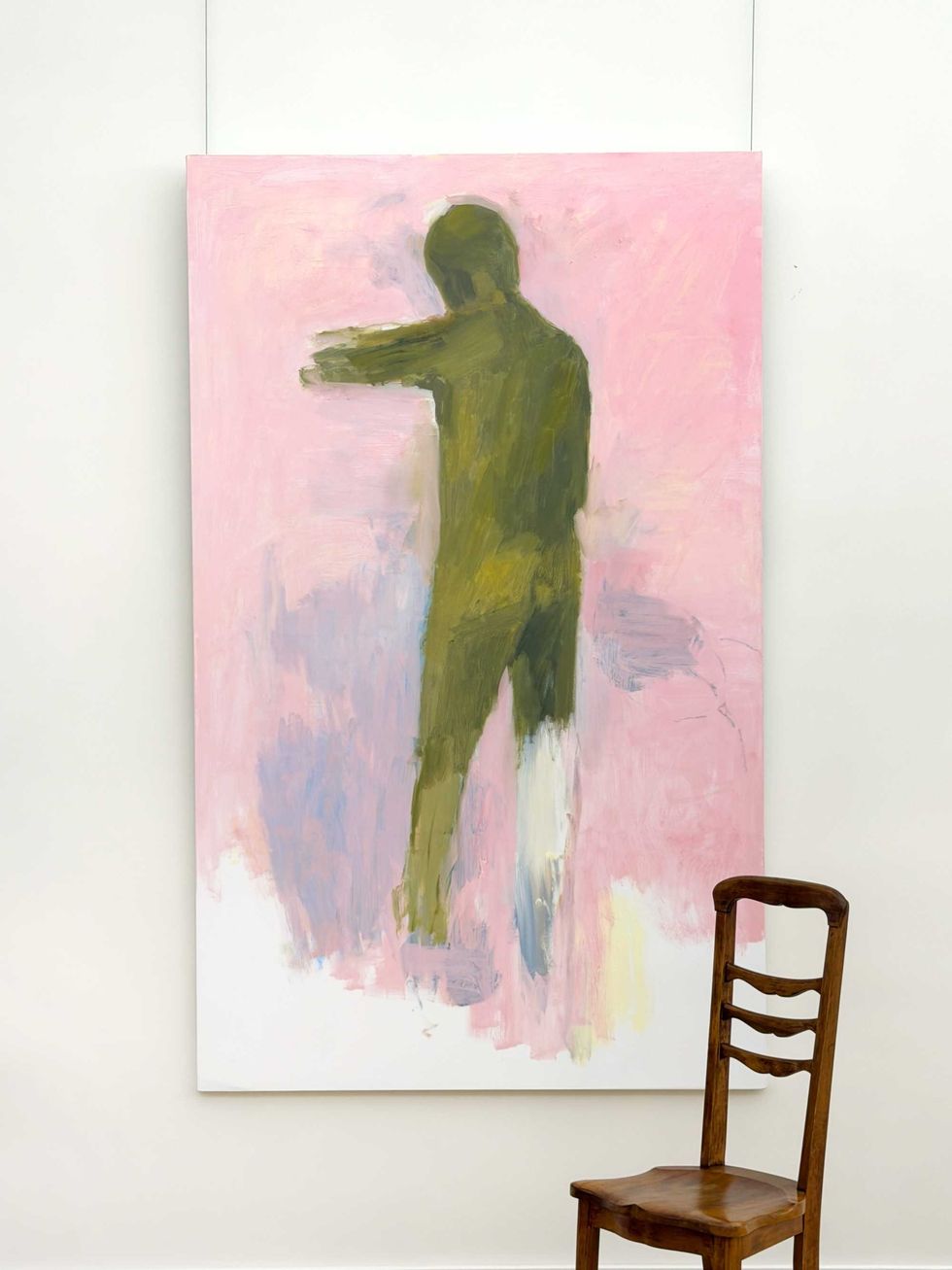
“I think art is the thing that allows us to feel there’s something in the universe that loves us,” said painter Peter Cusack in his new studio, a mid-19th-century stone church on Main Street in North Canaan.

For Cusack, art has always been a way of reaching toward something beyond the physical world. That sensibility runs through “Eternal: New, Recent, and Near Distant Paintings,” his upcoming exhibition in the church, a setting that seems an improbably good fit.

Keep ReadingShow less
Mike Selbach finds the extraordinary in everyday life
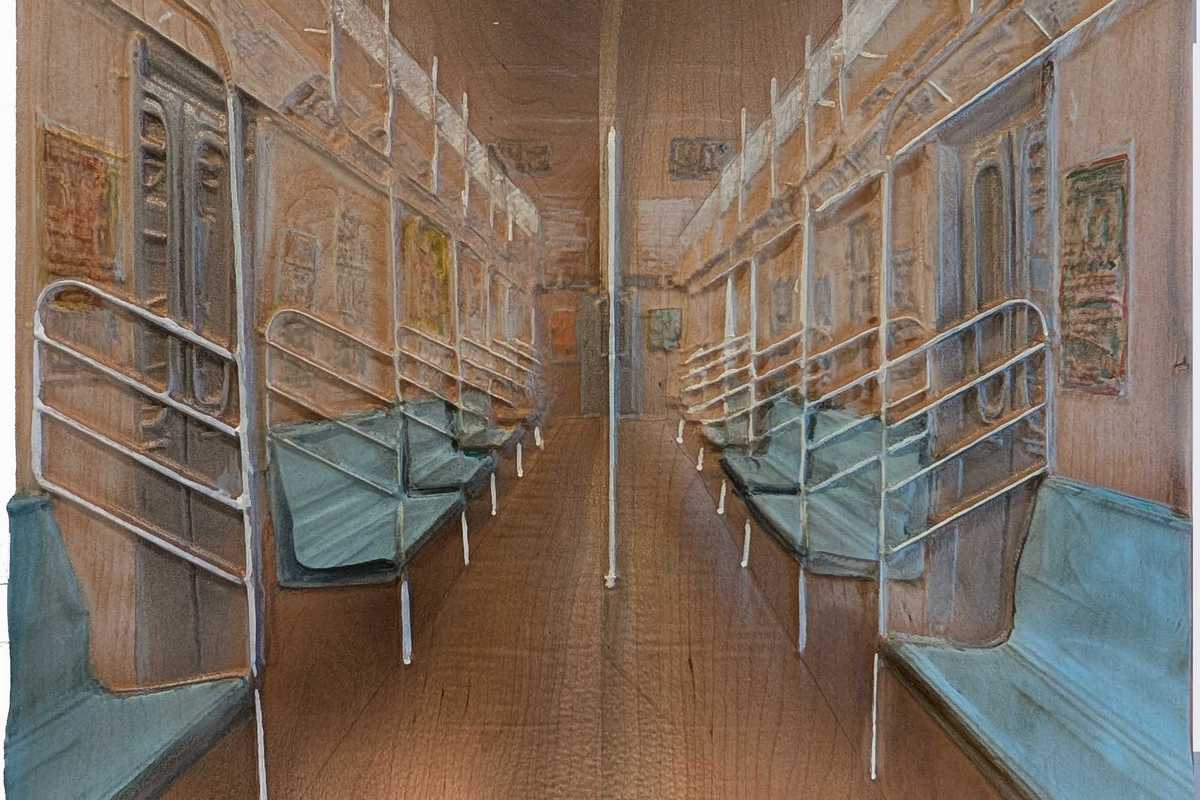
“R46 Interior” (2026). Solid cherry and acrylic, 21” x 26.75” x 0.75”
Provided

Subway stations may seem unlikely places to encounter the divine, but amid the rumble of trains, the crush of commuters and the cavernous underground passageways, Salisbury artist Mike Selbach finds moments of unexpected beauty.

In “Subway Saints,” his solo exhibition opening Thursday, Nov. 12 at the Warren Family Gallery at Berkshire School in Sheffield, Massachusetts, Selbach transforms ordinary commuters and familiar transit spaces into sacred moments.

Keep ReadingShow less

Winding down in Fall? Think again.

Winding down in Fall? Think again.

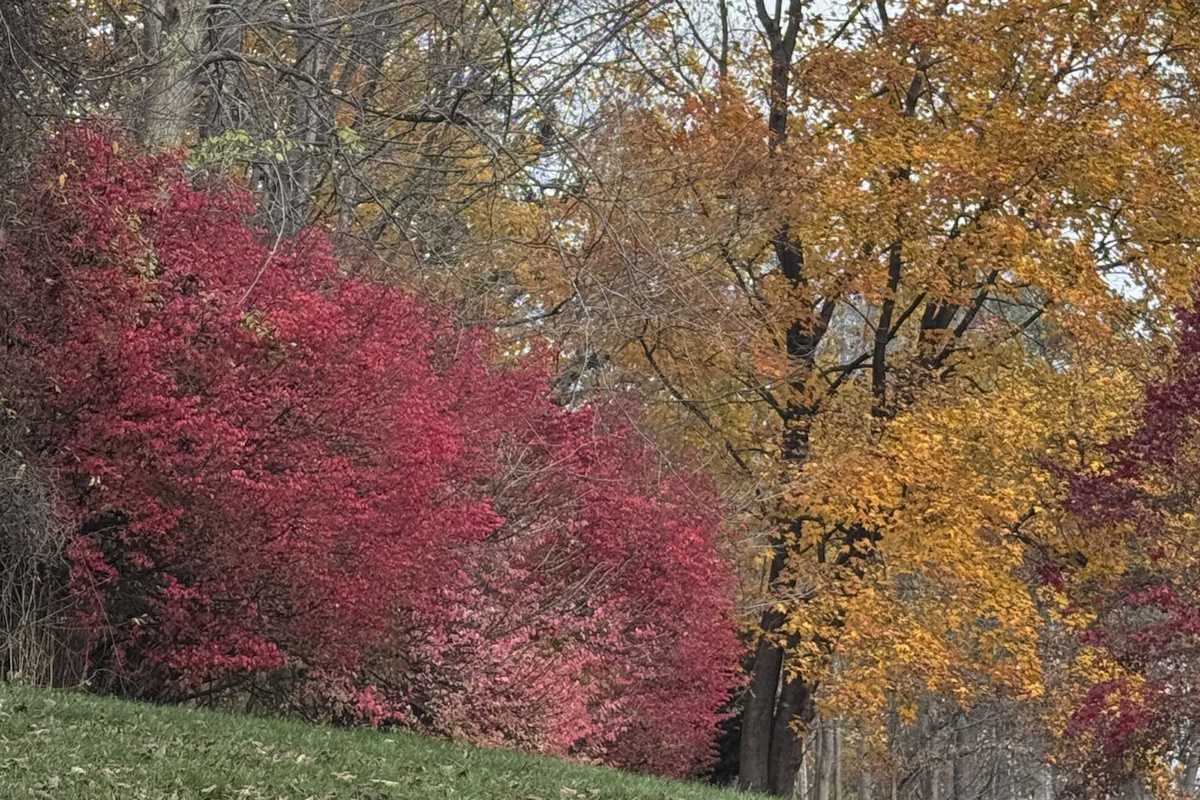
Putting the garden to bed is not just a metaphor; some blanket trees and shrubs with mulch and burlap. Think of leaves as nature’s blanket, giving precious caterpillars and other insects food, shelter and warmth during the winter. Gentle treatment of leaves now will give insects the best chance of surviving and feeding baby birds in the spring. A gentle blow or rake to move leaves from footpaths into woodland margins or under trees will work. But do not shred or mulch leaves or pile them up too densely, as this will kill the life overwintering there.

For me, fall, especially late fall, is an opportune time for action rather than winding down. Poison ivy has disappeared and, as the days get colder, tick numbers decline (still, no complacency on ticks!). Most of all, now is when the major invasive offenders are easiest to see and eradicate.

Keep ReadingShow less
google preferred source

Want more of our stories on Google? Click here to make us a Preferred Source.

google preferred source

Want more of our stories on Google? Click here to make us a Preferred Source.