For a young artist considering college, the question isn’t simply whether the work is good enough. It’s which work to show, which school might be the right fit and even whether a creative life can lead to a sustainable career.
On Friday, Oct. 16, hundreds of aspiring artists will have the opportunity to explore those questions at Hudson Valley Regional Portfolio Day, presented by The Art Effect at the MJN Convention Center in Poughkeepsie.
Now in its 26th year, the free event brings representatives from more than 30 art colleges and universities together with students seeking feedback on their portfolios, guidance through the admissions process and, occasionally, an acceptance on the spot.
Nicole Fenichel-Hewitt, executive director of The Art Effect, said the event typically draws between 300 and 400 students, with organizers hoping for about 400 this year. Some travel several hours to attend.
“We’re the only portfolio day between New York City and Boston where you can get all of these really major art universities in one shot,” she said.
For students, that means a rare opportunity to sit across from admissions representatives, show them their work and learn what individual schools are looking for.
“Every school is different,” Fenichel-Hewitt explained. “This school wants sketches, this school wants three different types of work. Sometimes they want to see a whole body of work.”
The feedback can be exhilarating, illuminating and sometimes difficult.
“It’s really amazing to see the students respond to the feedback,” she said. “At times, colleges will make acceptances on the spot.”
She’s witnessed students celebrating unexpected admissions offers, as well as others struggling with the realization that their portfolios need more development.
“Sometimes you’re even just told, ‘Yeah, you need to develop five more pieces,’ and that’s overwhelming for some students.”
For young artists enrolled in The Art Effect’s programs, critique is already a familiar part of the creative process. But Fenichel-Hewitt emphasized that admissions representatives are generally interested in encouraging students rather than discouraging them.
“They’re there because they’re marketing their schools. They want students to be applying,” she said.
The relationships students establish at Portfolio Day can also make a difference later. Fenichel-Hewitt has seen students return year after year, developing their portfolios and getting to know admissions representatives before applying.
“I’ve seen kids go to portfolio day year after year, and then apply to seven schools and get into all of them,” she said.
Even something as simple as introducing yourself to an admissions representative and getting your name on the school’s contact list can demonstrate a level of interest that may help during the application process.
And unlike the enormous portfolio events in New York City and Boston, where students can reportedly spend hours waiting to speak with representatives from popular art schools, the Hudson Valley event offers a more manageable experience.
“We usually have such a nice flow,” Fenichel-Hewitt said, “so you will get in front of the reps you want to see.”
Of course, getting into art school is only part of the equation. Paying for it — and figuring out what comes afterward — can be equally daunting.
The event includes tables dedicated to helping students navigate college applications, scholarships and financial aid. The Art Effect also works with students who receive awards to help them understand their options.
Then there’s the question that has followed aspiring artists for generations: How are you going to make a living?
“I think that’s always been a question for artists, right?” Fenichel-Hewitt said.
To help answer it, The Art Effect has offered students — and perhaps more importantly, their anxious parents — a handout called “Careers in the Arts,” listing an extensive range of creative professions.
“It’s double-sided, four columns on each side, teeny font,” said Fenichel-Hewitt, describing the sheer number of possibilities.
“Going to art school doesn’t just mean that you’re going to try to be a famous painter,” she added. “There are so many types of careers.”
And those careers aren’t necessarily confined to galleries, museums or studios.
“Anything, any object that you’ve purchased or looked at, it had to get designed first. It involved an artist.”
Fenichel-Hewitt also pointed out that a strong arts portfolio can benefit students who have no intention of majoring in art.
She recalled one student who went on to study astrophysics at Harvard University with substantial scholarship support connected to her art portfolio. Others have pursued business degrees, using their creative work as a supplemental component of their applications.
“It really sets them apart because it shows such a well-rounded approach to being a healthy, young, confident person,” she said.
Ultimately, she sees the event as something more than an audition for admission.
“It’s an opportunity to not just receive feedback, but to really explore the kind of setting and atmosphere and culture that you thrive in.”
Hudson Valley Regional Portfolio Day takes place Friday, Oct. 16, at the MJN Convention Center in Poughkeepsie. The event is free. For more information, visit thearteffect.org.

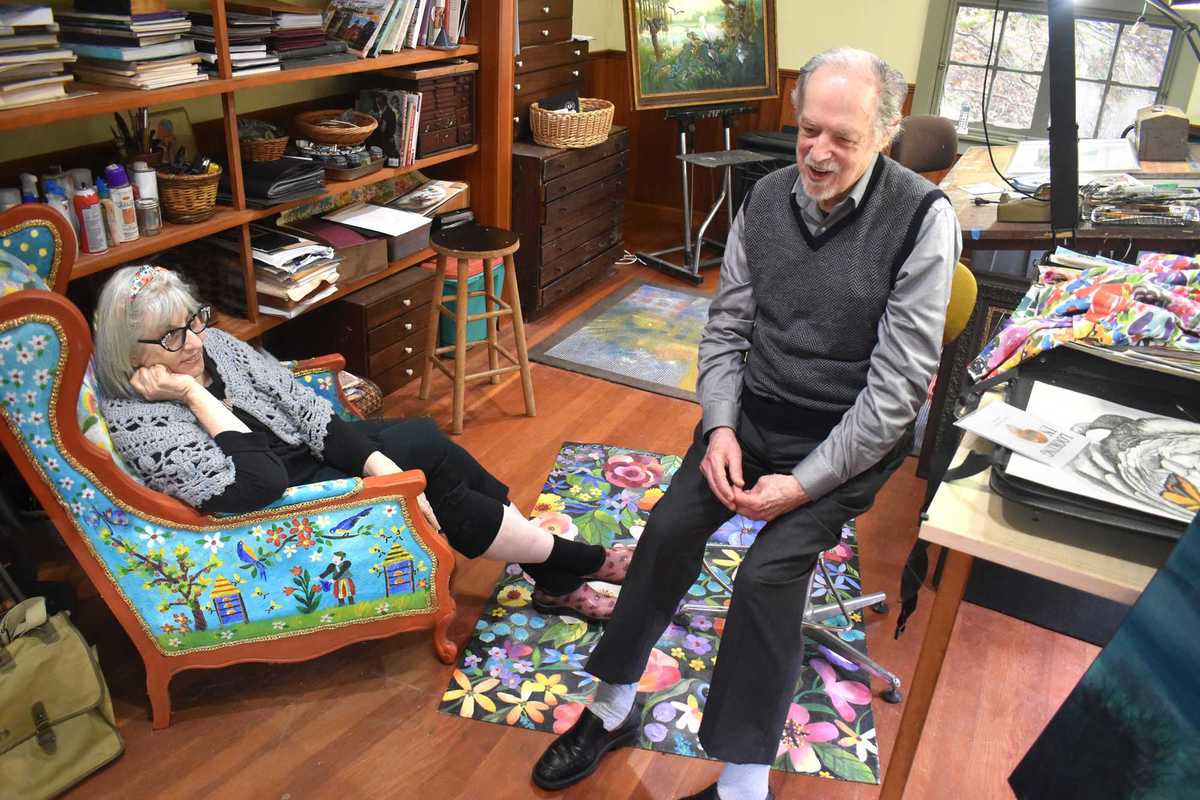
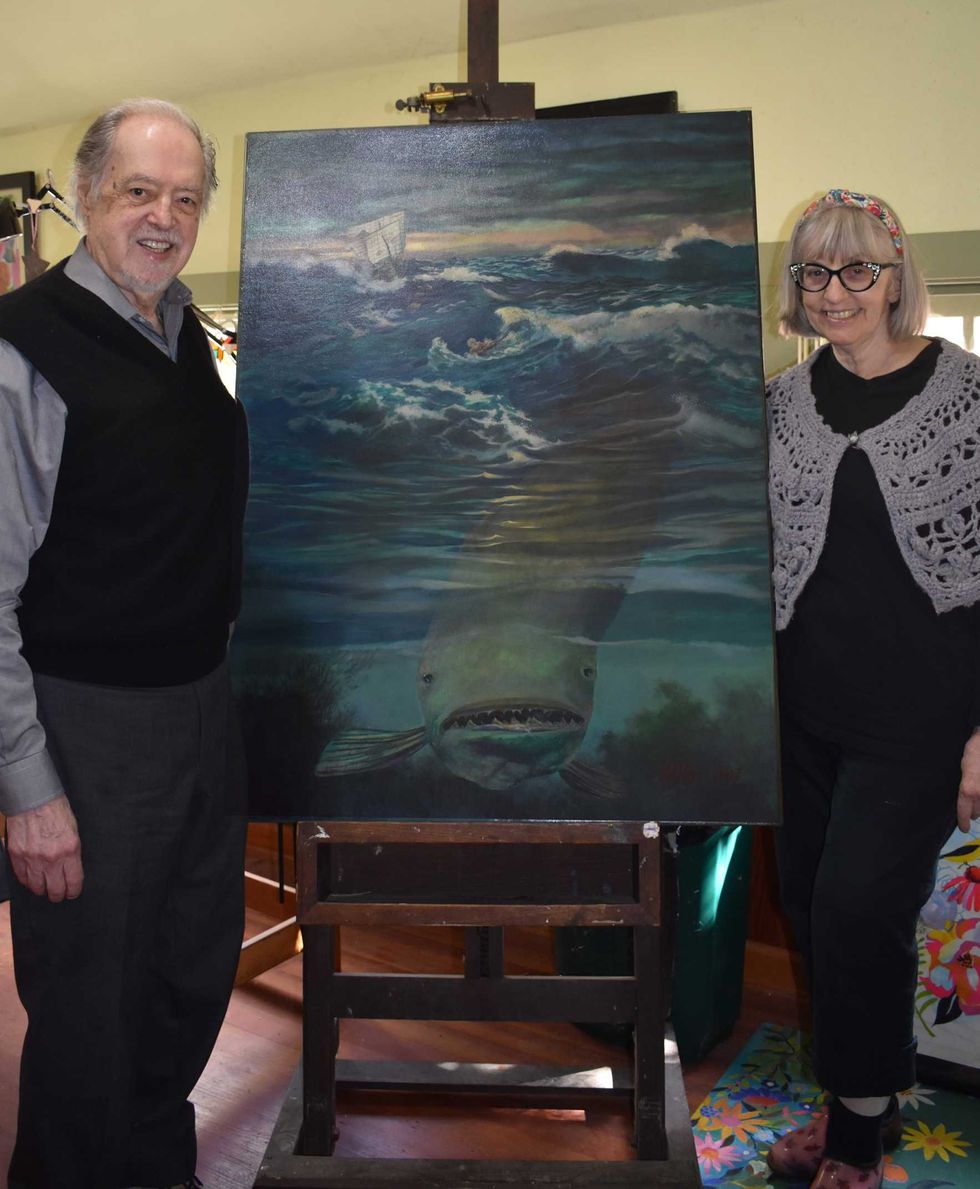 Justine and Victor Valla in their studio with a painting of Victor’s,”Jonah and the Whale.” Robin Roraback

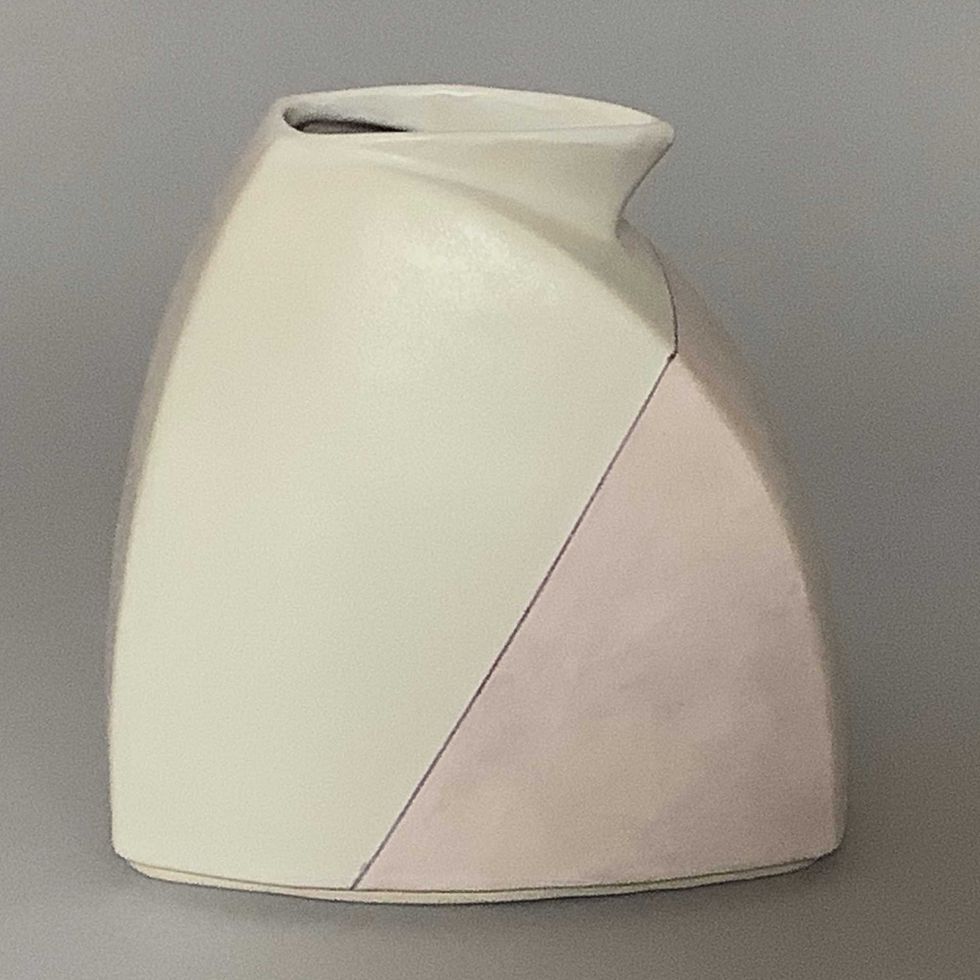 A ceramic vase by Kathleen Heidemann.Provided
 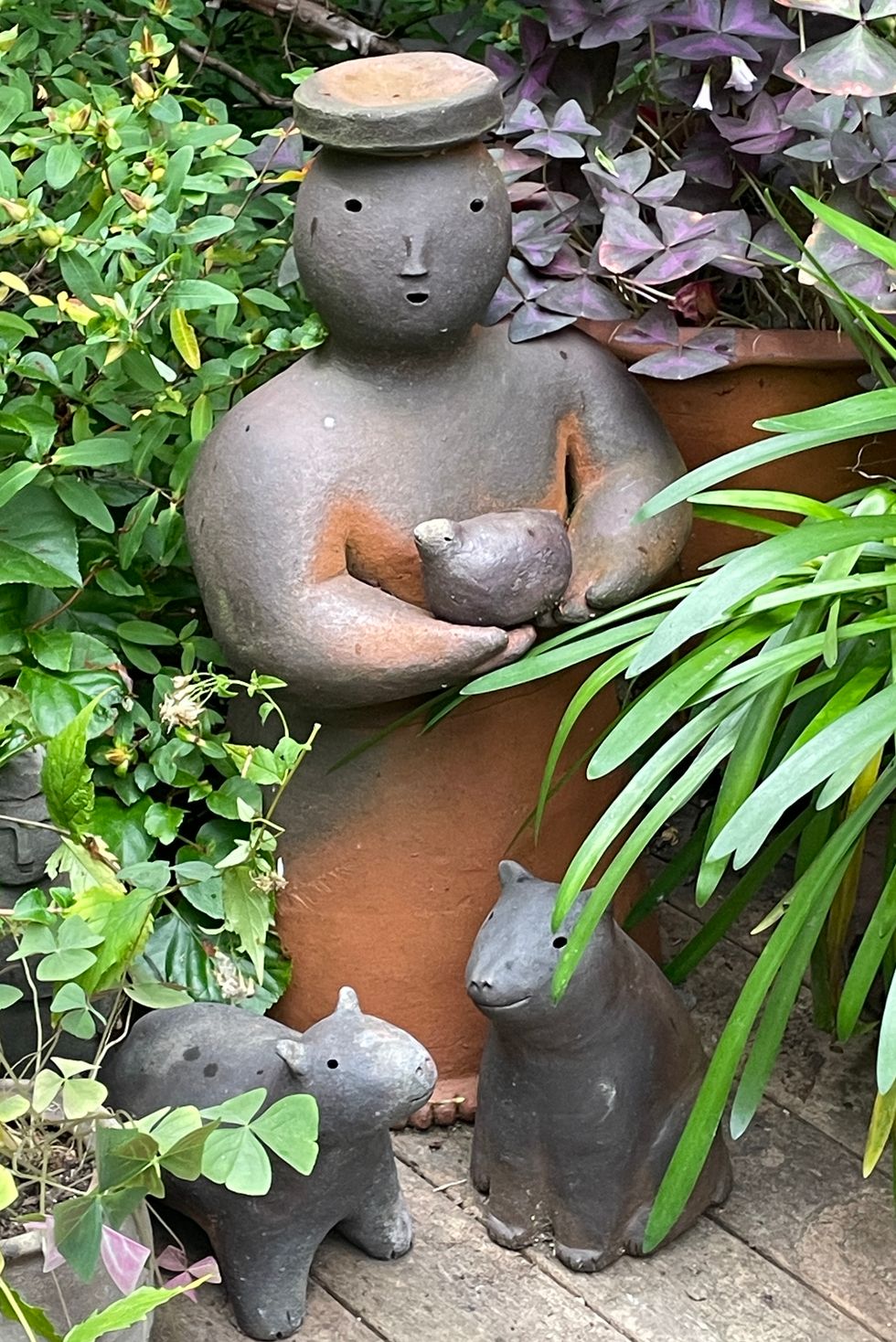 Joy Brown’s delightful ceramic sculptures.Provided
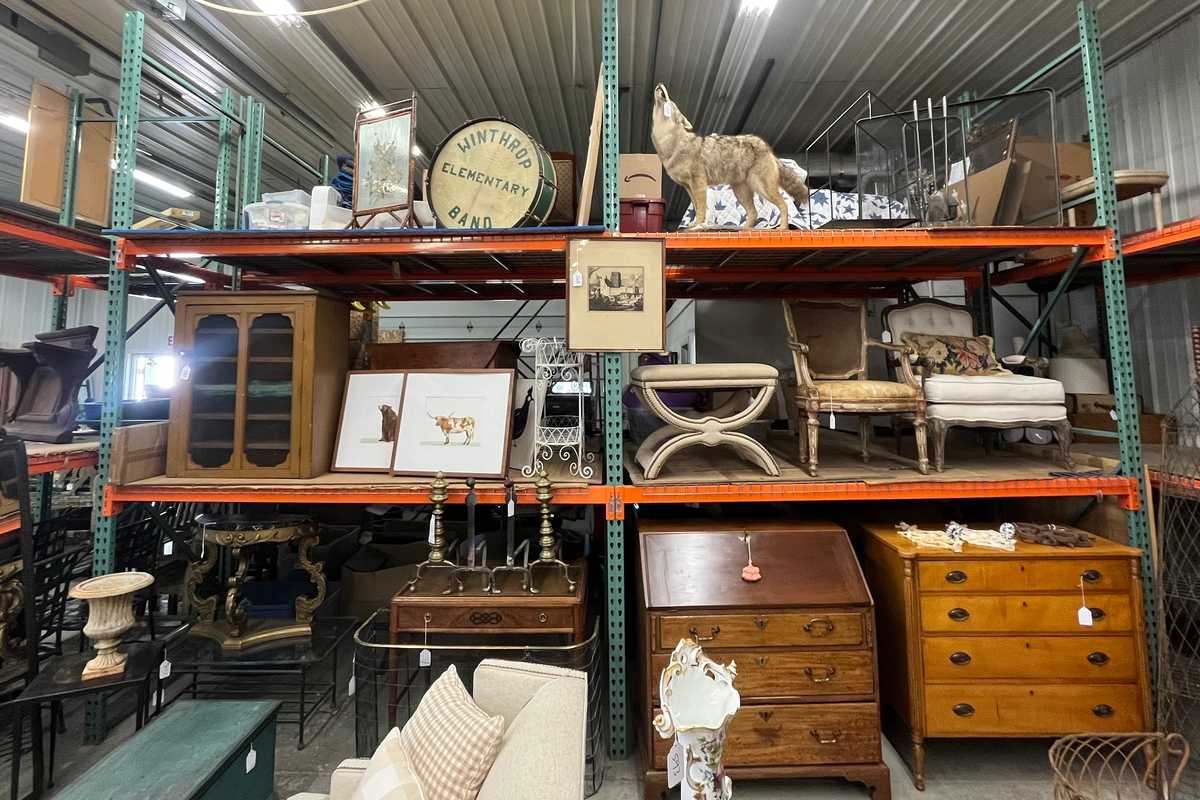
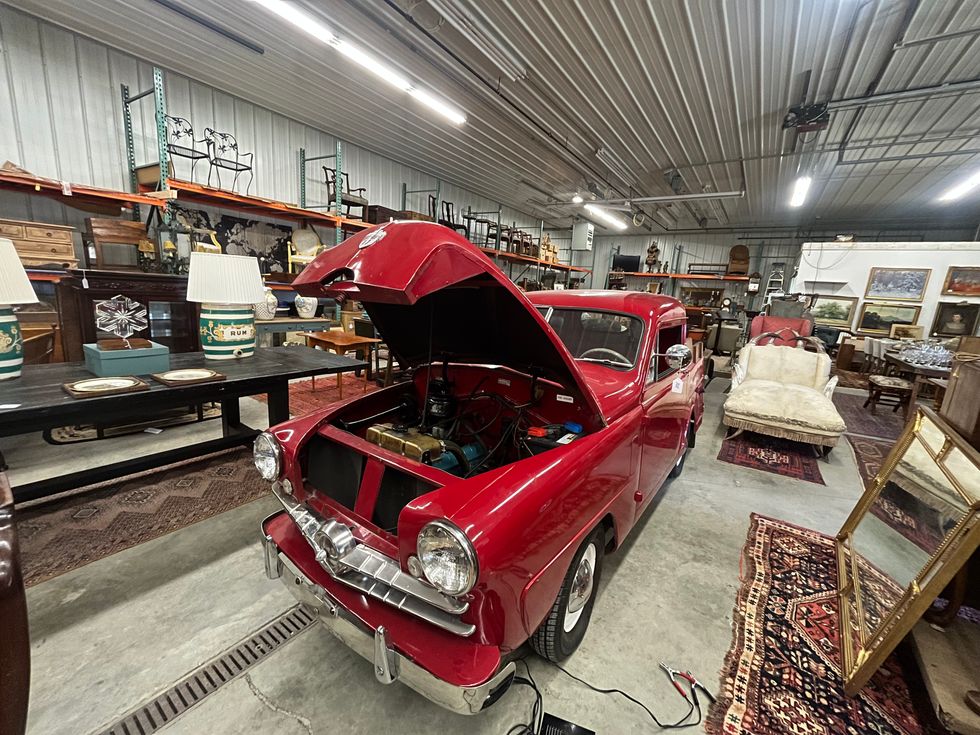 Hundreds of items at Stateline Auctions, including a candy-apple-red Crosley pickup truck.D.H. Callahan