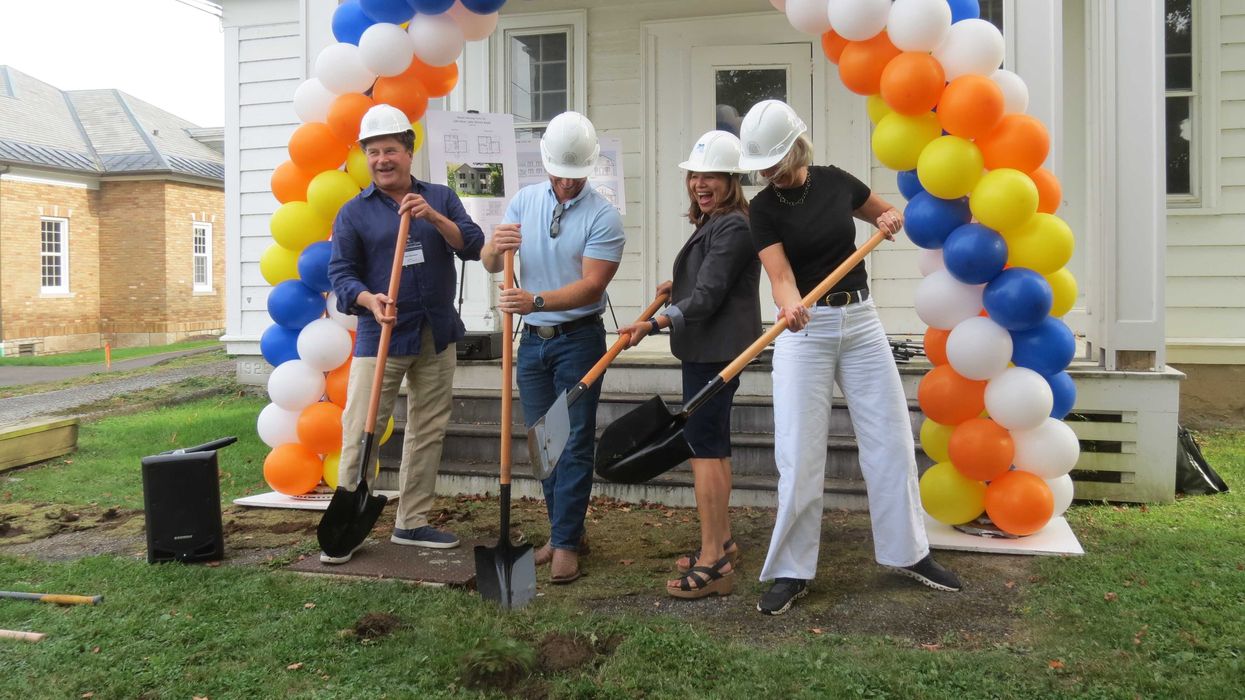
SHARON — The turning of the dirt signaled the hope for four families to find their dream of affordable housing.
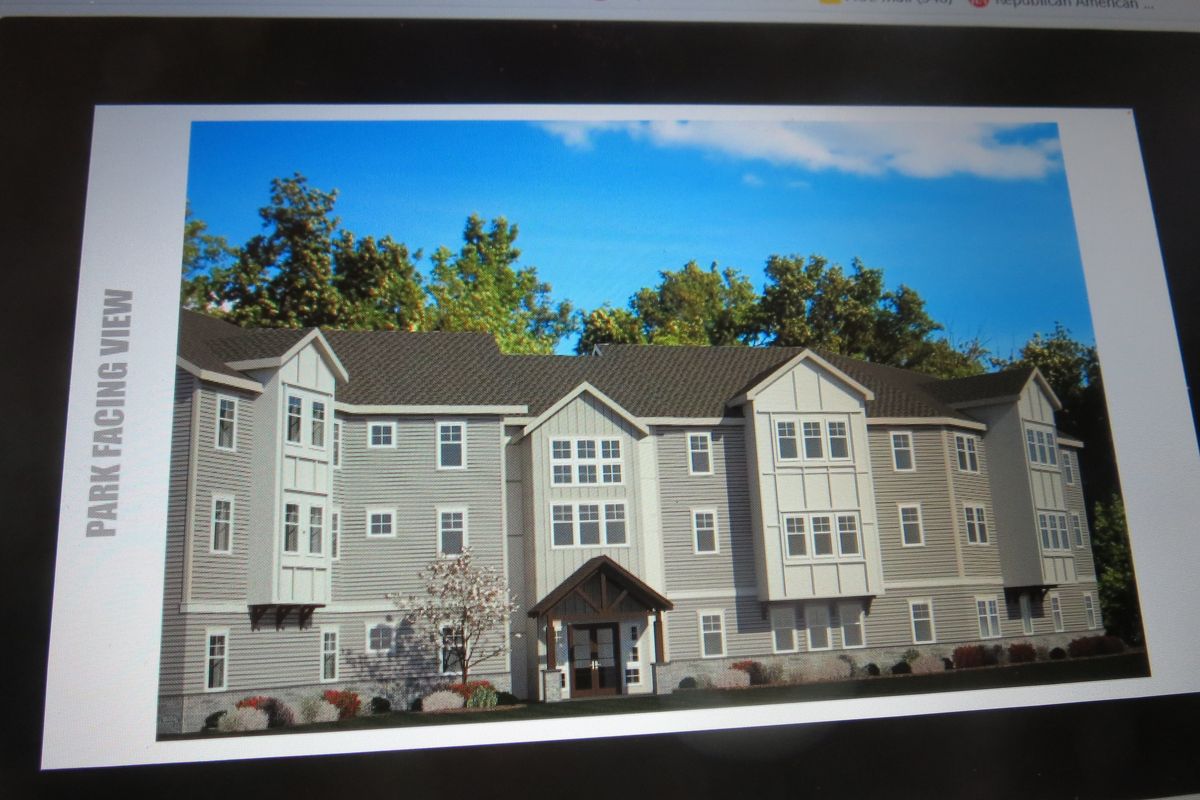
A groundbreaking ceremony took place on Sept. 29 at the former Community Center on Gay Street (Route 41) where the Sharon Housing Trust is planning to place four affordable units. Dignitaries, including Commissioner of Housing Selia Mosquera-Bruno, were in attendance, along with many Sharon residents and members of affordable housing organizations from around the region.
Richard Baumann, chairman of the trust, began by explaining the trust already owns three buildings contiguous to the center, each containing two affordable apartments.
“The former owner kept them affordable and we’re building on that,” he said, emphasizing the generosity of so many people. “He sold them to us below market value and then took the mortgage. We still had a shortfall of $100,000 and an anonymous person gave us a bridge loan that we were later able to pay back.” Several times Baumann talked about the remarkable way in which this is all coming together.
The building was the former Masonic temple, which is owned by the town. It has leased it to the trust for 99 years.
“The next remarkable thing was that the town applied for a $1 million grant from the state and didn’t get it,” he said. “We rolled the projects together (rehabbing the center and upgrading the six apartments) and the state doubled our money. We now have $2 million to do them.”
He then introduced Sharon resident Lyden Miller, a world-renowned landscape designer, who will donate her expertise in creating the look of the grounds.
First Selectman Casey Flanagan, looking up at the structure, said it has served the community for nearly 100 years and now will continue to do so in a different form.
“Sharon is a town that values its character, its history and most importantly its people,” he said. “We recognize that for our community to thrive, we must ensure that families, seniors and young professionals can afford to live here. Whether it’s through renovation of existing properties thoughtful development or creative use of town-owned land, we’re committed to solutions that preserve Sharon’s charm while making it more accessible to those who want to call it home.”
He said this project is a creative solution that reflects both fiscal responsibility and compassion.
State Rep. Maria Horn, D-64, said, “I get such pleasure out of the frequency of these groundbreakings.”
Mosquera-Bruno, after some ribbing from Baumann, promised she’d try to expedite the funding.
“Congratulations to this milestone and we thank the governor and legislature for their support of housing,” said Mosquero-Bruno. “The reality is we’re putting more shovels in the ground than ever before.”
Following the ceremony, the annual Housing Summit, sponsored by Litchfield County Center for Housing Opportunity was held next door at Sharon Center School. Affordable housing organizations manned booths on the school grounds, showcasing their projects in great detail.
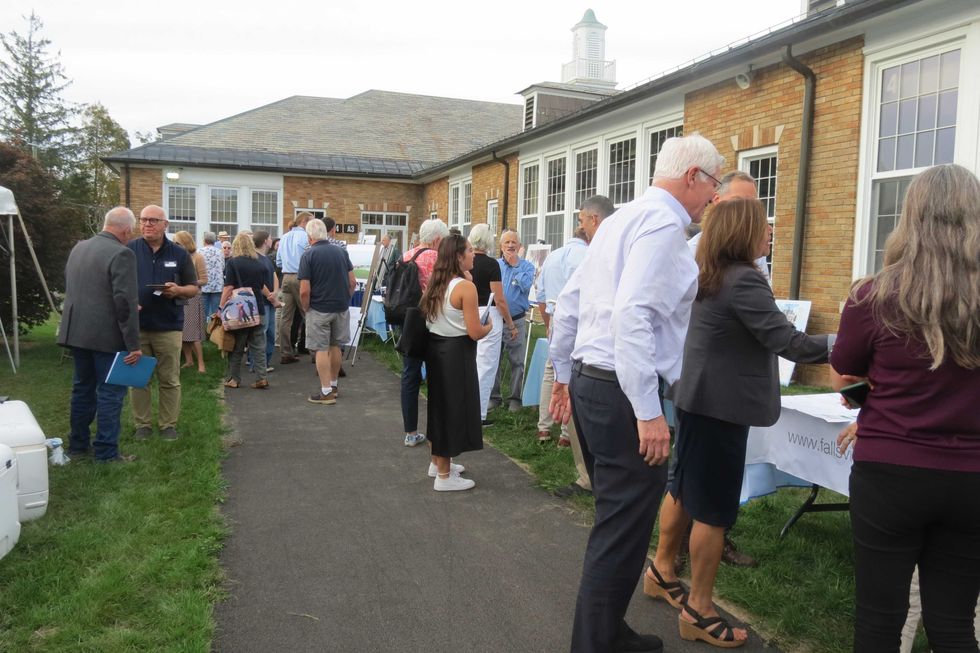 Those attending the annual Housing Summit in Sharon view the displays of affordable housing organizations around the county. Ruth Epstien
The program then moved indoors where Jocelyn Ayer, director of LCCHO, addressed the crowd and said they are working on 18 projects in 12 towns. Water bottles with the slogan “Put US back in housing” were distributed.
Mosquera-Bruno gave statistics about all the affordable units that have, or are going up, around the state. Nandini Natarnjan, CEO of the Connecticut Housing Finance Authority, who works closely with the commissioner, said solutions to housing have to fit the size and scale of the people and towns here.
“Home ownership is a dream for so many,” she said. “Our purpose is not just about giving mortgages, but sustaining civic life. It’s about creating futures for the young and older populations.”
Horn spoke about housing on a personal level, saying “Some people we know and love are getting bounced out of their homes. They are intricate pieces of our community and it’s important to remember them.”
The dialogue than shifted to House Bill 5002with Horn expressing her disappointment that it was vetoed by Gov. Ned Lamont. The bill aimed to implement reforms to make it easier for affordable housing initiatives. Horn and others see this as a setback and she hopes there will be a special session of the legislature to address the matter.
An informal survey on the most engaging display by an affordable housing group and the most informative was held. Norfolk captured the first and Salisbury the second.




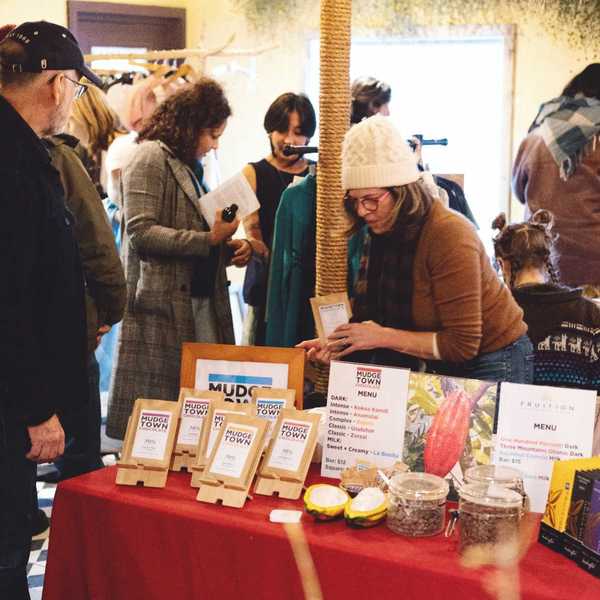 Farm & Friends 2025.Provided

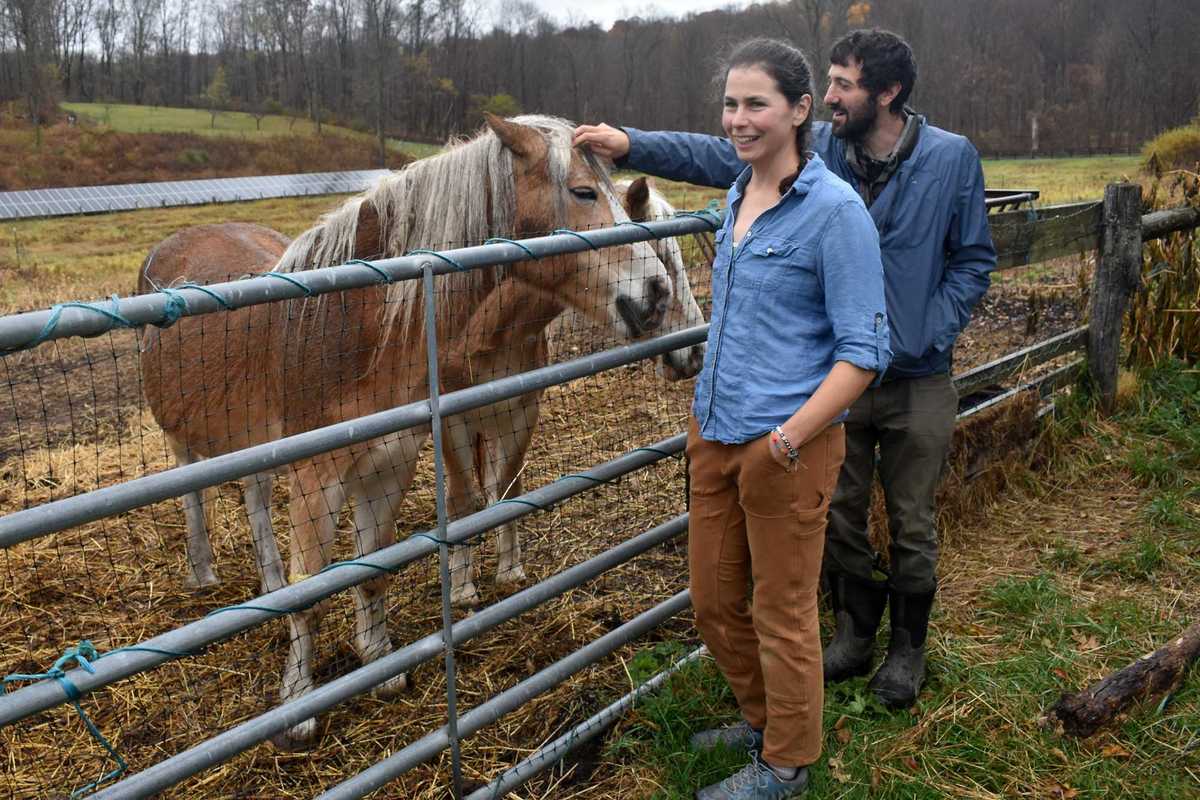
 Mark Stonehill and Miriam Goler with their winter greens at Full Circus Farm in Pine Plains. L. Tomaino


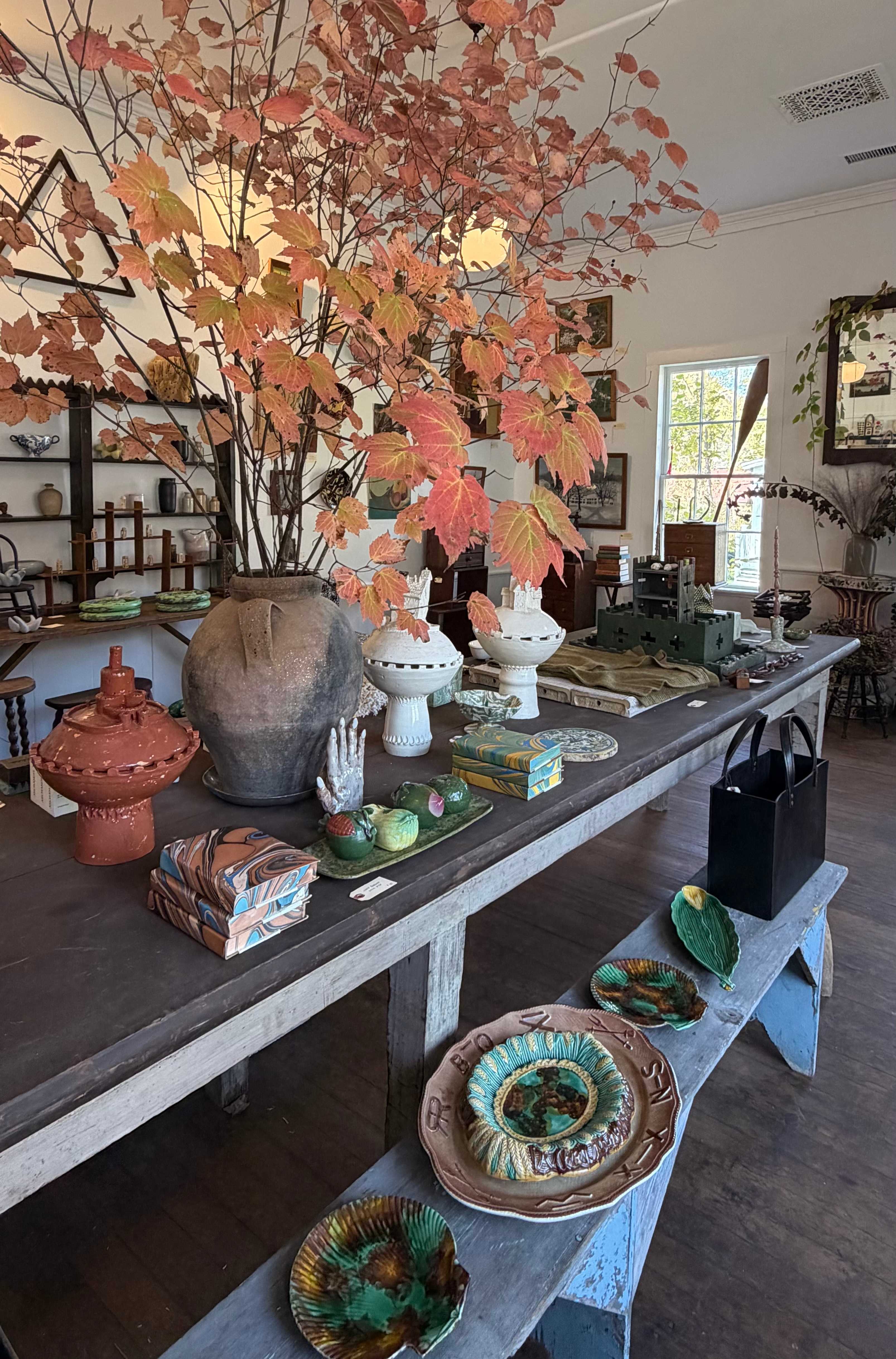 Provided