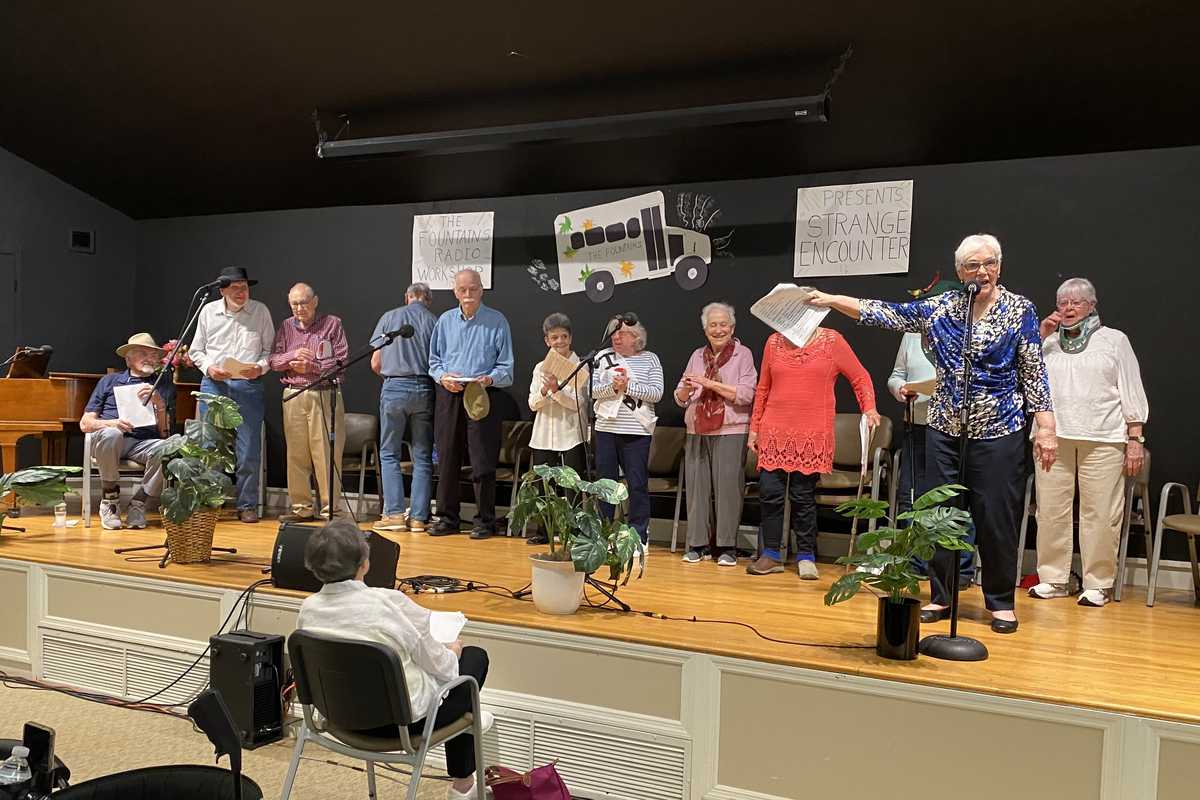
MILLBROOK — Residents of assisted living facility The Fountains received an education in archiving personal records on Monday, Aug. 17.
Archivist Margaret Cornell, a resident at The Fountains of Millbrook, presented a program to assist fellow residents with the task of sifting through accumulated items, discarding what is irrelevant, and documenting what should be kept. An audience of 17 residents gathered.
Common to the experience of many is the accumulation of a lifetime of papers and photographs stored in boxes awaiting organization. Without that organization, the family memories contained in those boxes could dim and be lost.
Purposefully archiving those materials can be the answer to keeping those stories intact.
“What is archiving?” Cornell asked at the outset.
“Archiving is the care and putting in order many types of records so that they can be preserved and researched to capture the timeline of a family,” Cornell explained.
“It can be daunting,” she said of the work that can include photos, letters, diplomas, diaries, yearbooks, scrapbooks, family records, newspaper clippings, clothing, quilts, and more.
When sorting photographs, for example, concentrate on the person represented and sort by the person, being careful to fully identify persons and the location in the photo. Write on the reverse of the photo with a pencil, not with ink.
Remove letters from their envelopes and attach the envelope with a plastic clip, not metal.
For preservation, obtain acid-free paper and acid-free boxes. If looking to preserve newspaper clippings, less essential in the digital age, but perhaps desirable to preserve family obituaries, it is best to copy the obituary onto acid-free paper.
To examine an individual document, it is best not to lay it on a table where exhaled breath would damage the paper with moisture. Instead hold it vertically.
Be sure to refold quilts and larger fabrics at least twice each year and store them in acid-free boxes, Cornell said.
The question period was active and lively, exchanging ideas for curating photos, and flattening curled photos, with tips on decisions about what to keep and what to discard.
“Never do something you cannot undo,” cautioned Cornell, recommending archival glue for scrapbooking, allowing the document to be moved without damage to the document.
Cornell concluded the session by offering to help any resident with the task of archiving their collections of boxes of stuff.






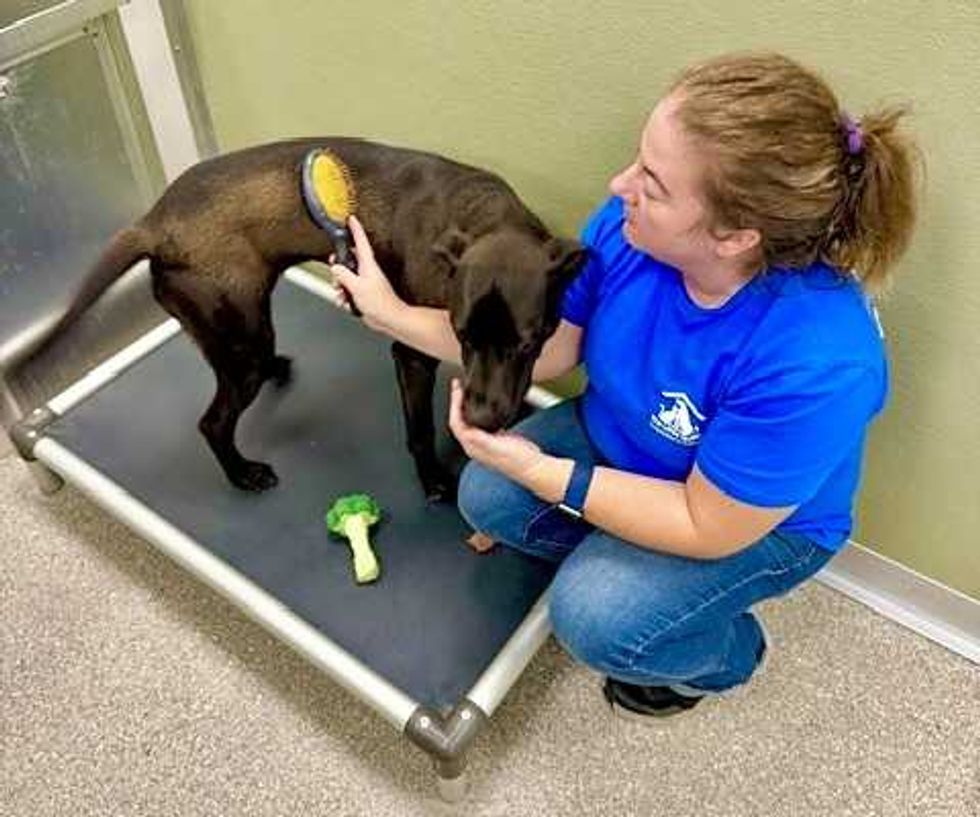 Tiffany Lemelin, shelter manager, brushing Marsala upon arrival.Provided
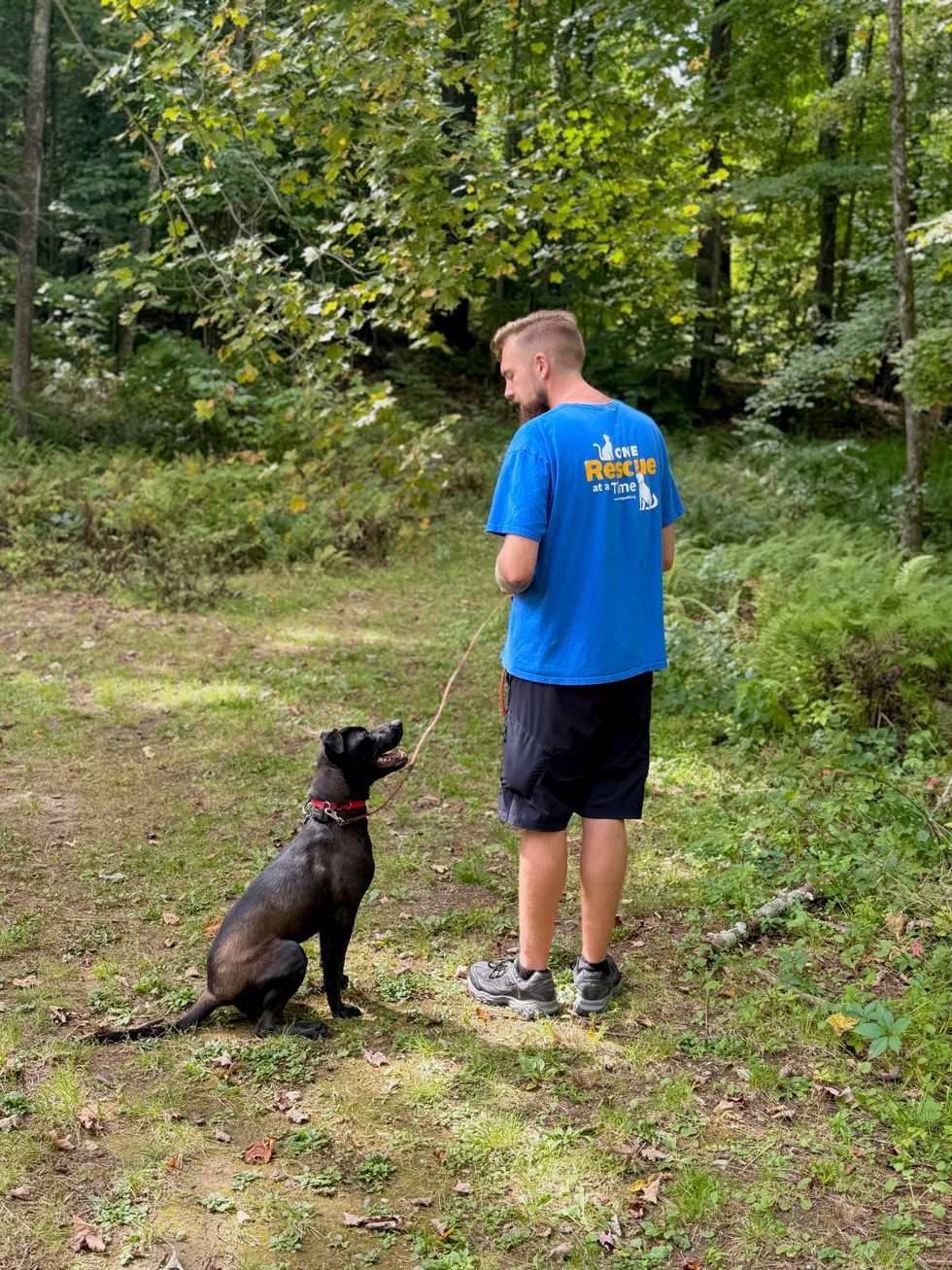 Michael DeBarba, certified dog trainer working with Marsala.Jennifer Almquist
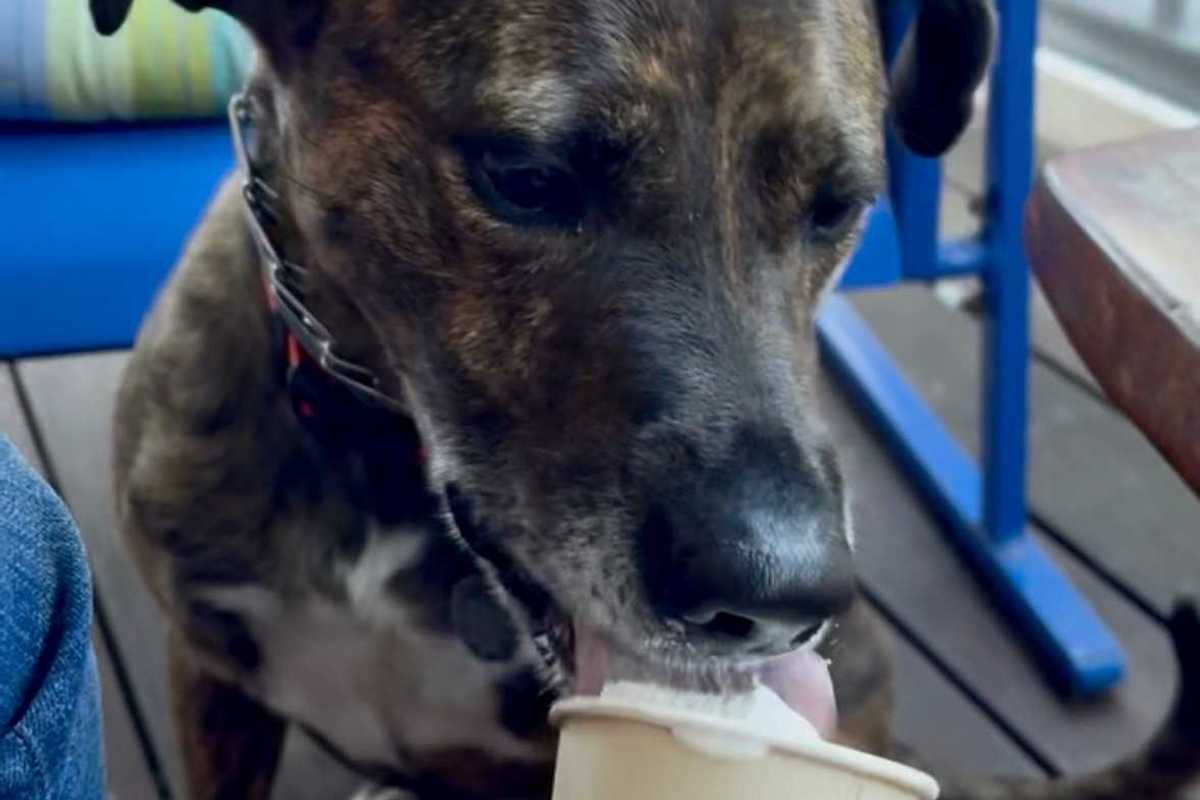
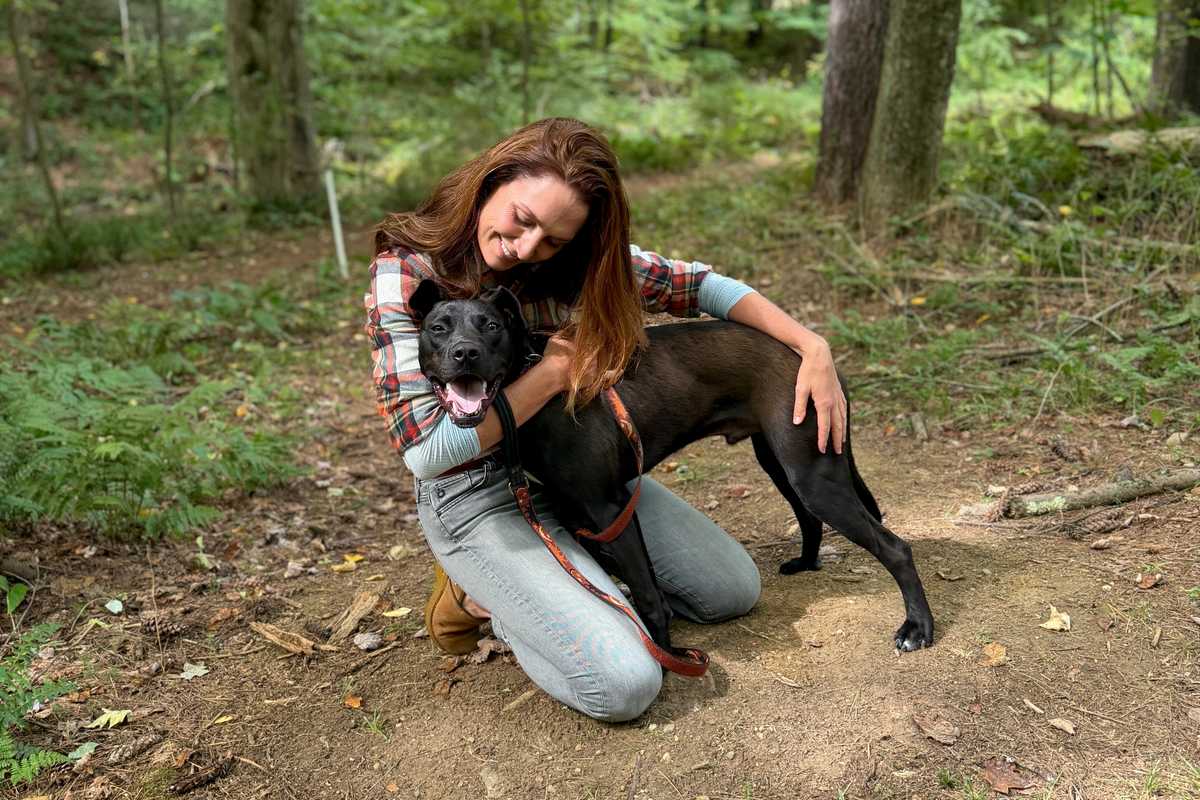 Marsala wins a heart.Jennifer Almquist
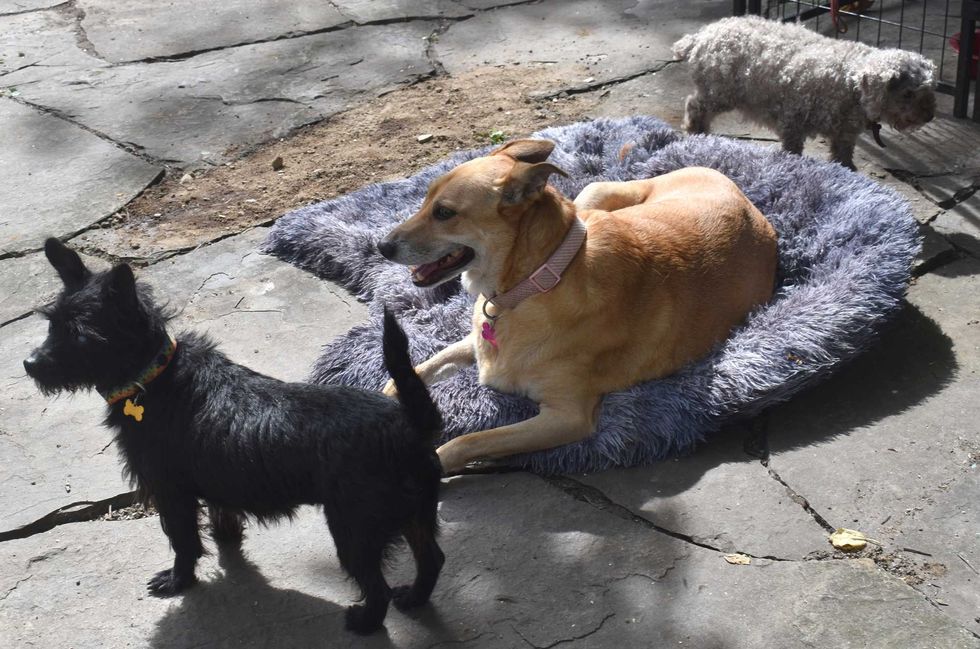 Sadie, center, a Carolina dog, plays with her friend Negra, a terrier mix. Bella Linda, the small poodle, has since been adopted.L. Tomaino
 Wesley, a young, exuberant mix, is looking for an active home.L. Tomaino
 Bonnie and Clyde, an affectionate terrier pair.L. Tomaino