

Dear EarthTalk: Now that the Trump administration has scrapped the EnergySTAR program, how can consumers make sure they are getting energy-efficient appliances? — Brian Longworthy, Puyallup, WA
Have you ever seen a little blue sticker on your appliances, or paid attention to the EnergySTAR label when shopping for new ones?
Those blue EnergySTAR labels are the most widely recognized symbol when Americans search for energy-efficient appliances. A joint effort between the EPA and the Department of Energy, the program is estimated to have saved $500 billion in energy costs and 4 billion metric tons of greenhouse gas emissions since 1992. The EnergySTAR label is only offered to appliances and homes that meet their product-specific high standards.
However, earlier this year, the Trump administration initiated plans to cut the EnergySTAR program, despite protests from economists, environmentalists and consumer advocates. With the EnergySTAR label disappearing, consumers should know how to still make energy-efficient decisions in their homes.
Another label that appears on appliances is the yellow Energy Guide, managed by the Federal Trade Commission. It lists the estimated annual energy cost ($) and electricity use (kilowatt/hour), and shows a scale comparing the product to similar models. While useful for reference, it’s important to remember that these are based on national averages, and your costs may increase if you use the appliance more or live in an area with higher average living costs.
The Consortium of Energy Efficiency places energy-efficient appliances on a Tier List from 1 through 4, with Tier 1 being equivalent to the minimum EnergySTAR standards, and Tiers 2, 3, and 4 showcasing increasing exceptional performance. While they don’t provide stickers on products, CEE has an online directory, where you can check the tier rating once you find an appliance you like and are thinking of buying.
Finally, the U.S Department of Energy and organizations like SoCalGas have guides on saving energy and electrical costs in your home. These include tips for buying new appliances, such as looking for blue-flame gas stoves or testing the seal on fridge doors. There’s advice for improving the energy usage of your current appliances, like adjusting your thermostat when away from home. Even regular cleaning of appliances can ensure they are working as efficiently and safely as possible. A 2022 study by researchers at San Jose State University found that the most impactful way for consumers to cut energy usage and costs isn’t by changing out older appliances for more energy efficient new ones but by changing their own behavior in terms of energy consumption choices based on household profile, no matter what equipment they have.
Although it’s discouraging to see the EnergySTAR program potentially cut, it’s valuable for households to make an effort to improve their energy usage or buy energy-efficient appliances, in whatever steps possible for them.
EarthTalk® is produced by Roddy Scheer & Doug Moss for the 501(c)3 nonprofit EarthTalk.






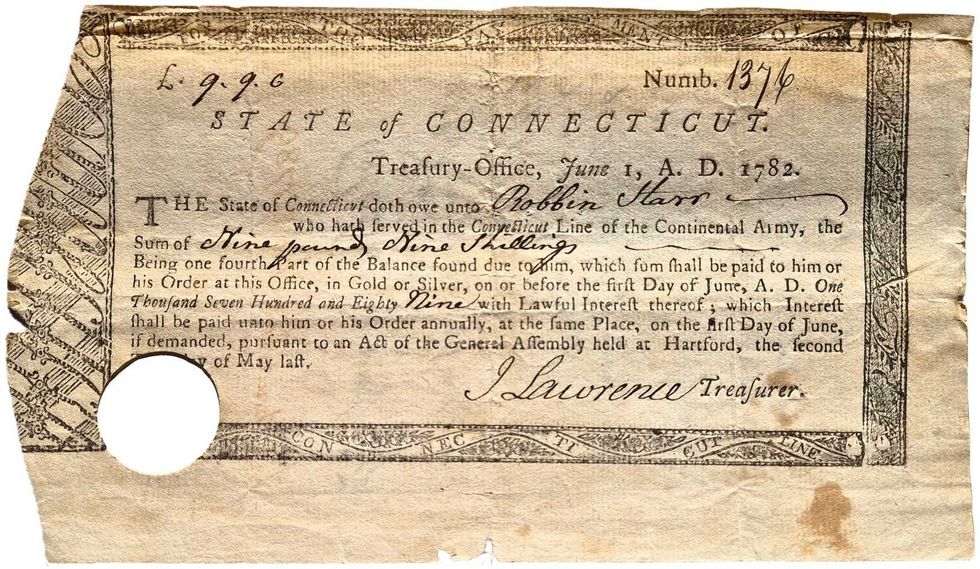 Pay Bill for Robin Starr’s service in the Continental Army.Courtesy the Alex Breanne Corporation
 John Mills speaking at Quinnipiac University.Courtesy the Alex Breanne Corporation

 Stephanie Saetta,with her rescue dog George and Blue (left), a shepherd mix awaiting his forever home.Madi Long






Is Climate Migration Already Happening?