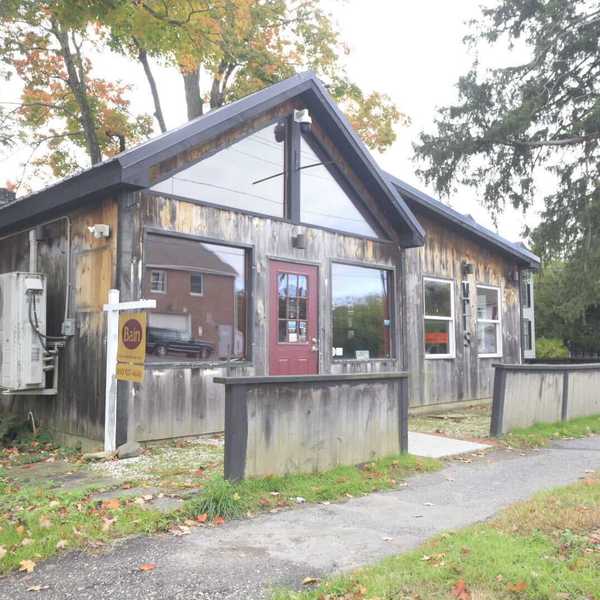
PINE PLAINS — Parents, educators, and town officials gathered Sept. 2 for a public hearing on the possible closure of Cold Spring Early Learning Center.
The hearing gave residents a chance to respond to an Educational Impact Statement prepared by a school board committee. The committee, the Building Utilization Advisory Committee, met monthly over the last seven months, touring school buildings and weighing the pros and cons of closing Cold Spring, closing Seymour Smith Intermediate School, or keeping both schools open.
The district has faced declining enrollment and rising costs over the past two decades, resulting in budget shortfalls that led the school board to begin considering consolidation last year.
The committee, which was composed of dozens of parents and educators, ultimately recommended closing Cold Spring in 2027, though three of the committee’s 20 voting members dissented.
Benefits cited by the BUAC include stronger instructional alignment, improved staff utilization, expanded support services, and long-term stability. The BUAC projects about $1.1 million less in annual costs from a combination of staffing and transportation savings, though necessary repairs to Seymour Smith will cost about $300,000. District officials have also said that leasing, rather than selling, the Cold Spring building could generate additional revenue.
But those numbers represent a best-case scenario, a point made by Stanford father and BUAC member Kyle Odell at Tuesday’s hearing. Once the cost of preparing Seymour Smith is factored in, he said, the real savings amount to less than 2% of the district’s roughly $40.5 million total budget. Odell also warned that the Anderson Center for Autism, which currently leases space inside Cold Spring, could leave if the building loses the maintenance support provided by Pine Plains Central School District.
During the public hearing, parents raised the question of the intangible benefits of having a separate space for the district’s youngest students to learn and grow. They also questioned the amount of state funding provided to the district, and wondered if the consolidation could be avoided by appealing to the state. “It’s just a general failure,” said parent Travis Christian. “Whether it’s a failure by the state for not giving us the aid, or a failure by us as a community for not paying the taxes, I just think it’s a failure no matter how this happens.”
Districtwide K-12 enrollment has fallen from a peak of nearly 1,500 students in 2002 to just under 800 today. The school board first considered closing Cold Spring in 2024 amid warnings that the district could lose as much as $4 million in state aid. That funding was ultimately preserved, temporarily shelving a closure vote, but rising employee health insurance costs and other fixed expenses have continued to put pressure on the school budget.
The board formed the BUAC this past February after residents, many of them Stanford parents, turned out to demand a comprehensive study before any final decision. Tuesday’s hearing was a step the board took specifically to give residents a formal forum before any vote.
The committee identified several benefits of consolidation. Special education services would no longer be split across two buildings, teachers who divide their time between Cold Spring and Seymour Smith would no longer lose time traveling between the schools, and families would have a single location for drop-off and pickup.
The Seymour Smith principal has also reviewed the building’s available space and determined it can absorb the additional students. Superintendent Brian Timm, for his part, walked the audience through the district’s yearslong “right-sizing” effort before public comment opened, stressing that the process has been documented in public view since 2024 and that the BUAC itself exists because the board listened to earlier community pushback rather than acting on its own.
The Educational Impact Statement remains posted on the district’s “Future-Ready Organization” information page alongside years of enrollment data, meeting minutes, and community forum results. A formal proposal is likely in the coming weeks.
Whatever the board ultimately decides, officials and residents alike appear to agree on the underlying problem: a district built for nearly twice its current enrollment, facing rising costs it did not choose, now has to find a workable path forward.




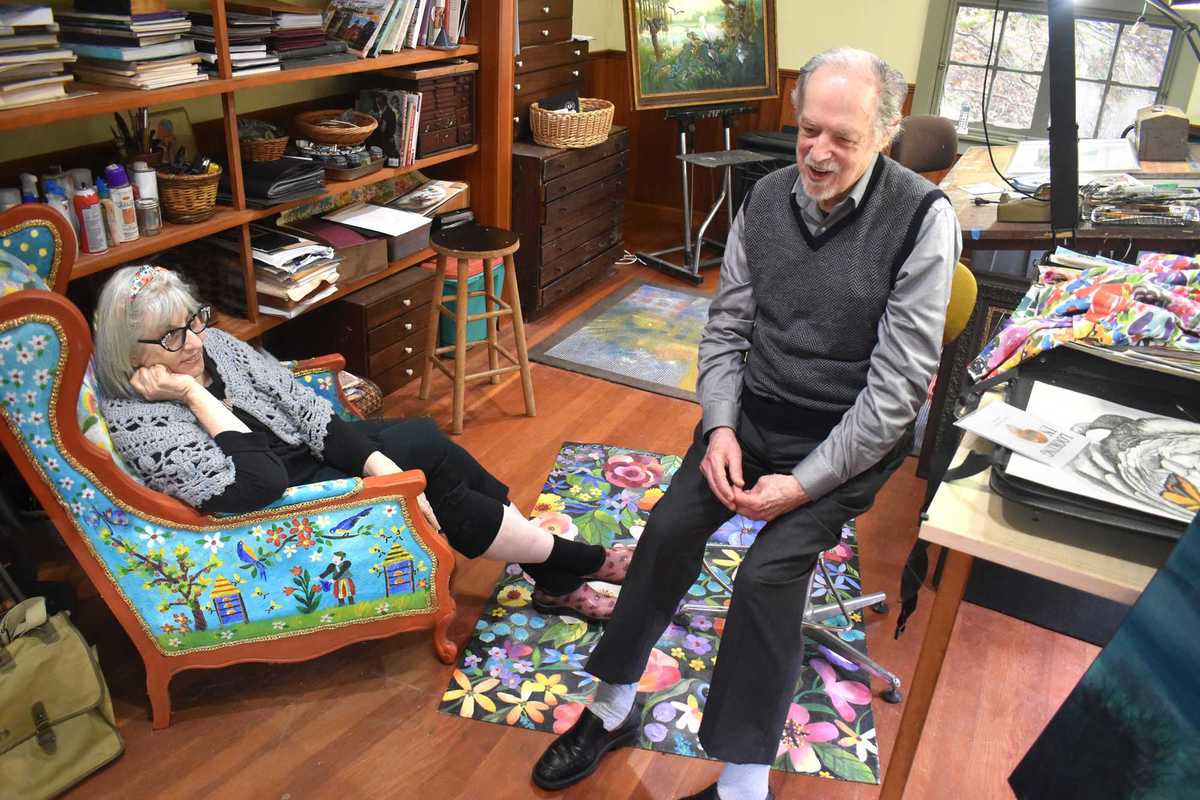
 Justine and Victor Valla in their studio with a painting of Victor’s,”Jonah and the Whale.” Robin Roraback

 A ceramic vase by Kathleen Heidemann.Provided
  Joy Brown’s delightful ceramic sculptures.Provided