MILLERTON — A mystery man attended the Village Board meeting on Monday, April 10, along with four village residents. A public hearing was opened on the proposed 2023-24 budget for the village, and comments were received and responded to from the audience concerning recreation and the wastewater project.
The board then tackled closing the approximately $13,500 gap that would allow the village not to exceed the New York state tax cap on taxes levied. This was accomplished by modestly increasing revenues from the fund balance from $25,000 to $35,000 and decreasing potential unemployment insurance costs by $3,500 to $6,500. All trustees approved the modifications.
The village budget of $720,000 pays for the expenses of the village government, the police department, the highway department, recreation, streetlights, and even trees. In fact, it will spend less next year than the fire district. Overall, budgeted revenues and expenses have been reduced from last year by about $125,000 when the village received grant money for the wastewater project and invested in computers.
Important other changes are reduced police department expenses of $92,228 from $119,059 last year because the Town of North East has terminated its historic contributions to police coverage. Expenditures are forecast to increase for the highway department by $28,000 with the addition of a full-time superintendent, and by $9,000 for employee benefits to total $55,000.
After closing the tax cap gap, the trustees discussed whether to pass Proposed Local Law A of 2023, which would allow the village to exceed the state calculated tax cap. The trustees felt comfortable that the cap would not be exceeded and wanted taxpayers to know it was the trustees’ intention to stay below the arbitrary limit.
Next year, anticipated village property taxes will rise to $456,000, an increase of 2.9% over last year’s taxes. No trustee was willing to make a motion to vote on the Local Law A and it was rescinded. Typically, these laws are passed as safety nets in the event that the final budget does go over the tax cap.
The $305,000 budget for the water district was also approved at the meeting. The cost of the water system is completely covered by the quarterly flat fees that town and village residents pay for municipal water. Expenses include allocated salaries and benefits, utilities, chemicals, testing, repairs to water line breaks, and interest.
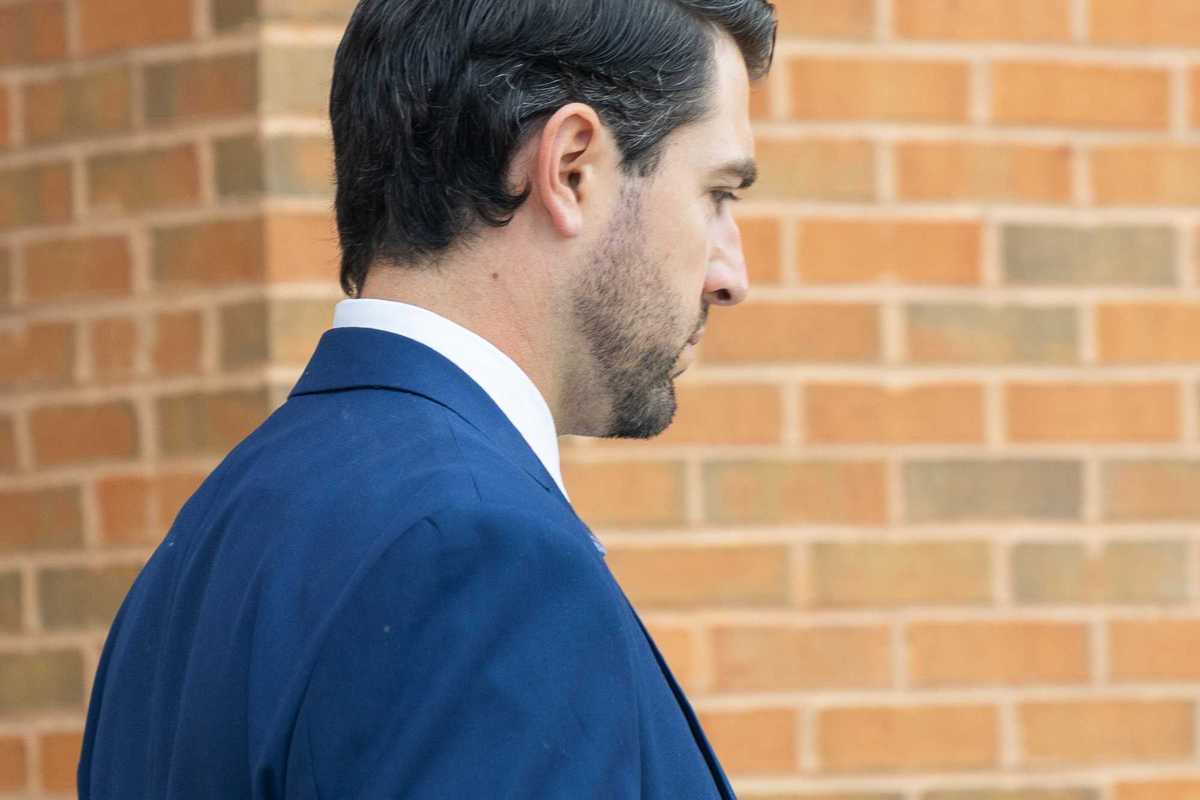
The board then went into executive session with only the mysterious man mentioned above remaining in the room with the trustees. The identity of Joseph Olenik was revealed when the trustees returned to announce the hiring of a chief of police (COP) to supervise the Millerton Police Department.
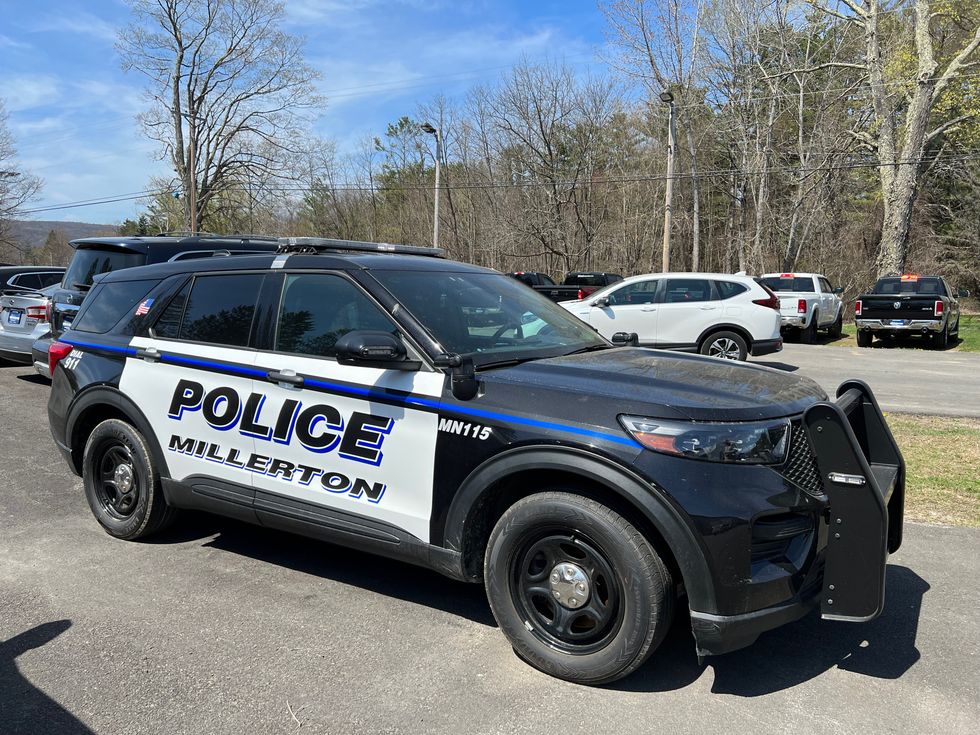
The village police have remained on paid leave since March 28 when the village trustees followed the recommendation made in the village police department study to hire a qualified COP to supervise the department and to suspend activities until a chief could be found.
Olenik will be hired at a salary of $25,000 per year and is expected to work about 20 hours a week. The mayor of Millerton, Jen Najdek, expects Olenik to officially start once there is final approval from the Department of Criminal Justice and Civil Service.
Najdek later explained to The Millerton News that Olenik had reached out to her about the position after hearing about the Millerton police study.
On Monday, April 17, the board met briefly to extend the paid administrative leave of two part-time Millerton police officers, Erik Breen and Michael Veeder, until the end of the month.
The trustees expect Olenik will be officially approved by all authorities to become Millerton’s chief of police and will begin supervising the department by Monday, May 1. Breen and Veeder will receive pay based on their average work hours per week for the last three months they have reported for duty.







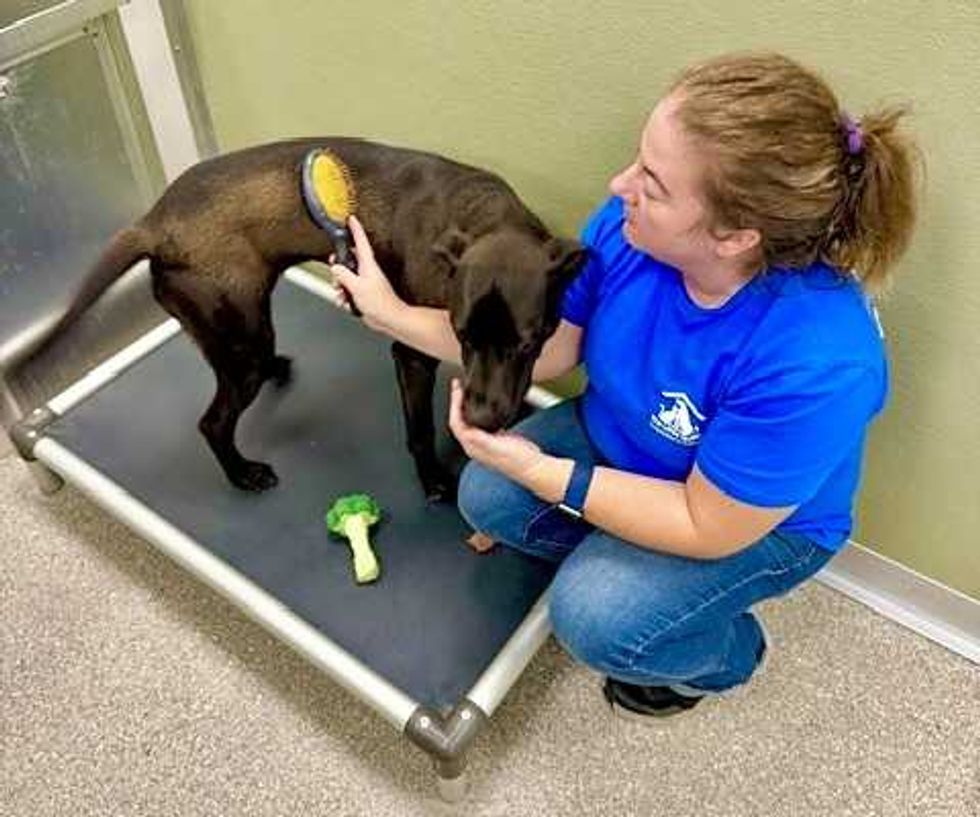 Tiffany Lemelin, shelter manager, brushing Marsala upon arrival.Provided
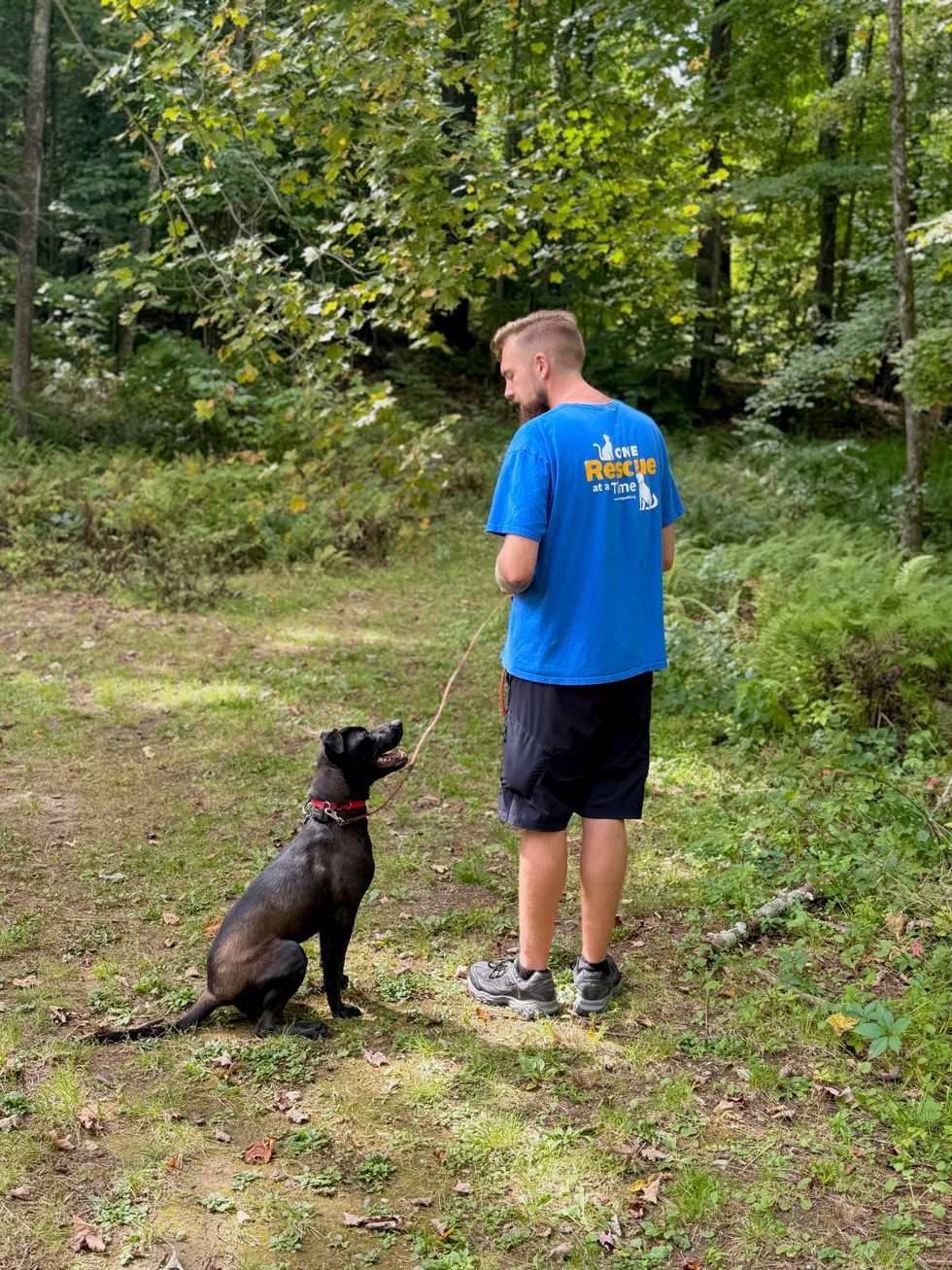 Michael DeBarba, certified dog trainer working with Marsala.Jennifer Almquist
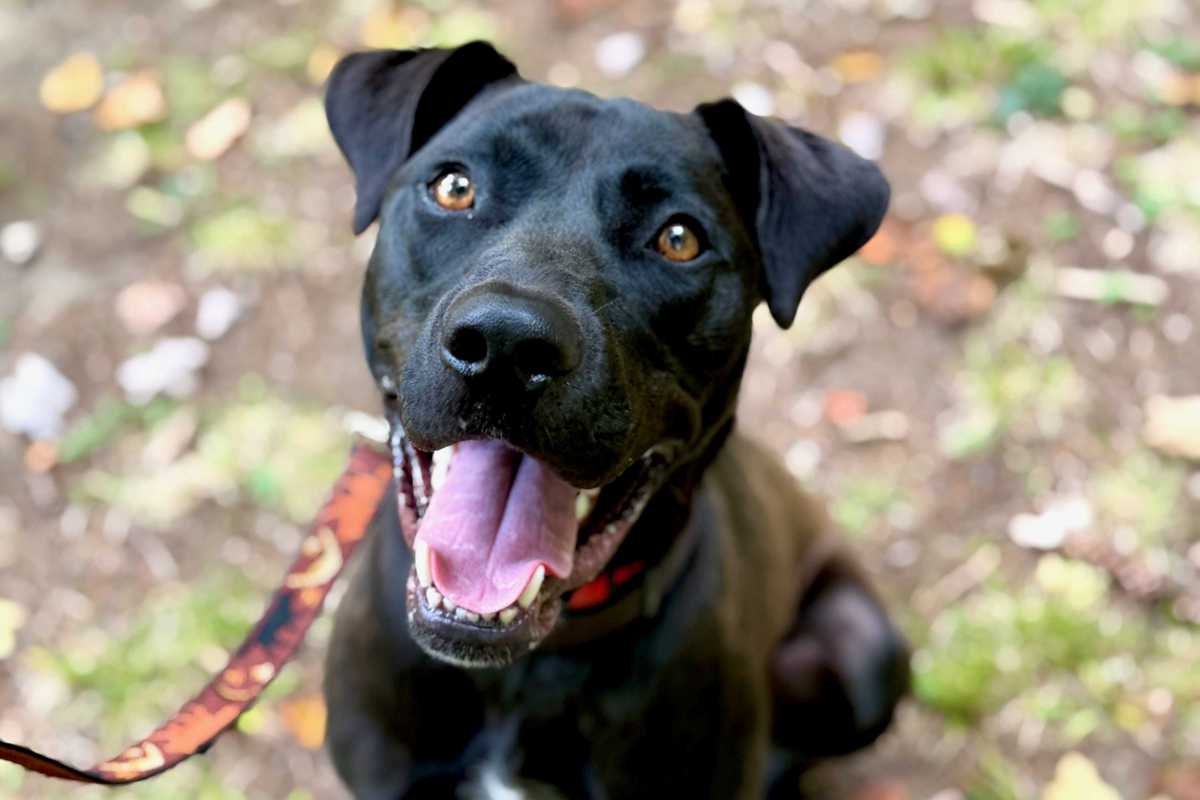
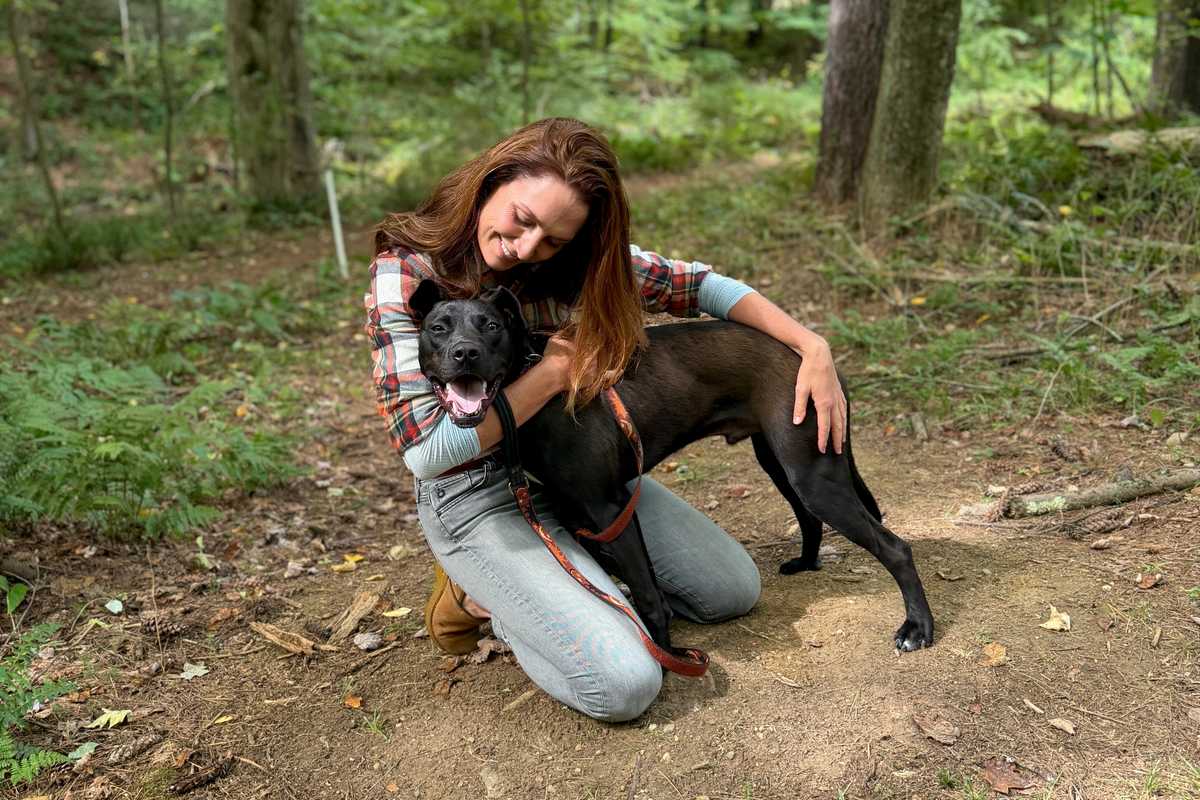 Marsala wins a heart.Jennifer Almquist
 Sadie, center, a Carolina dog, plays with her friend Negra, a terrier mix. Bella Linda, the small poodle, has since been adopted.L. Tomaino
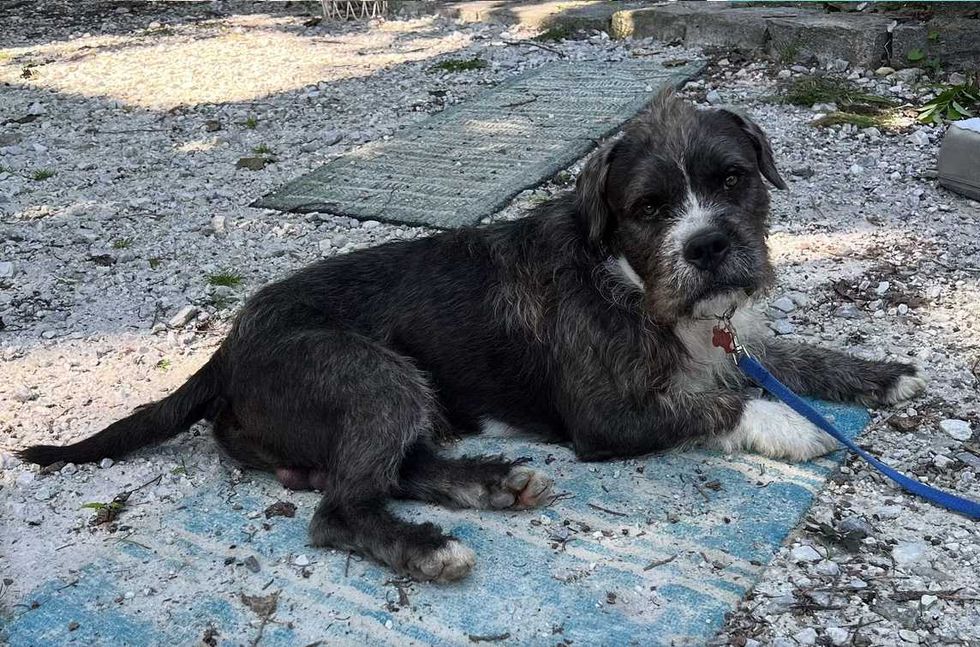 Wesley, a young, exuberant mix, is looking for an active home.L. Tomaino
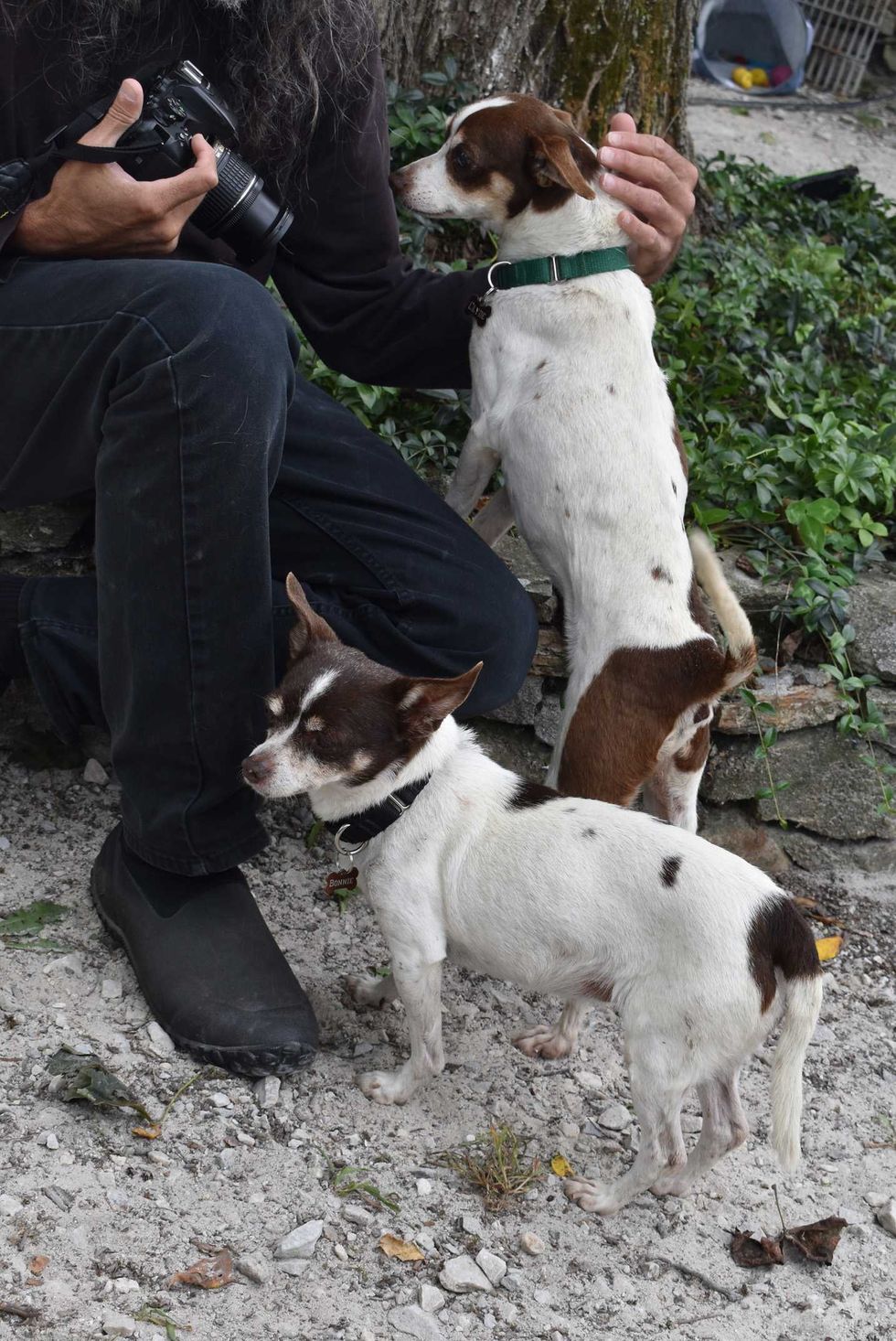 Bonnie and Clyde, an affectionate terrier pair.L. Tomaino