NORTH EAST — According to North East town Supervisor Chris Kennan, just because most drivers will never see the extremely large tunnels known as culverts that allow the streams and creeks and other various waters of the town of North East to make their way under local roads doesn’t mean they aren’t there — keeping the roads stable and strong and drivable.
Thanks to a county infrastructure project that’s been going on all summer, and will continue through the fall, two major town roads are getting new culverts, at the tune of $1,222,958, all paid for through the county’s coffers.
“It’s important because when people wonder, ‘Where do my taxes go?’ they go to things like this,” said Kennan, who wanted local residents to know how much the “massive” projects cost and that the county is paying the tab. “This was just part of its regular county highway budget, just part of the county’s road wear maintenance budget.”
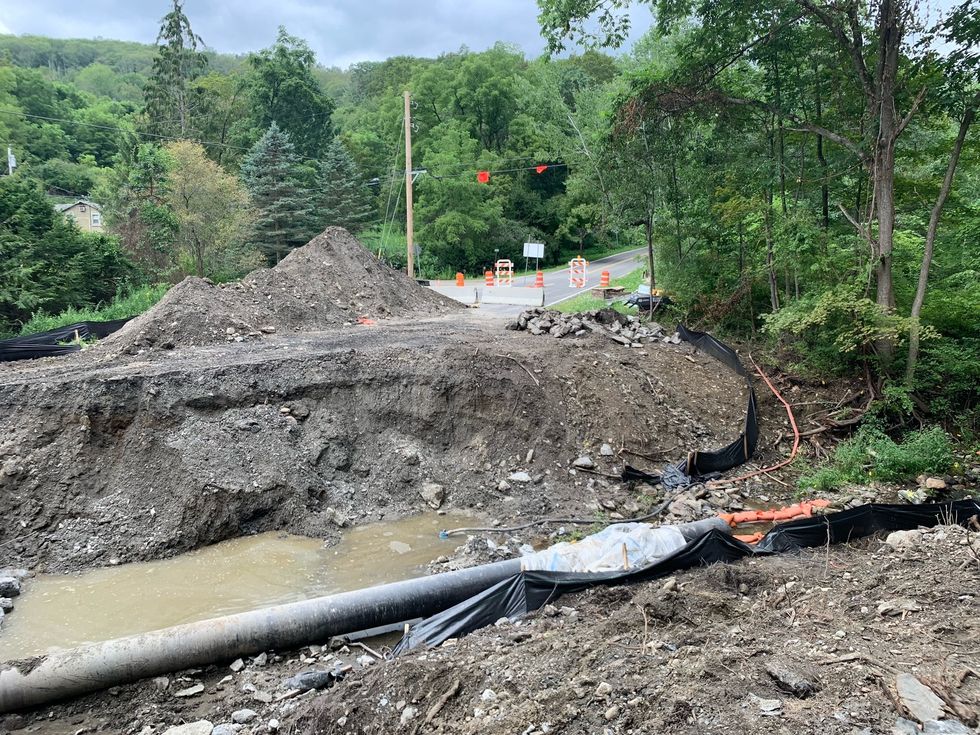
Most drivers who have taken to local roads this summer have probably seen the first project, which started in the early part of the summer. It took place on McGhee Hill Road (County Route 64). According to Kennan, “the stream goes under the road twice so two culverts right near each other [were replaced].”
The county crew just finished the work on McGhee Hill roughly two weeks ago, he said on Saturday, Aug. 28, adding “I’m delighted they are fixing both roads because they are very expensive culverts to fix.”
The other road that is being worked on is Smithfield Road (County Route 5), near Silver Mountain Road and Cooper Road; crews just began work about a week ago, said the town supervisor. Silver Mountain Road near Smithfield will have to be closed while construction takes place.
Kennan said he did hear some complaints from residents when the town closed roadways for the McGhee Hill Road culverts, and expects he may hear more during this part of the project. Most folks, though, realize keeping a town in tip-top shape takes work.
“I had a number of conversations with people who would love to be able to not have that inconvenience, but for the most part people understand that roads need to be maintained,” he said. “Just like anything else of infrastructure, it doesn’t last for forever.”
There will be a detour route posted along Routes 22 and 44, McGhee Hill Road (County Route 64) and Charlie Hill Road. (Go to www.dutchessny.gov/Departments/County-Executive/docs/N27.pdf for a detour map.)
The Smithfield Road culvert project won’t be completed until roughly Thanksgiving, although if everything goes especially well there is a chance the work could wrap up earlier. The job will also include the addition of three-foot shoulders to the roadway, according to the county Department of Public Works (DPW).
Chair of the Dutchess County Legislature Gregg Pulver (R-19) spoke of the importance of such a project.
“[They] improve the safety and stability of these roadways now and into the future,” he said. “I am grateful to the DPW for moving these projects forward in a timely and efficient process.”
According to Kennan, the culverts on both roads were either under-sized or deteriorating and therefore needed to be replaced. He added that “the county has had these two projects on its list of priorities for some time, and were going to do it last year, but with everything going on with COVID, they pushed it forward to this year.”
Kennan further explained the importance of culverts, and why it’s so vital to get the water from one side of the road to the other.
“They’re very important because without them we would have roads being washed out or undermined very frequently,” he said. “Particularly as a result of climate change, we are seeing more heavy rainfalls and increases in water flow, so we have to make sure our culverts are sized appropriately to handle that so we don’t have flooding. They go under the road and most people never know they’re crossing them.”



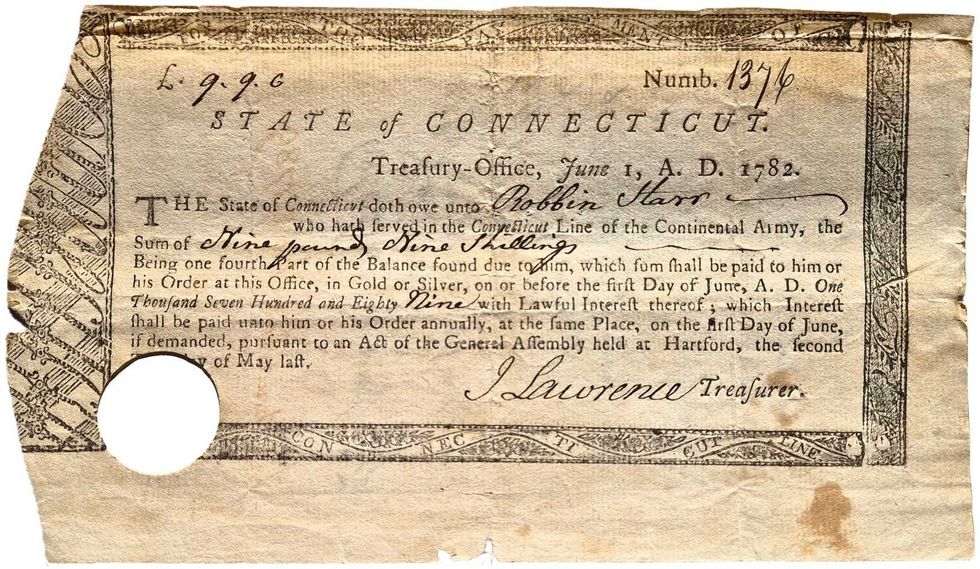 Pay Bill for Robin Starr’s service in the Continental Army.Courtesy the Alex Breanne Corporation
 John Mills speaking at Quinnipiac University.Courtesy the Alex Breanne Corporation
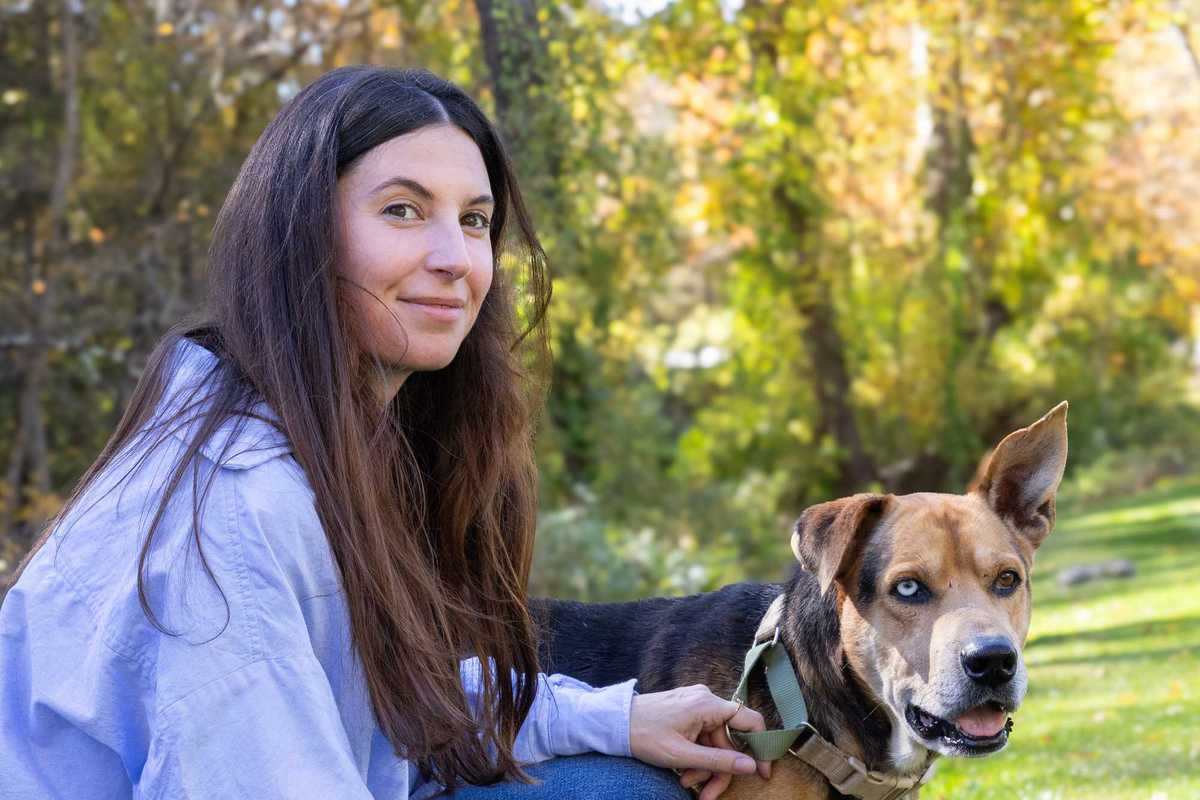
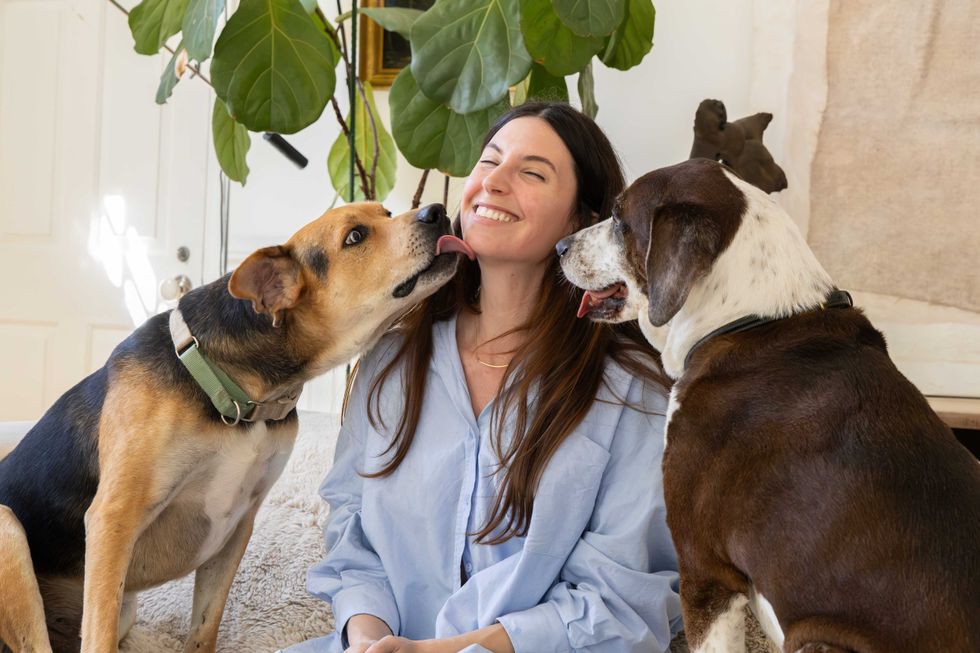 Stephanie Saetta,with her rescue dog George and Blue (left), a shepherd mix awaiting his forever home.Madi Long