MILLERTON — The Taconic Plateau Foundation, an environmental nonprofit, plans to appeal to the Dutchess County Supreme Court for a property tax exemption after a third denial by the Town of North East. The foundation said it may be forced to close.
Established in 2022, the foundation is a nonprofit organization that oversees 175 acres of land along the New York/Connecticut border for conservation, research and educational work.
“Our charge is to maintain it as a pristine natural resource for posterity,” said Jed Marcus, a director of the foundation. He said the goal is to protect the species that call the property home.
In addition to maintaining the land, the foundation hosts public activities and scientific research. Marcus said nonprofit volunteers do not just passively maintain the land, but rather actively engage and educate the community through their work.
As a nonprofit, the Taconic Plateau Foundation has been deemed tax exempt by the IRS and the State of New York, but is seeking to be exempt from local property taxes. Currently, the foundation pays $6,643 in property and county taxes each year, Marcus said.
In 2025, the foundation recorded $8,800 in revenue from grant money.
Marcus said that the 2026 request for property tax exemption under New York State’s Real Property Tax Law was denied, as it was found by the Town of North East that the property is not used exclusively for nonprofit purposes.
“That statement is so troubling because it’s just emphatically not true,” Marcus said.
Marcus said the town did not elaborate as to why it concluded the property failed to qualify. He argues the land meets the statutory requirements and pointed to prior court decisions recognizing environmental conservation as a charitable purpose eligible for a property tax exemption.
The 1982 case of New York Botanical Garden v. Assessors of the Town of Washington established environmental conservation as a charitable activity that qualifies for real property tax exemption, he noted.
After the request was denied, the foundation appealed to the town’s Board of Assessment Review. Organization representatives received a determination letter on July 18 denying the appeal. Marcus said he was baffled by the denial.
“They just checked the box saying you’re not eligible for the request,” Marcus said.
Town of North East Assessor Katherine Johnson would not comment, citing an expectation of “continuing litigation,” but did not provide further details.
The Taconic Plateau Foundation plans to file an appeal by the end of July with the Dutchess County Supreme Court for a Real Property Law Article 7 hearing, which allows property owners to challenge property tax assessments in court. The court will review submitted documents, then decide whether to hold a hearing.
If the foundation is denied again, Marcus said it will likely go bankrupt.
“We have no assets, no money other than the land, and that will work well if we don’t have to pay taxes,” Marcus said. “If we have to pay taxes, basically, we’re going to go out of business. We just can’t raise that money.”
The foundation receives some donations that go directly toward taxes, and others that pay for conservation, charitable, or educational activities. Marcus said that there are less who contribute money for taxes than for other purposes, but the foundation can’t access the latter until the tax bill is paid.
The Taconic Plateau Foundation has set aside a $20,000 donation for litigation. If it didn’t go to court, that money would have gone towards programming and research.
The organization gets its funding through grants and donations, and the staff is made up of volunteers. Recently, the organization has had a challenging time receiving funding.
“We’ve gotten our money through grants, but we’ve kind of come to the end of the line because nobody wants to give a grant that’s simply going to go to the town to pay taxes,” Marcus said.







 Tiffany Lemelin, shelter manager, brushing Marsala upon arrival.Provided
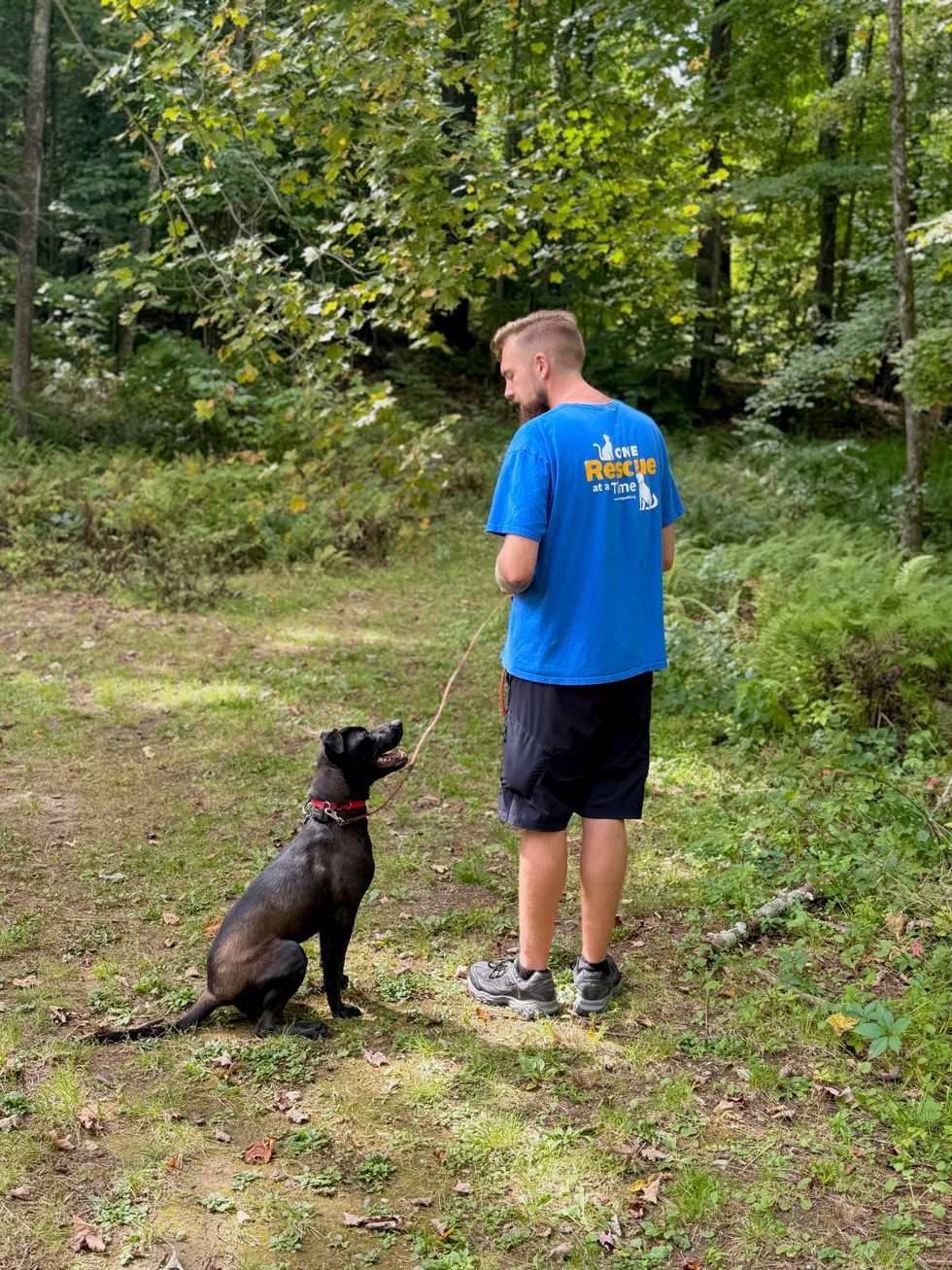 Michael DeBarba, certified dog trainer working with Marsala.Jennifer Almquist
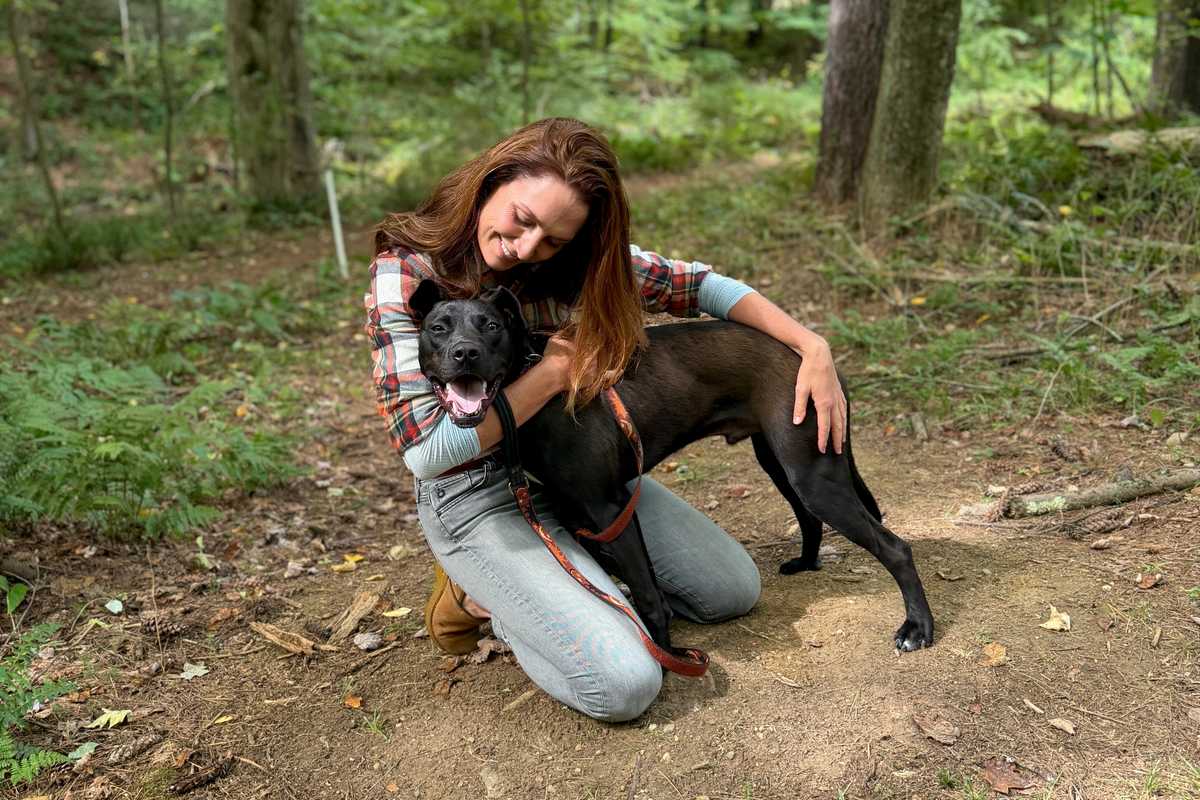 Marsala wins a heart.Jennifer Almquist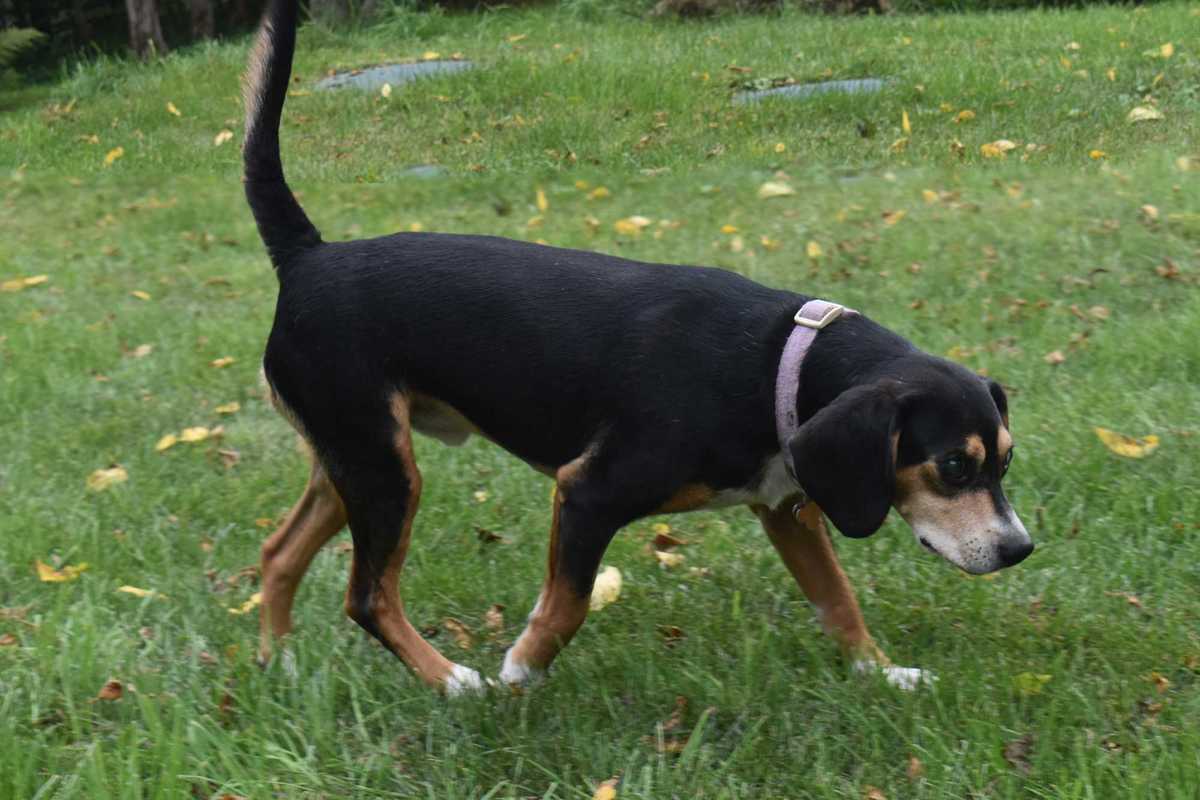
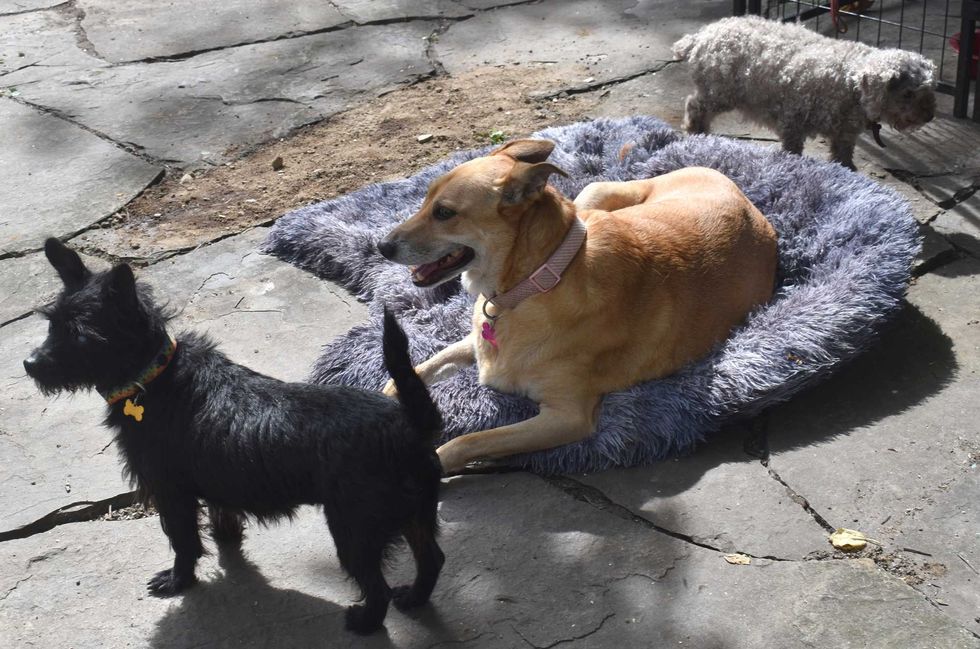 Sadie, center, a Carolina dog, plays with her friend Negra, a terrier mix. Bella Linda, the small poodle, has since been adopted.L. Tomaino
 Wesley, a young, exuberant mix, is looking for an active home.L. Tomaino
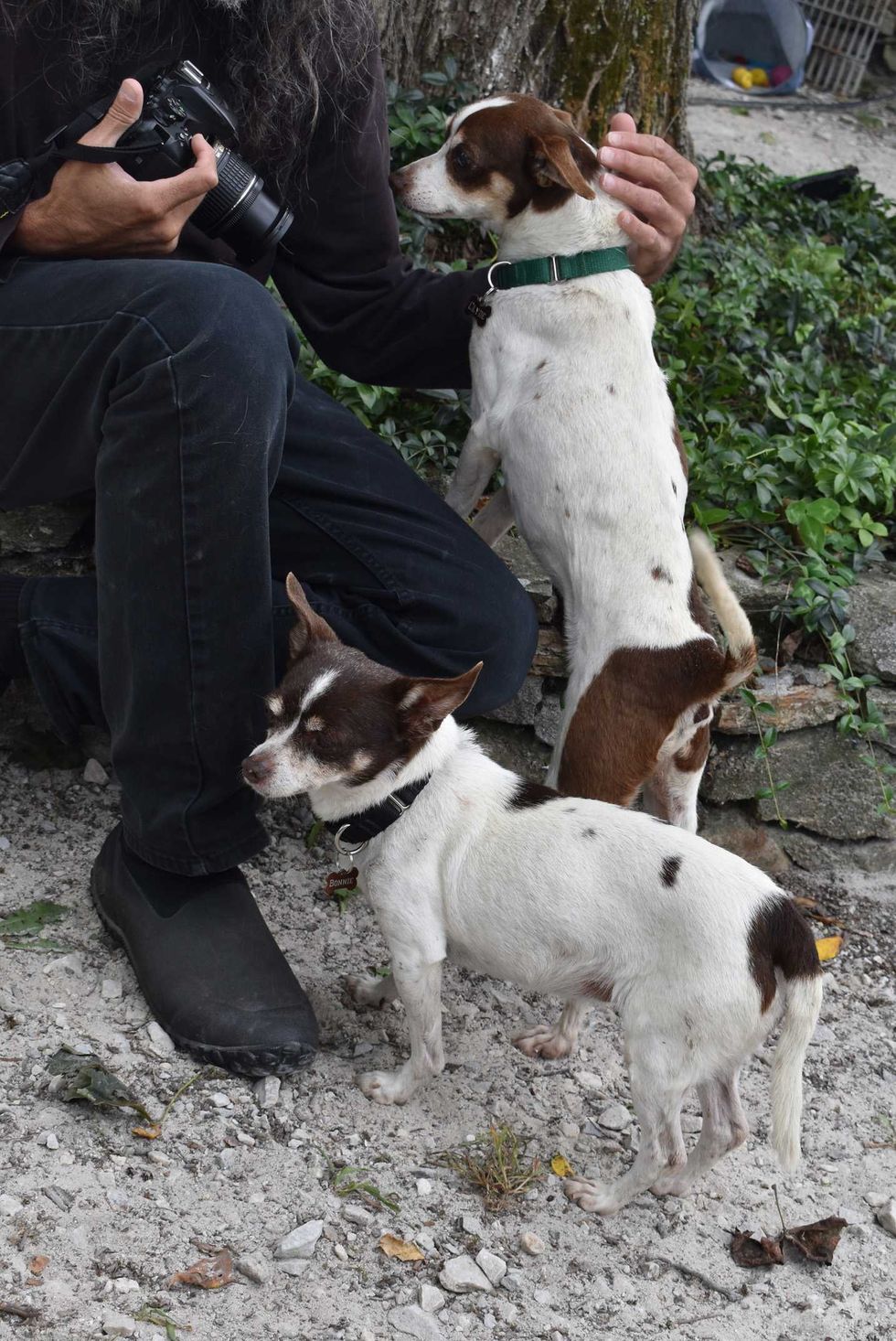 Bonnie and Clyde, an affectionate terrier pair.L. Tomaino